
The holiday season brings joy, warmth, and festive traditions—but for many dog owners, it also introduces unexpected challenges. One of the most common: discovering that your beloved dog has been chewing on Christmas tree branches. Whether you have a real evergreen or an artificial tree, this behavior can be frustrating, confusing, and even dangerous. Understanding why dogs engage in this habit is the first step toward preventing it. More than just a nuisance, chewing tree limbs often signals deeper behavioral or environmental needs.
Dogs don’t chew Christmas tree branches out of malice. Instead, the behavior stems from natural instincts, curiosity, boredom, or anxiety. By examining the root causes and implementing thoughtful strategies, pet owners can safeguard both their trees and their pets while still enjoying a joyful holiday season.
Instinctual Behavior Behind Chewing
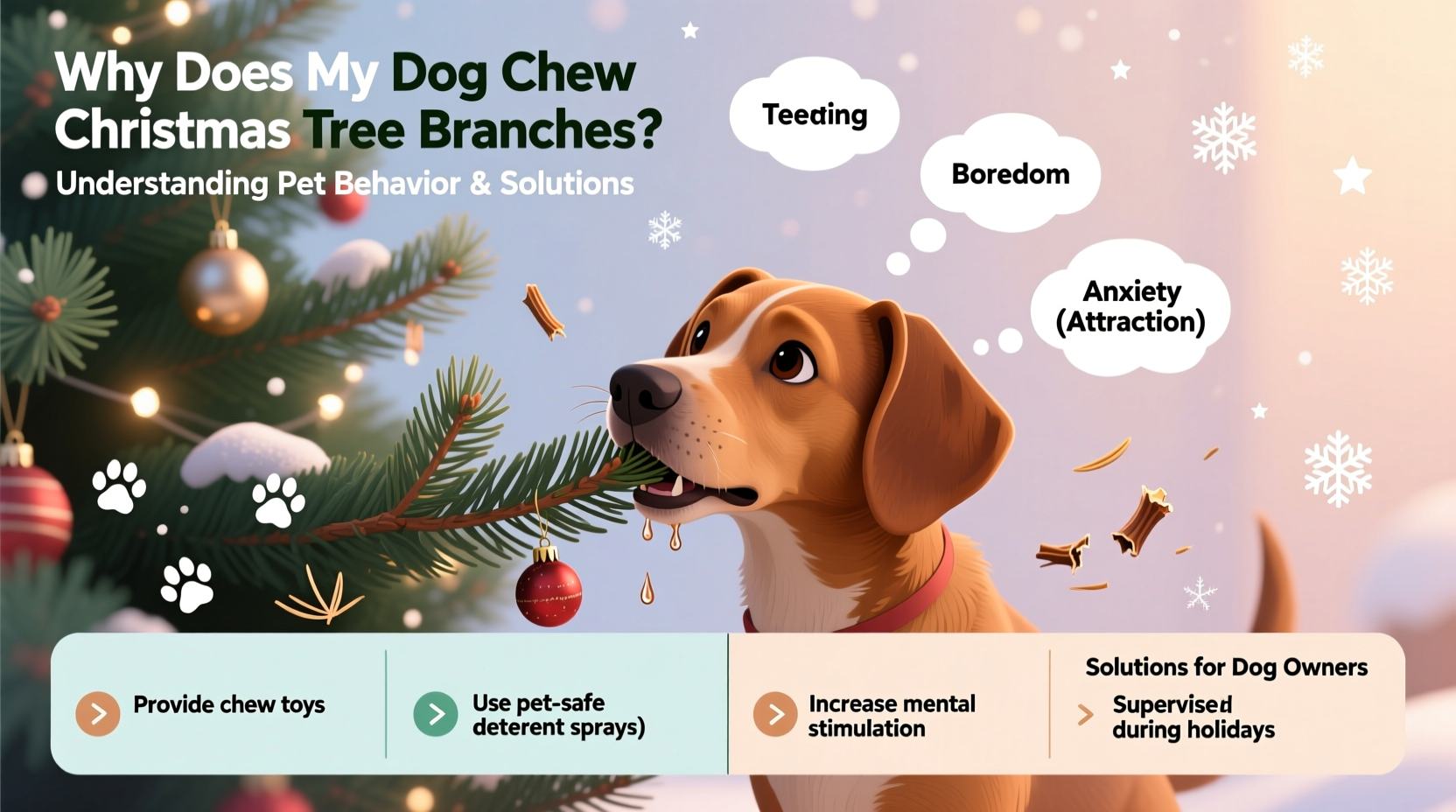
Chewing is a deeply ingrained behavior in dogs, rooted in biology and development. Puppies explore the world through their mouths, much like human infants do. Even adult dogs retain this oral exploration instinct, especially when encountering new or intriguing objects. A Christmas tree—whether real or artificial—represents a sudden, dramatic change in the household environment. Its scent, texture, movement (from ornaments swaying), and placement in a central area make it highly stimulating.
For dogs with herding, hunting, or foraging backgrounds, the tree may resemble prey or a novel object to investigate. Real pine needles emit strong terpenes, aromatic compounds that can attract curious noses. The crinkling sound of tinsel or the rustle of branches under paw pressure further heightens sensory engagement. In essence, the tree becomes a multi-sensory puzzle begging to be solved—often with teeth.
Additionally, chewing serves functional purposes. It helps relieve teething discomfort in puppies, reduces stress, and maintains jaw strength. When a dog chews, endorphins are released, producing a calming effect. If your dog is anxious due to changes in routine, loud visitors, or unfamiliar decorations, chewing the tree may become a self-soothing mechanism.
“Dogs are sensory-driven animals. A Christmas tree isn’t just a decoration to them—it’s an event. Their response is often less about destruction and more about investigation.” — Dr. Lena Torres, Veterinary Ethologist
Common Triggers That Encourage Tree Chewing
While instinct plays a role, specific environmental and psychological triggers often push dogs over the edge from observation to action. Identifying these factors is crucial for prevention.
- Sudden Environmental Changes: Introducing a large tree into a living space alters sightlines, scents, and territorial boundaries. Dogs may feel compelled to “claim” or investigate the object.
- Boredom or Understimulation: Holiday gatherings often mean disrupted routines. Walks may be skipped, playtime reduced, and attention diverted to guests—leaving dogs seeking stimulation elsewhere.
- Lack of Appropriate Chew Toys: If a dog doesn’t have access to satisfying alternatives, they’ll redirect chewing impulses to whatever is available—even pine boughs.
- Pine Needle Texture and Scent: Real trees emit odors that mimic forest environments, triggering ancestral foraging behaviors. Some dogs find the texture appealing, similar to chewing sticks during walks.
- Attention-Seeking: If a dog learns that chewing the tree results in immediate interaction (even if it’s scolding), they may repeat the behavior for social reinforcement.
Risks Associated With Tree Chewing
Allowing a dog to chew Christmas tree branches isn’t just about aesthetics—it poses genuine health risks.
| Risk Factor | Description |
|---|---|
| Physical Injury | Sharp pine needles can puncture gums, tongues, or digestive tracts. Splinters from branches may cause internal damage. |
| Toxicity (Real Trees) | Pine sap contains compounds that can irritate the stomach. Ingesting large amounts may lead to vomiting, diarrhea, or lethargy. |
| Artificial Tree Hazards | Plastic branches can fragment into sharp shards. Some materials contain lead or phthalates, which are toxic if ingested. |
| Ornament Dangers | Broken glass, metal hooks, or small decorative pieces pose choking or intestinal blockage risks. |
| Water Contamination | Tree stands often contain water mixed with fertilizers, pesticides, or preservatives. Drinking this water can cause poisoning. |
Veterinarians report a noticeable uptick in foreign body cases during December. Early signs of ingestion include drooling, pawing at the mouth, gagging, or reluctance to eat. If you suspect your dog has swallowed needles or fragments, seek veterinary care immediately.
Proven Solutions to Prevent Tree Chewing
Preventing tree chewing requires a combination of management, training, and environmental enrichment. The goal isn’t to punish the dog but to redirect natural behaviors safely.
1. Secure the Tree Physically
Use a sturdy tree stand and anchor the top to a wall or ceiling hook to prevent tipping. Place the tree in a corner or behind a gate to limit access. Baby gates or exercise pens create physical barriers while still allowing visual inclusion.
2. Use Taste Deterrents
Apply pet-safe bitter sprays to the lower branches. These products use non-toxic flavors (like citrus or bitter apple) that dogs dislike. Reapply every few days or after dusting.
3. Provide Alternative Chewing Outlets
Offer durable, engaging chew toys—especially those filled with treats or flavored with peanut butter (xylitol-free). Rotate toys regularly to maintain novelty. Puzzle feeders and snuffle mats can occupy a dog’s mind and mouth simultaneously.
4. Manage the Environment
Keep the tree area free of tempting items. Avoid tinsel, ribbon, or edible-looking ornaments. Store gifts containing food or noisy toys out of reach. Consider using LED candles instead of real ones to reduce fire risk.
5. Train with Positive Reinforcement
Teach commands like “leave it” and “go to your mat.” Reward calm behavior near the tree with praise or treats. Never yell or physically punish, as this increases anxiety and may worsen the behavior.
“Consistency and patience are key. You’re not just protecting a tree—you’re helping your dog adapt to a temporary change in their world.” — Sarah Kim, Certified Dog Trainer
Step-by-Step Guide: Making Your Tree Dog-Safe
Follow this timeline to minimize risks and acclimate your dog before the holidays arrive.
- Week 1: Prepare the Space
Choose a location for the tree that allows for easy gating. Clean the area thoroughly to remove previous scents or debris. - Day of Setup: Supervise Closely
Introduce the tree while your dog is present. Let them sniff under supervision. Use a leash indoors if needed to guide behavior. - Days 2–3: Apply Deterrents & Add Barriers
Spray lower branches with bitter solution. Set up a gate or pen. Place high-value chew toys nearby to encourage redirection. - Day 4: Begin Training Commands
Practice “leave it” near the tree. Reward compliance. Gradually increase distance and duration. - Ongoing: Monitor and Maintain
Check the tree daily for damage. Refill deterrents. Rotate chew toys weekly. Limit unsupervised access until the dog shows consistent restraint.
Mini Case Study: Max, the Curious Labrador
Max, a 2-year-old Labrador Retriever, began chewing the lower branches of his family’s real Christmas tree within hours of setup. His owners initially responded by scolding him, but the behavior escalated. Concerned about toxicity and injury, they consulted a trainer.
The assessment revealed several contributing factors: Max’s daily walks had been shortened due to winter weather, his usual chew toys were worn out, and the tree stood in the middle of the living room—right in his patrol path. The family implemented changes: they installed a half-wall gate around the tree, introduced frozen broth-filled Kongs, and resumed structured walks. They also sprayed the base of the tree with a bitter apple solution.
Within three days, Max lost interest. By day seven, he would lie on his bed five feet away, watching guests admire the tree. The combination of environmental control, mental stimulation, and positive reinforcement resolved the issue without conflict.
Do’s and Don’ts: Quick Reference Table
| Action | Do | Don’t |
|---|---|---|
| Barrier Use | Install baby gates or pens | Leave the tree fully accessible |
| Training | Reinforce “leave it” with treats | Yell or hit the dog |
| Chew Alternatives | Provide durable, rotating toys | Use old shoes or inappropriate items |
| Deterrents | Use vet-approved bitter sprays | Apply essential oils (many are toxic) |
| Supervision | Monitor during high-risk times | Assume absence prevents chewing |
FAQ
Is pine toxic to dogs?
While pine is not highly toxic, ingestion of needles or sap can cause gastrointestinal upset, including vomiting and diarrhea. Sharp needles may also cause internal injuries. Seek veterinary advice if your dog consumes a significant amount.
Can I use aluminum foil around the tree base?
Yes. Many dogs dislike the texture and sound of foil. Placing it around the stand can deter digging or approaching. Combine with other methods for best results.
My dog only chews the tree when we’re asleep. What should I do?
This suggests separation-related anxiety or lack of boundaries. Consider confining your dog to a safe room with bedding and toys overnight. Crate training, if done positively, can provide security and prevent access.
Checklist: Dog-Proofing Your Christmas Tree
- ✅ Choose a stable tree stand and secure it to the wall
- ✅ Install a physical barrier (gate or pen)
- ✅ Apply pet-safe bitter spray to lower branches
- ✅ Remove tinsel, ribbons, and small ornaments
- ✅ Cover or enclose the tree water reservoir
- ✅ Provide multiple chew toys and rotate them weekly
- ✅ Train and reinforce “leave it” command
- ✅ Supervise interactions, especially early on
- ✅ Schedule consistent exercise and mental stimulation
- ✅ Consult a professional if behavior persists
Conclusion
Understanding why your dog chews Christmas tree branches transforms frustration into opportunity—an opportunity to deepen your bond, improve your pet’s well-being, and create a safer home. This behavior isn’t defiance; it’s communication. By addressing the underlying needs—curiosity, boredom, anxiety—you do more than protect a holiday decoration. You help your dog navigate change with confidence.




 浙公网安备
33010002000092号
浙公网安备
33010002000092号 浙B2-20120091-4
Comments
No comments yet. Why don't you start the discussion?