
The holiday season brings joy, warmth, and festive decorations—but for many dog owners, it also introduces unexpected challenges. One of the most common? A dog chewing on Christmas tree branches. Whether your pup is nibbling at pine needles or tugging at lower limbs, this behavior can be frustrating and potentially dangerous. Understanding the root causes behind this habit is essential to addressing it effectively and safely.
Dogs don’t chew tree branches out of malice. Instead, their actions are driven by instinct, curiosity, boredom, or even dietary needs. By examining the behavioral and environmental factors at play, pet owners can take proactive steps to protect both their trees and their dogs. This article explores the science behind why dogs chew on Christmas trees, offers practical solutions, and provides expert-backed strategies to ensure a peaceful holiday season for everyone in the household.
Instinctual Behavior: Why Dogs Are Drawn to Trees
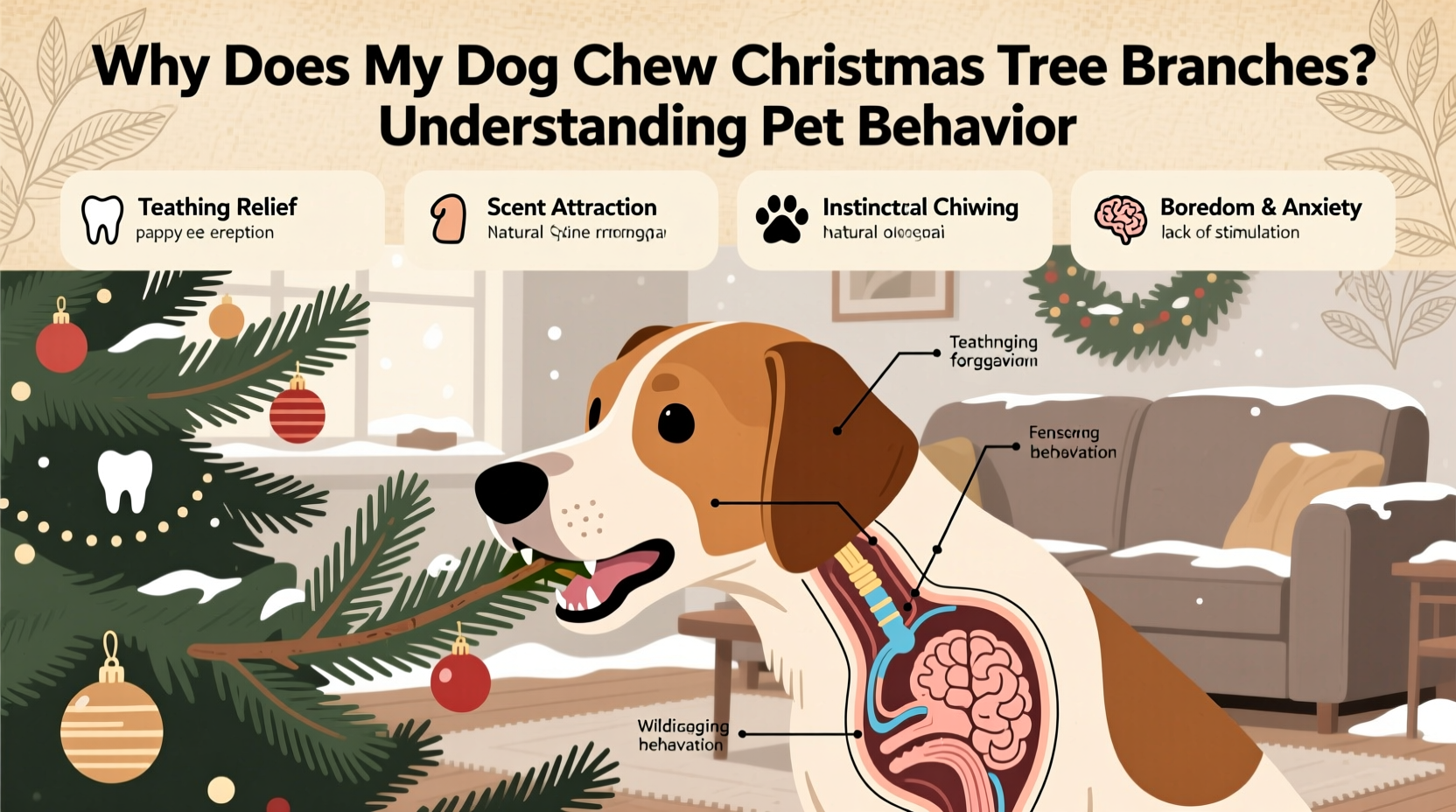
At the core of this behavior lies a dog’s natural instinct. Canines are descendants of wild animals that relied on exploration through scent and taste. Chewing is not only a way to investigate new objects but also serves biological functions such as teething, jaw development, and stress relief.
When a live Christmas tree enters the home, it emits strong aromatic compounds from its sap and needles. These scents are highly stimulating to dogs, whose sense of smell is up to 100,000 times more sensitive than humans’. The evergreen aroma may resemble plants or wood materials dogs would encounter in nature, triggering investigative chewing.
In addition, the texture of pine needles and soft inner bark offers a satisfying crunch—similar to what a dog might experience when chewing on sticks during outdoor walks. For puppies especially, this tactile feedback supports dental development. However, unlike outdoor sticks, Christmas trees often come with risks like chemical treatments, water additives, or proximity to electrical cords.
“Dogs use their mouths like hands. When they chew something new, they’re gathering information about it—its texture, taste, and whether it’s safe.” — Dr. Karen Norsworthy, DVM, Veterinary Behavior Specialist
Common Triggers Behind Tree-Chewing Behavior
While instinct plays a role, several situational factors increase the likelihood of a dog targeting the Christmas tree:
- Boredom or under-stimulation: Holiday schedules often disrupt routines. Dogs left alone more frequently may turn to the tree as a source of entertainment.
- Anxiety or excitement: Increased visitors, loud music, and changes in household energy can make dogs nervous. Chewing releases endorphins, which helps them self-soothe.
- Lack of appropriate chew toys: If a dog doesn’t have access to durable, appealing alternatives, novel objects like tree branches become targets.
- Nutritional deficiencies: In rare cases, pica (the consumption of non-food items) can stem from mineral imbalances or digestive issues.
- Puppy teething: Young dogs between 3–8 months old naturally chew to relieve gum discomfort.
Safety Risks of Dogs Chewing Christmas Tree Branches
Allowing a dog to chew on Christmas tree branches isn’t just a nuisance—it poses real health hazards:
- Pine needle ingestion: Sharp needles can irritate the mouth, throat, and gastrointestinal tract. In severe cases, they may cause internal punctures or blockages.
- Toxic exposure: Some artificial trees are coated with flame retardants or plasticizers. Real trees may have been treated with pesticides or fertilizers. Additionally, tree water often contains preservatives, aspirin, or sugar-based additives that are toxic to pets.
- Choking hazard: Small twigs or broken ornaments can be swallowed accidentally.
- Electrical dangers: Dogs tugging on branches may pull down lights or knock over the tree, risking electrocution from frayed wires.
- Chemical reactions: Sap from fir or spruce trees can cause drooling, vomiting, or dermatitis if ingested or contacted in large amounts.
Veterinary clinics report a noticeable uptick in pet emergencies during December, many linked to holiday décor. According to the ASPCA Animal Poison Control Center, calls related to Christmas tree exposure increase by nearly 30% each holiday season.
Effective Prevention Strategies: A Step-by-Step Guide
Preventing tree-chewing requires a combination of environmental management, training, and enrichment. Follow this timeline to safeguard your tree and support your dog’s well-being:
Week 1: Prepare the Environment
- Choose a sturdy tree stand and anchor the trunk securely using fishing line or a wall-mounted hook.
- Position the tree away from furniture your dog could use to jump or climb.
- Use pet-safe tree skirts or barriers (e.g., baby gates) to limit access.
- Remove lower branches within reach or trim them above dog height.
Week 2: Introduce Boundaries and Training
- Teach basic commands like “leave it” and “stay” using positive reinforcement.
- Practice these cues near the tree with distractions present.
- Use verbal markers (e.g., “uh-uh”) consistently when your dog approaches the tree unsupervised.
- Redirect immediately to an approved chew toy when unwanted behavior occurs.
Ongoing: Maintain Enrichment and Supervision
- Provide daily mental stimulation through puzzle feeders, nose work games, or obedience drills.
- Offer long-lasting chews (e.g., bully sticks, rubber Kongs filled with peanut butter) during peak activity times.
- Supervise interactions with the tree, especially when guests are present.
- Consider using a deterrent spray made from bitter apple or citrus (test on a small area first).
Do’s and Don’ts of Managing Tree-Chewing Behavior
| Do | Don’t |
|---|---|
| Use physical barriers like pens or gates around the tree | Leave your dog unattended near the tree |
| Offer safe, durable chew alternatives | Yell or physically punish your dog for chewing |
| Check tree water daily and cover it securely | Use toxic additives like aspirin or commercial preservatives in the water |
| Train the “leave it” command consistently | Assume supervision isn't needed once training starts |
| Monitor for signs of illness if needles are ingested | Ignore repeated chewing as just a phase |
Real Example: Bella the Curious Beagle
Bella, a 10-month-old beagle from Portland, Oregon, began chewing on her family’s Douglas fir shortly after it was set up. Her owners initially thought she’d lose interest, but within days, she had stripped several lower branches and knocked over the stand twice.
Concerned about her safety, they consulted a certified dog trainer who identified two key issues: Bella was teething, and her usual walks had decreased due to winter weather. Without sufficient physical and mental outlets, the tree became her primary focus.
The family implemented a plan: they installed a mesh playpen around the tree, introduced frozen carrot chews to soothe her gums, and resumed daily sniff walks—even in rain. They also started a simple “leave it” training routine using treats. Within two weeks, Bella’s tree-chewing stopped entirely. The tree remained intact, and Bella adapted to the holiday environment without stress.
This case highlights how combining environmental control with behavioral insight leads to lasting results.
When to Seek Professional Help
Occasional chewing may resolve with minor adjustments. However, persistent or obsessive chewing—especially if accompanied by other signs like pacing, excessive licking, or destruction elsewhere—may indicate underlying anxiety or compulsive disorder.
If your dog continues to target the tree despite consistent training and enrichment, consider consulting a:
- Certified professional dog trainer (CPDT)
- Veterinary behaviorist (DACVB)
- General veterinarian to rule out medical causes like pica or gastrointestinal distress
“Repetitive chewing on inappropriate objects should never be dismissed as ‘just being a dog.’ It’s often a cry for help in the form of better management or medical intervention.” — Dr. Sophia Yin, Late Author and Applied Animal Behaviorist
Frequently Asked Questions
Is pine toxic to dogs?
Most species of pine (like Scotch or Douglas fir) are considered mildly toxic. While small ingestions may only cause stomach upset or drooling, larger amounts—especially of sap or needles—can lead to vomiting, diarrhea, or intestinal irritation. Monitor your dog closely and contact your vet if symptoms develop.
Can I use vinegar to stop my dog from chewing the tree?
Vinegar has a strong smell that may deter some dogs, but it’s not always effective and can damage wood finishes or irritate sensitive noses. A safer alternative is commercially available bitter-tasting sprays designed specifically for pet deterrence. Always test on a small, hidden area first and avoid spraying near ornaments or lights.
Should I get an artificial tree if my dog chews real ones?
Artificial trees eliminate risks like needle ingestion and sap, but they come with their own concerns—such as sharp metal frames, plastic parts, and potential choking hazards if torn apart. If you choose an artificial tree, opt for a sturdier model, keep it well-secured, and continue supervising your dog around it. Ultimately, management and training matter more than tree type.
Final Checklist: Protect Your Tree and Dog This Holiday Season
- ✅ Secure the tree with anchors or hooks to prevent tipping
- ✅ Cover tree water with a lid or barrier to prevent drinking
- ✅ Remove low-hanging branches within dog reach
- ✅ Provide high-value chew toys and rotate them regularly
- ✅ Train and reinforce the “leave it” command daily
- ✅ Use a physical barrier (gate or pen) if supervision isn’t possible
- ✅ Avoid toxic additives in tree water (no aspirin, fertilizer, or essential oils)
- ✅ Schedule consistent exercise and mental stimulation
- ✅ Watch for signs of illness if chewing occurs (vomiting, lethargy, loss of appetite)
- ✅ Consult a professional if behavior persists beyond a few days
Conclusion: A Peaceful Holiday Starts with Understanding
Your dog isn’t trying to ruin the holidays by chewing on the Christmas tree. Their behavior stems from natural instincts, environmental triggers, and unmet needs—not defiance. By approaching the issue with empathy, consistency, and proactive planning, you can protect your décor while supporting your dog’s emotional and physical well-being.
The holiday season is temporary, but the habits you build now can strengthen your bond year-round. Take action today: assess your setup, enrich your dog’s routine, and reinforce boundaries with patience. With the right strategy, you and your dog can enjoy a joyful, safe, and harmonious celebration.




 浙公网安备
33010002000092号
浙公网安备
33010002000092号 浙B2-20120091-4
Comments
No comments yet. Why don't you start the discussion?