
Dog owners often do a double-take when they see their pet suddenly drop to the ground and start munching on grass like a cow in a pasture. It’s a behavior so common that most veterinarians hear about it weekly. While it may seem odd or even alarming, dogs eating grass is typically not a sign of serious illness. Still, understanding why they do it—and when it might signal a problem—is essential for responsible pet care.
This behavior has sparked debate among pet owners and veterinary professionals alike. Some believe it’s a natural instinct, while others worry it indicates nutritional deficiency or gastrointestinal distress. The truth lies somewhere in between, shaped by biology, environment, and individual temperament.
The Science Behind Grass-Eating in Dogs
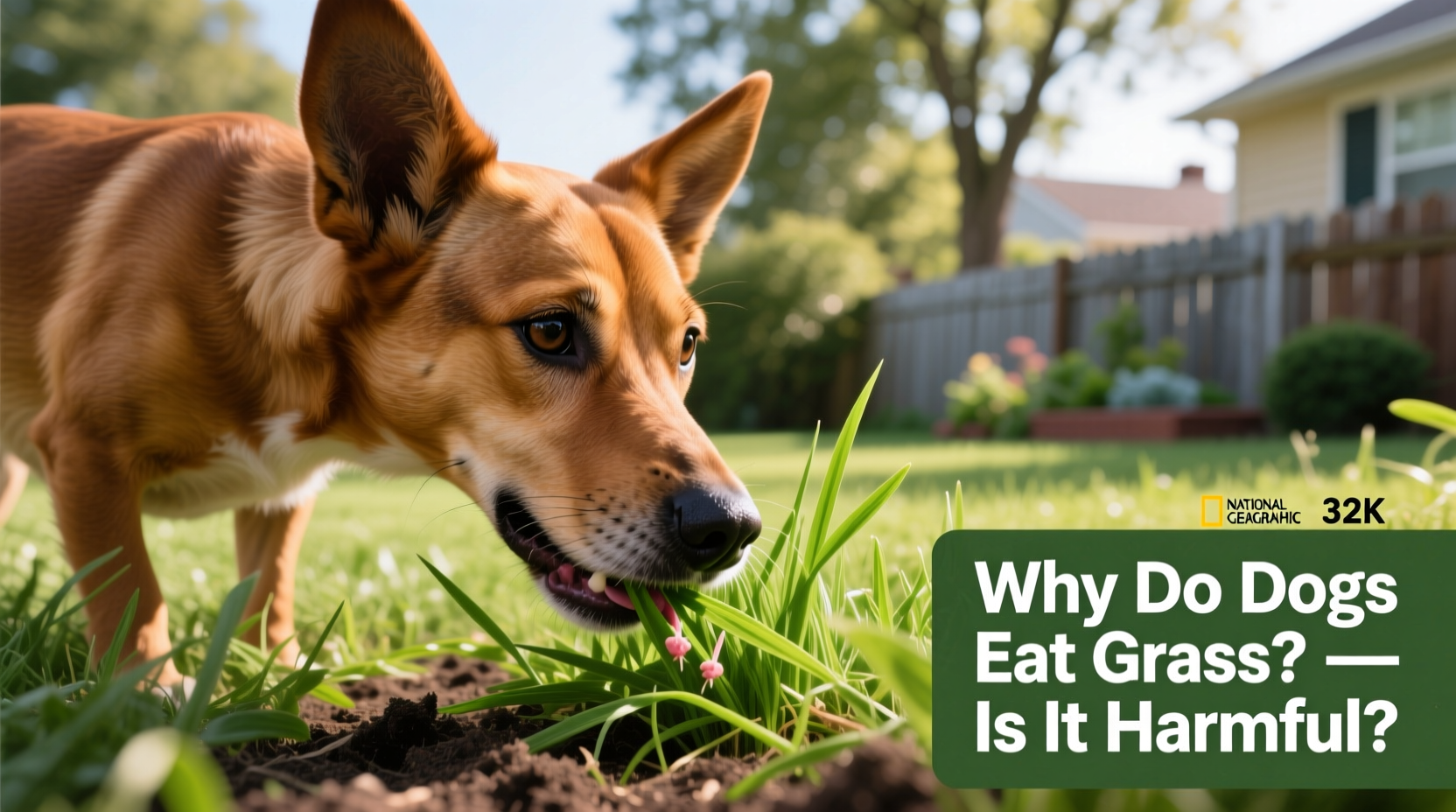
Grass consumption in dogs—known scientifically as *pica* when referring to non-food item ingestion—is surprisingly widespread. A 2007 study published in Applied Animal Behaviour Science surveyed over 1,500 dog owners and found that 68% of healthy dogs regularly eat grass. More notably, only 22% of those dogs vomited afterward, suggesting that vomiting is not the primary goal of the behavior.
One leading theory is evolutionary: dogs are descendants of wolves, who consumed plant material indirectly through the stomach contents of herbivorous prey. Over time, this dietary exposure may have conditioned modern dogs to tolerate—and even seek out—plant matter. Grass may act as a mild digestive aid, helping move food along the intestinal tract or providing roughage when fiber intake is low.
Another possibility is behavioral. Boredom, anxiety, or compulsive tendencies can drive dogs to graze, especially if they spend long periods outdoors with little stimulation. In these cases, grass-eating functions more like chewing or licking—a self-soothing mechanism rather than a dietary necessity.
“Eating grass is generally normal behavior for dogs. We see no evidence that it’s inherently dangerous unless the grass has been treated with chemicals.” — Dr. Karen Becker, Integrative Veterinarian
Is Eating Grass Harmful to Dogs?
In most cases, no—eating grass is not harmful. However, context matters. The safety of grass consumption depends on several factors, including frequency, quantity, accompanying symptoms, and environmental exposure.
Here are the key risks associated with dogs eating grass:
- Pesticides and herbicides: Grass treated with lawn chemicals can be toxic. Glyphosate, commonly found in weed killers, has been linked to kidney and liver damage in animals.
- Parasites: Contaminated soil or feces on grass blades can transmit intestinal parasites like roundworms or hookworms.
- Foreign objects: Grass may contain sharp debris, foxtails, or seeds that could irritate the mouth, throat, or digestive tract.
- Excessive vomiting: While occasional vomiting after grass consumption is normal, frequent or forceful vomiting warrants veterinary evaluation.
When to Be Concerned: Red Flags to Watch For
While occasional grass-eating is normal, certain patterns should prompt concern. These behaviors may indicate an underlying medical issue requiring professional attention.
Symptoms That Warrant a Vet Visit
| Behavior | Possible Cause | Action |
|---|---|---|
| Eats grass obsessively multiple times a day | Compulsive disorder, anxiety, or malnutrition | Consult vet; consider behavioral assessment |
| Vomits frequently after eating grass | Gastrointestinal irritation, pancreatitis, or foreign body | Diagnostic testing (e.g., blood work, ultrasound) |
| Shows signs of pain during or after grazing | Dental issues, esophageal obstruction, or abdominal discomfort | Immediate veterinary exam |
| Diarrhea, drooling, or weakness following grass consumption | Poisoning from chemicals or toxins | Emergency care; bring sample of grass if possible |
Also pay attention to changes in routine. A dog that has never eaten grass before but suddenly starts doing so daily may be responding to a new stressor or health condition. Similarly, puppies and senior dogs are more vulnerable to complications due to weaker immune systems.
Common Misconceptions About Dogs and Grass
Several myths persist about why dogs eat grass, often leading to unnecessary worry or misguided interventions.
Myth 1: Dogs eat grass because they’re sick and want to vomit.
While some dogs do vomit after eating grass, research shows most don’t. The 2007 study mentioned earlier found that fewer than one-quarter of grass-eating dogs regularly vomit. Many consume grass calmly and without distress, suggesting nausea isn’t the driver.
Myth 2: Grass-eating means my dog’s diet is deficient.
There’s little scientific support for this claim. Commercial dog foods are formulated to meet all nutritional requirements, including fiber. Adding vegetables or switching foods won’t necessarily stop the behavior unless there’s a diagnosed deficiency—which must be confirmed by a vet.
Myth 3: Only unhealthy or anxious dogs eat grass.
Healthy, well-adjusted dogs eat grass too. In fact, the majority of grass-consuming dogs in studies showed no signs of illness or stress. Like humans who enjoy salads, dogs may simply like the taste or texture of fresh grass.
How to Respond: A Practical Guide for Dog Owners
If your dog eats grass and seems otherwise healthy, intervention may not be necessary. However, you can take proactive steps to ensure safety and rule out problems.
- Inspect your yard: Eliminate use of pesticides, herbicides, and fertilizers. Opt for pet-safe alternatives or allow sections of untreated grass.
- Provide mental stimulation: Offer puzzle toys, regular walks, and training sessions to reduce boredom-related grazing.
- Monitor frequency and symptoms: Keep a log of when your dog eats grass and whether vomiting, diarrhea, or lethargy follows.
- Offer safe alternatives: Some dogs respond well to indoor grass kits (wheatgrass or oat grass) grown specifically for pets.
- Schedule a wellness check: If the behavior is new or intense, a vet visit can rule out parasites, inflammatory bowel disease, or other conditions.
Mini Case Study: Bella, the Labrador Who Loved Lawn Time
Bella, a three-year-old yellow Labrador, lived in a suburban home with a large backyard. Her owner, Maria, noticed she would eat grass every morning after her walk. At first, Maria assumed Bella was trying to make herself throw up. But Bella never appeared ill—she wagged her tail, ate her meals normally, and played energetically.
Concerned, Maria took Bella to her veterinarian. After a physical exam, blood work, and fecal test—all of which came back normal—the vet concluded that Bella’s grass-eating was likely habitual and harmless. The vet suggested enriching Bella’s morning routine with a short training session to redirect her focus.
Maria started teaching Bella new commands each week and added a sniff-based scavenger game in the yard. Within two weeks, Bella’s grass consumption dropped significantly—not because she was “cured,” but because she had a more engaging alternative.
This case illustrates how behavior modification, rather than medical intervention, can effectively address benign but puzzling habits.
Frequently Asked Questions
Should I stop my dog from eating grass?
Not necessarily. If your dog is healthy, eats grass occasionally, and doesn’t vomit or show discomfort, there’s no need to intervene. Focus instead on ensuring the grass is free from chemicals and parasites.
Can grass cause intestinal blockages?
Rarely. Long strands of tough grass could theoretically contribute to impaction, especially if consumed in extreme amounts, but this is highly uncommon. Foxtails and awns (sharp plant seeds) pose a greater risk and should be removed from your yard.
Is it safe to let my puppy eat grass?
With caution, yes. Puppies explore the world through their mouths, making them more prone to ingesting contaminants. Supervise outdoor time, avoid chemically treated lawns, and keep vaccinations and deworming up to date.
Checklist: What to Do If Your Dog Eats Grass
- ✅ Observe how often and how much grass is consumed
- ✅ Check your yard for pesticides, fertilizers, or toxic plants
- ✅ Watch for vomiting, diarrhea, or changes in appetite
- ✅ Rule out parasites with regular fecal exams
- ✅ Provide mental enrichment to reduce boredom
- ✅ Consult your vet if behavior becomes obsessive or is paired with illness
Conclusion: Understanding, Not Fear
Dogs eat grass for a variety of reasons—some rooted in instinct, others in environment or emotion. While it may look strange, it’s usually a normal part of canine behavior. The key is not to eliminate the habit outright, but to understand its context and ensure it remains safe.
By maintaining a chemical-free yard, supporting your dog’s mental health, and staying alert to warning signs, you can let your pet enjoy the simple pleasure of grazing without worry. If in doubt, consult your veterinarian. They can help distinguish between harmless quirks and genuine health concerns.




 浙公网安备
33010002000092号
浙公网安备
33010002000092号 浙B2-20120091-4
Comments
No comments yet. Why don't you start the discussion?