
Dogs eating grass is a common behavior observed by pet owners across the world. While it may seem strange or even alarming at first, many dogs engage in this activity without any serious consequences. However, as with any unusual habit, it’s important to understand why your dog might be doing it and whether there are underlying health concerns. Grass consumption can range from harmless curiosity to a signal of gastrointestinal distress or nutritional deficiency. This article explores the science behind this behavior, outlines key warning signs, and provides actionable guidance so you can make informed decisions about your dog’s health.
Understanding Why Dogs Eat Grass
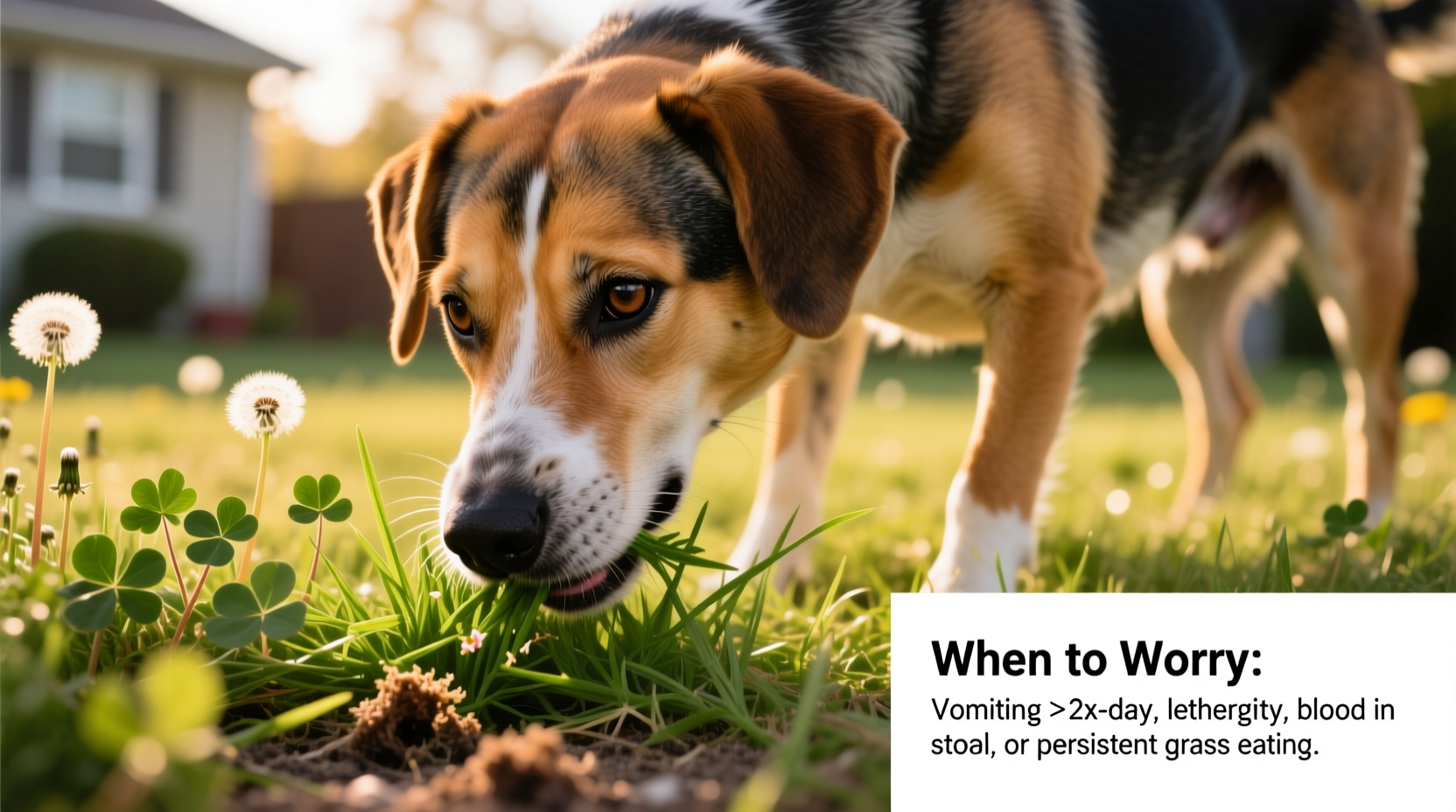
The act of dogs consuming grass has been studied for decades, yet no single explanation fits every case. Veterinarians and animal behaviorists agree that multiple factors—ranging from instinctual drives to medical conditions—can contribute to this behavior.
One widely accepted theory is that dogs eat grass as a natural instinct inherited from their wild ancestors. Wolves and other wild canids are known to consume plant material found in the stomachs of prey animals. Over time, this may have conditioned domestic dogs to seek out fibrous vegetation to aid digestion or help expel intestinal parasites.
Another possibility is dietary supplementation. Some dogs may lack fiber or certain nutrients in their diet, prompting them to graze on grass as a way to balance their intake. High-quality commercial dog foods usually provide complete nutrition, but individual sensitivities or poor absorption can still leave gaps.
Behavioral motivations also play a role. Boredom, anxiety, or attention-seeking behaviors can lead dogs to chew on grass simply because it’s available and engaging. Puppies, in particular, explore the world through their mouths, and grass is often within reach during walks or backyard playtime.
Is Eating Grass Normal?
In most cases, occasional grass consumption is considered normal and not a cause for concern. Studies suggest that up to 79% of healthy dogs eat grass regularly, with only a small percentage showing signs of illness beforehand. The majority do not vomit afterward, which challenges the long-held belief that dogs eat grass solely to induce vomiting.
Dr. Karen Sueda, a veterinary behaviorist at VCA West Los Angeles Animal Hospital, explains: “Grass-eating is a very common behavior in dogs. Most dogs don’t get sick before eating grass, nor do they typically vomit afterward. It’s likely just something they enjoy or find soothing.”
“We see grass consumption in puppies, adults, and seniors alike. Unless it’s excessive or paired with other symptoms, it’s generally not a red flag.” — Dr. Karen Sueda, DVM, Veterinary Behaviorist
When Grass-Eating Might Signal a Problem
While grass-eating itself isn’t inherently dangerous, certain patterns or accompanying symptoms should prompt closer evaluation. The context matters more than the act. If your dog suddenly starts consuming large amounts of grass, appears distressed while doing so, or frequently vomits, these could indicate an underlying issue.
Signs That Warrant Veterinary Attention
- Frequent vomiting after eating grass – Occasional vomiting may happen, but repeated episodes suggest digestive upset.
- Excessive drooling or gagging – These can signal nausea or discomfort.
- Lethargy or loss of appetite – A sudden change in energy levels or refusal to eat regular food may point to illness.
- Diarrhea or changes in stool consistency – Especially if blood is present.
- Obsessive grazing behavior – Dogs that compulsively eat grass, even indoors or on bare patches, may have behavioral or medical issues.
- Eating treated or contaminated grass – Exposure to pesticides, herbicides, or fertilizers increases health risks significantly.
If your dog exhibits several of these signs, especially in combination, a veterinary consultation is strongly recommended. Underlying causes such as inflammatory bowel disease (IBD), parasites, pancreatitis, or foreign body ingestion can manifest through changes in eating behavior.
Environmental and Safety Risks
Not all grass is safe for dogs to consume. Urban lawns, public parks, and roadside greenery are often treated with chemicals designed to kill weeds or pests. These substances—such as glyphosate, 2,4-D, and organophosphates—can be toxic even in small quantities.
Dogs who frequently graze in areas treated with lawn care products are at risk of chemical poisoning. Symptoms include vomiting, diarrhea, tremors, difficulty breathing, and seizures. In severe cases, exposure can be life-threatening.
Additionally, grass may harbor intestinal parasites like hookworms or roundworms, especially in areas frequented by other animals. Fecal contamination from stray dogs or wildlife increases infection risk.
| Risk Factor | Potential Consequence | Prevention Strategy |
|---|---|---|
| Pesticides/Herbicides | Toxicity, liver damage, neurological effects | Avoid chemically treated lawns; use pet-safe alternatives |
| Parasite-contaminated soil | Intestinal worms, diarrhea, weight loss | Regular deworming; prevent access to feces |
| Sharp or coarse grass blades | Mouth or throat irritation, GI tract injury | Monitor chewing habits; limit access if aggressive |
| Excessive fiber intake | Impaction, bloating, nutrient malabsorption | Moderate access; ensure balanced diet |
Real Example: Max the Labrador
Max, a three-year-old Labrador Retriever, began eating grass obsessively during evening walks. His owner noticed he would pull toward lawns and chew rapidly, sometimes vomiting shortly after. Concerned, she recorded videos and tracked his behavior over two weeks. She also noted that Max had become pickier with his food and seemed less energetic.
After a visit to the vet, Max was diagnosed with mild gastritis caused by dietary sensitivity. The veterinarian suspected that Max was using grass to soothe his irritated stomach. By switching to a limited-ingredient diet and restricting access to treated lawns, Max’s grass-eating behavior decreased significantly within a month. His appetite and energy levels returned to normal.
This case highlights how observation and timely intervention can uncover hidden health issues masked by seemingly benign behaviors.
What You Can Do: Practical Steps for Pet Owners
Instead of reacting with alarm, take a proactive approach to understand and manage your dog’s grass-eating habits. The following checklist outlines essential actions to ensure your dog remains healthy and safe.
Grass-Eating Management Checklist
- Observe frequency and context of grass consumption (e.g., after meals, during walks).
- Ensure your dog is on a high-quality, nutritionally complete diet with adequate fiber.
- Rule out boredom or anxiety by increasing mental stimulation and physical exercise.
- Prevent access to lawns treated with chemicals—ask neighbors about their lawn care practices.
- Schedule regular veterinary checkups, including fecal exams for parasites.
- Discourage grazing in public parks or unknown areas where contamination is likely.
- Consider adding safe, edible greens like steamed pumpkin or parsley to your dog’s diet for fiber support.
- Consult your vet before using supplements or making major dietary changes.
Debunking Common Myths About Dogs Eating Grass
Over the years, several myths have circulated about why dogs eat grass. Separating fact from fiction helps pet owners respond appropriately.
- Myth: Dogs eat grass only to vomit.
Reality: Most dogs do not vomit after eating grass. Research shows vomiting occurs in fewer than 25% of cases. - Myth: Grass-eating means my dog has worms.
Reality: While parasite infestation can cause gastrointestinal discomfort, grass consumption alone is not diagnostic of worms. A fecal test is required. - Myth: Only unhealthy dogs eat grass.
Reality: Healthy dogs of all ages and breeds eat grass. It’s a common, species-typical behavior. - Myth: Indoor dogs shouldn’t eat any plants.
Reality: Controlled access to safe, non-toxic plants (like pet grass) can satisfy natural foraging instincts.
Frequently Asked Questions
Should I stop my dog from eating grass completely?
No, unless the behavior is excessive or your dog is ingesting unsafe grass. Occasional grazing is normal. Focus on ensuring the grass is free from chemicals and monitoring for adverse reactions.
Can I grow grass for my dog at home?
Yes. Growing “pet grass” (typically wheatgrass or oat grass) indoors is a safe way to provide a controlled source of vegetation. Use organic seeds and pots without chemical fertilizers. Avoid letting it go to seed, as mature grass can be harder to digest.
When should I call the vet about grass-eating?
Contact your veterinarian if your dog shows signs of illness—persistent vomiting, diarrhea, lethargy, or abdominal pain—after eating grass. Also seek help if the behavior becomes compulsive or disrupts normal routines.
Conclusion: Know Your Dog, Trust Your Instincts
Dogs eating grass is a widespread behavior with roots in biology, nutrition, and psychology. For most dogs, it’s a harmless habit that doesn’t require intervention. But as a responsible pet owner, your awareness of context, environment, and accompanying symptoms makes all the difference. By understanding the reasons behind the behavior and recognizing when it crosses into problematic territory, you can protect your dog’s well-being.
There’s no one-size-fits-all answer, but there is a clear path forward: observe closely, eliminate hazards, support a balanced lifestyle, and consult professionals when in doubt. Your dog relies on you to interpret their actions—and sometimes, the simplest behaviors carry the most meaningful messages.




 浙公网安备
33010002000092号
浙公网安备
33010002000092号 浙B2-20120091-4
Comments
No comments yet. Why don't you start the discussion?