
Dogs communicate in ways that go far beyond barking and tail wagging. One of the most common yet misunderstood behaviors is the dramatic sigh—a deep, audible exhale often accompanied by a theatrical flop onto the floor. If your dog collapses after a short walk and releases a long, drawn-out sigh as if exhausted from life itself, you’re not alone. Many pet owners wonder: Is this just canine theatrics, or could it signal discomfort, pain, or anxiety?
The truth is, most dramatic sighing in dogs is completely normal and rooted in instinctive communication. However, understanding the context, frequency, and accompanying behaviors is essential to distinguish between harmless expression and potential health concerns.
The Science Behind Canine Sighing
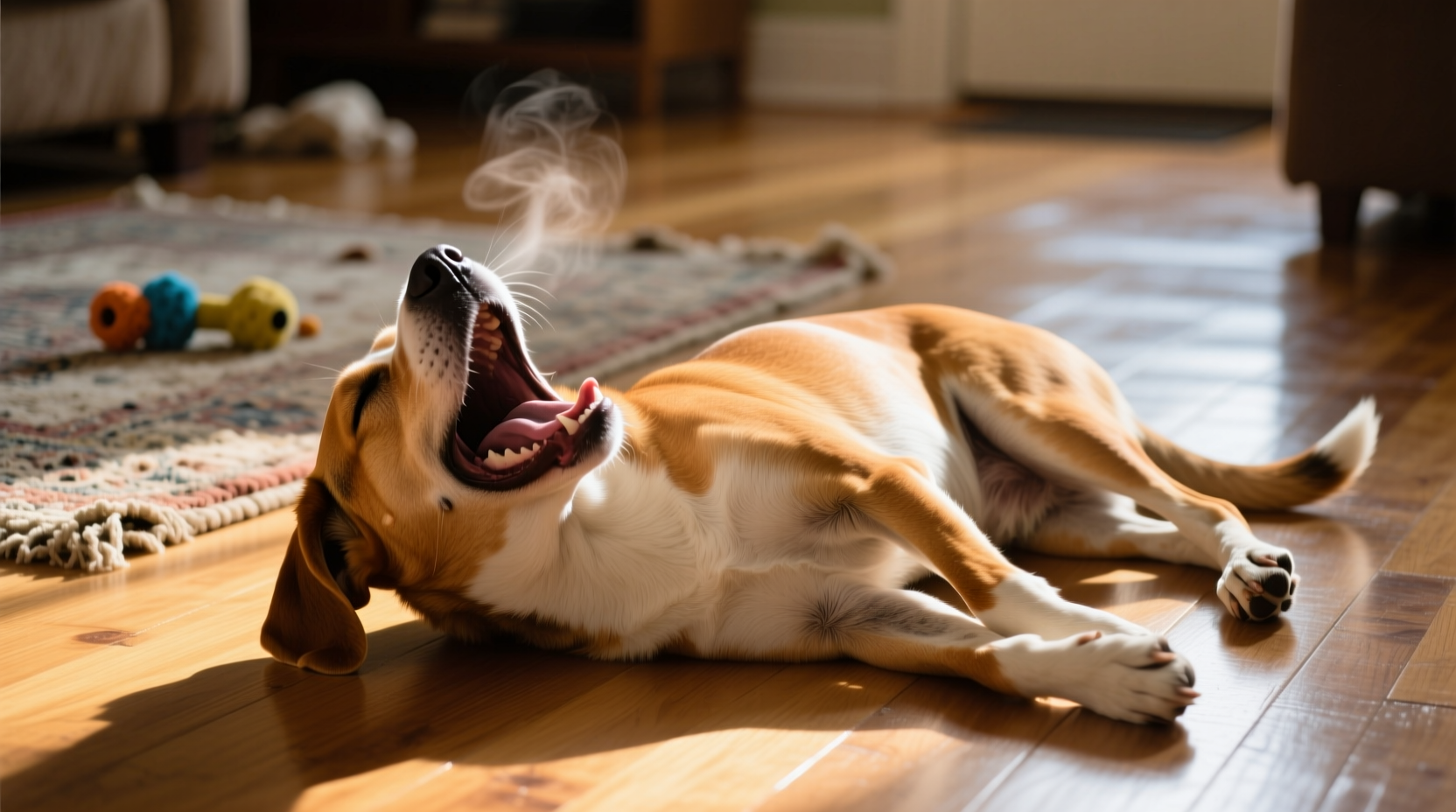
Sighing in dogs, like in humans, is a physiological act involving a deep inhalation followed by a slow, prolonged exhalation. It occurs during transitions between states—such as shifting from alertness to relaxation or after physical activity. Research in animal behavior suggests that sighing plays a role in resetting breathing patterns and regulating emotional states.
In dogs, a post-lie-down sigh often coincides with muscle relaxation. After standing, walking, or engaging in play, lying down signals a shift into rest mode. The sigh acts as a physical release, similar to how humans might let out a breath when sinking into a comfortable chair. This reflex helps stabilize lung function and may even reduce stress levels.
“Dogs use vocalizations and body language to express internal states. A well-timed sigh is one of the clearest indicators of contentment or relief.” — Dr. Laura Bennett, Veterinary Ethologist
Normal vs. Abnormal Sighing: Key Differences
Not all sighs are created equal. While many are benign expressions of comfort, others may point to underlying issues. Recognizing the difference lies in observing the full behavioral context.
A normal sigh typically features:
- Occurs after activity or during transition to rest
- Accompanied by relaxed body posture (loose muscles, soft eyes, possibly half-closed)
- Happens occasionally, not constantly throughout the day
- No signs of distress such as panting, trembling, or reluctance to move
In contrast, concerning sighing may include:
- Frequent or repetitive sighing without clear triggers
- Tense body posture despite lying down
- Other symptoms like coughing, labored breathing, or lethargy
- Appearing uncomfortable or restless after lying down
Common Reasons Dogs Sigh After Lying Down
Understanding the motivation behind the sigh can ease unnecessary worry and deepen your bond with your pet. Here are the most frequent causes:
1. Physical Relief After Exertion
After even mild activity—fetch, a walk around the block, or excited greetings—dogs may sigh upon lying down as their bodies transition from action to rest. The sigh reflects a drop in heart rate and muscle tension, especially in breeds prone to bursts of energy followed by deep recovery naps.
2. Emotional Contentment
Just as humans might sigh with satisfaction after a good meal, dogs often sigh when they feel safe and content. This is particularly common after receiving affection, settling into a favorite spot, or reuniting with their owner. These sighs are low-pitched, slow, and often paired with a head tilt or eye roll.
3. Communication of Calm
Dogs use sighs as part of their social signaling toolkit. In multi-dog households or around children, a sigh can be a pacifying gesture—indicating “I’m no threat” or “I’m done with this interaction.” It’s a non-confrontational way to de-escalate tension.
4. Attention-Seeking Behavior
Some dogs learn that dramatic sighs elicit responses—whether it's laughter, petting, or verbal acknowledgment. Over time, they may exaggerate the behavior to gain attention, especially if previously rewarded. This is more common in intelligent, people-oriented breeds like Border Collies or Golden Retrievers.
5. Mild Discomfort or Joint Stiffness
In older dogs or those with arthritis, sighing upon lying down may reflect minor discomfort as joints settle into position. Unlike pain-related groaning, this sigh is usually brief and followed by relaxation. However, if your dog hesitates to lie down, shifts positions frequently, or whimpers, further evaluation is warranted.
When to Be Concerned: Red Flags to Watch For
While most sighing is harmless, certain patterns should prompt a veterinary consultation. Respiratory, cardiac, or musculoskeletal conditions can manifest through changes in breathing behavior.
| Behavior | May Indicate | Action Step |
|---|---|---|
| Sighing with visible abdominal effort or flared nostrils | Respiratory strain | Schedule vet check-up; consider chest X-ray |
| Repetitive sighing every few minutes | Anxiety or chronic discomfort | Monitor environment; assess for stressors |
| Sighing combined with coughing or gagging | Heart disease or tracheal issues | Urgent vet visit, especially in small breeds |
| Reluctance to lie down or stand up shortly after | Pain or orthopedic issue | Orthopedic exam and possible joint support |
| Sudden onset in previously quiet dog | Underlying illness or injury | Full physical and blood panel |
Case Example: Max, the Senior Labrador
Max, a 9-year-old Labrador, began sighing loudly every time he lay down on his bed. His owner initially thought it was just old-dog drama—until she noticed he started avoiding stairs and lagging on walks. A vet visit revealed early-stage hip dysplasia. With anti-inflammatory medication and a joint supplement regimen, Max’s comfort improved significantly, and the excessive sighing decreased. This case highlights how subtle behavioral changes can be early warnings of physical decline.
How to Respond: Practical Steps for Dog Owners
Your response to your dog’s dramatic sighing depends on whether it’s typical behavior or a symptom needing intervention. Use the following checklist to guide your actions.
Dog Sighing Checklist
- ✅ Observe the timing: Does it happen after activity, during rest, or randomly?
- ✅ Check body language: Are ears relaxed? Is the tail loose? Are eyes soft?
- ✅ Note frequency: Is it once a day or every 10 minutes?
- ✅ Listen for other sounds: Any coughing, wheezing, or whimpering?
- ✅ Evaluate mobility: Does your dog hesitate to lie down or get up?
- ✅ Consider age and breed: Older dogs and brachycephalic breeds (e.g., Bulldogs, Pugs) are higher risk for respiratory or joint issues.
- ✅ Consult your vet if red flags appear: Don’t wait if breathing seems labored.
Supporting Your Dog’s Comfort and Well-Being
Whether the sighing is expressive or symptomatic, supporting your dog’s overall comfort is always beneficial. Simple environmental adjustments can make a big difference.
Provide Orthopedic Support
For older dogs or large breeds, invest in a high-quality orthopedic bed. Memory foam reduces pressure on joints and makes lying down and rising easier. Place beds in quiet, draft-free areas where your dog feels secure.
Maintain a Predictable Routine
Dogs thrive on consistency. Regular feeding, walking, and rest times help minimize anxiety. A calm household environment reduces the likelihood of stress-induced sighing.
Encourage Gentle Exercise
Controlled daily activity improves circulation, joint health, and mental well-being. Short, frequent walks or swimming (for dogs with joint issues) can prevent stiffness that leads to discomfort upon lying down.
Monitor Weight
Excess weight increases strain on the heart and joints. Keeping your dog at a healthy weight reduces the risk of both respiratory and orthopedic problems that could contribute to abnormal breathing patterns.
Frequently Asked Questions
Is it normal for puppies to sigh dramatically?
Yes. Puppies often sigh after play sessions as they transition into nap mode. It’s a sign of fatigue and contentment, not distress. As long as the puppy is active, eating well, and shows no breathing difficulties, dramatic sighing is typically harmless.
Can dogs sigh when they’re sad or depressed?
Dogs don’t experience sadness the same way humans do, but they can exhibit behavioral changes due to anxiety or lack of stimulation. Excessive sighing combined with withdrawal, loss of appetite, or reduced activity may indicate emotional distress. Enrichment activities, companionship, and routine can help improve mood.
Should I be worried if my dog only sighs on one side?
The side your dog lies down on isn’t directly linked to sighing. However, if your dog consistently avoids lying on one side or shows pain when pressured there, consult your vet. This could indicate localized discomfort or injury.
Conclusion: Understanding Your Dog’s Language
Your dog’s dramatic sigh is more than just noise—it’s a window into their physical and emotional state. In most cases, it’s a natural, healthy expression of relaxation or relief. But like any behavior, it deserves thoughtful observation. By learning to read the full picture—body posture, frequency, and surrounding circumstances—you become better equipped to support your dog’s well-being.
Don’t dismiss quirks as “just personality,” nor should you panic at every exhalation. Instead, cultivate awareness. Track changes over time, respond with care, and partner with your veterinarian when uncertainty arises. A sigh might just be a dog saying, “Ah, perfect,” but sometimes it’s whispering, “Something’s off.” Either way, your attention matters.




 浙公网安备
33010002000092号
浙公网安备
33010002000092号 浙B2-20120091-4
Comments
No comments yet. Why don't you start the discussion?