
Dogs often perform quirky rituals before settling in for a nap. One of the most common—and endearing—is spinning in circles before lying down. Whether your dog turns once, three times, or even seven times, this behavior is deeply rooted in instinct, comfort, and sometimes, communication. While usually harmless, there are moments when excessive spinning may point to underlying issues. Understanding the reasons behind this habit allows pet owners to distinguish between normal canine behavior and potential red flags.
The Evolutionary Roots of Spinning Behavior
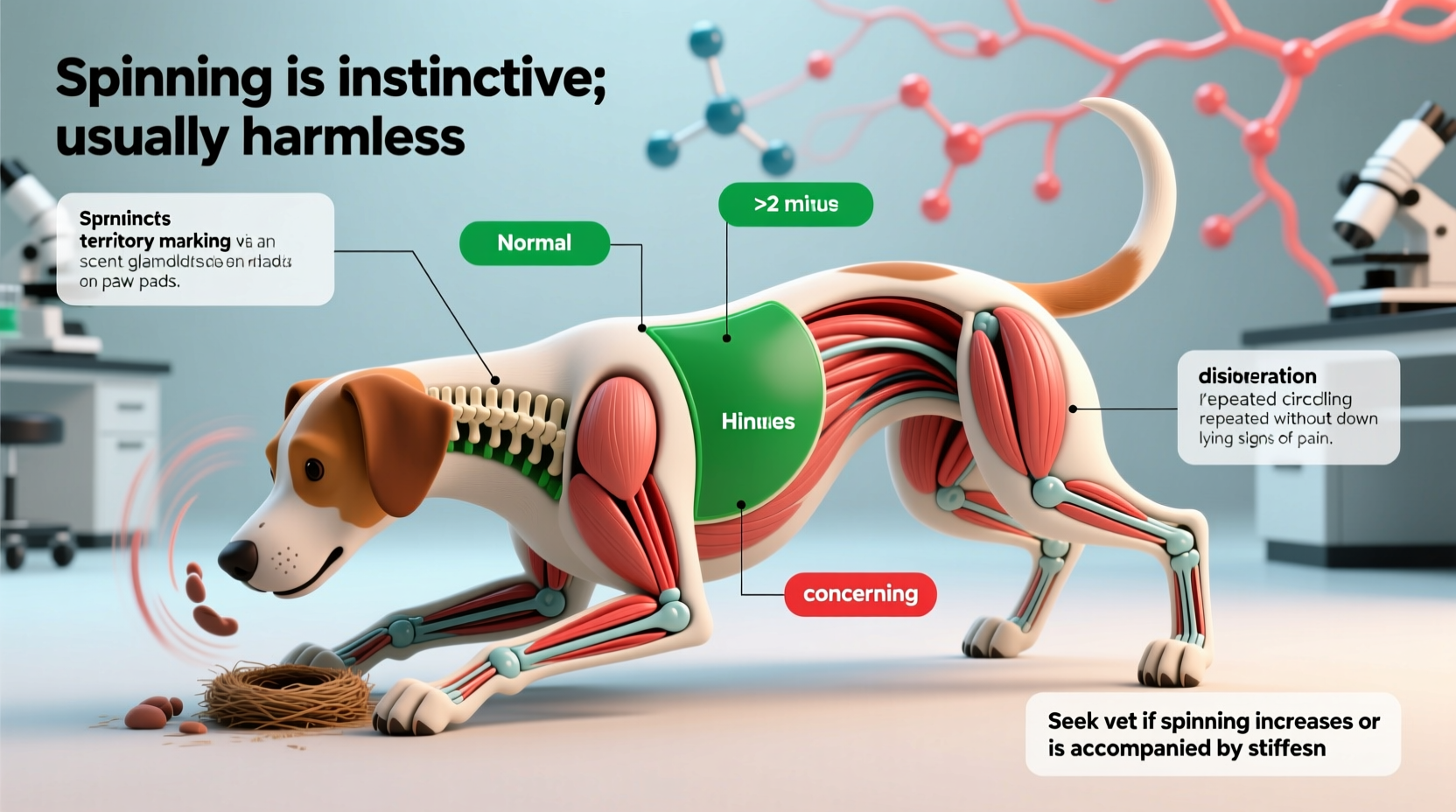
This seemingly odd routine traces back to dogs’ wild ancestors. In the wild, wolves and other canids would circle their sleeping area before lying down. This action served several survival purposes:
- Flattening terrain: Circling helped trample down grass, leaves, or snow, creating a more comfortable and level surface.
- Predator detection: As they turned, animals scanned their surroundings for threats, ensuring safety before resting.
- Temperature regulation: In colder climates, circling compacted insulating materials like foliage or fur. In warmer areas, it exposed cooler ground beneath the surface layer.
- Scent marking: Paws contain scent glands. Spinning released pheromones, marking the space as “theirs” and deterring intruders.
Modern domesticated dogs retain this inherited behavior, even when lounging on plush orthopedic beds indoors. The act has become ritualized—less about necessity and more about routine and comfort.
“Circling before lying down is one of the clearest examples of how ancestral instincts persist in today’s pets, even in environments where those instincts no longer serve a survival purpose.” — Dr. Laura Bongiorno, Veterinary Ethologist
Behavioral and Psychological Explanations
Beyond evolutionary roots, spinning serves practical and psychological functions in daily life.
Comfort Optimization
Dogs use spinning to adjust their resting position. A few rotations help them align their body comfortably, tuck their paws, and settle their spine. Much like humans fluff a pillow or shift under blankets, dogs fine-tune their environment through movement.
Routine and Ritual
Dogs thrive on predictability. Spinning becomes part of a pre-sleep ritual, signaling the brain that it's time to wind down. Disrupting such routines—especially in anxious dogs—can lead to restlessness or difficulty falling asleep.
Checking for Hazards
Even in safe homes, dogs may instinctively check their bedding for anything out of place: a crumpled blanket corner, a toy, or an uneven surface. Spinning allows them to physically and visually inspect the area before committing to rest.
When Spinning May Signal a Health Issue
While occasional spinning is normal, repetitive, frantic, or uncoordinated circling can indicate medical problems. It’s essential to recognize when this behavior shifts from ritual to symptom.
Neurological Disorders
Excessive spinning, especially if accompanied by disorientation, head tilting, or loss of balance, may point to vestibular disease or neurological conditions such as seizures or brain tumors. Older dogs are particularly susceptible to idiopathic vestibular syndrome, often mistaken for a stroke.
Pain or Discomfort
Dogs in pain—particularly from arthritis, hip dysplasia, or spinal issues—may spin repeatedly trying to find a position that relieves pressure. If your dog whimpers, hesitates before lying down, or gets up frequently during sleep, consult your veterinarian.
Cognitive Dysfunction Syndrome (CDS)
Similar to dementia in humans, CDS affects senior dogs. Symptoms include confusion, pacing, altered sleep cycles, and repetitive behaviors like aimless circling. A dog with CDS may spin without ever lying down.
Anxiety or Compulsive Disorders
In some cases, spinning becomes compulsive—driven by stress, boredom, or anxiety. Breeds predisposed to obsessive-compulsive behaviors (e.g., German Shepherds, Dobermans) are more likely to develop such habits under environmental stress.
“If a dog starts spinning multiple times without lying down, appears dazed, or shows changes in appetite or interaction, it’s time for a veterinary evaluation.” — Dr. Marcus Tran, Small Animal Neurologist
Assessing Normal vs. Abnormal Spinning: A Practical Checklist
To determine whether your dog’s spinning is within the normal range, use the following checklist:
- ✅ Spins 1–3 times before lying down
- ✅ Lies down calmly after spinning
- ✅ Shows no signs of distress or pain
- ✅ Behavior is consistent across days and environments
- ✅ Responds normally to commands and interactions
If any of these apply instead, further investigation is warranted:
- ❌ Spins more than 5 times repeatedly
- ❌ Appears dizzy, wobbly, or off-balance
- ❌ Avoids lying down despite seeming tired
- ❌ Whines, pants, or licks excessively during the process
- ❌ Performs the behavior at inappropriate times (e.g., mid-walk, in dangerous locations)
Case Study: Max, the Senior Labrador with Sudden Spinning Episodes
Max, a 10-year-old Labrador Retriever, had always spun once before lying down. His owner, Sarah, noticed he began spinning four to five times—sometimes without lying down afterward. He also started pacing at night and seemed confused in familiar rooms.
Concerned, Sarah brought Max to her veterinarian. After a full exam, including blood work and a neurological assessment, Max was diagnosed with Cognitive Dysfunction Syndrome. His spinning was part of a broader pattern of disorientation and anxiety.
With a treatment plan involving a prescription diet (high in antioxidants), a medication regimen (selegiline), and environmental enrichment (puzzle toys, structured routines), Max’s nighttime activity decreased significantly. His spinning returned to his usual once-or-twice pattern within six weeks.
This case highlights how subtle behavioral changes can be early indicators of health decline—especially in aging dogs.
Step-by-Step Guide: What to Do If Your Dog’s Spinning Changes
If you notice a shift in your dog’s spinning behavior, follow these steps to ensure their well-being:
- Observe closely: Note frequency, duration, and associated behaviors (vocalization, limping, disorientation).
- Check for physical discomfort: Gently examine joints, hips, and spine for sensitivity. Watch for stiffness when rising.
- Review recent changes: Consider new medications, dietary shifts, or environmental stressors (new pet, move, loud noises).
- Monitor sleep patterns: Track how long your dog sleeps, how often they wake, and whether they seem rested.
- Consult your veterinarian: Schedule an appointment if the behavior persists or worsens. Mention all observed symptoms.
- Follow diagnostic recommendations: Blood tests, X-rays, or neurological exams may be needed to rule out underlying causes.
- Implement treatment or management: Whether it’s pain relief, cognitive support, or behavioral therapy, consistency is key.
Do’s and Don’ts of Responding to Spinning Behavior
| Do’s | Don’ts |
|---|---|
| Do allow your dog to complete their natural routine unless it causes distress. | Don’t interrupt or scold them mid-spin—they may perceive it as correction for normal behavior. |
| Do provide a soft, supportive bed in a quiet area. | Don’t force them to lie down on a surface they avoid. |
| Do monitor for changes over time, especially in older dogs. | Don’t assume it’s “just a quirk” if new symptoms appear. |
| Do maintain a consistent daily schedule to reduce anxiety. | Don’t overlook signs of pain or neurological issues. |
| Do consult a professional if you’re unsure. | Don’t delay veterinary care for persistent abnormal behavior. |
Frequently Asked Questions
Is it normal for puppies to spin before lying down?
Yes, it’s completely normal. Even young puppies exhibit this behavior, suggesting it’s instinctive rather than learned. As they grow, the number of spins may decrease as they develop preferred resting positions.
Why does my dog spin multiple times but not lie down?
If your dog spins repeatedly without settling, it could indicate discomfort, anxiety, or cognitive issues. Painful joints may make lying down difficult, while mental confusion can disrupt the transition from activity to rest. Observe for other symptoms and consult your vet if the behavior continues.
Can I train my dog to stop spinning?
Generally, there’s no need to stop this natural behavior. However, if it becomes compulsive or excessive, behavioral intervention may be necessary. Work with a certified dog trainer or veterinary behaviorist to address underlying causes like anxiety or boredom—never punish the behavior.
Conclusion: Understanding Your Dog’s Language
Your dog’s pre-sleep spin is more than just a cute habit—it’s a window into their instincts, comfort needs, and overall health. Most of the time, it’s a harmless echo of ancient survival strategies. But like all behaviors, changes in frequency, intensity, or context matter. By paying attention to the full picture—not just the spinning, but how your dog moves, rests, and interacts—you become better equipped to support their well-being.
Healthy dogs thrive on routine, comfort, and security. When something disrupts that balance, they communicate it in ways we must learn to interpret. If you’ve noticed changes in your dog’s behavior, don’t dismiss them. A simple observation today could lead to early intervention and a better quality of life tomorrow.




 浙公网安备
33010002000092号
浙公网安备
33010002000092号 浙B2-20120091-4
Comments
No comments yet. Why don't you start the discussion?