
Dog owners often notice their pets doing strange things during bathroom breaks—sniffing in circles, kicking grass after defecating, or suddenly locking eyes just as they squat. One of the most puzzling behaviors is when a dog stares intently at its owner while pooping. It’s not just odd—it can feel invasive, even awkward. But far from being random or rude, this behavior is rooted in instinct, social dynamics, and deep-seated trust. Understanding why your dog stares at you during such a vulnerable moment reveals a lot about canine psychology and the unique bond you share.
This behavior isn’t a sign of defiance, confusion, or attention-seeking. Instead, it’s a complex blend of survival instinct, emotional connection, and communication. Dogs are highly observant animals, and even in moments of bodily function, they remain acutely aware of their surroundings—and especially of you.
The Vulnerability Factor: Why Pooping Is Risky for Dogs
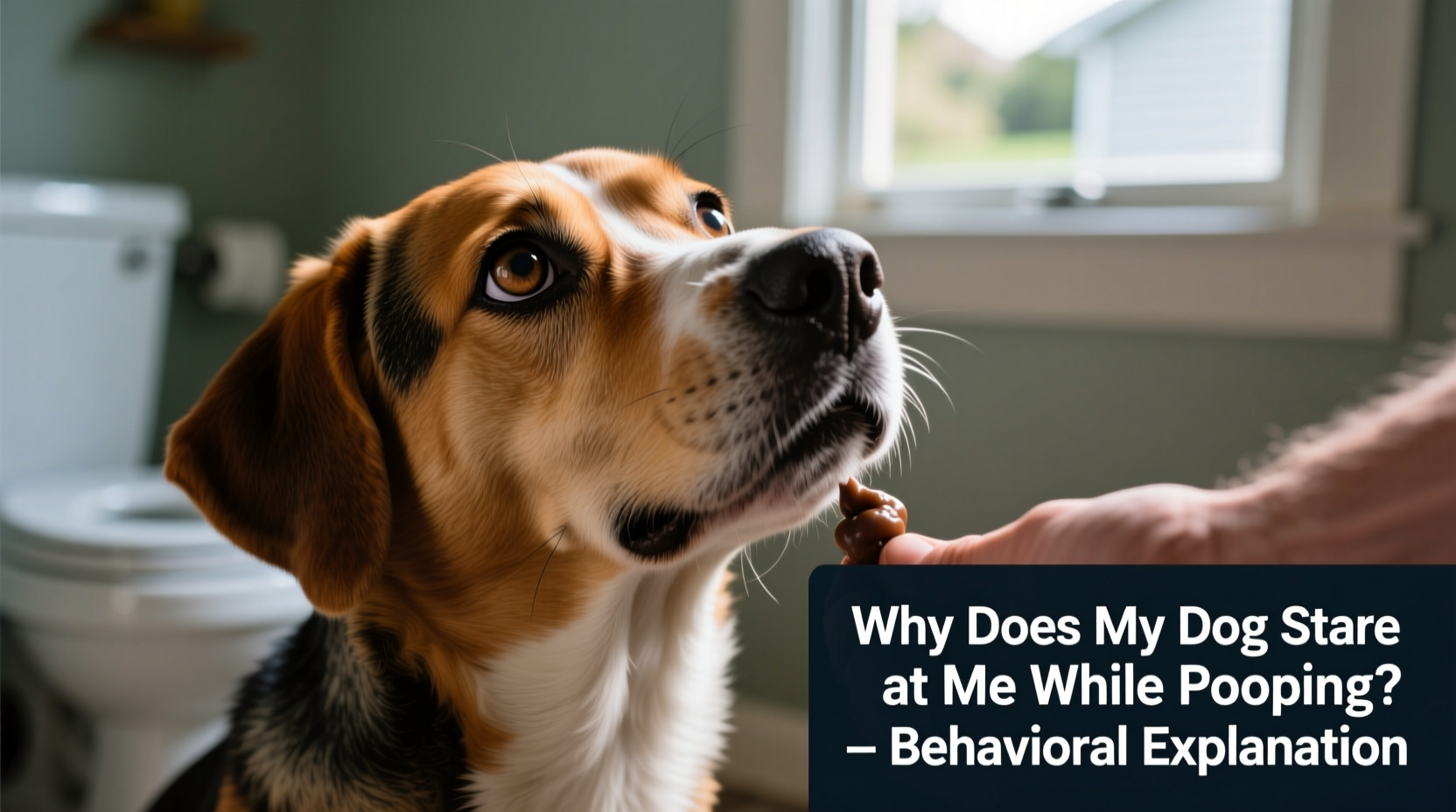
In the wild, animals lower themselves to the ground when eliminating, placing them in a physically compromised position. This posture limits mobility and makes quick escape difficult if a predator approaches. For dogs descended from wolves and other prey-aware species, defecation is one of the few times they’re truly exposed.
Your dog knows this on a primal level. Even though domestication has removed immediate threats from their environment, the instinct remains. That’s why many dogs scan their surroundings before choosing a spot, sniff repeatedly, and may even back up into bushes or against walls—to feel more protected.
When your dog stares at you while pooping, they’re essentially saying: “I’m vulnerable right now. I need to know you’ve got my back.” By maintaining eye contact, they’re monitoring your presence, your posture, and your alertness. If you’re calm and attentive, they interpret that as safety. If you turn away or appear distracted, they might finish quickly or seem uneasy.
Trust and Bonding: The Emotional Connection Behind the Stare
Dogs don’t make eye contact lightly. In fact, prolonged staring between unfamiliar dogs can be perceived as a threat. But with trusted humans, sustained eye contact triggers a biochemical response: oxytocin, the “love hormone,” increases in both the dog and the person. This same hormone surges during breastfeeding and romantic bonding in humans.
A study published in *Science* (2015) found that when dogs and their owners gazed at each other, oxytocin levels rose significantly—more so than when dogs interacted with strangers. This suggests that mutual gaze is not just communication; it’s an emotional glue.
So when your dog looks at you mid-poop, they’re not just checking for danger—they’re reinforcing their emotional bond with you. They’re including you in a private moment because they see you as family, pack, and protector all in one. It’s one of the highest forms of canine trust.
“Eye contact from a dog during vulnerable activities like eating, sleeping, or eliminating is a profound indicator of attachment and confidence in their human.” — Dr. Karen Becker, DVM, Animal Behavior Specialist
Communication and Context: What Your Dog Might Be Trying to Say
While safety and bonding are primary drivers, your dog’s stare can also carry nuanced messages depending on context. Consider these possibilities:
- “Are we done after this?” – Many dogs learn the routine: go outside → eliminate → go back inside. The stare could be anticipatory, checking if you’re ready to end the outing.
- “I need help” – If your dog seems tense, whining, or straining, the eye contact may signal discomfort. They’re asking for reassurance or indicating pain.
- “You’re part of this ritual” – Dogs thrive on routine. You’re present every time they eat, sleep, walk, and play. So naturally, they include you in elimination too.
- “Watch me!” – Some dogs are simply proud of completing the task, especially if they’ve been trained to go on command. The look says, “I did it! Praise me!”
Context matters. A relaxed, soft-eyed gaze differs from a wide, tense stare. Observe your dog’s body language: ears forward or relaxed, tail neutral or wagging slightly, breathing steady. These signs suggest comfort. If they’re stiff, trembling, or avoiding eye contact despite glancing back, they may feel anxious or unwell.
Do’s and Don’ts When Your Dog Stares While Pooping
How you respond can either reinforce security or unintentionally create stress. Use this simple guide to support healthy behavior.
| Do’s | Don’ts |
|---|---|
| Maintain calm, quiet presence | Stare back intensely or make sudden movements |
| Stand slightly to the side, facing forward | Turn your back or walk away mid-process |
| Use a soft voice to reassure (“Good job, buddy”) | Punish or rush them if they don’t go immediately |
| Wait patiently until they’re fully finished | Yank the leash or try to move them prematurely |
| Offer praise once they’re done | Laugh, record, or make them feel embarrassed |
Real-Life Example: How One Owner Learned to Read the Stare
Sarah, a first-time dog owner in Portland, was baffled when her rescue terrier mix, Milo, began staring at her every time he squatted. At first, she thought he was misbehaving or trying to manipulate her. She’d laugh nervously and say, “Milo, stop watching me while you poop!”
After consulting a trainer, she learned that Milo’s stare wasn’t odd—it was meaningful. As a former stray, he had spent months surviving on the streets, where vulnerability meant danger. Now, in a safe home, he still needed confirmation that someone was guarding him during weak moments.
Sarah changed her approach. Instead of reacting with humor, she stood quietly beside him, speaking softly. Over time, Milo’s gaze became less intense, his body looser. He no longer looked anxious. The behavior didn’t stop—but its emotional weight shifted from fear to trust.
“It hit me that he wasn’t being weird,” Sarah said. “He was being honest. He was saying, ‘I need you.’ And now, that look feels like a gift.”
Step-by-Step: How to Respond to the Poop Stare (Without Stress)
If your dog’s bathroom gaze makes you uncomfortable, here’s how to handle it constructively:
- Stay Calm – Breathe deeply and avoid fidgeting. Your energy affects your dog’s sense of safety.
- Position Yourself Strategically – Stand slightly behind or to the side of your dog, facing outward. This mimics a protective stance without looming over them.
- Limit Direct Eye Contact Back – Softly glance at your dog occasionally, but don’t lock eyes. Blink slowly to signal non-threat.
- Speak Gently (If Needed) – Use a low, soothing tone: “You’re okay, I’m here.” Avoid high-pitched excitement.
- Wait Patiently – Let your dog finish at their own pace. Rushing can lead to incomplete elimination or anxiety.
- Reinforce Afterward – Once they’re done, offer praise or a treat. This reinforces the entire process—including your supportive presence.
Frequently Asked Questions
Is it normal for my dog to stare at me while pooping?
Yes, it’s completely normal and often a sign of trust. Dogs view their owners as pack members and seek reassurance during vulnerable acts like eliminating. As long as your dog isn’t showing signs of distress, the behavior is healthy.
Should I look back at my dog when they stare while pooping?
Soft, brief glances are fine, but avoid intense staring. In canine communication, prolonged direct eye contact from a dominant figure can feel threatening. Instead, use slow blinks or look away gently to signal safety.
What if my dog never stares at me during potty breaks?
Not all dogs do. Some are more independent, while others focus entirely on the task. Breed, personality, and past experiences influence this. Lack of staring doesn’t mean lack of trust—observe other bonding behaviors like tail wags, leaning, or seeking proximity.
Conclusion: Seeing the Stare in a New Light
The next time your dog locks eyes while pooping, resist the urge to laugh or look away in embarrassment. That gaze is layered with meaning: instinctual caution, emotional dependence, and unwavering trust. It’s a reminder that your dog sees you not just as a feeder or walker, but as a guardian, companion, and confidant—even in the messiest moments.
By responding with patience and presence, you strengthen that bond and help your dog feel safer in their world. You don’t need to change the behavior—just understand it. And in doing so, you honor the depth of your relationship with a creature who, in his own quiet way, is saying, “I trust you with everything I am.”




 浙公网安备
33010002000092号
浙公网安备
33010002000092号 浙B2-20120091-4
Comments
No comments yet. Why don't you start the discussion?