
Dogs are expressive, curious creatures whose behaviors often reflect their environment, emotional state, and physical well-being. One of the more puzzling actions pet owners report is their dog staring intently at a blank wall. While occasional odd behavior can be harmless, persistent or intense wall-staring may point to underlying issues ranging from boredom to neurological disorders. Understanding the difference between normal quirks and warning signs is essential for responsible pet care.
This article explores the possible explanations behind why dogs stare at walls, distinguishes between behavioral and medical causes, and outlines when it’s time to consult a veterinarian. Whether your dog has recently developed this habit or you’re simply seeking to better interpret canine body language, the insights here will help you make informed decisions about your pet’s health and happiness.
Common Behavioral Reasons for Wall-Staring
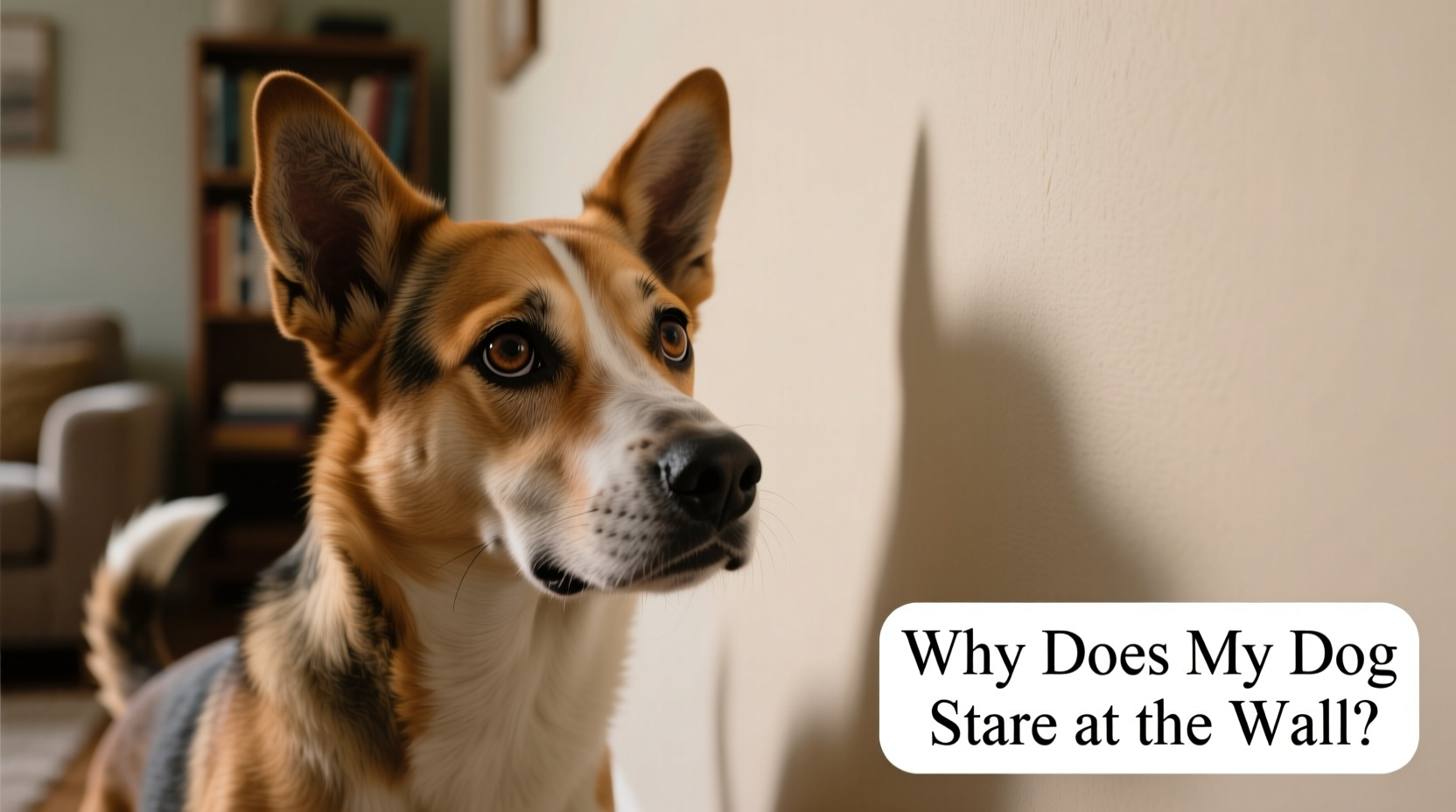
Not every instance of wall-gazing indicates a problem. Dogs perceive their surroundings differently than humans, and some of their seemingly strange behaviors have logical, non-medical explanations.
- Tracking movement: Tiny insects, dust particles, or shadows cast by light sources can capture a dog’s attention. Their vision is especially sensitive to motion, so even minor flickers on a wall may appear significant.
- Responding to sounds: Dogs hear frequencies beyond human range. A buzzing electrical outlet, HVAC system, or rodent inside the wall might prompt focused listening and staring.
- Boredom or lack of stimulation: In under-stimulated environments, dogs may fixate on objects out of mental fatigue. This repetitive behavior can become a habit, similar to pacing or tail-chasing.
- Anticipation or learned behavior: If staring at a particular wall has previously led to attention, treats, or playtime (even unintentionally), your dog may repeat the action expecting a reward.
When Wall-Staring Signals a Health Concern
While many cases are benign, prolonged or frequent wall-staring—especially when paired with other symptoms—can indicate medical distress. The most concerning conditions include:
Epilepsy and Seizure Activity
Dogs can experience partial (focal) seizures that don’t always involve convulsions. During these episodes, a dog may appear “zoned out,” remain still, and stare unblinkingly at a wall. These episodes can last seconds to minutes and may be followed by confusion, disorientation, or excessive licking.
“Focal seizures in dogs are often mistaken for odd behavior. Owners report their pets ‘spacing out’ or staring into nothingness—these can be subtle but significant neurological events.” — Dr. Lena Torres, Veterinary Neurologist, DACVIM
Cognitive Dysfunction Syndrome (CDS)
Similar to dementia in humans, CDS affects older dogs and leads to confusion, altered sleep patterns, and disoriented behaviors. A senior dog pacing at night or staring at walls for extended periods may be experiencing cognitive decline.
Vision or Hearing Impairment
Dogs losing sight or hearing may orient toward walls due to spatial confusion. They might press their head against surfaces or follow them closely, sometimes appearing to stare as they rely on remaining senses.
Canine Compulsive Disorder (CCD)
Like humans with OCD, dogs can develop compulsive behaviors such as flank sucking, shadow chasing, or repetitive staring. These often arise from stress, anxiety, or lack of routine and can escalate without intervention.
Key Warning Signs That Require Veterinary Attention
Not all wall-staring demands immediate concern, but certain red flags should not be ignored. Use the following checklist to assess whether your dog’s behavior warrants professional evaluation.
- Staring lasts longer than 1–2 minutes without response to stimuli.
- Episodes occur multiple times per week or increase in frequency.
- Accompanied by twitching, drooling, or jerking movements.
- Followed by disorientation, wandering, or excessive licking (especially of the air or floor).
- Observed primarily at night or during low-light hours.
- Paired with changes in appetite, activity level, or house-training habits.
- Dog appears “unreachable” during the episode.
Diagnostic Process: What to Expect at the Vet
If your dog meets any of the above criteria, schedule an appointment with your veterinarian. Diagnosis typically involves a multi-step approach to rule out or confirm underlying conditions.
Step-by-Step Diagnostic Timeline
- Initial Consultation: The vet will ask detailed questions about the behavior—duration, frequency, triggers, and associated symptoms.
- Physical and Neurological Exam: Assesses reflexes, coordination, pupil response, and overall brain function.
- Blood Work and Urinalysis: Rules out metabolic issues like liver disease or kidney dysfunction that can affect brain function.
- Imaging (MRI or CT Scan): Conducted at specialty clinics to detect brain lesions, tumors, or structural abnormalities.
- EEG (Electroencephalogram): Though less commonly used in general practice, EEGs can detect abnormal electrical activity consistent with seizures.
- Referral to a Veterinary Neurologist: Recommended if a seizure disorder or progressive neurological condition is suspected.
Early diagnosis significantly improves treatment outcomes, particularly for conditions like epilepsy or cognitive decline. Medications, environmental adjustments, and behavioral therapies can greatly enhance quality of life.
Case Example: Max, a 9-Year-Old Border Collie
Max’s owner noticed he began standing motionless in the hallway each evening, staring at a blank section of wall for up to three minutes. At first, she assumed he was reacting to noises from the neighbor’s apartment. But when Max started drooling and walking in circles afterward, she recorded a video and brought it to her vet.
Blood tests were normal, but an MRI revealed a small lesion in the temporal lobe consistent with focal seizures. Max was prescribed levetiracetam, an anti-seizure medication. Within two weeks, the staring episodes decreased from daily to once every few weeks, and eventually stopped altogether with dosage adjustment.
This case underscores the importance of documentation and timely veterinary consultation—even subtle behaviors can have serious underlying causes.
Do’s and Don’ts: Managing Wall-Staring Behavior
| Do’s | Don’ts |
|---|---|
| Record videos of the behavior to show your vet. | Ignore repeated or worsening episodes. |
| Maintain a consistent daily routine for feeding, walks, and sleep. | Punish or yell at your dog during or after an episode. |
| Provide mental enrichment: puzzle toys, training games, sniff walks. | Assume the behavior is “just old age” without evaluation. |
| Use blackout curtains or white noise machines if environmental triggers are suspected. | Delay veterinary care due to fear of cost or invasive procedures. |
| Keep a symptom journal noting date, time, duration, and post-episode behavior. | Give human medications without veterinary guidance. |
Prevention and Support Strategies
While not all causes of wall-staring are preventable, proactive care can reduce risks and support long-term brain health.
- Nutrition: Diets rich in antioxidants, omega-3 fatty acids, and medium-chain triglycerides (MCTs) support cognitive function. Consider vet-approved supplements like Senilife or fish oil.
- Exercise: Daily physical and mental activity helps regulate brain chemistry and reduces anxiety-driven behaviors.
- Sleep hygiene: Ensure your dog has a quiet, dark, comfortable place to rest. Disrupted sleep can exacerbate neurological symptoms.
- Environmental safety: Minimize exposure to toxins (e.g., pesticides, lead paint) and ensure household electronics aren’t emitting high-frequency sounds.
Frequently Asked Questions
Is it normal for puppies to stare at walls?
Puppies are naturally curious and may stare at moving lights or shadows. However, repeated unexplained staring is not typical and should be evaluated, especially if accompanied by tremors or lack of responsiveness. Seizure disorders can occur at any age.
Can stress cause my dog to stare at walls?
Yes. Chronic stress or anxiety—such as from loud noises, separation, or changes in routine—can lead to compulsive behaviors. Staring may serve as a displacement activity or evolve into a full-blown compulsion if not addressed through behavioral modification and environmental management.
What’s the difference between zoning out and having a seizure?
Zoning out may involve brief moments of inattention, but the dog responds quickly to their name or touch. Seizure-related staring involves a fixed gaze, no response to stimuli, and often a glassy-eyed appearance. Post-episode confusion, panting, or aimless wandering strongly suggests a neurological event.
Conclusion: Trust Your Instincts and Act Early
Dogs communicate largely through behavior, and while staring at a wall might seem trivial, it can be a window into their neurological and emotional state. Many causes are manageable—some even preventable—with timely intervention. The key is vigilance: paying attention not just to what your dog does, but how often, how long, and what happens before and after.
You know your dog best. If something feels off, it’s worth investigating. Whether the cause is environmental, behavioral, or medical, early action can prevent suffering and extend your pet’s healthy years. Don’t wait for symptoms to worsen. Document the behavior, consult your veterinarian, and advocate for your dog’s well-being.




 浙公网安备
33010002000092号
浙公网安备
33010002000092号 浙B2-20120091-4
Comments
No comments yet. Why don't you start the discussion?