
A squeaky door is more than just a minor annoyance—it disrupts quiet mornings, interrupts late-night movements, and can even signal underlying wear. The good news? Most causes are easy to diagnose and even easier to fix. With the right approach, you can silence that grating noise in under a minute using common household items. Understanding the mechanics behind the sound and applying targeted fixes not only restores peace but also prolongs the life of your door hardware.
The Science Behind the Squeak
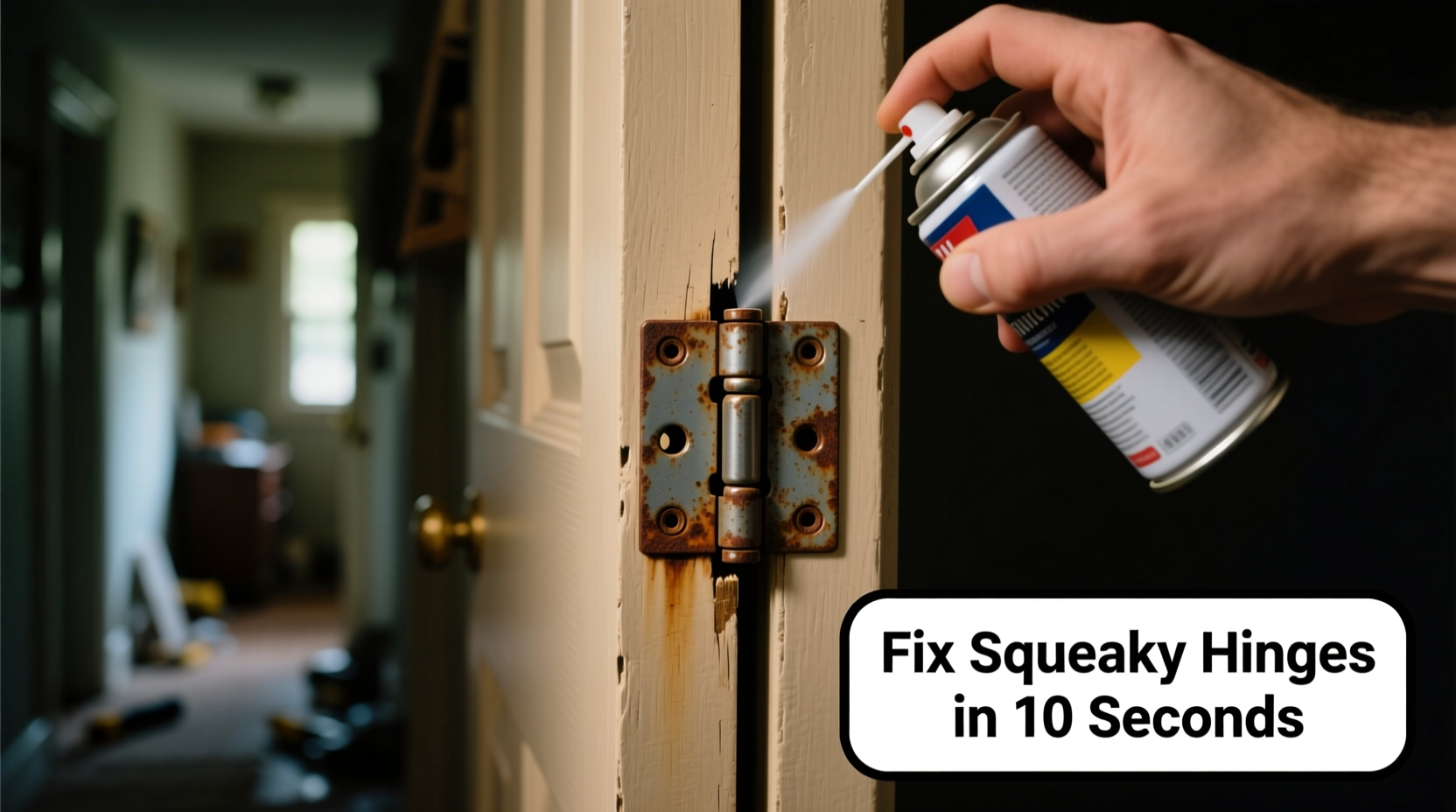
Door squeaks originate from friction between moving metal parts—primarily hinges. When two metal surfaces rub without proper lubrication, they vibrate at high frequencies, producing that familiar high-pitched sound. Over time, dust, dirt, and moisture contribute to corrosion or galling, worsening the issue. Even slight misalignment from settling foundations or frequent use can increase pressure on hinge pins, accelerating wear and amplifying noise.
Hinges are engineered for smooth rotation, but their performance depends on consistent maintenance. Most interior doors have three hinges, each bearing part of the door’s weight. A single compromised hinge can affect the entire system, leading to uneven stress and amplified squeaking. Environmental factors like humidity and temperature fluctuations also play a role, especially in older homes where wood expands and contracts seasonally.
“Over 90% of door squeaks come from dry or dirty hinge pins. In most cases, lubrication resolves the issue immediately.” — Mark Delaney, Residential Carpenter & Hardware Specialist
Common Causes of Door Squeaking
Not all squeaks are created equal. Identifying the root cause ensures you apply the right solution instead of masking symptoms. Here are the most frequent culprits:
- Dry hinge pins: Lack of lubrication is the #1 reason. Metal-on-metal contact generates friction and noise.
- Dirt and debris buildup: Dust, pet hair, and grime accumulate around hinges, acting as abrasives.
- Rusted or corroded hinges: Especially common in bathrooms, kitchens, or humid climates.
- Loose hinge screws: When screws loosen, the hinge shifts slightly, increasing friction and instability.
- Warped door or frame: Seasonal swelling or structural settling alters alignment, straining hinges.
- Low-quality hinges: Cheap stamped steel hinges wear faster and lack precision engineering.
How to Fix a Squeaky Door Quietly in Seconds
Silencing a squeaky door doesn’t require tools, disassembly, or mess—especially if you act quickly. The following method works silently and efficiently, ideal for nighttime fixes when disturbing others is a concern.
Step-by-Step: Lubricate Without Removing the Pin
- Open the door fully to expose the hinge joints.
- Hold a lubricant (preferably a dry PTFE spray like silicone or graphite) near the top of the hinge pin.
- Spray a small burst—just 1–2 seconds—directly into the gap between the pin and hinge barrel.
- Immediately open and close the door 5–10 times to work the lubricant into the joint.
- Wipe away any excess with a soft cloth to prevent dripping or staining.
This technique avoids the need to remove the hinge pin, eliminating clattering noises from tools or falling hardware. It’s particularly useful for upstairs bedrooms or shared living spaces where quiet is essential.
Alternative Household Solutions
If you don’t have specialized lubricants on hand, several common items work in a pinch:
- Candle wax: Rub a white paraffin candle on the hinge pin while rotating the door.
- Pencil lead (graphite): Sharpen a pencil and rub the exposed graphite into the hinge crevice.
- Coconut oil (sparingly): Use a cotton swab to apply a tiny amount—effective but may attract dust over time.
When to Remove the Hinge Pin for Deep Maintenance
If quick lubrication fails, the hinge may need deeper attention. This process takes slightly longer but delivers lasting results. Perform it during daylight or when noise isn’t a concern.
Safe Pin Removal Process
- Place a thin shim (like a folded piece of cardboard) under the door to support its weight.
- Use a flat-head screwdriver and hammer to tap the bottom of the hinge pin upward. Strike gently to avoid bending.
- Once the pin is removed, clean it with a rag and mild solvent (rubbing alcohol works well).
- Inspect the pin and hinge knuckles for pitting or rust. Light sanding with fine steel wool can restore smoothness.
- Reinsert the pin after applying a long-lasting lubricant like lithium grease or silicone spray.
Repeat for each squeaky hinge. Realigning the door during reassembly ensures smooth operation and prevents future strain.
Checklist: Complete Hinge Maintenance Routine
- ✅ Support door with a shim before removing pins
- ✅ Tap pin upward gently with screwdriver and hammer
- ✅ Clean pin and hinge with rubbing alcohol
- ✅ Inspect for rust or deformation
- ✅ Apply dry lubricant (silicone or graphite)
- ✅ Reinstall pin and test door motion
- ✅ Tighten hinge screws if loose
Do’s and Don’ts of Door Hinge Care
| Do’s | Don’ts |
|---|---|
| Use dry lubricants like silicone or graphite spray | Use cooking oil or butter—they attract dust and degrade |
| Tighten loose screws every 6 months | Over-tighten screws, which can strip wood |
| Wipe hinges periodically to remove dust | Ignore squeaks—they worsen over time |
| Check alignment if one hinge bears more load | Use WD-40 as a permanent solution |
| Replace bent or corroded hinges promptly | Force a stiff door open—this damages frames |
Real-Life Example: The Midnight Nursery Fix
Sarah, a new mother in Portland, struggled with a bedroom door that squeaked every time she entered her baby’s room at night. Afraid of waking the infant, she avoided closing the door completely, leading to drafts and poor sleep. One evening, she tried the silent lubrication method using a silicone spray she found in her cleaning cabinet. She applied a half-second burst to each hinge while the baby slept, then slowly opened and closed the door five times. The squeak vanished instantly. “I was shocked it took less than a minute,” she said. “Now I can move freely without fear of noise.”
This scenario highlights how a simple fix can significantly improve daily comfort—especially in sensitive environments like nurseries, home offices, or guest rooms.
Choosing the Right Lubricant: What Works Best?
Not all lubricants are suitable for door hinges. The ideal product reduces friction without attracting debris or staining surrounding materials. Here’s a breakdown of common options:
- Silicone spray: Non-staining, odorless, and effective in most indoor environments. Dries quickly and repels moisture.
- Graphite powder: Excellent for extreme temperatures and long-term use. Ideal for older homes with temperamental hinges.
- Lithium grease: Heavy-duty option for exterior or high-use doors. Can be messy if over-applied.
- PTFE (Teflon) spray: Provides a slick, dry film that resists dust buildup.
Aerosol sprays with precision nozzles allow targeted application, minimizing overspray. Always test on an inconspicuous area first if near painted or finished surfaces.
“Silicone-based lubricants are the gold standard for interior residential hinges. They last longer than oils and don’t drip.” — Carlos Mendez, HVAC and Building Systems Technician
FAQ: Common Questions About Squeaky Doors
Why does my door only squeak in winter?
Lower humidity levels in winter dry out existing lubricants, increasing metal friction. Additionally, wood shrinkage can alter door alignment slightly, placing extra stress on hinges. A quick reapplication of lubricant usually resolves the issue.
Can a squeaky door indicate a bigger problem?
Possibly. Persistent squeaking after lubrication may point to loose screws, warped frames, or failing hinges. In multi-story homes, widespread door issues could suggest structural settling. Address mechanical causes early to prevent costly repairs.
Is it safe to use WD-40 on door hinges?
It’s safe for temporary relief, especially if moisture is trapped in the hinge. However, WD-40 is primarily a water displacer, not a lubricant. It evaporates within days, often leaving behind a sticky residue that attracts dust. For lasting results, follow up with a dedicated dry lubricant.
Prevent Future Squeaks with Routine Care
Like any mechanical component, hinges benefit from preventive maintenance. Incorporate these habits into your seasonal home care routine:
- Lubricate all interior door hinges twice a year—spring and fall.
- Tighten hinge and strike plate screws quarterly.
- Wipe down hinges with a dry cloth to remove dust accumulation.
- Monitor doors that stick or feel heavy—early signs of alignment issues.
For households with children or pets, increased door usage means more frequent checks. A 30-second inspection every few months prevents 90% of recurring squeaks.
Conclusion: Silence Starts Today
A squeaky door doesn’t need to be a permanent fixture in your home. With a basic understanding of hinge mechanics and a few seconds of effort, you can eliminate noise and restore smooth, silent operation. Whether you’re protecting a sleeping baby, maintaining a peaceful workspace, or simply reclaiming comfort in your living space, the fix is fast, affordable, and entirely within reach. Don’t wait for the squeak to get worse—address it now and enjoy the immediate difference.




 浙公网安备
33010002000092号
浙公网安备
33010002000092号 浙B2-20120091-4
Comments
No comments yet. Why don't you start the discussion?