
If you’ve ever experienced a crackling, buzzing, or distorted noise in your ear that sounds like a malfunctioning speaker, you’re not alone. This unsettling auditory sensation can range from mildly annoying to deeply disruptive, especially when it persists. While the phrase “ear sounds like a broken speaker” isn’t a medical diagnosis, it’s a vivid description many people use to explain symptoms such as popping, static, distortion, or electrical-like noises in one or both ears. Understanding the underlying causes—and knowing what steps to take—can make all the difference in finding relief.
Common Causes of Speaker-Like Noises in the Ear
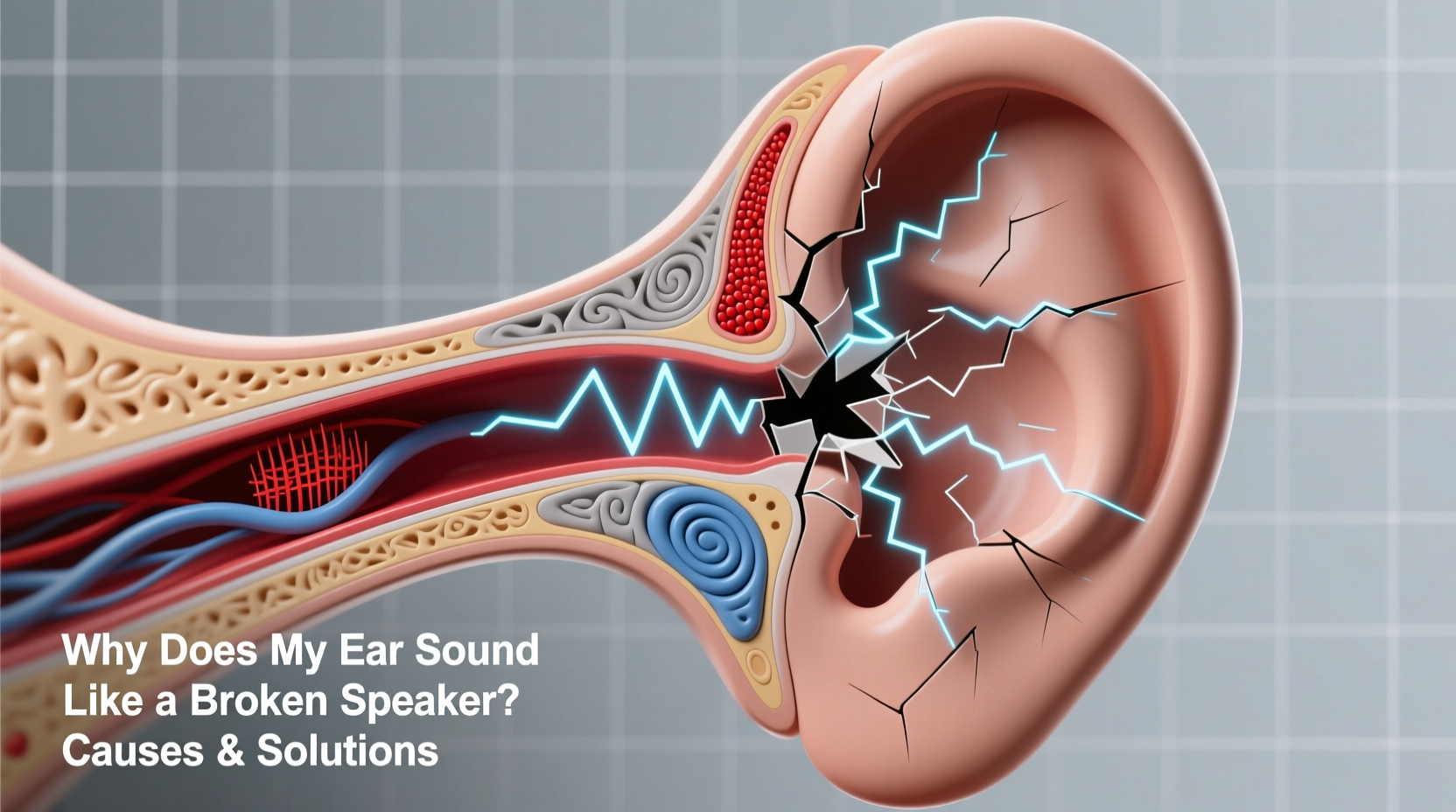
The perception of a “broken speaker” in the ear typically points to abnormal auditory signals generated within the ear or auditory pathways. These phantom or distorted sounds often stem from mechanical, neurological, or physiological disruptions. Below are the most frequent culprits:
- Tinnitus: Often described as ringing, hissing, or buzzing, tinnitus can also manifest as static, clicking, or even warped audio-like distortions. It’s usually linked to hearing loss, noise exposure, or age-related changes.
- Eustachian Tube Dysfunction (ETD): When the tube connecting your middle ear to the back of the throat becomes blocked or fails to regulate pressure properly, it can cause crackling, popping, or fluttering sounds—similar to speaker interference.
- Earwax Impaction: A buildup of wax can partially block the ear canal, distorting sound transmission and creating echoing or muffled effects that resemble poor audio quality.
- Temporomandibular Joint (TMJ) Disorders: The jaw joint is close to the ear, and inflammation or misalignment here can produce clicking, grinding, or electrical-sounding noises.
- Sensorineural Hearing Loss: Damage to the inner ear hair cells or auditory nerve may result in garbled or incomplete sound processing, leading to perceived distortion.
- Acoustic Shock or Noise Trauma: Sudden loud noises (like an explosion or feedback from headphones) can temporarily or permanently alter how sound is processed, mimicking a damaged speaker.
When to Seek Medical Evaluation
While occasional ear noises are common, persistent or worsening symptoms warrant professional attention. You should consult an audiologist or ENT specialist if:
- The sound lasts more than 48 hours without improvement.
- You experience hearing loss, dizziness, or balance issues.
- The noise is only in one ear (unilateral tinnitus).
- It follows a head injury or sudden loud noise exposure.
- You notice facial weakness or numbness alongside the sound.
“Persistent auditory distortions shouldn’t be ignored. They can signal early hearing damage or neurological conditions that benefit from early intervention.” — Dr. Lena Torres, Otology Specialist, Cleveland Clinic
Step-by-Step Guide to Immediate Relief and Diagnosis
If your ear suddenly starts sounding like a broken speaker, follow this timeline to assess and address the issue:
- Day 1: Self-Assessment
Note when the sound occurs, its nature (crackling, buzzing, etc.), whether it’s constant or intermittent, and any triggers (chewing, yawning, lying down). - Day 2: Try Pressure Equalization
Perform gentle techniques like swallowing, yawning, or the Valsalva maneuver (pinch nose and gently blow) to clear Eustachian tubes. Avoid forceful blowing. - Day 3: Check for Wax Buildup
Use over-the-counter ear drops (like carbamide peroxide) for 2–3 days if you suspect wax impaction. Do not irrigate if you have a history of eardrum perforation. - Day 4–5: Monitor Symptoms
Keep a symptom journal. If no improvement—or if symptoms worsen—schedule a hearing evaluation. - Day 6–7: See a Specialist
An audiologist can perform a hearing test (audiogram), tympanometry, and other assessments to pinpoint the cause.
Do’s and Don’ts: Managing Ear Distortions
| Action | Do | Don't |
|---|---|---|
| Cleaning ears | Use soft cloth on outer ear; consider professional cleaning | Insert cotton swabs, bobby pins, or sharp objects |
| Noise exposure | Wear hearing protection in loud environments | Listen to music at high volume through headphones |
| Managing stress | Practice mindfulness or relaxation techniques | Ignore chronic stress—it can worsen tinnitus |
| Seeking help | Visit an ENT if symptoms persist beyond a week | Self-diagnose or delay care for unilateral symptoms |
Real Example: Recovering from Acoustic Shock
Mark, a 34-year-old sound engineer, attended a live concert where a microphone feedback loop created a piercing 10-second burst of sound near his mixing station. Immediately afterward, his right ear began producing a constant buzzing with intermittent crackling—like a blown speaker. He noticed mild hearing dullness and discomfort in noisy environments.
He followed the step-by-step guide above: avoided further noise exposure, used OTC ear drops initially, then consulted an audiologist. Testing revealed mild temporary threshold shift and early signs of noise-induced tinnitus. With a regimen of sound therapy, hearing protection, and cognitive behavioral techniques, Mark’s symptoms improved significantly within six weeks. His case highlights how acute acoustic trauma can mimic electronic malfunctions but is often treatable when addressed promptly.
Long-Term Solutions and Prevention Strategies
For those prone to auditory distortions, proactive care is essential. Consider these long-term approaches:
- Hearing Protection: Use custom-molded earplugs in loud work or recreational settings (concerts, shooting ranges).
- Sound Therapy: Background white noise, nature sounds, or specialized apps can help mask tinnitus and reduce perception of distortion.
- Manage TMJ Issues: If jaw movement affects your ears, see a dentist or physical therapist specializing in TMJ disorders.
- Blood Flow Optimization: Conditions like hypertension or poor circulation can affect inner ear function. Maintain cardiovascular health through diet, exercise, and regular checkups.
- Avoid Ototoxic Medications: Some drugs (like certain antibiotics or high-dose aspirin) can damage hearing. Always discuss risks with your doctor.
Frequently Asked Questions
Can earwax really make my ear sound like a broken speaker?
Yes. Impacted earwax can block sound waves, causing echoes, muffled hearing, or distorted internal noises. Once removed by a professional, symptoms often resolve quickly.
Is it normal for my ear to crackle when I swallow?
Mild crackling during swallowing is usually due to Eustachian tube opening and is normal. However, persistent or painful crackling, especially with fullness or hearing changes, may indicate dysfunction and should be evaluated.
Could this be a sign of nerve damage?
Persistent electrical buzzing, especially if one-sided and accompanied by hearing loss, could point to auditory nerve issues such as vestibular schwannoma (acoustic neuroma). MRI imaging may be needed for diagnosis, so timely evaluation is critical.
Take Control of Your Hearing Health
Your ears are complex sensory organs, and strange sounds shouldn’t be dismissed as mere quirks. Whether the noise stems from wax, pressure imbalance, or neurological changes, identifying the root cause is the first step toward resolution. Many cases respond well to simple interventions, while others require expert care—but nearly all benefit from early action.
Protect your hearing daily, stay aware of changes, and don’t hesitate to seek help when something feels off. Your auditory health is too important to ignore.




 浙公网安备
33010002000092号
浙公网安备
33010002000092号 浙B2-20120091-4
Comments
No comments yet. Why don't you start the discussion?