
That post-cleansing sensation—when your skin feels taut, dry, or even slightly uncomfortable—is more common than you might think. While some believe this “squeaky clean” feeling is a sign of effectiveness, it’s actually a red flag. Your skin shouldn’t feel tight after washing. This sensation often signals that your skin’s natural moisture barrier has been compromised, leaving it vulnerable to irritation, dehydration, and accelerated aging. Understanding the root causes and knowing how to respond can transform your skincare routine from damaging to restorative.
What Causes That Tight Feeling After Cleansing?
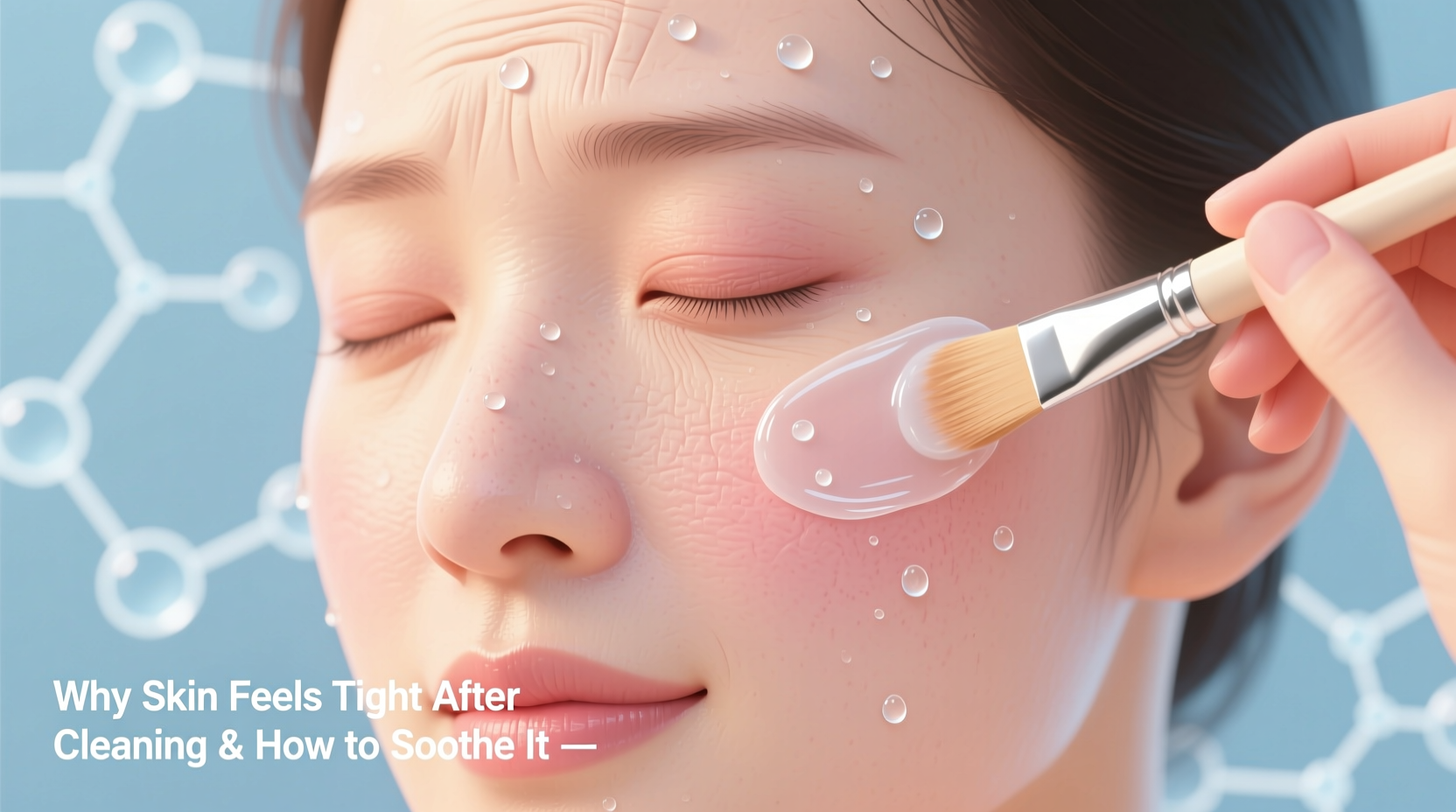
The sensation of tightness occurs when the skin loses too much water and its protective lipid layer is stripped away. The outermost layer of your skin, the stratum corneum, acts as a shield. It contains natural moisturizing factors (NMFs) and lipids like ceramides, cholesterol, and fatty acids that retain moisture and protect against environmental aggressors. When cleansing disrupts this balance, your skin responds with tightness, flaking, or even stinging.
Several factors contribute to this issue:
- Harsh surfactants: Many cleansers contain sulfates (like SLS or SLES) that aggressively remove oil, including the skin’s natural sebum.
- Over-washing: Cleansing more than twice daily or using hot water can deplete essential lipids.
- Low humidity: Dry indoor air, especially in winter, exacerbates moisture loss.
- Underlying conditions: Skin prone to eczema, rosacea, or sensitive skin types are more susceptible to barrier damage.
- pH imbalance: The skin’s natural pH is slightly acidic (around 4.5–5.5). Alkaline cleansers (pH >7) disrupt this balance, weakening the barrier.
“Tightness after cleansing is not normal. It’s a sign of transepidermal water loss and impaired barrier function.” — Dr. Lena Park, Board-Certified Dermatologist
How to Choose the Right Cleanser for Your Skin Type
The foundation of preventing post-cleanse tightness starts with selecting a compatible cleanser. Not all cleansers are created equal, and what works for oily skin may be disastrous for dry or sensitive types.
| Skin Type | Recommended Cleanser Type | Key Ingredients to Look For | Ingredients to Avoid |
|---|---|---|---|
| Dry | Cream or balm cleanser | Glycerin, ceramides, squalane, hyaluronic acid | Sulfates, alcohol, fragrance |
| Oily/Acne-Prone | Hydrating gel or micellar water | Niacinamide, glycerin, zinc | Alcohol denat., strong surfactants |
| Combination | Light milk or foam cleanser | Hyaluronic acid, panthenol, chamomile | Fragrance, essential oils |
| Sensitive | Non-foaming, fragrance-free | Allantoin, oat extract, centella asiatica | Parabens, sulfates, synthetic dyes |
A good rule of thumb: if a cleanser foams excessively, it’s likely stripping your skin. Opt for low-lather formulas that rinse cleanly without leaving residue or tightness.
Step-by-Step: How to Soothe Tight Skin Immediately
If your face already feels tight after cleansing, immediate action can help repair the barrier and restore comfort. Follow this timeline to calm and hydrate your skin:
- Rinse with lukewarm water: Avoid hot water, which further strips lipids. Pat dry gently—never rub—with a soft cotton towel.
- Apply a hydrating toner or essence: Use an alcohol-free, humectant-rich product. Look for ingredients like hyaluronic acid, glycerin, or betaine to draw moisture into the skin.
- Layer a soothing serum: Apply a serum with anti-inflammatory ingredients such as centella asiatica, niacinamide, or panthenol to reduce redness and support healing.
- Seal with a moisturizer: Lock in hydration with a rich cream containing ceramides, cholesterol, or shea butter. Oily skin types can use lighter gels, but never skip this step.
- Add facial oil (optional): For extra-dry skin, press 2–3 drops of squalane or jojoba oil over moisturizer to reinforce the lipid barrier.
- Use a humidifier: Especially at night, adding moisture to the air helps prevent ongoing water loss.
This sequence should be completed within five minutes of cleansing to minimize transepidermal water loss (TEWL).
Common Mistakes That Worsen the Problem
Even with good intentions, certain habits can sabotage your efforts to soothe tight skin:
- Using bar soaps: Traditional soaps are highly alkaline and extremely drying. They break down the skin’s acid mantle.
- Exfoliating too often: Chemical or physical exfoliants used more than 1–2 times per week can thin the barrier, increasing sensitivity.
- Skipping moisturizer to “let skin breathe”: Skin doesn’t need to “breathe” in the way people assume—it needs protection and hydration.
- Applying actives on compromised skin: Retinoids, vitamin C, or acids should be paused until the tightness resolves.
- Using tap water in hard-water areas: High mineral content can leave a film on skin and contribute to irritation.
Mini Case Study: Recovering From Over-Cleansing
Sophie, a 32-year-old marketing executive, began experiencing persistent tightness and flaking every morning. She blamed her new moisturizer but hadn’t considered her cleanser—a popular foaming gel marketed for oily skin. Despite having combination skin, she believed “deep cleaning” was necessary to prevent breakouts.
After consulting a dermatologist, Sophie learned her routine was stripping her skin. She switched to a non-foaming, ceramide-based cleanser and introduced a hyaluronic acid serum followed by a thicker moisturizer at night. Within five days, the tightness subsided. By week two, her skin felt balanced and no longer broke out more frequently—an outcome she hadn’t expected.
Her experience highlights a common misconception: aggressive cleansing doesn’t prevent acne. In fact, a damaged barrier can increase inflammation and lead to more breakouts.
Long-Term Strategies to Prevent Recurrence
Maintaining a resilient skin barrier requires consistency and smart choices. Here’s a checklist to integrate into your routine:
📋 **Barrier Support Checklist**- ✔ Switch to a gentle, pH-balanced cleanser
- ✔ Limit cleansing to twice daily (morning and night)
- ✔ Use lukewarm, not hot, water
- ✔ Always follow cleansing with hydrating products
- ✔ Incorporate ceramide-rich moisturizers 3–4 times per week
- ✔ Avoid fragranced or alcohol-heavy products
- ✔ Use a humidifier during dry seasons
- ✔ Reassess exfoliation frequency—max 1–2x/week
In addition, consider incorporating topical antioxidants like vitamin E or fermented extracts, which support lipid synthesis. For those with chronically dry or reactive skin, a dermatologist may recommend prescription barrier-repair creams or suggest patch testing for hidden sensitivities.
“The skin barrier is like a brick wall—ceramides are the mortar. Without enough, moisture escapes and irritants get in.” — Dr. Naomi Chen, Cosmetic Dermatologist
Frequently Asked Questions
Is it normal for my skin to feel tight after using a clay mask?
Some mild tightness after a clay mask is common due to drying, but it shouldn’t persist. Always follow with a hydrating serum and moisturizer. If tightness lasts more than 30 minutes, the mask may be too strong or left on too long.
Can drinking more water fix tight skin?
While internal hydration supports overall skin health, it won’t correct a damaged barrier. Topical hydration and lipid replenishment are essential. Think of it this way: drinking water helps from the inside, but your skin needs external support to retain moisture.
Should I stop cleansing if my face feels tight?
No—but you should change your method. Skipping cleansing can lead to clogged pores and breakouts. Instead, switch to a milky or balm cleanser and ensure you’re moisturizing immediately after.
Conclusion: Treat Tightness as a Warning Sign
Your skin communicates through sensations, and tightness after cleansing is a clear message: something in your routine is off. Rather than pushing through discomfort, respond with care. A healthy skin barrier feels smooth, supple, and comfortable—not tight, rough, or irritated. By choosing gentler cleansers, restoring hydration quickly, and avoiding common pitfalls, you can transform your skin from reactive to resilient.
Start tonight: examine your current cleanser, check the ingredient list, and ask yourself if it leaves your skin feeling nourished or stripped. Small changes yield lasting results. Your skin doesn’t need to be squeaky clean—it needs to be balanced, protected, and calm.




 浙公网安备
33010002000092号
浙公网安备
33010002000092号 浙B2-20120091-4
Comments
No comments yet. Why don't you start the discussion?