
It’s a familiar frustration: you wash your face with care, pat it dry, and feel that satisfying freshness—only to notice a glossy sheen creeping across your forehead and nose by mid-morning. For many, this shine isn’t just occasional; it’s a daily battle. The question “Why does my face get shiny just hours after washing it?” is more common than you might think. The answer lies in the complex biology of your skin, particularly the sebaceous glands and their response to cleansing, environment, and hormones.
Shininess on the face is primarily caused by sebum—a natural oil produced by sebaceous glands beneath the skin’s surface. While sebum is essential for protecting and moisturizing the skin, overproduction leads to that unwanted oily appearance. Understanding what triggers this overproduction is key to managing it effectively.
The Science Behind Facial Shine
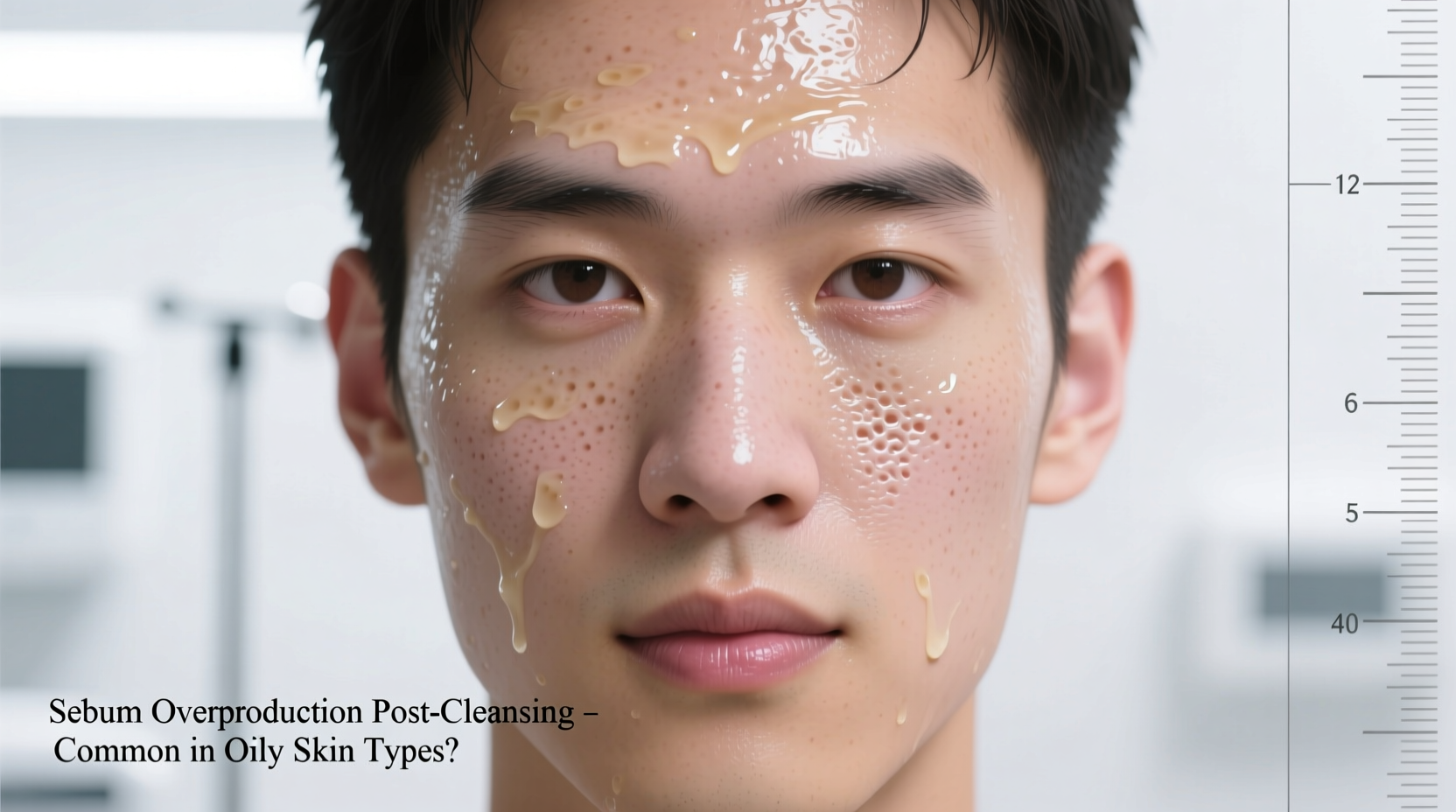
Sebum production is regulated by several factors, including genetics, hormonal fluctuations, and external stimuli. When you wash your face, especially with harsh cleansers, you strip away not only dirt and excess oil but also some of the skin’s natural moisture barrier. In response, the sebaceous glands may go into overdrive to compensate, leading to increased oil secretion within just a few hours.
This rebound effect is often referred to as “reactive seborrhea.” Dermatologists explain that aggressive cleansing tricks the skin into thinking it’s too dry, prompting it to produce more oil to restore balance. This is particularly common in people with combination or oily skin types, but even those with normal skin can experience it if their skincare routine is too stripping.
“Over-cleansing is one of the most common causes of post-wash shine. The skin reacts to being stripped by producing more oil, which defeats the purpose of washing in the first place.” — Dr. Lena Torres, Board-Certified Dermatologist
Common Triggers of Excess Oil Production
Beyond over-cleansing, several lifestyle and environmental factors contribute to rapid facial shine:
- Hormonal changes: Androgens, such as testosterone, stimulate sebaceous glands. Fluctuations during puberty, menstruation, pregnancy, or stress can increase oil production.
- Humid environments: High humidity levels can make oil more noticeable and encourage sebum secretion.
- Diet: Diets high in refined sugars and dairy have been linked to increased sebum production and acne in some studies.
- Touching your face: Frequent contact transfers oils and bacteria from hands to face, stimulating shine.
- Using comedogenic products: Skincare or makeup ingredients that clog pores can trap oil and worsen shininess.
Skincare Habits That Make Shine Worse
Many people unintentionally exacerbate oiliness through well-meaning but misguided routines. Here are common mistakes:
| Habit | Why It Backfires | Better Alternative |
|---|---|---|
| Washing face multiple times a day | Strips natural oils, triggering rebound oil production | Wash twice daily with a gentle, pH-balanced cleanser |
| Using alcohol-based toners | Dries skin and irritates, increasing sebum output | Use alcohol-free toners with soothing ingredients like witch hazel or niacinamide |
| Skipping moisturizer | Skin produces more oil to compensate for lack of hydration | Apply a lightweight, non-comedogenic moisturizer daily |
| Overusing mattifying products | Can clog pores or cause irritation, leading to imbalance | Use blotting papers or setting powders sparingly |
Effective Strategies to Reduce Midday Shine
Controlling shine isn’t about eliminating oil entirely—it’s about balance. A healthy skin barrier retains moisture without overproducing sebum. Here’s how to achieve that balance:
- Cleanse gently: Use a mild, sulfate-free cleanser formulated for oily or combination skin. Look for ingredients like salicylic acid (for exfoliation) or glycerin (for hydration).
- Incorporate niacinamide: This form of vitamin B3 helps regulate sebum production and strengthens the skin barrier. Studies show consistent use reduces oiliness within 4–8 weeks.
- Hydrate properly: Choose an oil-free, non-comedogenic moisturizer. Dehydrated skin often overcompensates with oil.
- Use blotting papers: Gently press them onto oily areas instead of wiping, which can spread oil. They’re discreet and effective for touch-ups.
- Set makeup wisely: If you wear foundation, use a mattifying primer and finish with a translucent setting powder. Avoid heavy layers that mix with oil and cause caking.
Mini Case Study: Sarah’s Morning Shine Struggle
Sarah, a 28-year-old office worker, washed her face every morning with a strong foaming cleanser, believing it would keep her skin clear and matte. By 10:30 a.m., however, her T-zone was visibly shiny, and by noon, her makeup began to slide off. Frustrated, she consulted a dermatologist who reviewed her routine. The diagnosis? Over-cleansing and skipping moisturizer.
She switched to a hydrating gel cleanser, added a niacinamide serum, and started using a light moisturizer. Within two weeks, her skin felt balanced, and shine didn’t appear until late afternoon. By month’s end, she needed blotting papers only once a day. Her skin wasn’t oil-free—but it was healthier and more comfortable.
Step-by-Step Routine for Long-Lasting Matte Finish
Follow this morning and evening routine to manage shine effectively:
- Morning:
- Wash face with lukewarm water and a gentle cleanser.
- Pat dry—don’t rub.
- Apply a serum with niacinamide or hyaluronic acid.
- Moisturize with an oil-free formula.
- Finish with a broad-spectrum SPF 30+ (non-comedogenic).
- Evening:
- Remove makeup with a micellar water or cleansing balm.
- Cleanse again with your gentle face wash.
- Use a treatment product (e.g., salicylic acid or retinoid) 3–4 times a week.
- Apply moisturizer.
- Throughout the Day:
- Blot excess oil with tissue or blotting paper.
- Avoid reapplying heavy products.
- Stay hydrated and minimize sugary foods.
Checklist: Daily Practices to Prevent Early Shine
- ✅ Wash face no more than twice daily
- ✅ Use non-comedogenic, oil-free products
- ✅ Apply moisturizer even if skin feels oily
- ✅ Include a sebum-regulating ingredient (niacinamide, salicylic acid)
- ✅ Blot—not wipe—oil during the day
- ✅ Stay hydrated and maintain a balanced diet
- ✅ Replace pillowcases every 3–4 days
- ✅ Avoid touching your face unnecessarily
Frequently Asked Questions
Is oily skin more prone to acne?
Not necessarily. While excess sebum can contribute to clogged pores and acne, many people with oily skin never develop breakouts if they maintain a proper routine. The key is keeping pores clean and preventing bacterial buildup without over-drying the skin.
Can drinking more water reduce facial shine?
Indirectly, yes. Proper hydration supports overall skin health and helps prevent dehydration-induced oil overproduction. However, drinking water alone won’t stop sebum secretion—it must be paired with a balanced skincare regimen.
Are there medical treatments for excessive oiliness?
Yes. For severe cases, dermatologists may recommend prescription treatments such as topical retinoids, oral contraceptives (for hormonal regulation), or even low-dose isotretinoin. These should only be used under medical supervision due to potential side effects.
Conclusion: Embrace Balance, Not Elimination
Facial shine a few hours after washing isn’t a flaw—it’s a sign your skin is doing its job. Sebum protects against environmental damage and keeps your complexion supple. The goal isn’t to eliminate oil but to manage it intelligently. By understanding your skin’s needs, choosing the right products, and avoiding counterproductive habits, you can significantly extend the time between washes and shine.
Consistency matters more than quick fixes. What you do daily shapes your skin’s behavior over time. Start small: swap one harsh product for a gentler alternative, add moisturizer if you’ve been skipping it, or simply commit to less face-touching. These small shifts compound into lasting results.




 浙公网安备
33010002000092号
浙公网安备
33010002000092号 浙B2-20120091-4
Comments
No comments yet. Why don't you start the discussion?