
Ferrets are naturally curious, energetic animals with a strong instinct for exploration and burrowing. If you've noticed your ferret repeatedly digging in corners—whether in a room, cage, or furniture—it's not just random behavior. This action can signal anything from natural instincts to stress or even health concerns. Understanding the underlying reasons is essential for responsible pet ownership. By observing patterns, environment, and accompanying behaviors, you can determine whether the digging is harmless or a sign of something more serious—and take appropriate steps to respond.
The Natural Instinct Behind Digging
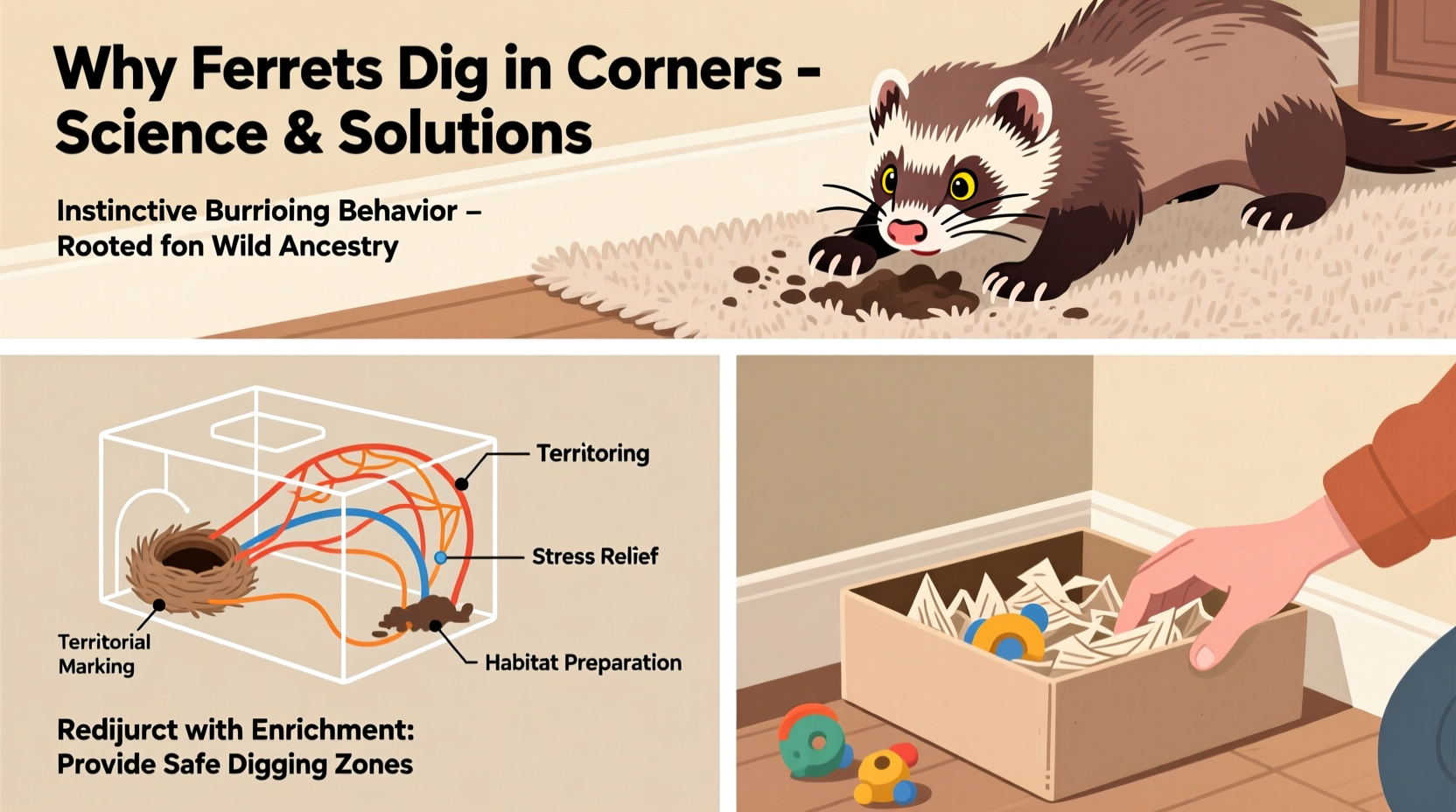
Ferrets descend from wild polecats, which are burrowing animals. In the wild, they use tunnels and dens for shelter, nesting, and hunting. Even domesticated ferrets retain these deep-rooted instincts. Digging, scratching, and tunneling behaviors are hardwired into their DNA. When your ferret digs in a corner, it may simply be acting on an innate desire to create a safe, enclosed space—much like building a den.
This behavior is especially common when a ferret feels uncertain about its surroundings or is seeking privacy. Corners provide a sense of security because two walls limit exposure, mimicking the enclosed feel of a burrow. Ferrets may also dig to mark territory, as their paws contain scent glands that leave behind subtle chemical signals.
Common Reasons Your Ferret Digs in Corners
Digging isn’t always about instinct. Several factors can trigger or amplify this behavior. Below are the most frequent causes:
- Boredom or excess energy: Ferrets require at least 3–4 hours of supervised playtime outside their cage daily. Without sufficient stimulation, they may resort to repetitive behaviors like digging.
- Stress or anxiety: Changes in environment, new pets, loud noises, or inconsistent routines can make a ferret anxious. Digging may serve as a self-soothing mechanism.
- Nesting behavior: Female ferrets (jills) or those experiencing hormonal shifts may dig to prepare a nesting area, even if not pregnant.
- Attention-seeking: If digging gets a reaction—positive or negative—from their owner, ferrets may repeat it to gain interaction.
- Medical discomfort: Pain, gastrointestinal issues, or neurological conditions can manifest as unusual behaviors, including obsessive digging.
Not all digging is problematic. Occasional corner-scratching during play or exploration is normal. The concern arises when the behavior becomes compulsive, leads to injury, or interferes with daily life.
How to Respond: A Step-by-Step Guide
If your ferret’s corner-digging seems excessive or concerning, follow this structured approach to identify and address the root cause.
- Observe the context: Note when, where, and how often the digging occurs. Is it during playtime, nap time, or after a change in routine? Does it happen only in certain rooms?
- Check for physical signs: Inspect your ferret for injuries, lethargy, diarrhea, or changes in appetite. These could indicate illness.
- Evaluate enrichment: Assess whether your ferret has enough toys, tunnels, and social interaction. Lack of mental stimulation is a leading cause of abnormal behavior.
- Modify the environment: Use deterrents like double-sided tape or aluminum foil in corners where digging is unwanted. Redirect the behavior by placing a digging box nearby.
- Consult a veterinarian: If the behavior persists or worsens, schedule a check-up with an exotic animal vet to rule out medical issues.
Patience and consistency are key. Sudden punishment or yelling will increase stress and likely worsen the behavior.
Creating a Digging-Friendly Environment
Instead of trying to eliminate digging entirely—which is neither practical nor fair—consider redirecting it into appropriate outlets. Ferrets thrive when their natural behaviors are accommodated.
A designated “digging box” can serve as a healthy alternative. Fill a shallow plastic bin with safe, non-toxic materials such as:
- Rice or dried beans (supervised only)
- Tissue paper strips
- Shredded paper (non-glossy, ink-free)
- Soft fabric scraps
Bury small treats or toys to encourage engagement. Rotate contents weekly to maintain interest. Place the box in a common area where your ferret plays, so it becomes a familiar part of their routine.
“Allowing ferrets to express natural behaviors like digging reduces stress and strengthens their psychological well-being.” — Dr. Laura Bennett, Exotic Animal Veterinarian
When Digging Signals a Problem: Red Flags to Watch For
While digging is often benign, certain patterns suggest it may be symptomatic of deeper issues. Use the following checklist to assess whether intervention is needed:
- Obsessive repetition: Digging for more than 10 minutes at a time, multiple times a day
- Self-injury: Scratched paws, broken nails, or bleeding from persistent scratching
- Aggression or withdrawal: Accompanying irritability or avoidance of interaction
- Loss of appetite or weight
- Digging only in one specific spot, especially near food or litter
- Sudden onset after environmental change (new pet, move, etc.)
If three or more of these signs apply, consult a veterinarian promptly. Compulsive behaviors in ferrets can sometimes stem from adrenal disease, insulinoma, or other common ferret illnesses.
Case Study: Max the Overstimulated Ferret
Max, a 2-year-old male ferret, began aggressively digging in the corner of his owner’s bedroom shortly after the family adopted a puppy. His owners initially thought he was adjusting slowly, but the behavior escalated—he’d scratch for hours, ignore toys, and lose interest in meals.
After ruling out medical causes through blood work, the vet suggested environmental stress as the culprit. The puppy’s presence disrupted Max’s routine, and he felt unsafe. The solution involved creating a dedicated “ferret zone” with soundproofing, a cozy hammock, and a digging box filled with crinkly paper. The owners also increased interactive playtime to rebuild Max’s confidence.
Within three weeks, the corner-digging stopped. Max returned to normal eating habits and resumed playing with his favorite tunnel toy. This case highlights how behavioral changes often reflect emotional needs rather than defiance or boredom.
Do’s and Don’ts of Handling Corner-Digging Behavior
| Do’s | Don’ts |
|---|---|
| Provide alternative digging materials like paper or fabric-filled bins | Scold or punish your ferret for digging |
| Ensure your ferret gets daily supervised play and exercise | Ignore sudden changes in behavior or appetite |
| Use positive reinforcement when your ferret uses the digging box | Use toxic materials (e.g., treated wood, plastic bags) in digging areas |
| Monitor for signs of illness or stress | Assume all digging is “just playful” without assessing context |
| Consult an exotic vet if behavior becomes obsessive | Leave your ferret unsupervised with loose materials that could be ingested |
Frequently Asked Questions
Is it normal for my ferret to dig in the corner of its cage?
Yes, especially if the cage has bedding material. Ferrets often dig to create a nest-like depression for sleeping. As long as the behavior isn’t excessive and the ferret appears healthy, this is considered normal. However, ensure the bedding is safe (e.g., avoid cedar or pine shavings, which are toxic).
Can digging be a sign of illness in ferrets?
It can. While occasional digging is typical, sudden or obsessive digging—especially when paired with lethargy, loss of appetite, or hair loss—may indicate underlying conditions like adrenal disease or insulinoma. These are common in ferrets over three years old and require veterinary diagnosis and treatment.
How can I stop my ferret from digging on furniture?
Prevention works better than correction. Cover tempting spots with removable protectors like fleece throws or vinyl corner guards. Simultaneously, offer attractive alternatives—a digging box or tunnel system—placed nearby. Reward your ferret with praise or a treat when they choose the appropriate outlet.
Conclusion: Understanding Builds Better Bonds
Your ferret’s corner-digging isn’t just a quirky habit—it’s a form of communication. Whether expressing instinct, seeking comfort, or reacting to stress, this behavior offers insight into your pet’s inner world. By responding with empathy, observation, and proactive care, you can support your ferret’s well-being while minimizing unwanted damage.
Start today by enriching their environment with safe digging options, ensuring regular vet check-ups, and paying closer attention to behavioral cues. Small adjustments can lead to significant improvements in your ferret’s happiness and longevity.




 浙公网安备
33010002000092号
浙公网安备
33010002000092号 浙B2-20120091-4
Comments
No comments yet. Why don't you start the discussion?