
Finger twitching—especially in the ring or pinky finger—is a surprisingly common experience, particularly after long days, intense mental focus, or physical strain. While these small, involuntary muscle contractions are usually harmless, they can be unsettling or distracting. When fatigue sets in, the likelihood of experiencing finger twitches increases significantly. Understanding why this happens involves exploring how the nervous system, muscles, and lifestyle factors interact under stress and exhaustion.
This article breaks down the physiological mechanisms behind finger twitching during fatigue, identifies key triggers, and provides practical, science-backed solutions to reduce or eliminate these spasms.
The Science Behind Finger Twitching
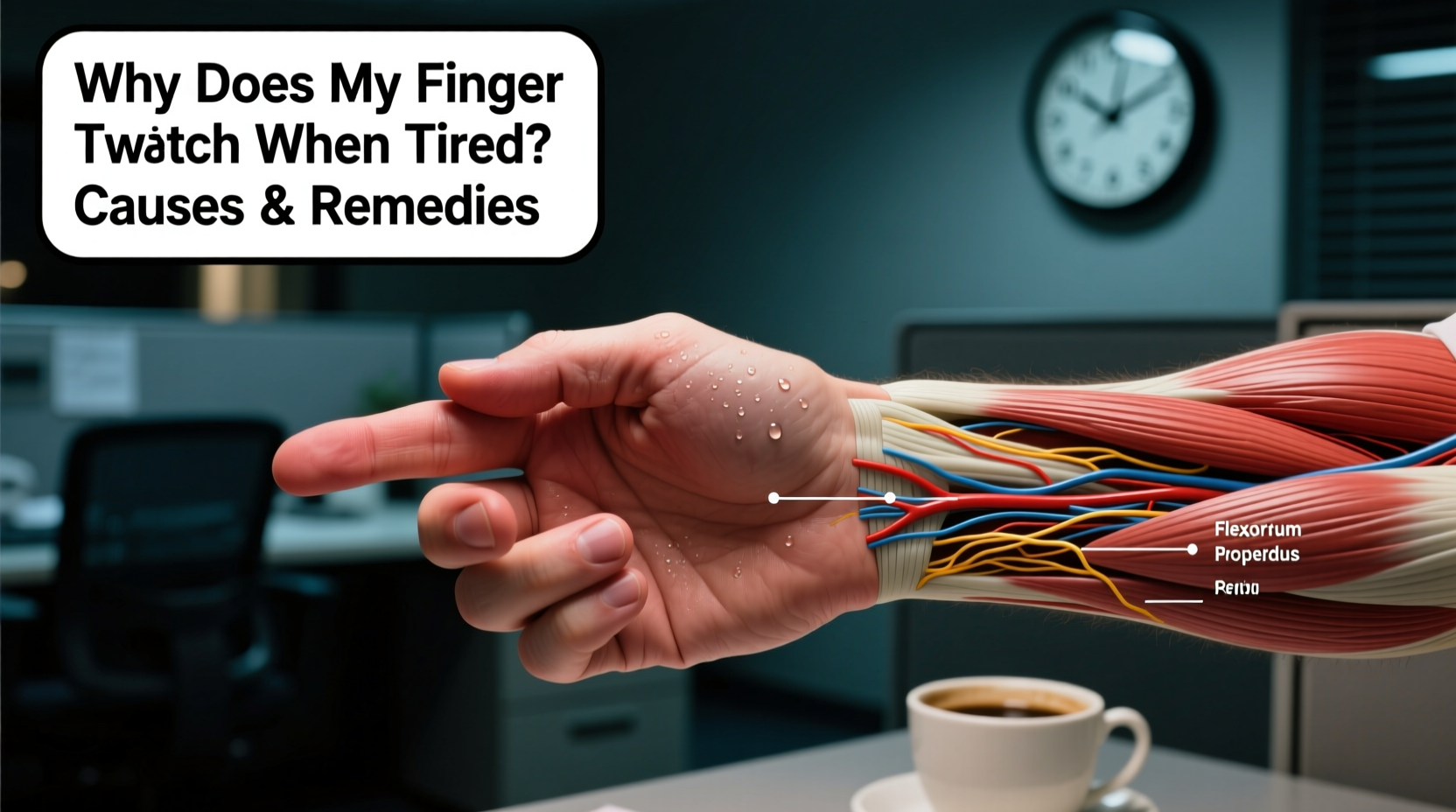
Finger twitching, medically referred to as fasciculations, occurs when small groups of muscle fibers contract involuntarily. These twitches are typically caused by spontaneous discharges from motor neurons—the nerve cells that control muscle movement. Under normal conditions, these neurons fire in a controlled manner. However, when the body is fatigued, the balance between nerve signaling and muscle response can become disrupted.
During periods of tiredness, especially after prolonged use of the hands (such as typing, playing an instrument, or using tools), the neuromuscular junctions—the points where nerves meet muscles—can become overstimulated. This overactivity may lead to erratic firing, resulting in visible twitching. The fingers, being densely packed with fine motor nerves and small muscles, are particularly sensitive to such imbalances.
“Muscle twitches related to fatigue are generally benign and self-limiting. They reflect the nervous system’s attempt to recalibrate after exertion.” — Dr. Lena Patel, Neurologist at Boston Neuromuscular Center
Common Causes of Finger Twitching When Tired
While fatigue is often the primary catalyst, several underlying factors contribute to or exacerbate finger twitching. Recognizing these can help determine whether the twitching is a temporary response to stress or a sign of a deeper issue.
1. Muscle Fatigue and Overuse
Repetitive hand movements—common among office workers, musicians, gamers, and manual laborers—can exhaust the small muscles in the hand. When these muscles don’t get adequate rest, they may respond with spasms or tremors, especially during recovery phases.
2. Electrolyte Imbalance
Electrolytes like potassium, magnesium, calcium, and sodium play critical roles in nerve signaling and muscle contraction. Dehydration or poor diet—frequent companions of chronic fatigue—can disrupt electrolyte levels, increasing the risk of muscle irritability and twitching.
3. Stress and Anxiety
Psychological stress activates the sympathetic nervous system, increasing adrenaline and cortisol levels. This heightened state can cause peripheral nerve excitability, leading to muscle twitches—even in resting states. Mental fatigue compounds this effect, making finger twitching more likely during or after stressful workdays.
4. Caffeine and Stimulant Intake
High consumption of caffeine, nicotine, or energy drinks can overstimulate the central nervous system. When combined with physical or mental exhaustion, this stimulation lowers the threshold for muscle spasms, particularly in fine motor areas like the fingers.
5. Sleep Deprivation
Chronic lack of sleep impairs the body’s ability to regulate neurotransmitters and repair neural pathways. During deep sleep, the brain resets motor neuron activity. Without sufficient rest, neurons may misfire, causing random twitches in the extremities.
When to Be Concerned: Red Flags
In most cases, occasional finger twitching due to tiredness is not a cause for alarm. However, certain symptoms warrant medical evaluation, as they could indicate neurological conditions such as carpal tunnel syndrome, peripheral neuropathy, or, rarely, ALS (amyotrophic lateral sclerosis).
Seek professional advice if you notice any of the following:
- Twitching that persists for weeks without improvement
- Muscle weakness or loss of coordination in the hand
- Numbness, tingling, or burning sensations alongside twitching
- Spreading of twitching to other muscle groups (arm, shoulder, face)
- Visible muscle atrophy or shrinking in the hand
“If twitching is isolated, intermittent, and resolves with rest, it’s almost always benign. But persistent or asymmetric twitching should be evaluated by a neurologist.” — Dr. Marcus Tran, Clinical Neurophysiologist
Effective Remedies and Prevention Strategies
Addressing finger twitching effectively requires a multi-pronged approach focused on reducing fatigue, supporting nerve health, and optimizing lifestyle habits. Below are proven strategies to manage and prevent these spasms.
Dietary Adjustments for Nerve and Muscle Health
Maintaining balanced electrolyte levels is crucial. Deficiencies in magnesium and potassium are frequently linked to muscle cramps and twitching. Incorporating nutrient-dense foods into your daily routine can make a significant difference.
| Nutrient | Role in Muscle/Nerve Function | Top Food Sources |
|---|---|---|
| Magnesium | Regulates neuromuscular signals and prevents hyperexcitability | Spinach, pumpkin seeds, black beans, dark chocolate |
| Potassium | Supports proper muscle contraction and fluid balance | Bananas, sweet potatoes, coconut water, white beans |
| Calcium | Essential for muscle fiber activation | Dairy, kale, fortified plant milks, sardines |
| Vitamin B12 | Maintains myelin sheath integrity around nerves | Eggs, salmon, fortified cereals, nutritional yeast |
Hydration and Its Impact on Twitching
Dehydration is a silent contributor to muscle spasms. Even mild dehydration can alter ion concentrations in the bloodstream, affecting how nerves communicate with muscles. Aim for 2–3 liters of water per day, adjusting for activity level and climate.
Hand and Wrist Ergonomics
Poor ergonomics increase strain on the median and ulnar nerves, which control finger movement. Prolonged typing or phone use in awkward positions can compress these nerves, heightening twitch sensitivity when tired.
To improve ergonomics:
- Keep wrists neutral while typing—use a padded wrist rest if needed
- Position your monitor at eye level to avoid hunching
- Take micro-breaks every 30 minutes to stretch your hands and arms
- Use voice-to-text software to reduce typing load when fatigued
Step-by-Step Guide to Reducing Finger Twitching
Follow this six-step plan to address the root causes of fatigue-related finger twitching and restore neuromuscular balance.
- Assess Your Daily Habits: Track caffeine intake, sleep duration, screen time, and physical activity for three days to identify potential triggers.
- Optimize Sleep Hygiene: Go to bed and wake up at consistent times. Avoid screens one hour before bed and keep your bedroom cool and dark.
- Replenish Electrolytes: Consume a balanced meal or smoothie with magnesium, potassium, and calcium each evening.
- Stretch and Mobilize: Perform hand and forearm stretches twice daily. Gently pull each finger back for 15 seconds; rotate wrists clockwise and counterclockwise.
- Limit Stimulants: Reduce caffeine to less than 200mg per day (about one strong coffee) and avoid it after 2 PM.
- Practice Relaxation Techniques: Engage in 10 minutes of deep breathing, meditation, or progressive muscle relaxation to calm the nervous system.
Real-Life Example: A Case Study
Sarah, a 34-year-old graphic designer, began noticing her left ring finger twitching frequently after late-night design sessions. Initially dismissive, she became concerned when the twitching persisted into mornings and was accompanied by mild numbness. After consulting her doctor, she discovered she was mildly deficient in magnesium and averaging only 5.5 hours of sleep per night.
Following a structured plan—adding magnesium glycinate supplements, switching to decaf tea, implementing hourly stretch breaks, and prioritizing 7–8 hours of sleep—her symptoms resolved within three weeks. Sarah now maintains a nightly routine that includes hydration, stretching, and digital detox, and has not experienced recurrence.
Frequently Asked Questions
Can anxiety really cause my finger to twitch?
Yes. Anxiety increases nervous system arousal, leading to higher motor neuron excitability. This can manifest as muscle twitches, especially in the hands and eyes. Managing stress through mindfulness or therapy often reduces these symptoms.
Is finger twitching a sign of a serious neurological condition?
In isolation, no. Most cases are benign and tied to lifestyle factors. However, if twitching spreads, worsens, or is paired with weakness or atrophy, consult a neurologist to rule out conditions like ALS or neuropathy.
How long does it take for twitching to go away after improving sleep and diet?
Many people notice improvement within 1–2 weeks of consistent changes. Full resolution may take 3–4 weeks, depending on severity and adherence to lifestyle adjustments.
Conclusion: Take Control of Your Neuromuscular Health
Finger twitching when tired is a common, usually temporary response to physical and mental strain. By understanding the interplay between fatigue, nutrition, and nerve function, you can take proactive steps to prevent these spasms. Small changes—like improving hydration, adjusting your workspace, or prioritizing sleep—can have a profound impact on your overall neuromuscular well-being.
You don’t need to accept constant twitching as a normal part of modern life. Listen to your body, implement the strategies outlined here, and give your nervous system the care it deserves. If symptoms persist despite your efforts, seek guidance from a healthcare provider to ensure there are no underlying conditions.




 浙公网安备
33010002000092号
浙公网安备
33010002000092号 浙B2-20120091-4
Comments
No comments yet. Why don't you start the discussion?