
Finding the perfect foundation shade can feel like a major victory—until you check your mirror a few hours later and realize it’s turned noticeably darker, often with an unflattering orange cast. This common issue, known as oxidation, affects countless makeup wearers regardless of skin type or brand preference. It doesn’t mean you made a bad purchase or applied it incorrectly; rather, it’s a chemical reaction influenced by your skin chemistry, environmental factors, and product formulation. Understanding why oxidation happens is the first step toward preventing it. More importantly, there are practical, easy-to-implement solutions that can help maintain your foundation’s original tone from morning to night.
What Is Foundation Oxidation?
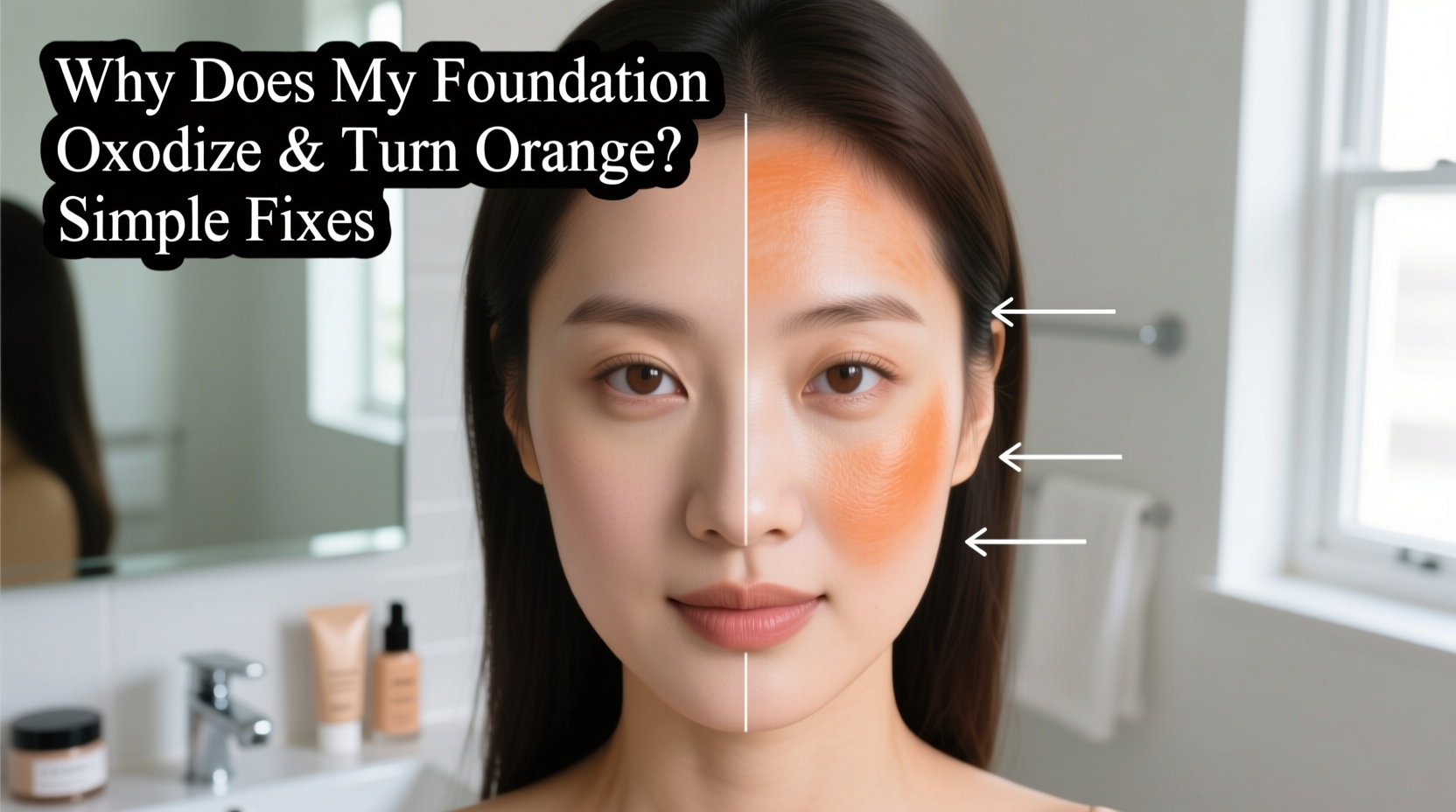
Oxidation occurs when the ingredients in your foundation react with oxygen in the air and compounds on your skin, such as natural oils, sweat, and pH levels. This chemical process alters the color pigments in the formula, typically causing the foundation to darken or shift toward an orange or yellow-orange hue over time. Unlike settling into pores or blending with sebum (which changes texture), oxidation actually changes the color itself.
This phenomenon isn't always predictable. A foundation that performs perfectly for one person may oxidize rapidly on someone else—even if they have similar skin tones. That’s because individual biochemistry plays a major role. Factors like sebum production, skin pH, and even diet can influence how quickly and severely oxidation occurs.
Common Causes of Foundation Oxidation
To effectively combat oxidation, it helps to understand what triggers it. While no single cause applies universally, several recurring culprits stand out based on dermatological research and cosmetic chemist insights.
Skin’s Natural pH and Oil Production
Human skin has a slightly acidic pH, averaging between 4.5 and 5.5. When foundation—a mixture of water, oils, emulsifiers, and pigments—meets this environment, certain ingredients may destabilize. Ingredients like iron oxides (commonly used for warm undertones) are particularly reactive. High sebum production accelerates this interaction, especially in T-zone areas where oil glands are most active.
Incompatible Skincare Products
Your moisturizer, sunscreen, or facial oil might be sabotaging your foundation. Products containing alcohol, high concentrations of vitamin C, or acidic exfoliants (like glycolic or salicylic acid) create a reactive surface. These ingredients alter the skin’s pH temporarily, increasing the likelihood of pigment breakdown upon contact with foundation.
Foundation Formula Composition
Some formulations are inherently more prone to oxidation due to their ingredient profiles. Foundations rich in oils, silicones, or certain antioxidants may react more readily with atmospheric oxygen. Additionally, liquid foundations tend to oxidize faster than powders because of their higher water and emollient content.
Exposure to Air and Light
Even before application, prolonged exposure to air inside the bottle can initiate oxidation. Foundations stored in clear containers or left open for extended periods are more vulnerable. Over time, the pigments degrade, making them more likely to shift once applied.
“Oxidation is less about poor quality and more about compatibility. The same foundation can perform flawlessly on one person and oxidize rapidly on another due to biochemical differences.” — Dr. Lena Torres, Cosmetic Chemist & Formulation Specialist
Simple Fixes to Prevent Foundation Oxidation
The good news is that oxidation can be managed—and often prevented—with a few strategic adjustments to your routine. You don’t need to overhaul your entire makeup collection. Instead, focus on refining your prep, layering order, and product choices.
1. Adjust Your Skincare Layering Order
Allow each skincare product to fully absorb before moving to the next step. In particular, wait at least 5–7 minutes after applying acidic treatments (like vitamin C serums or chemical exfoliants) before applying moisturizer and foundation. This gives your skin time to rebalance its pH and reduces reactivity.
2. Use a Barrier Primer
A silicone-based or neutral-toned primer creates a buffer between your skin and foundation. Look for primers labeled “pore-blurring” or “smoothing,” as these often contain dimethicone, which forms a protective film. This barrier limits direct interaction between your skin’s oils and the foundation pigments.
3. Switch to Less Reactive Formulas
Mineral-based or powder foundations generally oxidize less because they lack the liquid carriers that facilitate chemical reactions. If you prefer liquids, opt for water-based or hybrid formulas instead of oil-heavy ones. Brands that specialize in sensitive skin or acne-prone complexions often formulate with stability in mind.
4. Conduct a Patch Test Before Full Application
Always test new foundations on your jawline and wait 20–30 minutes to observe any color change. Do this in natural light to catch subtle shifts. Testing in artificial lighting may mask early signs of oxidation.
5. Store Foundation Properly
Keep your foundation in a cool, dark place away from humidity and direct sunlight. Avoid leaving it in hot cars or steamy bathrooms. Pump or tube packaging is preferable to open jars, which expose more product to air with each use.
Step-by-Step Guide to Applying Foundation Without Oxidation
Follow this optimized routine to minimize oxidation risk and extend wear time:
- Cleanse and Tone: Start with a gentle cleanser followed by a non-acidic toner to balance skin pH.
- Apply Treatment Serums (if needed): Use vitamin C or exfoliants earlier in your routine—or at night—to avoid daytime reactivity.
- Morning Moisturizer: Choose a lightweight, fragrance-free moisturizer. Let it sink in completely (5–7 minutes).
- Sunscreen: Apply a mineral-based or low-reactivity chemical sunscreen. Allow 5 minutes to dry down.
- Primer: Use a silicone-based primer focused on oily zones. Wait 2 minutes before proceeding.
- Foundation Application: Shake the bottle well, then apply with a damp sponge or brush. Work quickly but evenly.
- Set Immediately: Lock in the base with a translucent setting powder, especially on the forehead, nose, and chin.
- Final Check: Reassess your foundation in natural light after 15 minutes. Make touch-ups only if necessary using a matching concealer.
This method ensures minimal interference between reactive layers and maximizes the integrity of your foundation’s original shade.
Do’s and Don’ts: Foundation Oxidation Prevention Table
| Do’s | Don’ts |
|---|---|
| Use a pH-balancing toner before moisturizing | Layer acidic serums right before foundation |
| Choose foundations in opaque, airtight packaging | Store foundation in clear bottles exposed to sunlight |
| Apply primer as a protective barrier | Skimp on waiting time between skincare steps |
| Opt for water-based or mineral formulas if oxidation persists | Assume a darker shade means you chose the wrong color initially |
| Blot excess oil with tissue paper, not additional powder | Over-powder throughout the day, which can intensify orange tones |
Real-Life Example: Sarah’s Foundation Struggle
Sarah, a 32-year-old marketing professional with combination skin, consistently struggled with her favorite full-coverage foundation turning orange by midday. She initially believed she had chosen too warm a shade. After switching to three different brands—all labeled “neutral” or “cool beige”—she faced the same result. Frustrated, she consulted a makeup artist who reviewed her routine.
The breakthrough came when she realized she was applying a potent vitamin C serum every morning, followed immediately by moisturizer and foundation. The low pH of the serum was reacting with the iron oxide pigments in her foundation, triggering rapid oxidation. By simply moving her vitamin C to her nighttime routine and switching to a gentler morning antioxidant serum, her foundation stayed true to color for over eight hours. She also began using a silicone primer, which further stabilized the base. No product change was needed—just smarter layering.
Checklist: How to Stop Foundation Oxidation
- ✅ Assess whether your foundation darkens within 15 minutes (sign of oxidation)
- ✅ Review your skincare ingredients—avoid acids directly under makeup
- ✅ Wait 5–7 minutes between skincare layers, especially after actives
- ✅ Use a silicone-based primer to create a protective barrier
- ✅ Switch to water-based or mineral foundations if problems persist
- ✅ Store foundation in a cool, dark place and avoid jar packaging
- ✅ Test new foundations on your jawline and monitor for 30 minutes
- ✅ Set makeup with translucent powder to reduce oil interaction
Frequently Asked Questions
Does oxidation mean I have the wrong foundation shade?
Not necessarily. Many people assume a darker, orange-toned finish means they picked too warm a shade. However, if the foundation matches perfectly upon application but changes within 20 minutes, oxidation—not mismatched undertones—is the culprit. Always test longevity, not just initial appearance.
Can powder foundations oxidize too?
Powder foundations are far less prone to oxidation because they lack the liquid components that react with oxygen and skin oils. However, if a powder contains reactive pigments and is applied over an acidic skincare layer, minor color shifts can still occur—though much less dramatically than with liquids.
Is there a way to fix oxidized foundation once it happens?
Once oxidation occurs, you can’t reverse it on the skin. The best approach is blotting excess oil gently and layering a corrector or concealer that matches your desired tone. For future applications, adjust your routine using the strategies outlined above to prevent recurrence.
Conclusion: Take Control of Your Makeup Longevity
Oxidation doesn’t have to be an inevitable part of wearing foundation. With awareness of the science behind it and a few thoughtful adjustments to your routine, you can enjoy a flawless, consistent complexion all day. It’s not about buying more expensive products—it’s about understanding compatibility between your skin, skincare, and makeup. Small changes in timing, layering, and product selection can yield dramatic improvements in performance.




 浙公网安备
33010002000092号
浙公网安备
33010002000092号 浙B2-20120091-4
Comments
No comments yet. Why don't you start the discussion?