
Garage door openers are essential for convenience and security, but when they start acting up—refusing to respond, reversing unexpectedly, or making strange noises—it can disrupt your daily routine. Unlike consistent mechanical failures, random malfunctions are especially frustrating because they’re unpredictable and often difficult to diagnose. The root causes range from simple battery issues to deeper electrical or alignment problems. Understanding the common triggers behind these erratic behaviors is the first step toward a lasting fix. This guide breaks down the most frequent culprits, provides actionable solutions, and equips you with the knowledge to keep your garage door operating smoothly.
Common Causes of Random Garage Door Opener Malfunctions
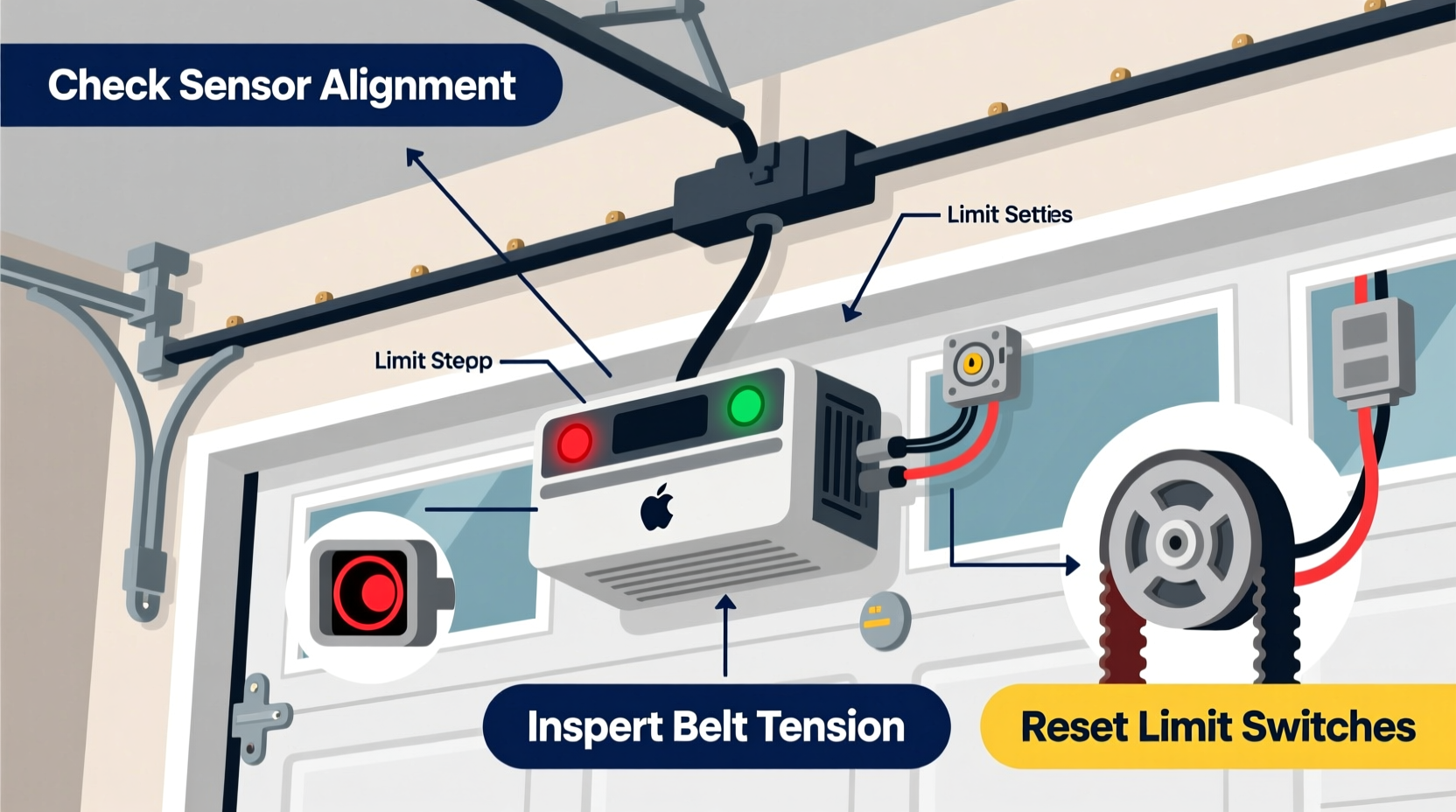
Random glitches in your garage door opener don’t always point to one single issue. Instead, multiple systems work together—electrical, mechanical, and electronic—and a failure in any part can lead to inconsistent performance. Identifying the source requires a methodical approach.
- Interference from nearby electronics: Wireless signals from baby monitors, Wi-Fi routers, or even power tools can interfere with the opener’s radio frequency, causing it to fail intermittently.
- Faulty remote batteries: Weak or corroded batteries in remotes or keypads may result in inconsistent signal transmission.
- Loose wiring or connections: Vibration over time can loosen wires inside the motor unit or wall control panel, leading to intermittent power loss.
- Safety sensor misalignment: These infrared sensors must be perfectly aligned. Even a slight bump can cause the door to reverse or refuse to close.
- Worn gears or drive mechanisms: Older belt-driven or chain-driven openers may develop internal wear that leads to sporadic operation.
- Power supply fluctuations: Voltage drops or surges from the outlet or home electrical system can affect the opener’s logic board.
Step-by-Step Troubleshooting Guide
Before calling a technician, conduct a thorough diagnostic process. Many random malfunctions can be resolved at home with basic tools and careful observation.
- Test all access points: Use each remote, keypad, and the hardwired wall switch. If only one device fails, the problem is likely isolated to that unit.
- Check remote batteries: Replace them even if they seem functional. Corrosion on battery contacts can also interrupt connectivity.
- Inspect safety sensors: Look at the small LED lights on each sensor near the base of the door. A steady green or amber light indicates proper alignment; flickering or red means misalignment.
- Realign safety sensors: Gently adjust the brackets so both sensors face each other directly. Clean lenses with a soft cloth to remove dust or cobwebs.
- Examine wiring: Turn off power at the breaker, then open the motor housing (if accessible) to check for frayed or disconnected wires.
- Reset the opener: Unplug the unit for 30 seconds, then plug it back in. This clears temporary glitches in the logic board.
- Check for interference: Temporarily turn off nearby electronics like routers or fluorescent lights to see if performance improves.
Do’s and Don’ts When Diagnosing Opener Issues
| Action | Do | Don't |
|---|---|---|
| Battery Replacement | Replace every 1–2 years; clean contacts with rubbing alcohol | Use expired or mixed battery types |
| Sensor Maintenance | Align sensors so LEDs stay solid; mount securely away from foot traffic | Ignore blinking lights or cover sensors with tape |
| Remote Testing | Test within 20 feet of the opener; ensure line of sight | Assume remotes are faulty without testing the wall switch |
| Electrical Checks | Use a dedicated circuit; verify outlet voltage with a multimeter | Plug into extension cords or overloaded outlets |
| Lubrication | Apply silicone-based lubricant to rails, rollers, and chains annually | Use WD-40 or oil-based products that attract dirt |
Real-World Example: Intermittent Failure Due to Sensor Misalignment
Mark, a homeowner in Portland, noticed his garage door would sometimes reverse halfway down, while other times it wouldn’t close at all. The wall switch worked inconsistently, and his remotes seemed weak. After replacing batteries and resetting the unit with no success, he called a technician. Upon inspection, the technician found that one safety sensor had been nudged out of alignment by a child’s bicycle leaning against it. Though barely visible, the 5-degree angle was enough to break the infrared beam intermittently. After repositioning and tightening the bracket, the door operated flawlessly. Mark now checks his sensors quarterly and keeps the area around them clear—a small habit that prevents major headaches.
“Over 60% of ‘random’ garage door issues we see are actually due to sensor alignment or loose wiring—both easily overlooked.” — Daniel Ruiz, Certified Door Systems Technician (CDST)
When Internal Components Are the Culprit
If external factors like remotes, sensors, and power are ruled out, the problem may lie within the opener itself. Over time, internal components degrade, especially in units older than 10–15 years.
- Worn gear and sprocket: In chain-drive models, plastic gears can crack or strip, causing jerky motion or complete failure.
- Failing logic board: Surges or moisture exposure can damage the circuitry, leading to erratic behavior such as random opening or unresponsiveness.
- Motor overheating: Continuous use or poor ventilation may cause thermal overload, forcing the opener to shut down temporarily.
- Limit switch drift: These settings determine how far the door opens and closes. If they shift, the door may stop short or reverse unexpectedly.
To inspect internal parts, consult your owner’s manual for disassembly instructions. Look for signs of melted plastic, burnt smells, or excessive dust buildup. Replacing gear kits or logic boards is possible for experienced DIYers, but consider professional help if you're unsure about electrical safety.
Preventive Maintenance Checklist
Regular upkeep reduces the likelihood of random malfunctions. Perform the following tasks seasonally or semi-annually:
- ✅ Test door balance: Disconnect the opener and manually lift the door. It should rise smoothly and stay in place when opened halfway.
- ✅ Lubricate moving parts: Apply silicone spray to hinges, rollers, springs, and the chain or screw drive.
- ✅ Inspect cables and springs: Look for fraying, rust, or stretching. Do not attempt spring repairs yourself—they store dangerous tension.
- ✅ Clean sensor lenses: Wipe with a microfiber cloth to ensure clear signal transmission.
- ✅ Verify auto-reverse function: Place a roll of paper towels under the door and close it. The door should reverse upon contact.
- ✅ Tighten hardware: Check mounting bolts, rail brackets, and track fasteners for looseness.
- ✅ Update firmware (smart openers): Some modern units receive updates via Wi-Fi to improve reliability and security.
Frequently Asked Questions
Why does my garage door opener work sometimes but not others?
Intermittent operation is typically caused by weak remote batteries, misaligned safety sensors, or electrical interference. It can also indicate early signs of internal component wear, such as a failing logic board or loose wiring. Systematic testing of each element usually reveals the source.
Can weather affect my garage door opener’s performance?
Yes. Extreme cold can thicken lubricants, making movement sluggish. Humidity and condensation may lead to corrosion on electrical contacts. Rapid temperature changes can also cause metal parts to expand or contract, affecting alignment. Keeping the opener sheltered and well-maintained minimizes weather-related issues.
How long do garage door openers typically last?
Most openers last between 10 and 15 years with regular maintenance. Belt-drive models tend to last longer and run quieter than chain-drive units. Signs of aging include increased noise, slower response, and frequent resets. If repairs become frequent, replacement may be more cost-effective than continued fixes.
Final Steps: When to Repair vs. Replace
If troubleshooting doesn’t resolve the issue, evaluate whether repair or replacement makes more sense. Consider the age of the unit, repair costs, and available features. Modern openers offer enhanced security with rolling codes, smartphone integration, and battery backups—features many older models lack.
As a rule of thumb:
- If your opener is under 7 years old and the issue is isolated (e.g., remote or sensor), repair is usually worthwhile.
- If it's over 12 years old and experiencing recurring electronic or mechanical failures, replacement is often the smarter investment.
- If you value smart home integration or improved energy efficiency, upgrading even a functional unit can enhance convenience and safety.
“Replacing a 15-year-old opener isn’t just about fixing glitches—it’s an upgrade in safety, quietness, and reliability.” — National Association of Home Builders (NAHB)
Conclusion
Random garage door opener malfunctions are rarely truly random—they’re symptoms of underlying issues that, once identified, can be resolved. From simple battery replacements to sensor realignment and internal diagnostics, most problems are manageable with patience and attention to detail. Regular maintenance not only prevents surprises but extends the life of your system. By understanding how each component interacts, you gain control over your home’s functionality and security. Take action today: test your remotes, inspect your sensors, and schedule a tune-up if needed. A smoothly operating garage door isn’t just convenient—it’s peace of mind built into your daily life.




 浙公网安备
33010002000092号
浙公网安备
33010002000092号 浙B2-20120091-4
Comments
No comments yet. Why don't you start the discussion?