
A musty odor in the garage is more than just an unpleasant nuisance—it's often a red flag for excess moisture that can lead to mold growth, structural damage, and even health concerns. Unlike basements or bathrooms, garages are frequently overlooked when it comes to indoor air quality. Yet, they're especially vulnerable to dampness due to poor ventilation, concrete floors, and frequent exposure to outdoor elements. Understanding the root causes of that stale, earthy smell is the first step toward eliminating it for good.
Mustiness typically stems from mold and mildew thriving in dark, humid environments. These fungi release microbial volatile organic compounds (MVOCs), which produce the distinctive odor most people recognize as “damp.” While the scent might seem minor at first, ignoring it can result in spreading mold spores into your home, damaging stored belongings, and compromising air quality. The solution isn’t just masking the smell with air fresheners—it’s about locating and addressing the source of moisture.
Common Causes of Moisture in Garages
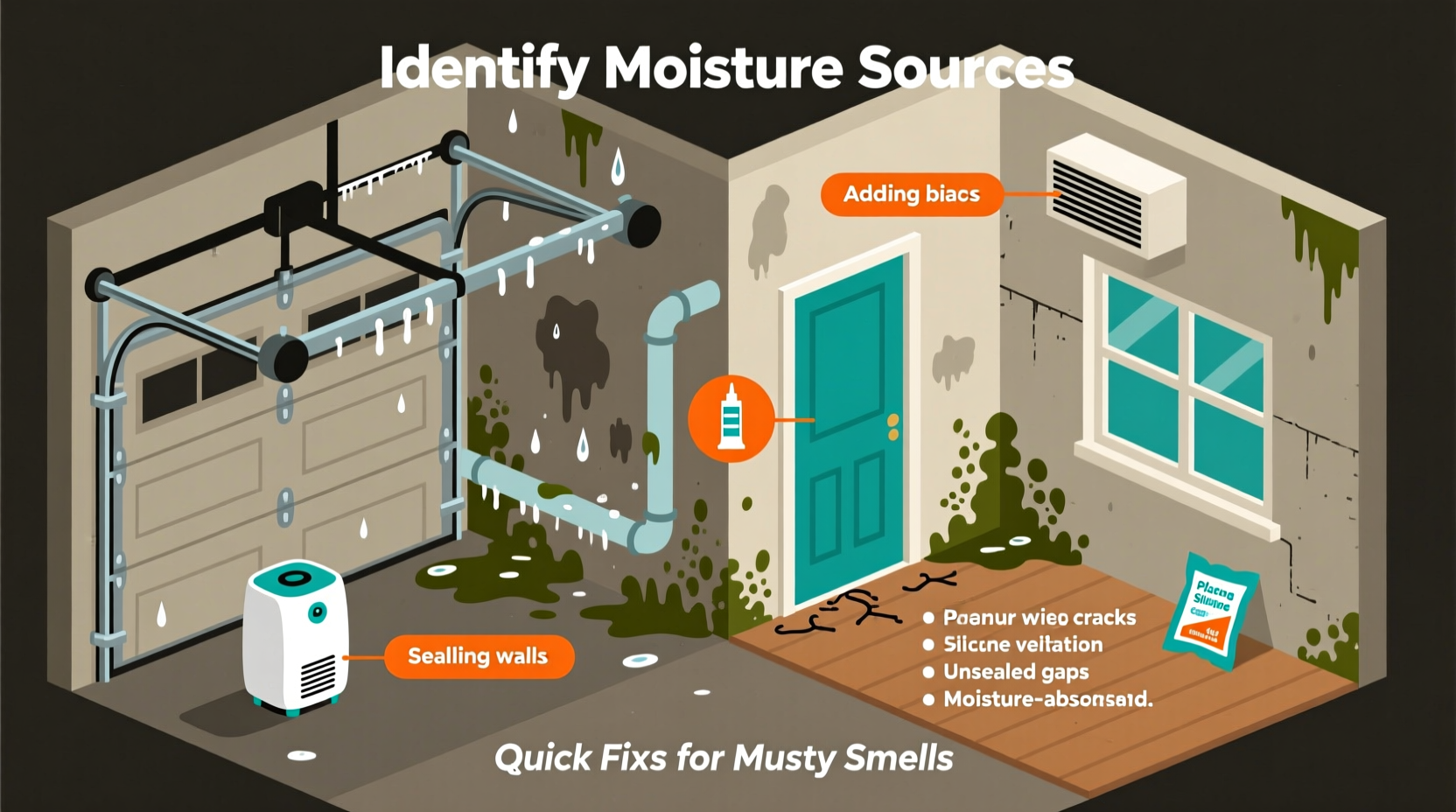
Garages are transitional spaces between indoors and outdoors, making them prone to fluctuating humidity and water intrusion. Several factors contribute to moisture buildup:
- Poor ventilation: Most garages lack adequate airflow, trapping humid air inside, especially if windows remain closed and the door is only opened briefly.
- Concrete floor and walls: Concrete is porous and can wick moisture from the ground, particularly in slab-on-grade constructions without proper vapor barriers.
- Leaky roofs or doors: Small cracks in the roof, gaps around garage doors, or deteriorated weather stripping allow rainwater and snowmelt to seep in.
- Condensation: When warm, moist air meets cold surfaces—like metal tools or concrete walls—condensation forms, creating ideal conditions for mold.
- Stored wet items: Garden hoses, damp sports gear, or recently washed vehicles introduce moisture directly into the space.
- Plumbing leaks: If your garage houses a water heater, washing machine, or sink, undetected leaks can saturate flooring or wall cavities.
How to Identify Hidden Moisture Sources
Pinpointing where moisture enters or accumulates requires a methodical inspection. Start with a visual walkthrough during or after rainfall to catch active leaks. Then use these techniques to uncover less obvious issues:
- Check for water stains: Look along ceiling joints, near roof lines, and on upper walls for yellowish or brown discoloration—a sign of past or ongoing water intrusion.
- Inspect the garage door seal: Run your hand along the bottom and sides of the door to feel for drafts. Visible gaps or cracked rubber indicate compromised sealing.
- Test the floor for dampness: Tape a 2x2-foot piece of aluminum foil (shiny side down) to the concrete floor with waterproof tape. Leave it for 24–48 hours. If moisture appears on the underside, the slab is emitting ground moisture.
- Smell test corners and stored items: Mold often grows behind boxes, under carpets, or in tool cabinets. Move items and sniff closely for concentrated mustiness.
- Use a moisture meter: Inexpensive handheld meters can detect elevated moisture levels in wood, drywall, or insulation—especially useful if your garage has finished walls.
“Many homeowners don’t realize their garage is the starting point for mold migration into living areas. A persistent musty smell should never be ignored.” — Dr. Lena Torres, Indoor Air Quality Specialist
Quick Fixes to Reduce Moisture and Eliminate Odors
Once you’ve identified the primary moisture sources, implement targeted solutions. Some fixes are immediate; others require minor investment but deliver long-term results.
1. Improve Ventilation
Open garage doors periodically during dry weather to encourage cross-ventilation. For enclosed garages, install a ceiling-mounted exhaust fan or a low-profile wall vent. Even running a box fan for 30 minutes daily can significantly reduce humidity.
2. Seal Entry Points
Apply exterior-grade caulk to cracks in walls, foundation joints, and around window frames. Replace worn garage door seals and consider adding a threshold sweep to block ground-level moisture.
3. Use a Dehumidifier
A compact dehumidifier designed for garages can pull liters of moisture from the air each day. Choose a model with a built-in pump or direct-drain option to avoid constant emptying. Aim to maintain humidity below 60%.
4. Clean and Treat Mold-Affected Surfaces
For visible mold on non-porous surfaces (e.g., metal, painted walls), scrub with a mixture of one part white vinegar to four parts water. For porous materials like wood or drywall, use a commercial mold remover or consult a professional. Always wear an N95 mask and gloves.
5. Elevate Stored Items
Keep cardboard boxes, fabrics, and paper off concrete floors. Use plastic shelving or wooden pallets to create a moisture barrier. Avoid stacking items tightly against walls to allow airflow.
Detailed Action Checklist
Follow this step-by-step checklist to systematically address musty garage odors:
- ☐ Perform a visual inspection for leaks, stains, and condensation
- ☐ Test the concrete floor for moisture using the foil method
- ☐ Check and replace damaged garage door seals
- ☐ Clean all surfaces with vinegar or mold-specific cleaner
- ☐ Remove wet or mold-prone items (old rugs, damp cardboard)
- ☐ Install a hygrometer to monitor humidity levels
- ☐ Add a dehumidifier or improve ventilation
- ☐ Seal cracks in walls, floor, and foundation
- ☐ Elevate stored belongings using shelves or pallets
- ☐ Reassess weekly until odor disappears
When to Call a Professional
While many moisture issues can be managed DIY-style, some situations demand expert intervention. Consider hiring a contractor or mold remediation specialist if:
- You discover extensive mold growth (larger than 10 square feet).
- There’s evidence of structural water damage, such as warped wood or crumbling drywall.
- Moisture persists despite sealing and ventilation efforts—this may indicate a deeper issue like a failing drainage system or hydrostatic pressure.
- Your garage is attached and the smell spreads into the main house.
In older homes, inadequate grading around the foundation can cause water to pool near the garage. A landscape professional can re-slope the soil to direct runoff away. Similarly, clogged gutters or downspouts discharging too close to the foundation exacerbate moisture problems.
Prevention Strategies for Long-Term Dryness
Preventing recurrence is more effective than treating symptoms. Implement these long-term strategies to keep your garage dry and odor-free:
| Strategy | Action Steps | Estimated Cost |
|---|---|---|
| Install a vapor barrier | Seal concrete floor with epoxy or apply a moisture-blocking primer before painting | $50–$200 |
| Upgrade ventilation | Add a gable vent or powered exhaust fan | $100–$400 |
| Improve exterior drainage | Extend downspouts, install French drain, or regrade soil | $300–$1,500 |
| Use smart storage | Switch to plastic bins, elevate shelves, avoid fabric-covered furniture | $50–$300 |
Additionally, consider installing a smart hygrometer that sends humidity alerts to your phone. This allows you to respond quickly if levels spike after heavy rains or seasonal changes.
Real-Life Example: The Johnson Family Garage
The Johnsons noticed a persistent musty smell in their attached two-car garage every spring. Initially, they used air fresheners and scented candles, but the odor worsened. After moving stored holiday decorations, they discovered black speckling behind stacked boxes. A moisture meter revealed 78% humidity on the adjacent wall.
They conducted the foil test on the floor—moisture appeared within 24 hours. Further inspection showed that their downspout emptied directly beside the garage foundation. Over time, water had seeped under the slab.
Their solution included extending the downspout 6 feet away, sealing floor cracks with epoxy, installing a dehumidifier, and switching to plastic storage bins. Within three weeks, humidity dropped to 52%, and the smell disappeared. They now check the garage quarterly and clean surfaces with vinegar monthly as a preventive measure.
Frequently Asked Questions
Can a musty garage affect indoor air quality?
Yes. If your garage is attached and shares walls or HVAC ducts with the house, mold spores and odors can migrate indoors. This is especially concerning for individuals with allergies or respiratory conditions.
Is bleach effective for killing garage mold?
Bleach can kill surface mold on non-porous materials but is less effective on porous surfaces like wood or drywall. It also doesn’t address the moisture source. Vinegar or commercial mold removers are safer and often more effective for household use.
How long does it take to eliminate a musty smell?
With consistent action—removing moisture sources, cleaning affected areas, and improving airflow—the odor can diminish within days. Complete elimination usually takes 1–3 weeks, depending on severity and follow-up maintenance.
Final Steps Toward a Fresh, Dry Garage
A musty garage doesn’t have to be a permanent problem. By understanding how moisture enters and accumulates, you gain the power to stop it at the source. Quick fixes like sealing gaps, using a dehumidifier, and cleaning mold can yield noticeable improvements in just days. But lasting change comes from consistent habits—regular inspections, proper storage, and proactive ventilation.
Don’t underestimate the impact of a dry, clean garage. It protects your vehicle, preserves tools and equipment, and contributes to a healthier home environment. Take action today: inspect your space, tackle one moisture source, and commit to a drier tomorrow.




 浙公网安备
33010002000092号
浙公网安备
33010002000092号 浙B2-20120091-4
Comments
No comments yet. Why don't you start the discussion?