
A humming garbage disposal that refuses to grind is a common household frustration. The sound indicates power is reaching the unit, yet nothing turns—food waste remains untouched, and unpleasant odors begin to build. This issue can stem from mechanical jams, internal damage, or electrical faults. Understanding the root cause is essential to avoid costly repairs or unnecessary replacements. With careful diagnosis and safe troubleshooting, most homeowners can resolve the problem efficiently and restore full functionality.
Understanding How Garbage Disposals Work
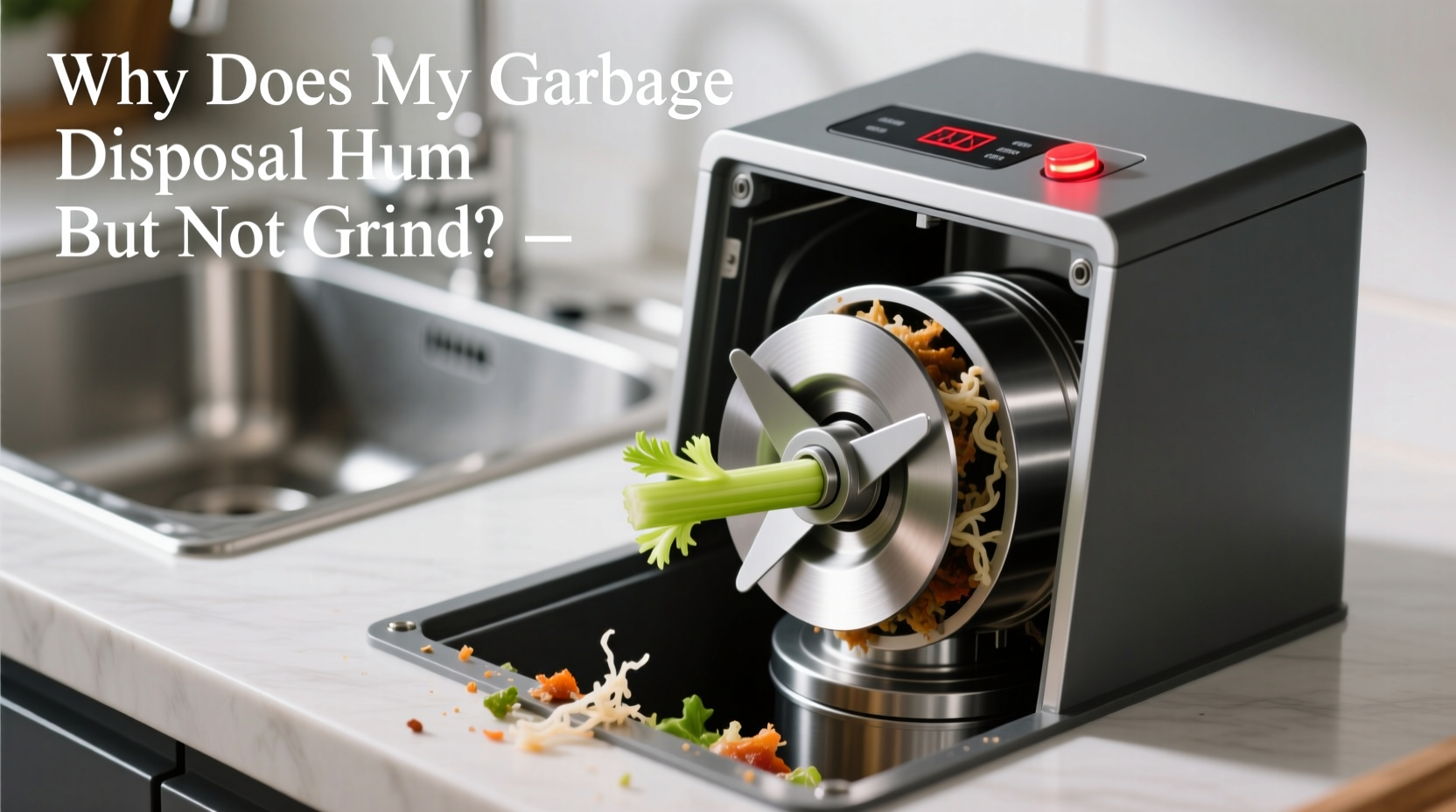
Garbage disposals are compact electric appliances installed beneath kitchen sinks. Their primary function is to shred food waste into small particles that can safely pass through plumbing systems. When functioning correctly, turning on the disposal results in a grinding noise as impellers rotate at high speed, breaking down scraps against a grind ring.
The humming sound without grinding suggests the motor is energized but unable to turn the flywheel or impellers. This typically points to a mechanical obstruction or internal failure. Unlike a completely silent unit—which may indicate a power or switch issue—a humming disposal confirms electricity is flowing, narrowing the scope of potential problems.
“Most humming disposal issues are due to foreign objects jamming the mechanism or seized internal components. Immediate shutdown is critical to prevent motor burnout.” — James Holloway, Licensed Plumbing Technician with 18 years of field experience
Common Causes of a Humming but Non-Grinding Disposal
Several factors can cause a garbage disposal to hum without grinding. Identifying the likely culprit saves time and prevents further damage.
1. Jammed Impellers or Flywheel
The most frequent cause is a physical blockage. Hard items like bones, fruit pits, silverware, or fibrous foods (e.g., corn husks, celery) can wedge between the impellers and the grind chamber, preventing rotation. The motor attempts to start, producing a low hum, but cannot overcome the resistance.
2. Seized Motor Bearings
Over time, lack of use or exposure to moisture can cause internal bearings to seize. Even without visible debris, the motor may hum as it tries—and fails—to spin the shaft. This often occurs in units left idle for weeks or months.
3. Worn or Damaged Start Capacitor
Some disposals use a start capacitor to provide the initial torque needed to begin rotation. If this component fails, the motor may hum but lack sufficient power to start spinning. This is more common in older models.
4. Tripped Reset Button Without Full Reset
Many disposals have a built-in overload protector that trips when the motor overheats. While pressing the reset button on the bottom may seem to solve the issue, a partial reset or underlying jam can cause the motor to hum upon restart without actually turning.
5. Internal Component Failure
In rare cases, broken gears, a damaged flywheel, or a burnt-out winding within the motor can produce a hum. These require professional repair or replacement.
Step-by-Step Troubleshooting Guide
Solving a humming disposal requires methodical steps to ensure safety and effectiveness. Follow this sequence carefully.
- Turn Off Power: Locate the circuit breaker or unplug the disposal from under the sink. Verify power is off by attempting to turn it on briefly (do not skip this).
- Inspect for Visible Obstructions: Use a flashlight to peer inside the disposal chamber. Look for foreign objects. Remove any debris with tongs or pliers—never fingers.
- Attempt Manual Rotation: Insert an Allen wrench (usually 1/4-inch) into the hex-shaped hole at the bottom center of the disposal. Turn back and forth to free a jammed flywheel. You should feel resistance give way as the mechanism loosens.
- Press the Reset Button: Once the flywheel moves freely, press the red reset button on the unit’s underside. Wait 30 seconds before proceeding.
- Restore Power and Test: Plug the unit back in or flip the breaker. Turn on the disposal with water running. Listen for normal grinding. If it still hums, repeat the process or consider internal faults.
- Check for Persistent Jams: If manual rotation is stiff or impossible, the jam may be deeper. Disassembly might be required, or professional help advised.
When to Avoid DIY Fixes
If the disposal emits a burning smell, shows signs of corrosion, or continues to hum after multiple reset attempts, stop troubleshooting. Continued operation risks permanent motor damage. In such cases, consult a licensed plumber or appliance technician.
Tips and Best Practices for Prevention
Preventing future jams begins with proper usage habits and routine maintenance.
- Run cold water before, during, and after each use to flush particles through the system.
- Avoid disposing of fibrous, starchy, or hard materials like potato peels, coffee grounds, eggshells, and bones.
- Never use chemical drain cleaners in a disposal—they can corrode internal components.
- Run the disposal monthly even if rarely used to prevent seizing.
- Clean the unit weekly by grinding ice cubes or a mixture of citrus peels and baking soda to clear residue and deodorize.
| Do’s | Don’ts |
|---|---|
| Use cold water when operating | Put grease or oil down the disposal |
| Grind small amounts of food waste | Drop utensils or non-food items into the unit |
| Press reset button after a jam | Force-start a humming disposal repeatedly |
| Perform monthly manual rotation checks | Ignore persistent humming or strange noises |
Real-World Example: A Kitchen Emergency Resolved
Homeowner Sarah Thompson returned from vacation to find her garbage disposal humming loudly every time she turned it on. She had forgotten to run it before leaving, and a piece of chicken bone lodged during her last use had dried and hardened inside.
After shutting off power, she used a flashlight and found the obstruction. An Allen wrench freed the flywheel after several attempts. She pressed the reset button, restored power, and tested with running water. The disposal resumed normal operation. Sarah now schedules a monthly maintenance check and keeps a reminder note near the sink.
This case highlights how simple neglect can lead to preventable failures—and how basic knowledge empowers homeowners to act quickly.
Frequently Asked Questions
Can I use a plunger to fix a humming disposal?
No. Plunging a garbage disposal can damage internal seals and blades. The correct approach is to manually release the jam using the hex key or call a professional. Plungers are meant for open drains, not sealed disposal units.
Why does the disposal hum only when I turn it on?
The hum occurs because the motor receives power but cannot overcome resistance. It draws current and vibrates, producing sound, but lacks rotational force. This is often temporary if caused by a minor jam, but prolonged humming without movement risks overheating and motor burnout.
Is it worth repairing an older disposal that hums?
It depends. If the unit is over 8–10 years old and has frequent issues, replacement may be more cost-effective than repeated repairs. Modern disposals are more efficient, quieter, and come with better warranties. However, if the model is under warranty or the issue is a simple jam, repair is usually worthwhile.
Maintenance Checklist for Long-Term Reliability
Keep your garbage disposal in peak condition with this actionable checklist:
- ✅ Run cold water for 15 seconds before and after each use
- ✅ Avoid putting fibrous or starchy foods down the drain
- ✅ Clean monthly with ice cubes and rock salt or citrus-baking soda mix
- ✅ Manually rotate the flywheel every 3 months using an Allen wrench
- ✅ Press the reset button promptly after tripping
- ✅ Inspect for leaks or corrosion around the base
- ✅ Schedule professional inspection every 2 years
Knowing When to Replace vs. Repair
While many humming issues are fixable, some signs indicate it’s time for a new unit:
- Unit is over a decade old
- Repeated jams despite proper use
- Rust or leaks at the base
- Burning odor during operation
- No response after reset and manual release
Modern garbage disposals offer improved grinding technology, sound insulation, and easier installation. Replacing an aging unit can reduce long-term maintenance headaches and improve kitchen efficiency.
Conclusion: Act Now to Prevent Permanent Damage
A humming garbage disposal is a warning sign—not just an inconvenience. Ignoring it can lead to motor burnout, electrical hazards, or complete system failure. By understanding the causes and following safe troubleshooting steps, most homeowners can restore function quickly. Regular maintenance and mindful usage extend the life of the unit and prevent recurring issues.
If you’ve resolved the hum or identified the need for replacement, share your experience. Your insights could help others avoid costly mistakes. Take control of your kitchen’s functionality today—your disposal deserves attention before silence becomes permanent.




 浙公网安备
33010002000092号
浙公网安备
33010002000092号 浙B2-20120091-4
Comments
No comments yet. Why don't you start the discussion?