
A foul odor coming from your kitchen sink isn’t just unpleasant—it can signal a buildup of organic debris, bacteria, or trapped food particles in your garbage disposal. Despite regular use, disposals are prone to lingering smells because they process moist, decaying matter in a dark, damp environment. The good news is that most odor issues are preventable and easily remedied with proper cleaning techniques. Understanding the root causes and applying safe, effective solutions will keep your disposal fresh and your kitchen smelling clean.
Why Garbage Disposals Develop Bad Smells
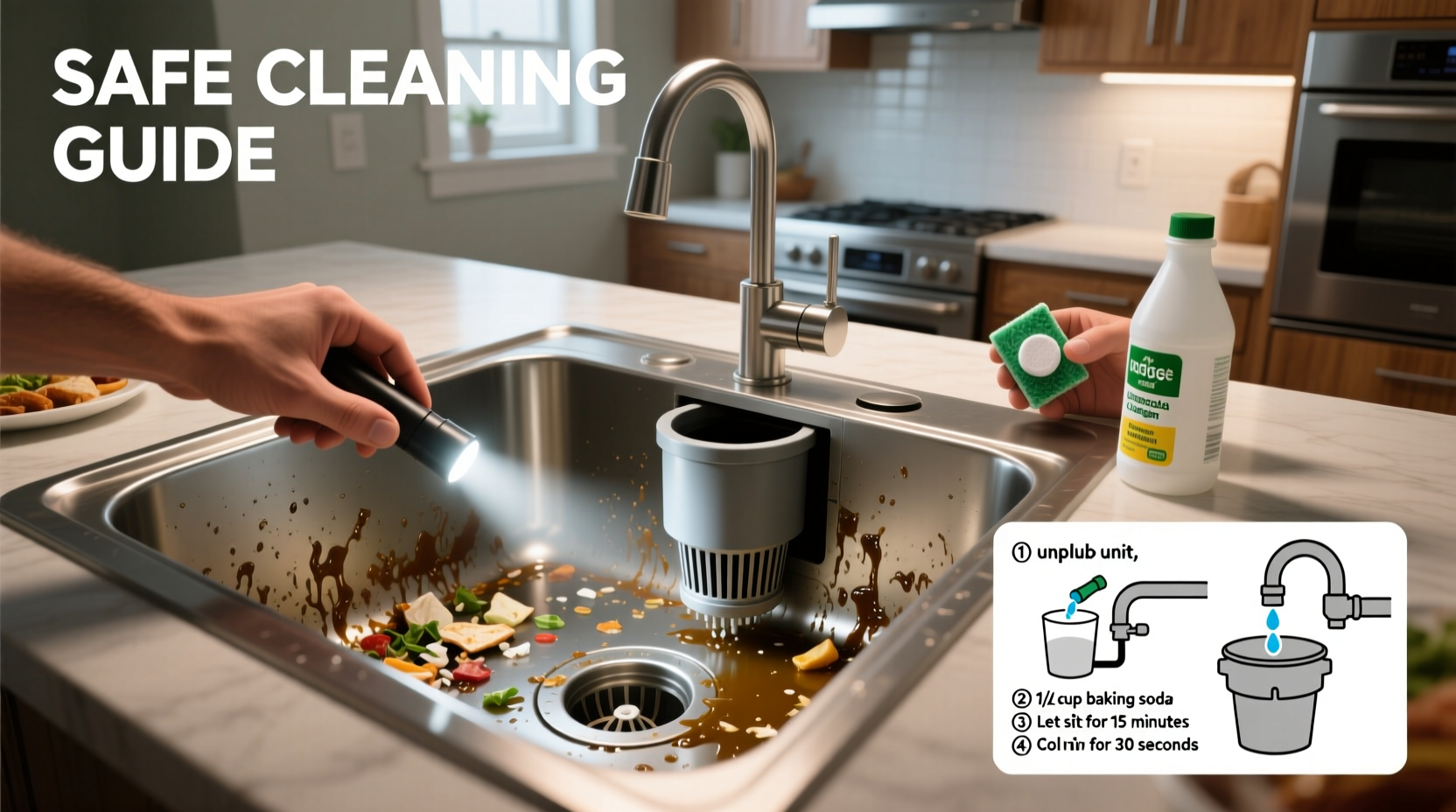
The primary reason garbage disposals emit bad odors lies in their function: they grind up food waste, but not all of it gets flushed away. Small particles often cling to the rubber flaps, crevices, and sidewalls of the unit, where moisture allows bacteria and mold to grow. Over time, this decomposing matter produces a rotting or sewage-like smell every time the disposal runs.
Certain foods contribute more than others to odor development. High-fat items like meat scraps, oils, and dairy products coat internal surfaces and spoil quickly. Fibrous vegetables such as celery, onion skins, and potato peels can wrap around blades or get lodged in hard-to-reach areas. Starchy foods like rice and pasta expand when wet, creating sludge that traps other debris.
In addition, if your disposal isn't used frequently, stagnant water and residual waste sit longer, accelerating bacterial growth. Infrequent rinsing after use compounds the issue. Even units with powerful motors aren’t immune—without proper maintenance, any disposal will eventually develop an odor.
Safe and Effective Cleaning Methods
Cleaning your garbage disposal doesn’t require harsh chemicals. In fact, many commercial drain cleaners are too aggressive and can damage the unit’s components or plumbing. Instead, opt for natural, non-corrosive methods that eliminate odor at the source without risking harm to your pipes or septic system.
Step-by-Step Guide: Deep Cleaning Your Garbage Disposal
- Turn off power: Locate the circuit breaker or unplug the disposal to ensure it cannot activate during cleaning.
- Remove visible debris: Use tongs or pliers (never your hands) to pull out any large food remnants near the opening.
- Clean the splash guard: Lift the rubber baffle and wipe down both sides with a cloth soaked in warm, soapy water. This area often harbors mold and slime.
- Spray interior surfaces: Mix equal parts white vinegar and water in a spray bottle. Spray inside the chamber, focusing on the sides and under the impellers.
- Scrub gently: Dip a long-handled brush (like a bottle or toilet brush) into baking soda and scrub the interior walls. Avoid metal brushes that could scratch components.
- Deodorize with ice and salt: Add one cup of ice cubes and half a cup of coarse salt. Turn the power back on and run the disposal while flushing with cold water. This helps dislodge stuck particles and sharpen blades slightly.
- Flush with vinegar and baking soda: Pour half a cup of baking soda into the disposal, followed by one cup of white vinegar. Let it fizz for 5–10 minutes, then rinse thoroughly with cold water.
- Finish with citrus: Feed lemon, lime, or orange peels into the disposal while running cold water. Citric acid cuts grease and leaves a fresh scent.
“Regular maintenance is key. A monthly deep clean prevents 90% of odor problems before they start.” — Robert Lin, Plumbing Technician with 18 years of residential service experience
Do’s and Don’ts of Garbage Disposal Care
| Do’s | Don’ts |
|---|---|
| Run cold water during and after use | Use hot water to flush waste (can melt fats and cause clogs downstream) |
| Grind citrus peels weekly for freshness | Put fibrous foods like corn husks or artichokes down the disposal |
| Clean the splash guard monthly | Drop silverware or non-food items into the unit |
| Use baking soda and vinegar for deodorizing | Use bleach or drain cleaners regularly (can corrode metal parts) |
| Run the disposal frequently to prevent stagnation | Ignore strange noises or grinding sounds |
Real Example: Solving a Persistent Smell in a Busy Household
Consider the case of the Martinez family in suburban Chicago. They noticed a persistent rotten egg smell every time they turned on the kitchen faucet. Initially, they assumed it was a sewer issue, but a plumber confirmed the problem originated in the disposal. Upon inspection, thick biofilm had formed beneath the rubber splash guard, fed by daily disposal of coffee grounds, eggshells, and vegetable scraps without proper rinsing.
Following a technician’s advice, they implemented a four-week odor elimination plan: weekly ice-and-salt grinding, biweekly vinegar-soaked rag wipes, and a monthly full clean using baking soda and citrus. Within three weeks, the smell disappeared entirely. More importantly, they established a habit of post-use cold water flushing, which prevented recurrence. Their experience underscores that even heavy-use disposals can stay odor-free with consistent care.
Alternative Cleaning Solutions and What to Avoid
While baking soda and vinegar are widely recommended, other safe alternatives exist. Some homeowners report success using diluted hydrogen peroxide (one part 3% peroxide to two parts water) sprayed into the disposal and left to sit for 10 minutes before rinsing. Its mild antibacterial properties help reduce microbial growth without damaging components.
Another option is denture cleaning tablets. Drop one into the disposal with a bowl of warm water, let it fizz for 30 minutes, then rinse thoroughly. These tablets contain effervescent agents that loosen debris and kill odor-causing bacteria.
However, certain substances should be avoided. Bleach may seem like a strong disinfectant, but it can degrade rubber seals and react poorly with leftover food acids. Similarly, commercial drain openers often contain lye or sulfuric acid, which can corrode metal impellers and PVC pipes over time. Even frequent use of dish soap directly in the disposal isn’t advisable—it can leave a filmy residue that traps odor.
When to Call a Professional
If you’ve cleaned thoroughly and the smell persists, there may be a deeper issue. Possible causes include a clog in the drainpipe, a malfunctioning P-trap, or bacterial colonization in the dishwasher line (if connected). A persistent sewage-like odor might indicate a broken seal or venting problem in the plumbing system.
In these cases, a licensed plumber can inspect the entire drain assembly, check for leaks, and perform a camera scan if necessary. Don’t ignore chronic odors—they can point to structural issues that worsen over time.
Preventative Maintenance Checklist
- ✅ Run cold water for 15–20 seconds after every use
- ✅ Grind citrus peels once a week
- ✅ Clean the splash guard monthly with soapy water
- ✅ Perform a deep clean with baking soda and vinegar every 4–6 weeks
- ✅ Use ice and salt to clear residue buildup monthly
- ✅ Avoid putting grease, fibrous foods, or coffee grounds down the disposal
- ✅ Inspect for unusual noises or slow drainage monthly
Frequently Asked Questions
Can I use bleach to clean my garbage disposal?
No, bleach is not recommended for routine cleaning. It can damage rubber components and react with organic matter to produce harmful fumes. For disinfection, use white vinegar or hydrogen peroxide instead.
How often should I clean my garbage disposal?
A quick rinse after each use is ideal. A thorough cleaning—including scrubbing the splash guard and using deodorizing agents—should be done every 4 to 6 weeks for average households. Homes with heavy usage may benefit from monthly deep cleans.
Why does my disposal smell like rotten eggs?
This odor typically comes from hydrogen sulfide gas produced by bacteria feeding on trapped food waste. It often indicates stagnant water, infrequent use, or buildup in the drainpipes. Flushing with vinegar and ensuring proper ventilation usually resolves the issue.
Conclusion: Take Control of Your Kitchen’s Freshness
A smelly garbage disposal doesn’t have to be a permanent fixture in your kitchen. With a clear understanding of what causes the odor and a commitment to simple, safe cleaning practices, you can eliminate bad smells and maintain a hygienic environment. Regular maintenance not only improves air quality but also extends the life of your appliance and prevents costly repairs. The methods outlined here are accessible, affordable, and effective—no special tools or expensive products required.




 浙公网安备
33010002000092号
浙公网安备
33010002000092号 浙B2-20120091-4
Comments
No comments yet. Why don't you start the discussion?