
Garlands are a staple of seasonal décor, bringing warmth and charm to homes during holidays and special occasions. Whether made from evergreen boughs, artificial foliage, or fabric ribbons, they often get stored away after use, only to be rediscovered months later with an unwelcome odor. That musty smell isn’t just unpleasant—it can signal moisture damage, mold spores, or lingering organic decay. Understanding the root causes and knowing how to safely refresh your garland ensures not only a pleasant sensory experience but also protects your health and preserves your décor for years to come.
What Causes a Musty Smell in Stored Garlands?
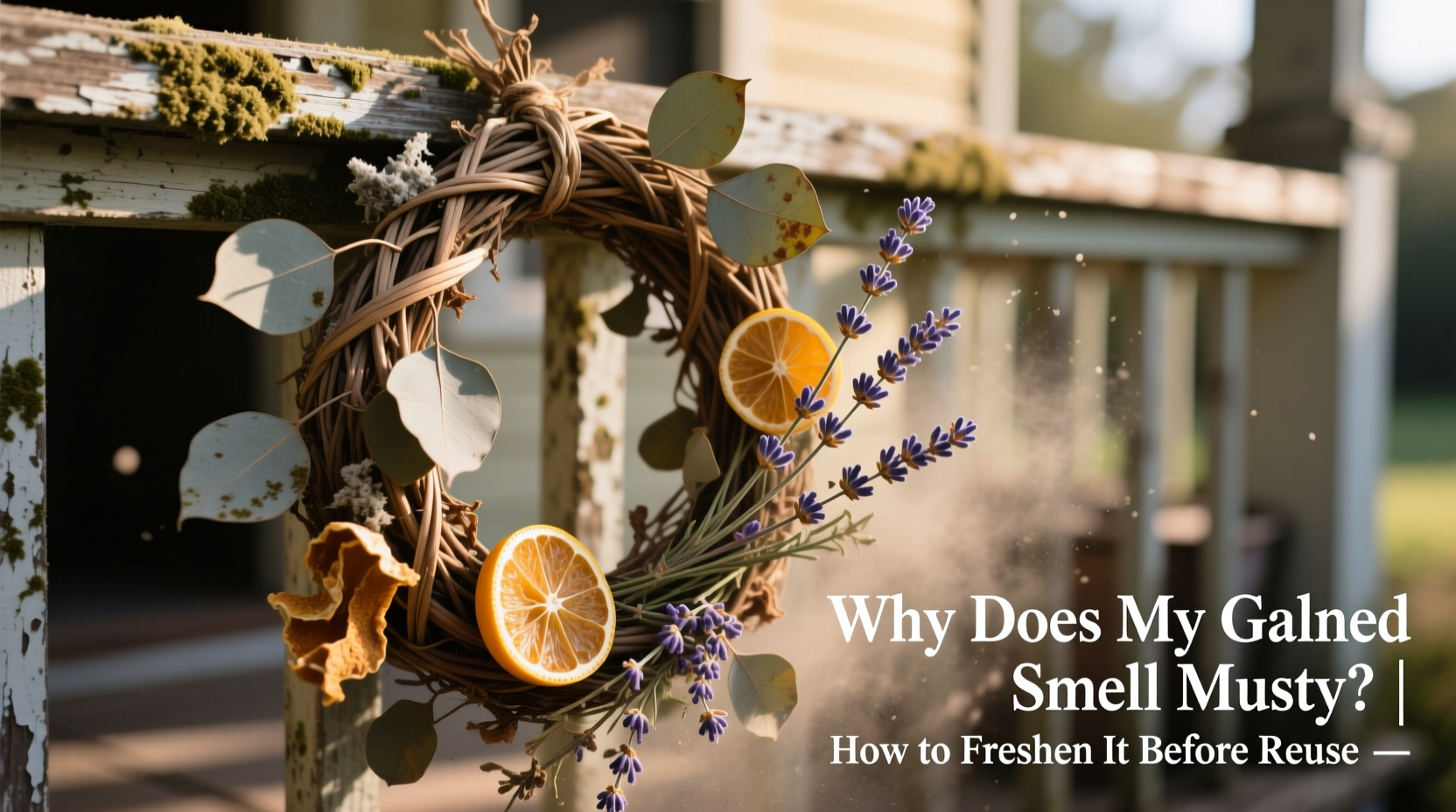
A musty odor typically stems from microbial activity—mold and mildew thrive in dark, damp environments where airflow is limited. When garlands are packed away while still slightly moist or stored in basements, attics, or closets prone to humidity fluctuations, they become ideal breeding grounds for these microorganisms. Even artificial garlands aren't immune; synthetic materials like polyester, foam, or paper-based elements can absorb ambient moisture and trap odors over time.
Natural garlands, especially those made from real pine, cedar, or eucalyptus, are particularly vulnerable. As plant matter dries, it releases volatile organic compounds (VOCs), which contribute to earthy scents. But when combined with poor storage conditions, these same compounds can turn sour, creating that familiar “old basement” aroma. Dust accumulation further exacerbates the problem by providing organic material for microbes to feed on.
“Moisture is the enemy of long-term décor storage. Even small amounts trapped in crevices can lead to significant odor development within weeks.” — Dr. Lydia Chen, Indoor Air Quality Specialist
Step-by-Step: How to Freshen a Musty Garland Safely
Before tossing a smelly garland, try reviving it using targeted cleaning and deodorizing methods based on its material type. Follow this timeline to restore freshness without causing damage:
- Unpack in a Well-Ventilated Area: Remove the garland from storage outside or near an open window. Let it air out for at least 30 minutes to release trapped gases and reduce initial odor intensity.
- Inspect for Mold or Damage: Examine closely for visible signs of mold (fuzzy spots, discoloration) or insect infestation. If heavy mold is present, especially on porous materials, consider disposal for health reasons.
- Dry Brush Surface Debris: Use a soft-bristle brush or clean paintbrush to gently remove dust, cobwebs, and loose particles. Pay attention to crevices between branches or folds in fabric.
- Vacuum Gently: Attach a brush nozzle to your vacuum cleaner and lightly go over the surface. This removes microscopic dust and spores without snagging delicate components.
- Deodorize Using Natural Methods: Choose one of the following techniques based on garland composition (see table below for guidance).
- Final Air-Out Period: Hang the garland indoors in a dry, sunny room for 4–6 hours before reusing.
Material-Specific Care: Do’s and Don’ts
Not all garlands respond the same way to cleaning. Applying the wrong method can ruin textures, fade colors, or weaken structural integrity. Refer to the table below for best practices by material type.
| Material Type | Recommended Methods | Avoid |
|---|---|---|
| Real Evergreen | Air-dry, light brushing, essential oil mist (diluted) | Water soaking, direct sunlight for extended periods |
| Artificial Foliage (Plastic/Polyester) | Vacuuming, baking soda sprinkle + shake, vinegar steam exposure | Harsh chemicals, abrasive scrubbing |
| Fabric-Based (Burlap, Ribbon) | Spot cleaning with mild soap, sun airing, lavender sachet storage | Machine washing unless labeled safe |
| Dried Flowers or Herbs | Freeze overnight (to kill microbes), gentle shaking | Moisture exposure, high heat |
Effective Odor Removal Techniques by Method
Different approaches work better depending on the severity of the smell and the fragility of the materials. Here are four proven strategies you can apply at home.
1. Baking Soda Absorption
Baking soda is a natural odor neutralizer that draws out trapped smells without wetting the material. Place the garland inside a large garbage bag or plastic storage bin. Sprinkle a quarter cup of baking soda over the surface, seal the container, and let sit for 12–24 hours. Shake gently afterward and brush off residue.
2. Sunlight and Fresh Air Exposure
Natural UV rays have mild disinfectant properties and help break down organic odor molecules. Hang the garland outdoors in indirect sunlight for 2–3 hours. Avoid prolonged exposure, as UV radiation can bleach colors and make plant-based materials brittle.
3. Vinegar Steam Refresh
For artificial garlands, create a vinegar steam bath by boiling one part white vinegar with three parts water in a pot. Hold the garland above the steam (not touching the liquid) for 30–60 seconds, then let dry completely in a ventilated area. The acetic acid helps neutralize mustiness without leaving a strong vinegar scent once aired out.
4. Essential Oil Revival Spray
Mix 10 drops of antimicrobial essential oil (such as tea tree, eucalyptus, or pine) with one cup of distilled water in a spray bottle. Lightly mist the garland from a distance of 12 inches. This adds a festive fragrance while inhibiting microbial growth. Test on a small area first to ensure no discoloration occurs.
Real Example: Reviving a Holiday Pine Garland
Sarah from Portland inherited a family heirloom pine garland passed down for over a decade. Stored each year in a cardboard box under her bed, it began developing a persistent musty smell by the third season. She initially tried wiping it with a damp cloth, which only worsened the odor due to trapped moisture.
Following expert advice, she unpacked the garland outside, brushed off debris, and vacuumed gently. Then, she placed it on her porch for two days during a dry spell, rotating it periodically for even airflow. Finally, she created a spritz of water and five drops each of cinnamon and orange essential oils—a traditional holiday blend—and lightly misted it before draping it over her staircase. The result was a revitalized, aromatic centerpiece that smelled fresh and nostalgic, not stale.
Prevention Checklist: Keep Your Garland Fresh Long-Term
The best way to avoid future mustiness is proactive care. Use this checklist every time you store your garland:
- ✅ Ensure the garland is completely dry before packing—no dampness from rain, snow, or indoor condensation.
- ✅ Clean gently post-use to remove dust, sap, or food particles (common with table garlands).
- ✅ Store in a breathable cotton bag or ventilated container—never sealed plastic, which traps moisture.
- ✅ Include silica gel packets or activated charcoal sachets to absorb ambient humidity.
- ✅ Choose a cool, dark, climate-stable location—avoid attics, basements, or garages with temperature swings.
- ✅ Rotate or inspect stored garlands every 3–4 months to catch early signs of odor or pest activity.
“Proper storage is 80% of the battle. A well-maintained garland can last five to ten seasons or more with minimal degradation.” — Miguel Torres, Sustainable Home Décor Consultant
Frequently Asked Questions
Can I wash a garland in the washing machine?
No, most garlands should never be machine washed. Water damages adhesives, warps shapes, and promotes mold. Only machine-wash if the manufacturer’s label explicitly permits it—and even then, use cold water and a delicate cycle.
Will freezing kill mold on a garland?
Freezing can inhibit mold growth and kill some spores, especially in dried botanical arrangements. Place the garland in a sealed bag and freeze for 24–48 hours. However, freezing won’t remove existing stains or odors—combine with other cleaning methods for best results.
How do I know if the smell is toxic mold?
If the odor is strong, pungent, or accompanied by visible black or green fuzz, especially in hidden areas, it may be hazardous mold. In such cases, wear gloves and a mask during handling, and dispose of the garland safely. Never attempt to reuse heavily contaminated décor.
Conclusion: Reuse with Confidence
A musty garland doesn’t mean the end of its life—it’s often a fixable issue rooted in storage conditions rather than material failure. By understanding the science behind odor development and applying careful, material-appropriate restoration techniques, you can breathe new life into your favorite décor pieces. More importantly, adopting smart storage habits prevents recurrence and extends the lifespan of your investments.
With simple tools like baking soda, sunlight, and essential oils, you’re equipped to transform stale strands into fresh, inviting accents. Whether it’s a holiday tradition or year-round decoration, your garland deserves to look—and smell—its best.




 浙公网安备
33010002000092号
浙公网安备
33010002000092号 浙B2-20120091-4
Comments
No comments yet. Why don't you start the discussion?