
It’s a common frustration in modern relationships: you send a text, wait minutes—or hours—and receive no reply. Your mind races. Did you say something wrong? Is she upset? Does she not care? Before jumping to conclusions, it’s essential to understand that response time isn’t always about interest or availability. It often reflects deeper patterns rooted in communication style, personality, emotional processing, and life context.
In today’s hyper-connected world, where instant replies are normalized, delays can feel like rejection. But the reality is far more nuanced. People communicate differently—not because they’re indifferent, but because their internal rhythms and priorities don’t align with constant digital engagement. This article explores why your girlfriend might take longer to respond, decodes key communication styles, and offers practical strategies for building mutual understanding without resentment.
Understanding Communication Styles in Relationships
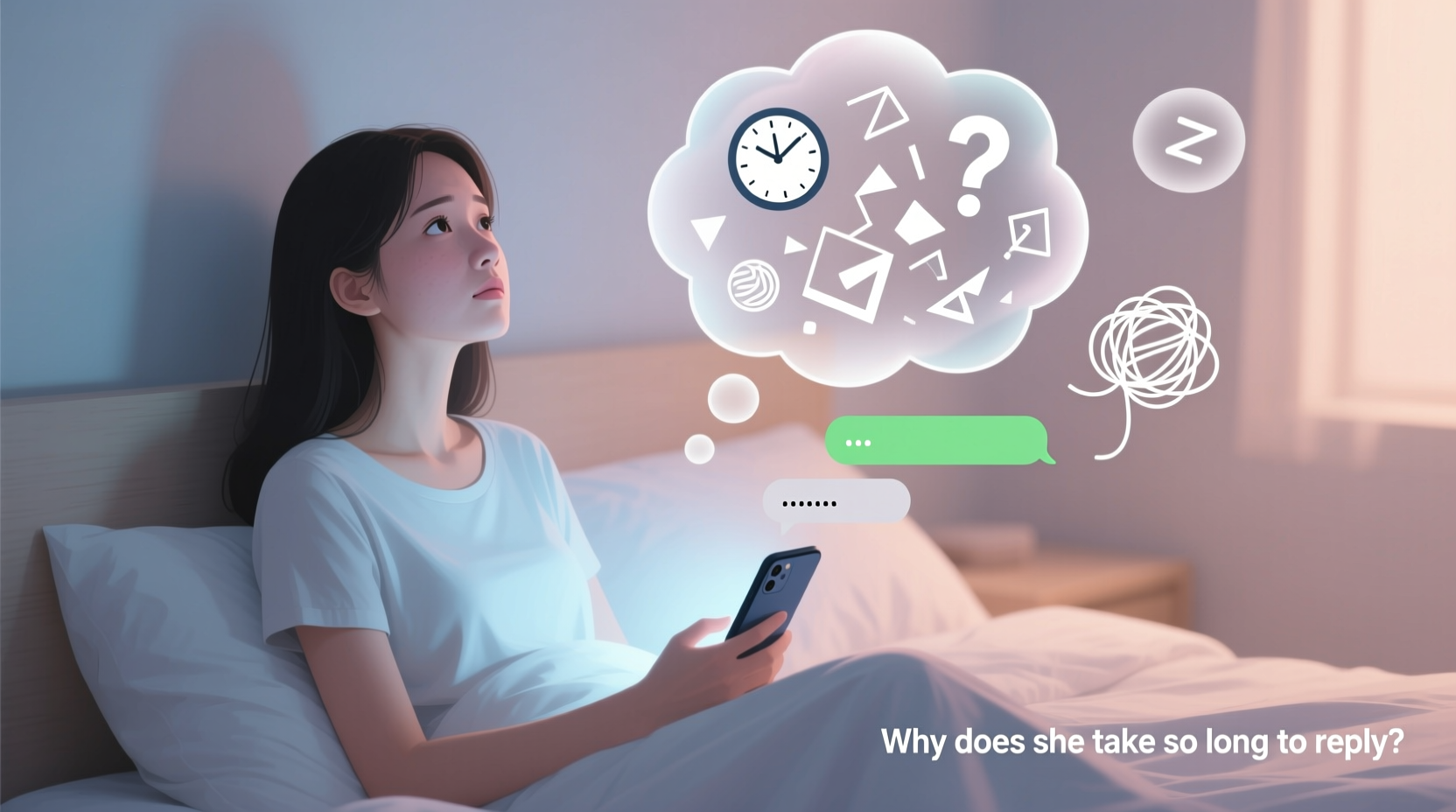
Communication isn’t one-size-fits-all. Psychologists categorize people into different communication archetypes based on how they process information, express emotions, and engage socially. These styles directly influence texting behavior.
Some individuals are “high responders”—they check messages frequently, reply quickly, and see texting as an extension of conversation. Others are “low responders,” who view messages as tasks to be handled when convenient, not emergencies requiring immediate attention. Neither approach is inherently better; they simply reflect different cognitive and emotional preferences.
For example, someone with an introverted temperament may need time to process thoughts before responding, especially to emotionally loaded messages. A person in a high-stress job might silence notifications during work hours to maintain focus. Meanwhile, those with anxiety may overthink replies, delaying them while crafting the “perfect” response.
“Texting speed is rarely about love or commitment—it’s about personal rhythm, energy levels, and how someone manages attention.” — Dr. Lena Reyes, Relationship Psychologist
The Psychology Behind Delayed Responses
Several psychological and situational factors explain why someone might delay replying—even if they care deeply.
- Emotional Processing Time: Some people need space to reflect before engaging in conversation, particularly if the message involves conflict, planning, or emotional vulnerability.
- Attention Management: Constant connectivity drains mental energy. Many adults intentionally limit screen time to preserve focus and reduce stress.
- Anxiety and Overthinking: Fear of saying the wrong thing or appearing uninterested can cause hesitation. The pressure to respond perfectly leads to procrastination.
- Different Priorities: She may be immersed in work, family duties, or self-care. Her current life phase may prioritize presence over digital interaction.
- Attachment Style Influence: Securely attached individuals tend to communicate openly. Anxiously attached partners may over-message; avoidantly attached ones may withdraw or delay replies as a form of emotional regulation.
Common Scenarios That Explain Slow Replies
Real-life situations often get misinterpreted as emotional distance. Here are three realistic examples:
Case Study: The Overworked Professional
Alex sends a lighthearted meme to his girlfriend, Maya, at 10 a.m. He doesn’t hear back until 8 p.m. Initially annoyed, he later learns she was in back-to-back meetings, had her phone on silent, and only checked messages during a late dinner break. Her delay wasn’t neglect—it was professional immersion.
Case Study: The Thoughtful Processor
Jamal asks his girlfriend, Nina, “What do you think about us moving in together?” She doesn’t reply for two days. Worried, Jamal assumes she’s hesitant. When they speak, Nina explains she wanted to reflect deeply before giving a meaningful answer. Her silence was respect, not reluctance.
Case Study: The Boundary Setter
Lena texts her boyfriend during her weekly digital detox evening. He notices the lack of reply and feels ignored. In truth, Lena has set aside Wednesday nights for reading and mindfulness. Her intention isn’t to exclude him but to protect her mental health.
These scenarios reveal a critical truth: assumptions breed insecurity. Open conversations uncover context.
Communication Styles Compared: A Practical Guide
To better understand differences, here’s a comparison of common communication styles and their texting behaviors:
| Communication Style | Typical Response Time | Motivation | How to Support Them |
|---|---|---|---|
| High Responder (Engaged) | Minutes to 1 hour | Values connection, dislikes unresolved threads | Acknowledge their effort; avoid guilt-tripping during delays |
| Low Responder (Task-Oriented) | Hours to next day | Views texts as chores; prioritizes focus | Batch messages; avoid urgency unless necessary |
| Reflective Communicator | Delayed for complex topics | Wants to respond thoughtfully | Give space; appreciate depth over speed |
| Avoidant Style | Erratic or prolonged silence | Fears conflict or emotional demands | Create safe, low-pressure conversations |
| Boundary-Focused | Replies during designated times | Prioritizes mental wellness and presence | Respect off-hours; plan check-ins mutually |
This table isn’t about labeling your partner but recognizing behavioral patterns. Once identified, both partners can adjust expectations and co-create a communication rhythm that works for both.
How to Navigate Differences Without Conflict
Mismatched communication styles don’t doom a relationship—they require adaptation. Here’s a step-by-step guide to align texting habits respectfully:
- Initiate a Calm Conversation: Choose a neutral moment, not mid-frustration. Say, “I’ve noticed we reply at different speeds. Can we talk about what works best for each of us?”
- Share Your Needs: Be honest about your feelings without blame. Example: “I sometimes feel anxious when I don’t hear back. It’s not about control—I just want reassurance.”
- Ask About Her Experience: Listen actively. Ask, “When do you feel most able to respond? What gets in the way?” You might learn she’s overwhelmed or values undistracted time.
- Set Mutual Agreements: Create simple rules. For instance: “We’ll reply within 12 hours unless busy,” or “Use ‘On a call, will reply tonight’ if delayed.”
- Use Signal Phrases: Agree on low-effort status updates like “In deep work mode” or “Phone off for yoga.” These reduce uncertainty without demanding full replies.
- Reassess Periodically: Life changes. Revisit the conversation every few months to ensure both feel heard and supported.
When Silence Might Signal a Deeper Issue
While most delays are benign, persistent unresponsiveness—especially paired with emotional withdrawal—can indicate underlying problems. Watch for these red flags:
- Consistent ignoring of important messages (birthdays, emergencies, plans)
- Defensiveness when asked about communication
- Decreased effort in other areas of the relationship
- One-sided initiation (you always text first)
If these patterns persist despite open discussions, it may reflect disengagement, burnout, or mismatched relationship goals. In such cases, couples counseling can provide a structured space to explore concerns.
Actionable Checklist: Building Healthier Text Habits
Use this checklist to improve communication dynamics:
- ☑ Schedule a non-blaming conversation about texting preferences
- ☑ Identify each other’s communication style using the table above
- ☑ Agree on a reasonable response window (e.g., 12–24 hours for non-urgent texts)
- ☑ Establish a signal phrase for when someone is unavailable
- ☑ Avoid sending emotionally charged messages via text
- ☑ Replace assumptions with curiosity: “I noticed a delay—everything okay?”
- ☑ Respect digital boundaries and downtime
- ☑ Compliment responsiveness when it happens: “Thanks for replying—it meant a lot.”
Frequently Asked Questions
Is it normal for my girlfriend to take hours to reply?
Yes, it’s completely normal—especially if she’s busy, introverted, or managing multiple responsibilities. As long as she responds consistently over time and engages meaningfully when she does, delays are likely logistical, not emotional.
Should I confront her if she doesn’t reply for a day?
Confrontation risks defensiveness. Instead, express your feelings calmly: “I felt a bit disconnected when I didn’t hear from you. Can we talk about how we stay in touch during busy times?” Focus on connection, not correction.
What if she replies quickly to others but not me?
This can sting, but context matters. She might be in a group chat, responding to work contacts, or engaged in lighter banter that requires less emotional effort. If it’s a consistent pattern of prioritizing others over you, discuss whether you feel valued in the relationship.
Conclusion: From Anxiety to Alignment
The question “Why does my girlfriend take so long to reply texts?” often stems not from her behavior, but from unmet expectations shaped by social norms and personal insecurities. By shifting from judgment to curiosity, you open the door to deeper understanding. Communication styles aren’t right or wrong—they’re different. And in healthy relationships, difference isn’t a barrier; it’s an invitation to collaborate.
Instead of measuring love by response speed, measure it by consistency, honesty, and mutual effort. Have the courage to talk openly, listen generously, and adapt with empathy. When both partners feel respected—not pressured—the quality of connection improves far more than any text ever could.




 浙公网安备
33010002000092号
浙公网安备
33010002000092号 浙B2-20120091-4
Comments
No comments yet. Why don't you start the discussion?