
Guinea pigs are naturally vocal pets, often communicating through a range of sounds including purrs, chirps, rumbles, and most notably, high-pitched squeals known as \"wheeking.\" While occasional squeaking is normal, persistent or excessive noise can signal discomfort, stress, or health concerns. Understanding the context behind your guinea pig’s vocalizations is essential for ensuring its well-being. This article breaks down the common causes of nonstop squeaking, helps you differentiate between harmless chatter and warning signs, and provides actionable steps to support a healthy, happy pet.
The Language of Squeaks: What Your Guinea Pig Is Trying to Say
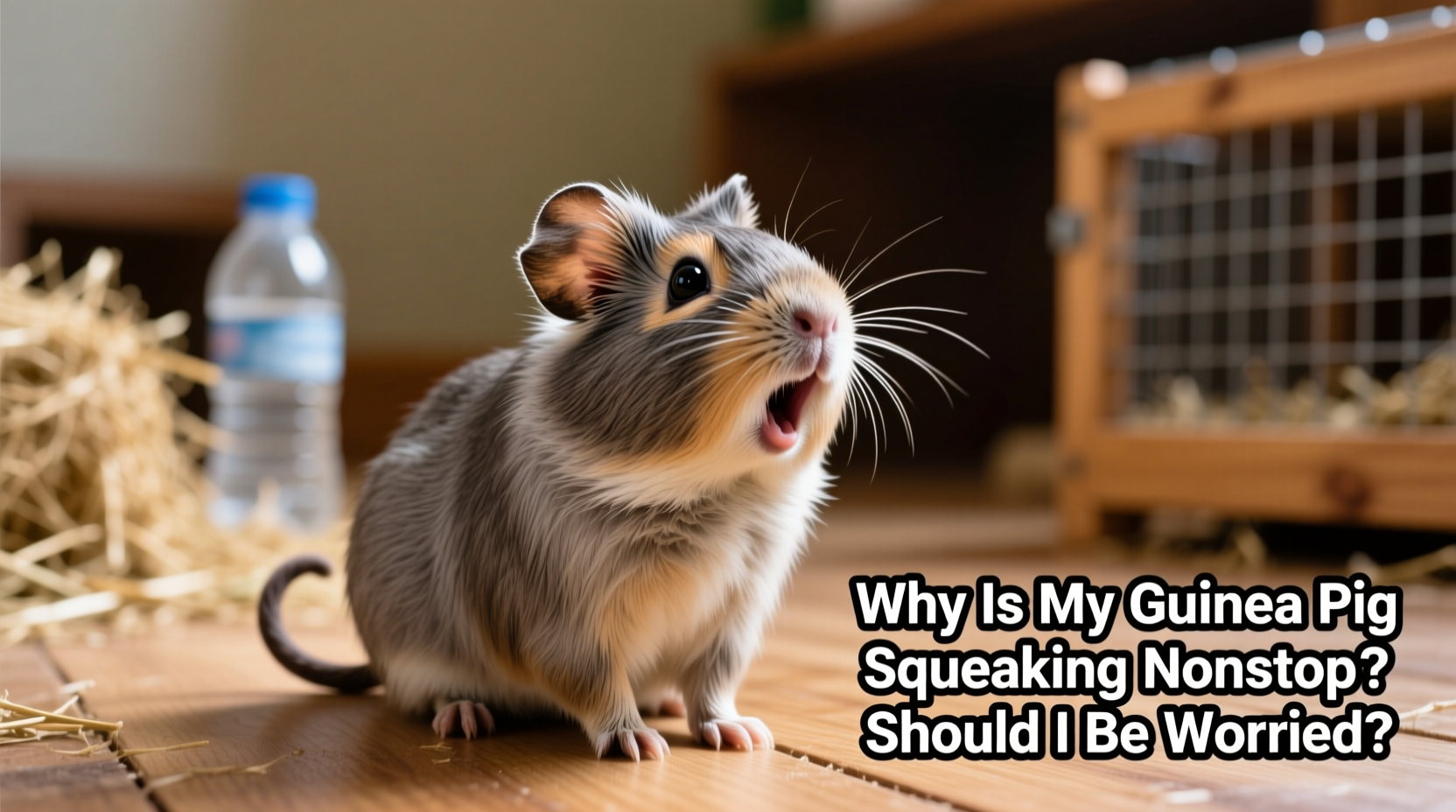
Guinea pigs rely heavily on sound to express their emotions and needs. Unlike many small animals that remain quiet, guinea pigs evolved in social herds where communication was crucial for survival. As a result, they developed a rich vocal repertoire. The most familiar sound—often described as a shrill, repetitive squeal—is called wheeking. It typically occurs when they anticipate food, sense movement nearby, or feel excited. However, not all squeaks are created equal. The tone, frequency, and accompanying behavior matter significantly.
- Wheeking: High-pitched, rapid squeals usually linked to feeding time or excitement.
- Chutting: A soft, rhythmic clicking sound indicating contentment during exploration.
- Purring: A low, vibrating hum that may signal comfort—or annoyance if deep and prolonged.
- Shrieking: A sudden, piercing cry indicating fear, pain, or perceived threat.
Nonstop squeaking often falls under wheeking or distressed shrieking. If your guinea pig won’t stop making noise, especially outside of mealtime, it’s worth investigating further. Continuous vocalization without an obvious trigger could reflect underlying issues ranging from loneliness to physical pain.
Common Reasons for Constant Squeaking
Before jumping to conclusions, consider these frequent explanations for relentless squeaking:
Hunger or Food Anticipation
One of the most common causes of nonstop squeaking is hunger. Guinea pigs have fast metabolisms and expect regular access to hay, fresh vegetables, and water. If meals are delayed or portions are insufficient, they may wheek persistently to demand food. This type of squeaking is usually rhythmic, energetic, and stops once feeding begins.
Social Needs and Loneliness
Guinea pigs are highly social animals. Those kept alone—especially those previously housed with companions—may squeak excessively out of boredom or emotional distress. The absence of interaction can lead to anxiety-driven vocalizations, particularly during active hours (dawn and dusk).
Environmental Stressors
Loud noises, sudden movements, other pets, or changes in cage placement can make a guinea pig feel unsafe. A constantly squeaking guinea pig might be reacting to a nearby dog barking, loud music, or even shadows moving across the room. These stressors don’t always seem significant to humans but can deeply affect prey animals like guinea pigs.
Health Issues and Pain
Persistent, high-intensity squeaking—especially if accompanied by lethargy, hunched posture, or loss of appetite—can indicate illness or injury. Conditions such as urinary tract infections, gastrointestinal stasis, dental overgrowth, or respiratory infections often cause discomfort that manifests through vocalization. In some cases, pain-induced squeaking occurs intermittently and may worsen at night.
Mating Behavior and Hormonal Changes
Unneutered males may emit loud, repetitive calls when detecting a female in heat. Even females can become vocal during estrus cycles. While this behavior is natural, it can be disruptive and mistaken for distress if you're unaware of reproductive influences.
“Guinea pigs rarely vocalize without reason. When squeaking becomes constant, it's often a sign that something in their environment or health needs attention.” — Dr. Laura Simmons, Exotic Animal Veterinarian
When Should You Be Worried?
Not every squeak requires intervention, but certain red flags suggest it’s time to act. Use the following checklist to assess whether your guinea pig’s behavior warrants concern.
✅ Checklist: Signs That Warrant Immediate Attention
- Squeaking continues for more than several hours without pause
- Vocalizations are sharp, panicked, or scream-like rather than anticipatory
- Accompanied by visible discomfort (hunched back, teeth grinding, shallow breathing)
- Loss of appetite or refusal to drink water
- Aggression toward cage mates or avoidance of interaction
- Discharge from eyes or nose, labored breathing, or diarrhea
If multiple signs appear together, schedule a vet visit promptly. Delaying care can worsen conditions like GI stasis, which can be fatal within 24–48 hours if untreated.
Differentiating Normal vs. Abnormal Vocalization
| Behavior | Likely Meaning | Action Needed? |
|---|---|---|
| Squeaks loudly when you enter the room or open the fridge | Excitement/food anticipation | No – this is normal |
| Squeals suddenly after being handled | Pain or fear response | Yes – check for injuries or illness |
| Wheeks repeatedly throughout the day with no clear trigger | Possible loneliness, stress, or dietary issue | Yes – evaluate environment and routine |
| Soft purring while being petted | Contentment | No – positive sign |
| High-pitched, continuous shrieking with trembling | Severe distress or acute pain | Urgent – seek veterinary help immediately |
Step-by-Step Guide: Responding to Nonstop Squeaking
When your guinea pig won’t stop squeaking, follow this systematic approach to identify and resolve the cause.
- Observe the Context: Note when the squeaking occurs—during feeding, handling, nighttime, or randomly. Does it happen near certain people, animals, or sounds?
- Check Basic Needs: Ensure unlimited hay, clean water, and appropriate vegetables are available. Verify that the cage temperature is between 65–75°F (18–24°C) and free from drafts.
- Inspect for Illness: Look for signs of discomfort: wet chin (dental issues), bloating, eye discharge, or difficulty moving. Gently palpate the abdomen—if it feels hard or your pet resists touch, consult a vet.
- Evaluate Social Environment: Is your guinea pig alone? Consider pairing it with a compatible companion if housing allows. Introduce new pigs slowly and under supervision.
- Reduce Environmental Stress: Move the cage away from loud appliances, foot traffic, or predator sights (e.g., cats staring). Add hiding spots and tunnels for security.
- Adjust Feeding Routine: Offer smaller, more frequent feedings if your guinea pig seems hungry between meals. Avoid sugary treats that disrupt digestion.
- Consult a Veterinarian: If the squeaking persists beyond 24 hours or is paired with clinical symptoms, book an appointment with an exotic animal specialist.
Mini Case Study: Luna the Lonely Wheeker
Luna, a two-year-old female guinea pig, began squeaking incessantly after her longtime cage mate passed away. Her owner, Maria, initially assumed the noise was hunger-related and increased food portions, but the wheeking continued all day and into the evening. Concerned, she recorded a video of Luna’s behavior and shared it with a local guinea pig rescue group. They suggested that Luna was likely grieving and stressed from solitude.
Maria introduced a gentle male named Milo using a gradual bonding process over three weeks. After successful integration, Luna’s squeaking decreased dramatically. Within ten days, her only vocalizations were typical mealtime wheeks. This case highlights how emotional well-being directly impacts vocal behavior—and why companionship matters deeply for social rodents.
Frequently Asked Questions
Is it normal for guinea pigs to squeak all day?
Occasional squeaking throughout the day—especially around feeding times—is normal. However, nonstop squeaking without breaks or triggers is not typical and suggests an unmet need, whether nutritional, social, or medical.
Can too much squeaking harm my guinea pig?
The act of squeaking itself doesn’t cause physical harm, but the underlying cause—such as chronic stress or pain—can negatively impact health over time. Persistent vocalization should be investigated to prevent long-term welfare issues.
Should I ignore my guinea pig if it’s just wheeking for food?
You shouldn’t completely ignore your pet, as this may increase anxiety. Instead, maintain a consistent feeding schedule so your guinea pig learns when meals come. Respond calmly—avoid reinforcing excessive noise with immediate treats, which can encourage attention-seeking behavior.
Conclusion: Listening Closely to Your Furry Companion
Your guinea pig’s squeaks are more than background noise—they’re a window into its emotional and physical state. While some vocalization is expected, constant or intense squeaking demands attention. By learning to interpret the nuances of their sounds, observing behavioral cues, and responding with informed care, you can ensure your pet feels safe, satisfied, and healthy.
Never underestimate the value of proactive observation. Small changes in routine, environment, or companionship can make a profound difference. If in doubt, always err on the side of caution and consult a veterinarian experienced with small mammals. Your attentiveness today could prevent serious complications tomorrow.




 浙公网安备
33010002000092号
浙公网安备
33010002000092号 浙B2-20120091-4
Comments
No comments yet. Why don't you start the discussion?