
Washing your hair one day only to find it limp, flat, and slick with oil the next morning is frustrating—and more common than you might think. Despite following what seems like a solid hair care routine, many people struggle with hair that turns greasy within hours of shampooing. The good news? This isn’t just bad luck or poor hygiene. Dermatologists confirm that several underlying factors contribute to rapid oil buildup, and most are manageable with the right approach.
Sebum—the natural oil produced by sebaceous glands in your scalp—is essential for maintaining moisture and protecting your hair. But when overproduced or unevenly distributed, it creates that dreaded “dirty” look far too soon after cleansing. Understanding why this happens and how to correct it can transform your hair from oily and lifeless to balanced and vibrant.
The Science Behind Scalp Oil Production
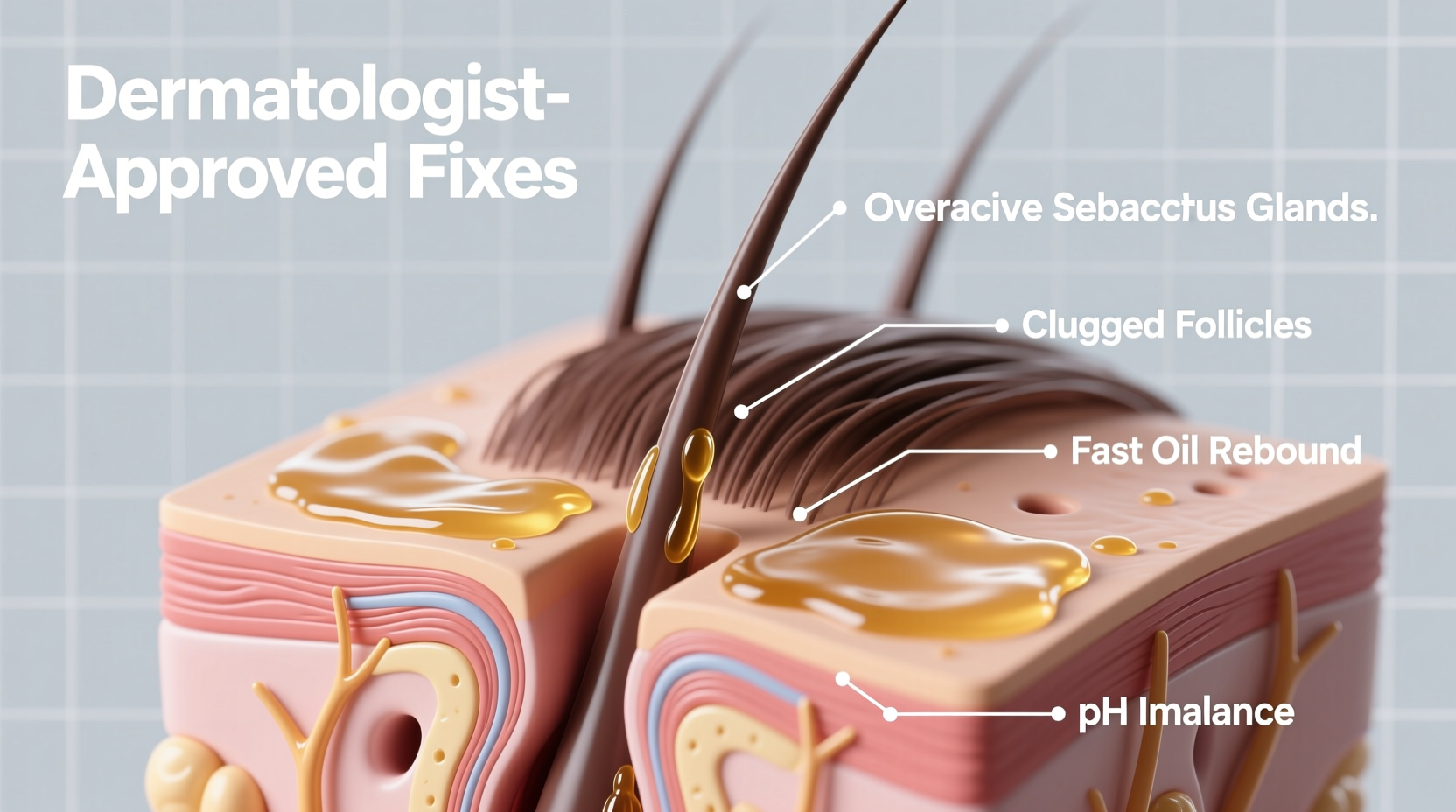
Sebum production is regulated by hormones, particularly androgens like testosterone. These hormones stimulate the sebaceous glands to produce oil, which travels along the hair shaft to condition both scalp and strands. While everyone produces sebum, the rate and volume vary significantly based on genetics, hormonal fluctuations, lifestyle, and even climate.
When you wash your hair, especially with harsh shampoos, you strip away not just excess oil but also the scalp’s natural protective barrier. In response, the body may go into overdrive, signaling the glands to produce more sebum to compensate—this is known as rebound oiliness. It's similar to how over-drying skin can trigger increased oil production in acne-prone individuals.
“Over-washing or using overly aggressive cleansers tricks the scalp into thinking it needs to produce more oil, leading to a vicious cycle of grease.” — Dr. Lena Torres, Board-Certified Dermatologist
This feedback loop explains why some people feel compelled to wash daily, only to see their hair become oilier faster each time. The key isn't eliminating oil entirely—it's regulating its production and distribution.
Common Causes of Fast-Greasing Hair
Greasy hair isn't always about poor habits. Several internal and external factors play a role:
- Hormonal changes: Puberty, menstrual cycles, pregnancy, and conditions like PCOS can increase sebum output.
- Genetics: Some individuals naturally have more active sebaceous glands.
- Overwashing: Stripping the scalp too frequently signals the body to produce more oil.
- Wrong hair products: Heavy conditioners, silicones, or styling creams applied too close to the roots can weigh hair down and trap oil.
- Diet: High-glycemic foods and dairy may influence hormone levels linked to oil production.
- Touching your hair: Frequent brushing, touching, or resting your hands on your head transfers oils and dirt.
- Humid environments: Heat and humidity can accelerate oil migration along the hair shaft.
Dermatologist-Approved Fixes to Prevent Greasiness
Instead of fighting oil with stronger cleansers, the goal should be restoring balance. Here are science-backed strategies endorsed by dermatologists:
1. Adjust Your Washing Frequency
Contrary to popular belief, washing every day often worsens the problem. Dermatologists recommend gradually increasing the time between washes to train your scalp. Start by extending from daily to every other day, then to every two to three days.
During the transition phase, use dry shampoo at the roots to absorb excess oil and maintain volume. Over weeks, your scalp will adapt and reduce sebum production as it no longer senses constant stripping.
2. Choose the Right Shampoo
Not all shampoos are created equal. Look for formulas labeled “balancing,” “for oily scalp,” or containing gentle surfactants like sodium laureth sulfate (not sodium lauryl sulfate, which is harsher).
Active ingredients that help regulate oil include:
- Salicylic acid: Exfoliates dead skin cells and clears clogged follicles.
- Tea tree oil: Has antimicrobial properties that reduce scalp buildup.
- Niacinamide (vitamin B3): Shown in studies to reduce sebum production over time.
- Pyridoxine (vitamin B6): Helps normalize metabolic activity in oil glands.
Avoid shampoos with heavy silicones (look for ingredients ending in -cone or -conol) unless they're specifically formulated to be water-soluble.
3. Master the Art of Conditioning
Conditioner is crucial for hair health—but where you apply it matters. Always avoid applying conditioner directly to your scalp or roots. Focus only on the mid-lengths and ends.
If you have fine or oily-prone hair, consider using a lightweight, leave-in conditioner sparingly, or rinse-out formulas designed for volume. For those with curly or coarse textures, co-washing (conditioner-only washing) once a week can prevent over-drying while still cleansing gently.
4. Rinse with Cool Water
Hot water opens pores and stimulates oil glands. Finish your shower with a cool water rinse to seal the cuticle and temporarily constrict sebaceous activity. This also adds shine and reduces frizz.
5. Limit Heat Styling and Product Buildup
Flat irons, blow dryers, and curling wands don’t directly cause oil, but they can damage the hair cuticle, making it harder for natural oils to distribute evenly. Damaged hair may feel dry at the ends while the roots remain oily—a sign of imbalance.
Additionally, hairsprays, gels, and mousse can accumulate on the scalp if not thoroughly washed out. Use clarifying shampoos once every 7–10 days to remove residue without disrupting pH balance.
“Clarifying doesn’t mean harsh. A mild chelating shampoo once a week can make a dramatic difference in how long your hair stays fresh.” — Dr. Amira Chen, Trichology Specialist
Step-by-Step Routine to Keep Hair Fresh Longer
Follow this dermatologist-designed routine to reset your scalp and extend time between washes:
- Day 1 – Wash Day: Use a sulfate-free, balancing shampoo. Massage gently into the scalp for 1–2 minutes, focusing on cleaning follicles, not scrubbing aggressively. Rinse thoroughly with lukewarm-to-cool water.
- Condition Only Mid-Lengths to Ends: Apply a dime-sized amount, avoiding roots. Leave for 2–3 minutes, then rinse completely.
- Blot Dry Gently: Use a microfiber towel or cotton T-shirt to absorb moisture without friction. Never rub vigorously.
- Air-Dry When Possible: Blow-drying adds heat stress. If needed, use low heat and hold the dryer 6+ inches from your head.
- Style Smart: Use minimal product. Opt for powder-based texturizers instead of oils or creams near the roots.
- Day 2–3 – Maintenance: On non-wash days, refresh with a cornstarch-based or aerosol dry shampoo at the roots. Flip hair upside down and spray lightly before massaging in.
- Every 7 Days – Clarify: Use a gentle clarifying shampoo to dissolve mineral deposits and product residue. Follow with a light conditioner only on ends.
Do’s and Don’ts: Quick Reference Table
| Do’s | Don’ts |
|---|---|
| Wash every 2–3 days max | Wash daily with strong sulfates |
| Use dry shampoo between washes | Apply conditioner to your scalp |
| Choose lightweight, non-comedogenic products | Use heavy oils or pomades near roots |
| Rinse with cool water | Use hot water for extended periods |
| Clarify weekly | Skip deep cleanses for months |
Real-Life Example: Sarah’s Journey to Balanced Hair
Sarah, a 28-year-old graphic designer, used to wash her hair every morning before work. By noon, her roots were visibly oily, and her ponytail looked dirty. Frustrated, she consulted a dermatologist who discovered she was using a silicone-heavy conditioner and a clarifying shampoo meant for dandruff—both too harsh for her fine, oily-prone hair.
After switching to a niacinamide-infused balancing shampoo, applying conditioner only past the ears, and reducing washing to every other day, Sarah noticed improvement within two weeks. She began using dry shampoo strategically and started sleeping on a silk pillowcase. By week six, she could go three full days without washing and still feel confident.
“I thought I needed to clean more,” she said. “But really, I just needed to clean smarter.”
Frequently Asked Questions
Can diet really affect how oily my hair is?
Yes. Studies suggest high-sugar diets and dairy intake may increase insulin and androgen levels, both of which can stimulate sebum production. Reducing processed carbs and monitoring dairy consumption may lead to visible improvements over time. Focus on whole grains, leafy greens, omega-3s, and hydration for optimal scalp health.
Is it okay to use dry shampoo every day?
Occasional use is safe, but daily reliance without proper cleansing can lead to scalp buildup, irritation, or clogged follicles. Limit dry shampoo to 1–2 days between washes and always follow with a thorough shampoo to prevent residue accumulation.
Will cutting my hair shorter make it less greasy?
Shorter hair may appear less greasy because oil has less distance to travel down the shaft. However, the root cause—scalp oil production—remains unchanged. While style can influence perception, addressing the scalp environment is key for lasting results.
Final Checklist: Are You Doing These 7 Things?
- ✅ Washing every 2–3 days instead of daily
- ✅ Using a balancing shampoo with ingredients like salicylic acid or niacinamide
- ✅ Applying conditioner only to mid-lengths and ends
- ✅ Rinsing with cool water to seal the cuticle
- ✅ Using dry shampoo sparingly and correctly
- ✅ Clarifying once a week to remove buildup
- ✅ Avoiding excessive touching, brushing, or heat styling
Take Control of Your Hair Health
Greasy hair after washing isn’t a life sentence—it’s a signal from your scalp asking for better balance. With consistent, informed care, you can break the cycle of over-washing and rebound oiliness. The solutions aren’t extreme; they’re about working with your biology, not against it.
Start small: pick one change from this guide—maybe adjusting your shampoo or retraining your washing schedule—and build from there. Your scalp will respond over time, producing just enough oil to stay healthy without overwhelming your style.




 浙公网安备
33010002000092号
浙公网安备
33010002000092号 浙B2-20120091-4
Comments
No comments yet. Why don't you start the discussion?