
In an era dominated by photorealistic graphics, ray tracing, and cloud streaming, it may seem paradoxical that pixelated sprites and 8-bit soundtracks are experiencing a renaissance. Yet, vintage gaming is not just surviving—it’s thriving, especially within the ecosystem of modern consoles. From Nintendo Switch Online’s NES and SNES libraries to PlayStation Plus’s retro tiers and Xbox’s backward compatibility suite, legacy games are being reintroduced to new generations with unprecedented accessibility. This resurgence isn’t a fleeting trend; it’s a cultural shift rooted in nostalgia, design appreciation, and evolving consumer values.
The return of classic games on contemporary hardware reflects more than sentimentality. It signals a deeper desire among players for simplicity, authenticity, and meaningful gameplay experiences—qualities often associated with earlier eras of game design. As developers and publishers recognize this demand, they’re investing heavily in emulation, remasters, and re-releases, ensuring that vintage titles aren't just preserved but celebrated.
The Nostalgia Factor: Emotional Connection to Childhood Games
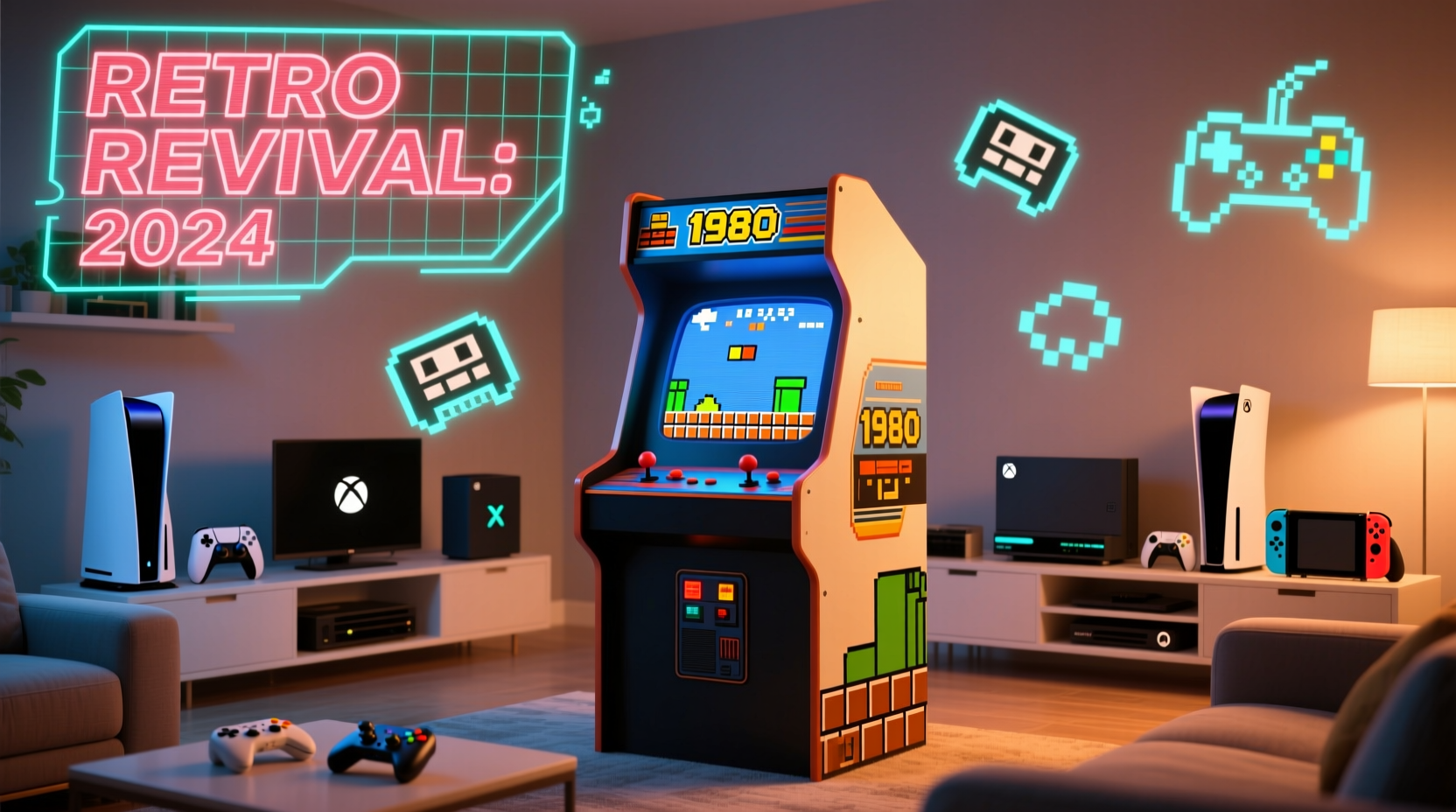
One of the most powerful drivers behind the vintage gaming revival is nostalgia. For millions of adults who grew up playing Super Mario Bros., Sonic the Hedgehog, or The Legend of Zelda, these games represent formative moments. Revisiting them offers not only entertainment but emotional comfort—a digital time capsule of youth.
Nintendo has masterfully tapped into this sentiment. The release of the NES Classic Edition and SNES Classic Edition sparked global demand, selling out within hours despite limited production runs. These mini-consoles weren’t just hardware; they were curated nostalgia boxes, preloaded with iconic titles that defined childhoods across the 1980s and 1990s.
Modern subscriptions like Nintendo Switch Online take this concept further by integrating retro libraries directly into current systems. Subscribers gain access to hundreds of titles from the NES, SNES, Game Boy, and even N64 eras—all playable on the go or at home with updated features like save states and online multiplayer.
“Nostalgia isn’t just about remembering the past—it’s about reconnecting with emotions tied to discovery, mastery, and joy. Vintage games deliver that instantly.” — Dr. Lena Torres, Media Psychologist & Game Culture Researcher
Game Design Appreciation: Why Older Games Still Matter
Beyond emotion, there's growing recognition of the craftsmanship in classic game design. Many early titles were developed under strict technical limitations—limited memory, low resolution, minimal audio channels—which forced creativity and precision. Developers had to make every byte count, resulting in tightly designed levels, intuitive mechanics, and rewarding progression systems.
Games like Metroid, Chrono Trigger, and Super Metroid are now studied in game design courses for their non-linear exploration and environmental storytelling. Similarly, platformers such as Mega Man X and Donkey Kong Country showcased tight controls and escalating challenge without relying on tutorials or hand-holding—something modern “walking simulator” critics often cite as missing in today’s titles.
This renewed respect has led to a wave of indie games inspired by retro aesthetics and mechanics. Titles like Hollow Knight, Celeste, and Shovel Knight emulate the visual style and gameplay rigor of the 16-bit era while adding modern quality-of-life improvements. Their success proves that well-crafted design transcends generations.
Accessibility and Preservation Through Modern Technology
Historically, playing vintage games required hunting down aging cartridges, maintaining obsolete hardware, or resorting to unofficial emulation—often legally murky and technically complex. Today, official re-releases eliminate those barriers.
Microsoft has been a leader in backward compatibility, allowing Xbox Series X|S owners to play select titles from the original Xbox, Xbox 360, and Xbox One with enhanced performance—including faster load times, higher resolutions, and smoother frame rates. Some games even support achievements from previous generations, preserving player history.
Sony’s PlayStation Plus Premium tier includes a robust catalog of PS1, PS2, and PSP classics, many optimized for modern displays. Meanwhile, third-party publishers like Capcom and Sega regularly release compilations such as the Capcom Arcade Stadium and Sonic Origins, complete with museum content, developer commentary, and alternate versions.
| Console/Service | Retro Support | Key Features |
|---|---|---|
| Nintendo Switch Online | NES, SNES, N64, Game Boy | Online multiplayer, save states, rewind function |
| Xbox (Series X|S) | Xbox, Xbox 360, some OG titles | Auto HDR, FPS Boost, Smart Delivery |
| PlayStation Plus Premium | PS1, PS2, PSP | Streaming + downloads, UI filters, rewind |
| Steam / GOG | DOS, 90s PC games | DRM-free options, community mods, cloud saves |
This institutionalized preservation ensures that seminal works aren’t lost to time. Emulation accuracy, legal licensing, and user-friendly interfaces make it easier than ever to explore gaming’s roots without technical hassle.
Curated Collections and Limited Releases: Scarcity Meets Demand
Publishers have also capitalized on collector culture by releasing premium physical editions of retro compilations. Limited-run consoles like the Analogue Pocket (a high-fidelity handheld for Game Boy cartridges) and Anbernic’s open-source retro devices appeal to enthusiasts seeking authenticity beyond software emulation.
However, it’s official releases that have made the broadest impact. Take the The Legend of Zelda: Echoes of the Past Collector’s Edition, which included a replica of the original 1986 instruction manual and a timeline art book. Or the Final Fantasy Pixel Remaster series, which updated music and visuals while retaining the original turn-based gameplay.
These products cater to both casual fans and dedicated collectors, blending historical reverence with modern polish. They reinforce the idea that vintage games aren’t relics—they’re living artifacts worthy of celebration and curation.
“We don’t restore old games to make them feel dated—we enhance them so their brilliance can be seen clearly through today’s lens.” — Hiroshi Takai, Lead Producer, Final Fantasy Pixel Remaster Series
Mini Case Study: The Success of the Sega Genesis Mini
In 2019, Sega launched the Genesis Mini, a miniature recreation of its iconic 16-bit console, preloaded with 40 games including Sonic the Hedgehog, Streets of Rage 2, and Mortal Kombat II. Unlike earlier mini-consoles, it offered two versions—one tailored for North America and another for Japan—highlighting regional differences in game libraries.
The Genesis Mini sold over 1.5 million units globally within its first year. Its success stemmed from careful selection: half the games were mainstream hits, while the other half included deep cuts favored by longtime fans. Additionally, inclusion of developer interviews and concept art via an online companion app added educational value.
Perhaps most telling was the audience. While many buyers were millennials reliving their youth, a significant number were teens and young adults discovering these titles for the first time. For them, the crisp sprite work and fast-paced action felt fresh—not outdated.
The Genesis Mini demonstrated that retro gaming isn’t solely about nostalgia. When presented thoughtfully, vintage experiences can resonate universally, regardless of when someone first picked up a controller.
Step-by-Step Guide: How to Explore Vintage Gaming on Your Modern Console
Interested in diving into retro gaming but unsure where to start? Follow this practical guide to get started on your existing hardware:
- Check Your Subscription Services: If you have a PlayStation Plus Premium, Xbox Game Pass Ultimate, or Nintendo Switch Online membership, browse the available retro catalogs. Look for filters like “classics” or “legacy.”
- Explore Digital Storefronts: Visit your console’s store and search for retro compilations (e.g., “Castlevania Anniversary Collection,” “TurboGrafx-16 Mini”). Read user reviews and watch gameplay clips.
- Start With Iconic Titles: Begin with genre-defining games like The Legend of Zelda (NES), Mega Man 2, or Kirby’s Adventure. These offer accessible entry points and showcase foundational design principles.
- Use Modern Enhancements: Enable save states, rewind functions, and CRT filter options if available. These tools help overcome archaic difficulty spikes without compromising the core experience.
- Join Communities: Engage with forums like r/retrogaming on Reddit or Discord servers dedicated to classic titles. Share discoveries, ask for tips, and participate in speedrun challenges.
- Consider Physical Collectibles: If you’re passionate, look into limited-edition mini-consoles or cartridge reproductions (from licensed vendors). Just verify authenticity before purchasing.
Frequently Asked Questions
Are emulated retro games identical to the originals?
Most officially licensed emulations aim for pixel-perfect accuracy, though some include enhancements like audio filtering, display smoothing, or border customization. True purists may notice minor input lag or timing differences, but for general play, they are extremely close to the original experience.
Is retro gaming only for older players?
No. While nostalgia drives much of the market, younger players increasingly appreciate retro games for their minimalist design, clear objectives, and lack of microtransactions. Many find them refreshingly straightforward compared to modern AAA titles with sprawling open worlds and complex UIs.
Can I play retro games offline on modern consoles?
It depends on the service. Nintendo Switch Online requires an active subscription even for offline play of retro titles. Xbox backward-compatible games can typically be played offline once downloaded. PlayStation’s retro offerings require download for local play, but streaming titles need constant internet access.
Actionable Tips for Getting the Most Out of Retro Gaming
- Pair retro sessions with modern context—read about the historical significance of the games you play.
- Experiment with different control schemes; some older games feel better with original-style D-pads than analog sticks.
- Try cooperative modes in classics like Teenage Mutant Ninja Turtles or Contra with friends or family.
- Support developers who prioritize preservation by purchasing official re-releases instead of pirated ROMs.
- Document your journey—keep a log of games completed, favorite discoveries, or personal high scores.
Conclusion: A Lasting Legacy in a Digital Age
The comeback of vintage gaming on modern consoles is more than a marketing strategy or sentimental indulgence. It represents a cultural acknowledgment of video games as art, history, and shared human experience. As technology accelerates, there’s increasing value in looking back—not to escape the present, but to understand how far we’ve come and what enduring qualities make a game truly timeless.
Whether you’re replaying the first game you ever beat or discovering EarthBound for the first time, these experiences connect us across decades. Publishers now recognize that preserving the past isn’t optional—it’s essential. And as long as players continue to seek meaning, challenge, and charm in classic titles, vintage gaming will remain not just relevant, but vital.




 浙公网安备
33010002000092号
浙公网安备
33010002000092号 浙B2-20120091-4
Comments
No comments yet. Why don't you start the discussion?