
A musty smell in the home is more than just unpleasant—it can signal underlying problems that persist despite your best cleaning efforts. You’ve scrubbed baseboards, laundered curtains, replaced air filters, and even used ozone generators, yet the stale, earthy odor lingers. The truth is, deep cleaning surfaces often fails to address the root causes of mustiness: trapped moisture, microbial growth, and compromised indoor air quality. Understanding why the smell returns—or never fully disappears—is the first step toward a truly fresh, healthy living environment.
The Hidden Sources of Musty Odors
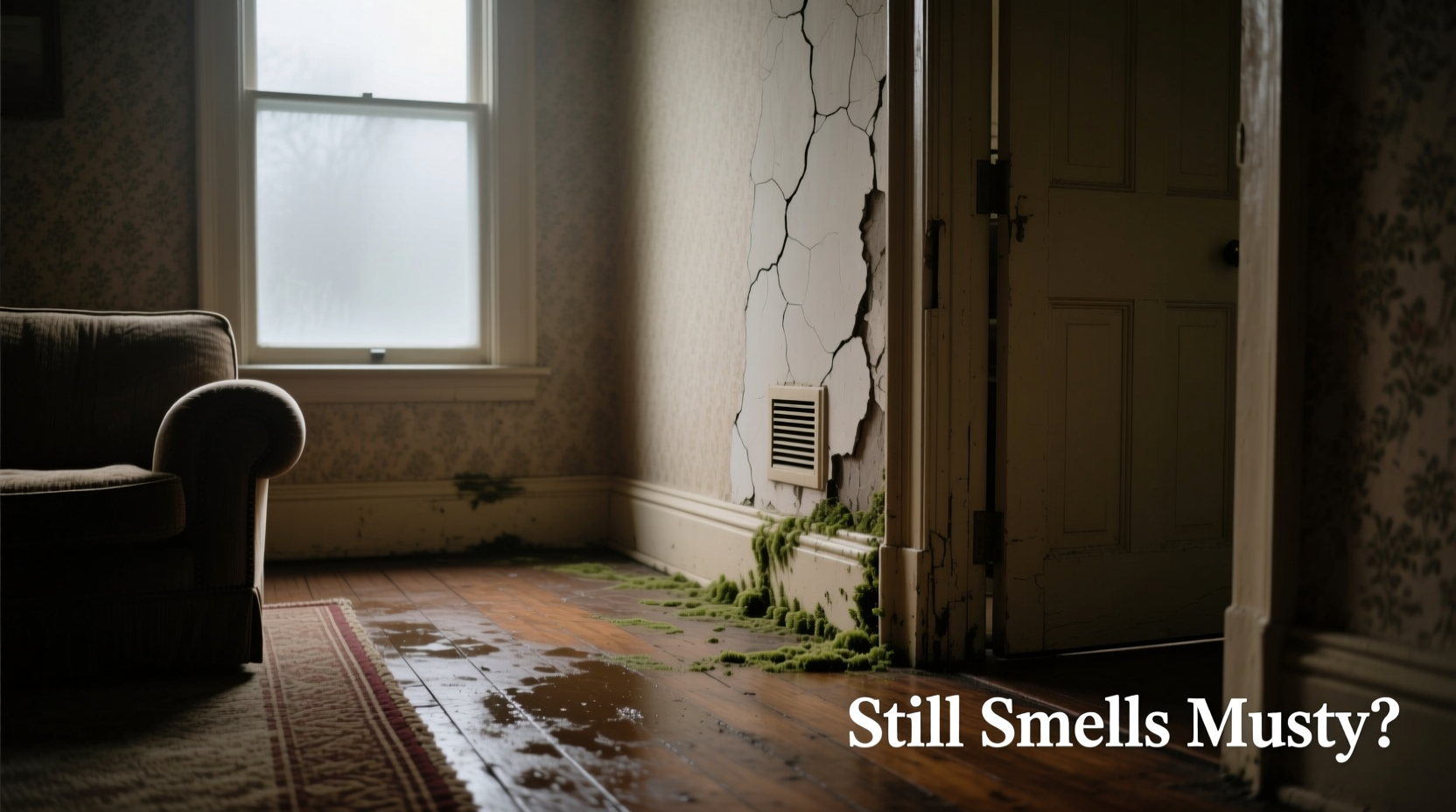
Musty odors are typically caused by microbial volatile organic compounds (mVOCs) released by mold and mildew as they grow. These gases have a distinct damp, earthy scent often compared to wet cardboard or old books. While surface cleaning removes visible grime, it doesn’t always reach the concealed reservoirs where mold thrives. Common hidden sources include:
- Behind walls – Leaks from plumbing or roof damage can saturate insulation and wall cavities.
- Under flooring – Especially carpet padding or hardwood subfloors exposed to spills or high humidity.
- In HVAC systems – Ductwork and air handlers can harbor mold if not properly maintained.
- Inside furniture – Upholstered pieces absorb moisture and are difficult to dry thoroughly.
- Attics and crawl spaces – Poor ventilation allows condensation to build up over time.
Mold spores are microscopic and airborne, meaning they can travel throughout the home and re-colonize cleaned areas if conditions remain favorable—namely, moisture and organic material like wood, paper, or fabric.
Why Deep Cleaning Isn’t Enough
Deep cleaning focuses on visible surfaces: mopping floors, wiping counters, shampooing carpets. But many homeowners overlook structural and environmental factors that perpetuate musty smells. Consider these limitations:
- Cleaning doesn’t fix moisture intrusion. If water seeps into your basement after rain or condenses on cold pipes, no amount of scrubbing will stop mold from returning.
- Chemical cleaners may mask odors but not destroy mold roots. Bleach, for example, kills surface mold on non-porous materials but can’t penetrate porous surfaces like drywall or wood.
- Odor-absorbing products don’t remove the source. Baking soda, activated charcoal, or air fresheners temporarily neutralize smells but do nothing to stop biological growth.
- Improper drying techniques trap moisture. Using fans without dehumidifiers in humid climates can spread spores while failing to lower ambient moisture.
As Dr. Rebecca Thompson, an indoor air quality specialist at the National Environmental Health Association, explains:
“Cleaning is reactive. True odor resolution requires proactive moisture control. You can disinfect a room today, but if relative humidity stays above 60%, you’ll have mold again in 72 hours.” — Dr. Rebecca Thompson, PhD, Indoor Air Quality Researcher
Step-by-Step Guide to Eliminate Persistent Mustiness
To permanently resolve a musty smell, follow this systematic approach:
- Inspect for Moisture Sources
Walk through each room with a flashlight and look for signs of water damage: discoloration on ceilings, peeling paint, warped baseboards, or soft spots in flooring. Check under sinks, behind toilets, and near windows during or after rainfall. - Test Humidity Levels
Use a hygrometer to measure relative humidity in key areas. Ideal indoor humidity is between 30% and 50%. Consistently higher readings indicate poor ventilation or infiltration. - Address Ventilation Deficiencies
Install exhaust fans in bathrooms and kitchens if none exist. Ensure attic vents are unobstructed. Consider an energy recovery ventilator (ERV) in tightly sealed homes to exchange stale indoor air with filtered outdoor air. - Inspect and Clean HVAC Systems
Replace filters monthly during peak seasons. Schedule professional duct cleaning if mold is suspected. Clean evaporator coils and drain pans, common breeding grounds for microbial growth. - Dry Out Problem Areas
Run dehumidifiers in basements and crawl spaces. For severe cases, use industrial-grade units with built-in pumps. Aim to reduce humidity below 50% for at least 72 hours to inhibit mold activity. - Treat Affected Materials
For porous materials like drywall or insulation showing mold, removal and replacement are often safer than attempted remediation. On salvageable surfaces, use EPA-registered mold killers containing hydrogen peroxide or quaternary ammonium compounds. - Seal and Protect
After drying and cleaning, apply mold-resistant sealants to concrete floors, basement walls, and wooden joists. Use mold-inhibiting paint additives when repainting high-moisture zones.
Do’s and Don’ts of Musty Smell Remediation
| Do’s | Don’ts |
|---|---|
| Use a HEPA vacuum to capture mold spores before cleaning | Use bleach on porous materials like drywall or carpet |
| Run dehumidifiers in damp areas daily | Ignore musty smells in seasonal or rarely used rooms |
| Hire a certified mold inspector for persistent issues | Paint over mold without treating the source |
| Fix leaks promptly—even small drips add up | Rely solely on air fresheners to solve the problem |
| Wash fabrics in hot water with vinegar or oxygen bleach | Delay action—mold spreads quickly in ideal conditions |
Real Example: A Basement That Wouldn’t Dry Out
Sarah from Columbus, Ohio, deep-cleaned her finished basement twice a year, including steam-cleaning rugs and washing paneling. Yet every spring, a musty odor returned. She replaced air filters, used odor absorbers, and even removed and stored furniture—but nothing worked.
After consulting a home inspector, she discovered the real culprit: a cracked foundation wall allowing groundwater to seep in slowly. The moisture wasn’t enough to cause pooling, but it saturated the concrete and raised humidity to 70%+ consistently. The inspector recommended sealing the crack from the outside, installing a sump pump, and placing a 50-pint dehumidifier on a timer. Within three weeks, the smell vanished and hasn’t returned in two years.
Sarah’s case illustrates a critical point: sometimes, the source isn’t inside the home—it’s beneath it.
Essential Checklist for Musty Smell Prevention
Use this checklist to systematically eliminate and prevent musty odors:
- ✅ Measure indoor humidity in all rooms (target: 30–50%)
- ✅ Inspect and clean HVAC ducts, filters, and drip pans
- ✅ Check for plumbing leaks under sinks and behind appliances
- ✅ Ensure bathroom and kitchen exhaust fans vent outdoors
- ✅ Clear debris from gutters and downspouts to direct water away from foundation
- ✅ Insulate cold water pipes to prevent condensation
- ✅ Remove or replace water-damaged porous materials (carpet, drywall)
- ✅ Run dehumidifiers in basements and crawl spaces
- ✅ Store firewood and plants outside—never indoors
- ✅ Schedule annual inspection for roof, foundation, and siding integrity
Frequently Asked Questions
Can I get rid of musty smells without finding the source?
No. Temporary solutions like air purifiers, candles, or baking soda may reduce odor intensity, but unless the moisture and microbial source are addressed, the smell will return. Long-term resolution requires identifying and eliminating the root cause.
Is a musty smell dangerous to health?
Prolonged exposure to mold and mVOCs can trigger respiratory issues, especially in individuals with asthma, allergies, or compromised immune systems. Symptoms may include coughing, sneezing, throat irritation, and headaches. The CDC advises addressing mold promptly to protect indoor air quality.
How long does it take to eliminate a musty smell?
With proper intervention—source removal, drying, and cleaning—most odors diminish within 3 to 7 days. However, if structural repairs are needed (e.g., fixing leaks or replacing insulation), the full process may take several weeks. Patience and consistency are key.
Conclusion: Take Control of Your Home’s Air Quality
A musty smell after deep cleaning isn’t a failure of effort—it’s a sign that deeper environmental factors are at play. Mold and mildew thrive in silence, feeding on unnoticed leaks, poor airflow, and elevated humidity. Surface cleaning alone cannot defeat them. By shifting focus from aesthetics to air quality and moisture management, you reclaim not just freshness, but health and peace of mind.
Start today: pick one room, measure its humidity, inspect for hidden dampness, and act. Whether it’s installing a simple exhaust fan, sealing a window frame, or calling a professional for a mold assessment, each step breaks the cycle of recurrence. A truly clean home isn’t just spotless—it’s dry, well-ventilated, and free of invisible threats.




 浙公网安备
33010002000092号
浙公网安备
33010002000092号 浙B2-20120091-4
Comments
No comments yet. Why don't you start the discussion?