
If you’ve pulled a load of laundry from the washer or dryer only to be greeted by a musty, sour odor—despite using detergent and fabric softener—you’re not alone. This common issue affects households across climates and washing routines. The sour smell doesn’t necessarily mean your clothes are dirty, but it does signal microbial activity: bacteria and mildew thriving in damp, warm environments. Left untreated, these odors can linger through multiple wears and even transfer to other garments. The good news? You don’t always need to rewash. With targeted, science-based interventions, you can neutralize sour smells effectively and safeguard future loads.
Understanding the Root Cause of Sour Laundry Smell
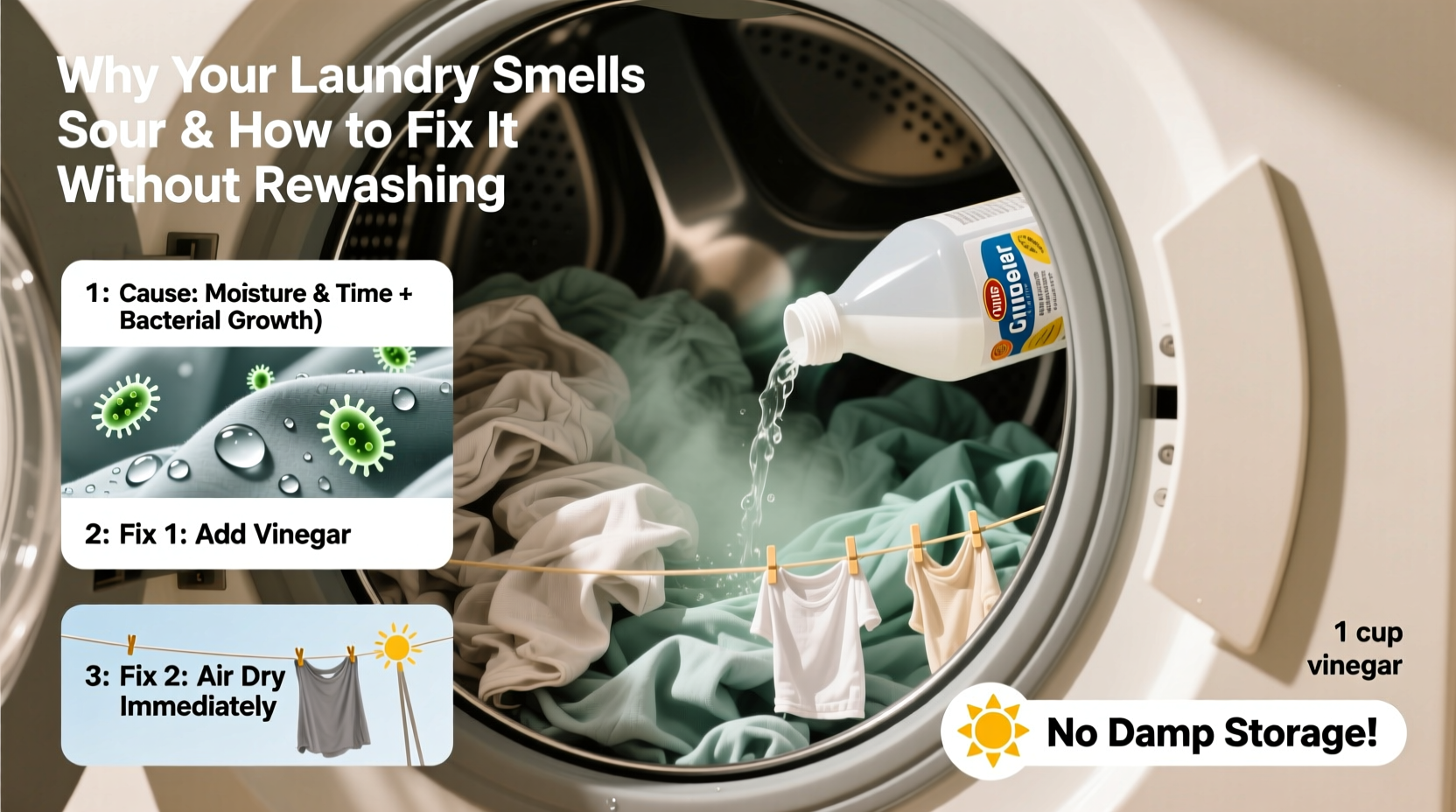
The sour smell in laundry is rarely due to poor washing technique alone. Instead, it stems from biological growth—specifically, bacteria such as Micrococcus and molds like Aspergillus—that feed on organic residues trapped in fabric fibers. These microorganisms thrive in moist, dark conditions, making your washing machine, damp laundry baskets, and poorly ventilated drying areas ideal breeding grounds.
Common sources of residue include:
- Sweat and body oils left in clothing after wear
- Residual detergent buildup (especially with high-sudsing formulas)
- Undissolved fabric softener coating fibers
- Leftover food stains, dairy spills, or sugary liquids that ferment
When moisture combines with these organic materials, bacteria begin breaking them down, producing volatile organic compounds (VOCs) that emit sour, vinegar-like, or even rotten egg odors. This process accelerates if wet clothes sit too long in the washer or are stored before fully drying.
“Laundry odor isn’t just about cleanliness—it’s about microbial ecology. If your machine stays damp between cycles, it becomes a petri dish.” — Dr. Lena Patel, Microbiologist & Textile Hygiene Researcher, University of Vermont
Immediate Fixes to Eliminate Sour Smell Without Rewashing
Rewashing uses extra water, energy, and time. Fortunately, several non-invasive techniques can refresh affected garments quickly and efficiently. These methods target odor-causing compounds directly rather than relying solely on detergents designed for dirt removal.
1. Air Out and Sun Dry
Natural ventilation and UV exposure are powerful deodorizers. Hang sour-smelling clothes outdoors on a dry, sunny day. Ultraviolet rays from sunlight disrupt bacterial DNA, killing surface microbes, while airflow disperses trapped VOCs.
2. Use Odor-Neutralizing Sprays
Commercial odor eliminators containing enzymes or activated charcoal break down odor molecules instead of masking them with fragrance. Alternatively, create a DIY solution:
- Mix 1 cup of distilled white vinegar with 2 cups of water in a spray bottle.
- Add 10 drops of essential oil (tea tree, eucalyptus, or lavender) for freshness.
- Mist lightly over garments, focusing on collars, underarms, and seams.
- Let air dry completely before storing.
Vinegar’s acetic acid disrupts microbial cell walls and neutralizes alkaline odor compounds, while essential oils offer antimicrobial properties.
3. Refresh with Baking Soda and Steam
Baking soda absorbs moisture and neutralizes acidic odors. Place affected garments in a sealed container or plastic bag with an open box of baking soda overnight. For faster results, use a garment steamer:
- Steam each section of the clothing slowly—the heat and moisture help release trapped gases.
- Follow immediately with airflow (fan or open window) to carry away volatilized compounds.
4. Freeze Overnight for Delicates
For dry-clean-only or delicate fabrics that can’t be sprayed or steamed, freezing kills many odor-causing bacteria. Seal garments in a zip-top freezer bag and leave in the freezer for 6–8 hours. Remove and allow to reach room temperature before airing out. While this won’t remove all residues, it halts microbial activity temporarily.
Step-by-Step Guide: Reviving Sour-Smelling Laundry in 24 Hours
This timeline outlines a complete, no-rewash restoration process suitable for most cotton, polyester, and blended fabrics.
| Time | Action | Purpose |
|---|---|---|
| Hour 0 | Remove clothes from storage; inspect for visible mold or stains | Identify items needing deeper treatment |
| Hour 1 | Spray vinegar-water solution on odor-prone zones | Begin neutralizing bacteria and acids |
| Hour 2 | Hang garments outside or near a fan indoors | Initiate off-gassing and drying |
| Hour 8 | Place in breathable cotton bag with baking soda sachet | Absorb residual moisture and odors |
| Hour 16 | Steam or iron (on appropriate setting) | Kill remaining microbes with heat |
| Hour 24 | Sniff test and store in dry, ventilated space | Confirm elimination and prevent recurrence |
Preventing Future Sour Smells: A Proactive Strategy
Eliminating existing odors is important, but preventing recurrence ensures long-term freshness. Many habits that contribute to sour laundry are subtle and go unnoticed until the problem escalates.
Optimize Your Washing Machine Routine
Your washing machine may be the primary culprit. Front-loaders, in particular, are prone to trapping water in door seals, detergent drawers, and drain pumps—creating a stagnant, biofilm-rich environment.
- Leave the washer door and detergent drawer open after each use to promote drying.
- Use high-efficiency (HE) detergent in correct amounts—excess suds trap dirt and moisture.
- Clean the rubber gasket weekly with a vinegar-soaked cloth to remove mold buildup.
Adjust Drying Practices
Under-drying is a leading cause of sour odors. Even slightly damp clothes provide enough moisture for bacteria to reactivate within hours.
- Ensure your dryer is properly vented and lint traps are cleaned after every load.
- Use the “extra dry” setting for towels and thick fabrics.
- For air drying, increase airflow with fans and avoid overcrowding lines.
- Rotate garments halfway through drying to expose hidden folds.
Reevaluate Detergent and Additive Choices
Some popular laundry products contribute to the problem. Fabric softeners and dryer sheets coat fibers with waxy residues that repel water and trap odors. Similarly, scented detergents may mask but not eliminate bacteria.
| Product Type | Do | Don’t |
|---|---|---|
| Detergent | Choose enzyme-based, fragrance-free formulas | Overuse or choose heavy-scented brands |
| Fabric Softener | Replace with wool dryer balls or vinegar rinse | Apply directly to clothes regularly |
| Stain Removers | Treat organic stains immediately | Let soiled clothes sit for days pre-wash |
Real Example: How One Household Solved Chronic Sour Smells
The Rivera family in Portland, Oregon, struggled with persistent sour odors in their children’s sports uniforms despite daily washing. After multiple rewashes failed, they consulted a local textile care specialist. Inspection revealed two issues: a clogged washer drain pump and excessive use of fabric softener.
Their solution included:
- Disassembling and cleaning the washing machine pump
- Switching to an HE detergent with protease enzymes
- Replacing fabric softener with a half-cup vinegar rinse
- Instituting a rule: no laundry sits longer than 1 hour post-cycle
Within two weeks, odors disappeared. More importantly, athletic gear began lasting longer, with less fading and fiber breakdown due to reduced chemical residue.
“Sometimes the problem isn’t the clothes—it’s the system around them.” — Carlos Mendez, Home Appliance Technician, Pacific Northwest Repair Co.
Essential Checklist: Prevent Sour Laundry Smell
Use this checklist weekly to maintain fresh, odor-free laundry:
- ✅ Remove wet clothes from the washer within 30–60 minutes of cycle end
- ✅ Clean washing machine gasket and detergent tray weekly
- ✅ Run a maintenance wash (hot water + vinegar) monthly
- ✅ Avoid overloading the washer or dryer
- ✅ Store clean clothes only when 100% dry
- ✅ Wash workout clothes immediately after use
- ✅ Use measured amounts of HE detergent—never “a little extra”
- ✅ Replace fabric softener with wool dryer balls or vinegar
Frequently Asked Questions
Can I use bleach to fix sour-smelling laundry?
Yes, but cautiously. Chlorine bleach kills bacteria effectively but can degrade fabric strength and fade colors over time. For whites, add ½ cup bleach to a warm wash cycle. For colored fabrics, use oxygen-based bleach (sodium percarbonate), which is gentler and breaks down into harmless byproducts.
Why do my towels smell sour even after drying?
Towels are especially prone to sour smells because they’re dense, absorbent, and often used in humid bathrooms. Residual body oils and soap scum get trapped deep in fibers. To prevent this, wash towels in hot water every 3–4 uses, avoid fabric softener, and ensure they’re fully dry before folding. Adding ½ cup baking soda to the wash helps lift odors naturally.
Is sour-smelling laundry harmful to health?
While occasional exposure isn’t dangerous, chronic contact with moldy or bacteria-laden clothing can trigger skin irritation, allergies, or respiratory issues—especially in sensitive individuals. Persistent odors indicate microbial colonization, which should be addressed promptly to maintain hygiene and fabric integrity.
Final Thoughts: Freshness Starts with Prevention
Dealing with sour-smelling laundry doesn’t require constant rewashing or expensive products. It demands awareness of how moisture, residue, and microbes interact in your home environment. By applying simple fixes like vinegar sprays, proper drying, and machine maintenance, you restore freshness efficiently. More importantly, adopting preventive habits protects your wardrobe, saves resources, and reduces household stress.
Start today: open your washer door, check your last load’s dryness, and assess your detergent choices. Small changes yield lasting results. Clean shouldn’t just look clean—it should stay clean.




 浙公网安备
33010002000092号
浙公网安备
33010002000092号 浙B2-20120091-4
Comments
No comments yet. Why don't you start the discussion?