
Sitting cross-legged is a common posture across cultures—whether you're lounging on the couch, meditating, or chatting with friends. But if you've ever felt that sudden tingling, numbness, or \"pins and needles\" in your leg after holding the position for a few minutes, you're not alone. This sensation, often described as your leg “falling asleep,” is more than just discomfort—it’s a physiological response triggered by your nervous system. Understanding the science behind it can help you adjust your habits and avoid unnecessary strain.
The experience varies from person to person, but most describe it as a gradual loss of sensation followed by a prickly reawakening when movement resumes. While usually harmless, frequent or prolonged episodes may signal deeper postural or neurological concerns. Let’s explore the anatomy, causes, prevention strategies, and when it might be time to consult a professional.
The Science Behind Numbness: How Nerves React to Pressure
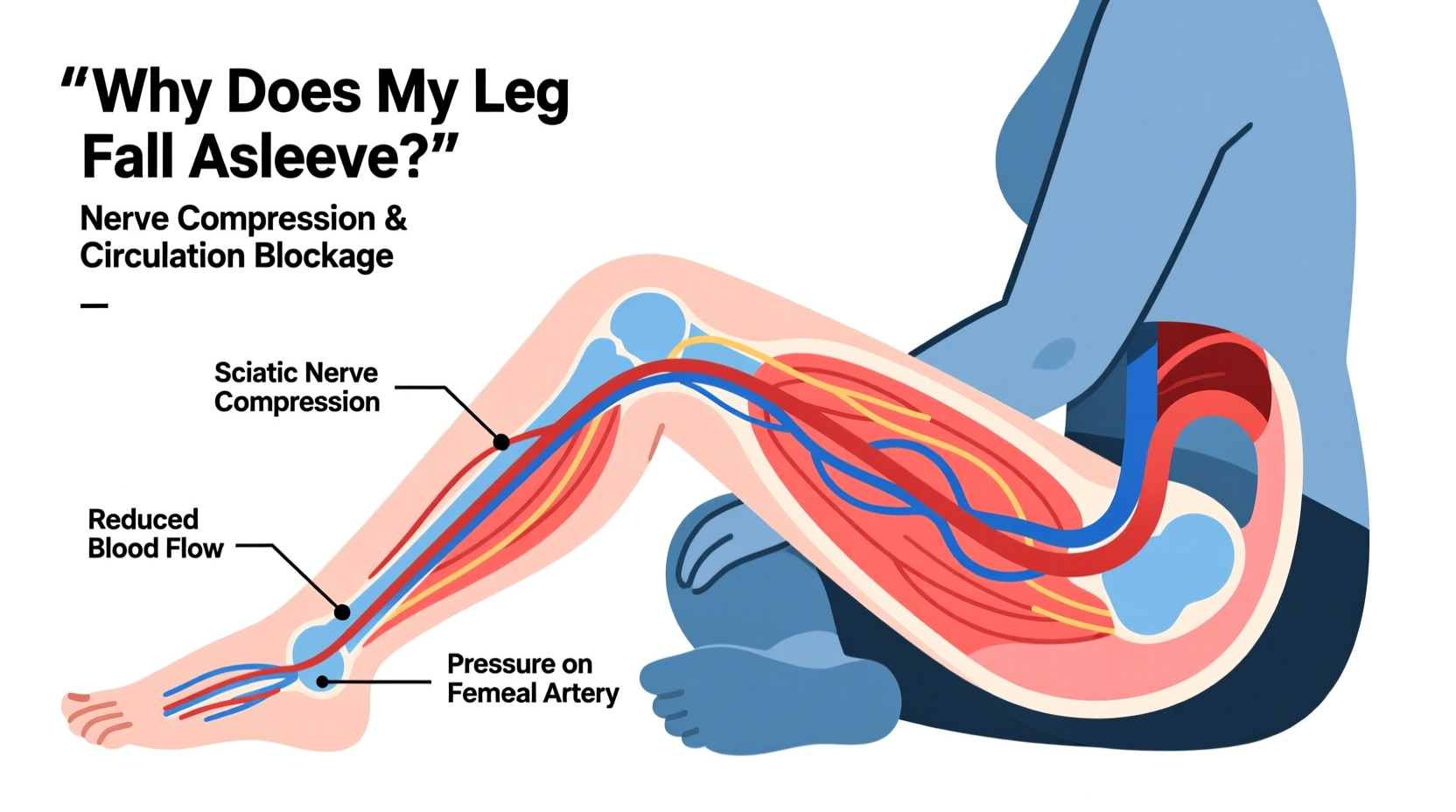
Your body relies on a complex network of nerves to transmit signals between your brain and limbs. When you sit cross-legged, especially for extended periods, you compress nerves and blood vessels in the hips, thighs, and lower legs. The primary culprit is often the **peroneal nerve**, which runs along the outer side of your knee and plays a key role in sensation and movement in the lower leg and foot.
Nerve compression disrupts the normal flow of electrical signals. Think of it like kinking a garden hose—the water (or in this case, neural impulses) can't pass through efficiently. As pressure builds, the nerve's ability to communicate weakens, leading to temporary numbness. Blood flow restriction compounds the issue, depriving tissues of oxygen and contributing to the odd sensations when circulation returns.
“Prolonged nerve compression—even for just 10–15 minutes—can temporarily impair motor function and sensation. The body responds with paresthesia, commonly known as ‘pins and needles.’” — Dr. Lena Torres, Neurologist at Pacific Spine & Nerve Institute
This phenomenon is medically referred to as **paresthesia**. It’s typically transient and resolves once pressure is relieved. However, repeated or sustained compression could lead to more persistent symptoms, particularly in individuals with pre-existing nerve conditions like sciatica or diabetes-related neuropathy.
Anatomy at Play: Key Nerves and Vessels Affected
To fully grasp why cross-legged sitting leads to numbness, it helps to identify the anatomical structures involved:
- Common fibular (peroneal) nerve: Wraps around the head of the fibula near the knee. Highly vulnerable to compression when the leg is bent and crossed.
- Femoral nerve: Runs through the front of the thigh; can be compressed in deep hip flexion.
- Saphenous nerve: A sensory branch affecting inner thigh and calf sensation.
- Femoral and popliteal arteries/veins: Major blood vessels that may be partially restricted during prolonged sitting.
When you cross your legs, the top leg often rests directly over the knee or calf of the bottom leg. This places direct pressure on the peroneal nerve, especially if your ankle presses into the side of your opposite knee. Over time, reduced blood flow amplifies the effect, accelerating the onset of numbness.
Why Some People Experience It More Than Others
Not everyone feels their leg fall asleep at the same rate. Several factors influence individual susceptibility:
| Factor | Effect on Numbness Risk |
|---|---|
| Body Composition | Higher muscle mass may offer some nerve protection; low body fat can increase pressure sensitivity. |
| Hip Flexibility | Tighter hip flexors increase joint angle strain, raising nerve compression risk. |
| Pre-existing Conditions | Diabetes, sciatica, or lumbar disc issues heighten nerve vulnerability. |
| Posture Duration | Longer sitting sessions exponentially increase numbness likelihood. |
| Clothing Tightness | Tight jeans or bands can add external pressure on nerves and vessels. |
For example, someone with tight hamstrings or limited hip mobility may adopt a more strained cross-legged position, increasing pressure points. Meanwhile, a yoga practitioner accustomed to seated poses may tolerate longer durations due to greater flexibility and awareness of alignment.
Mini Case Study: Office Worker with Recurring Leg Numbness
Mark, a 34-year-old software developer, reported frequent leg numbness after working at his desk. He often sat cross-legged in his chair during calls, sometimes for over 30 minutes. Initially dismissing it as normal, he began noticing lingering tingling even after standing up. A physical therapist evaluated him and found mild peroneal nerve irritation linked to habitual leg crossing and poor ergonomic setup.
After adjusting his seating posture, incorporating hourly stretch breaks, and using a footrest to reduce hip flexion, Mark’s symptoms resolved within three weeks. His case highlights how seemingly minor habits can accumulate into noticeable neurological feedback.
How to Prevent Your Leg from Falling Asleep
While occasional numbness isn’t dangerous, preventing it improves comfort and supports long-term nerve health. Here’s a practical checklist to minimize risk:
✅ Prevention Checklist
- Limit cross-legged sitting to under 10 minutes at a time.
- Switch leg positions frequently to distribute pressure.
- Keep both feet flat on the floor when possible, especially at work.
- Avoid tucking one foot tightly under the opposite thigh.
- Use cushions or chairs that support neutral hip alignment.
- Wear loose clothing around the legs and waist.
- Incorporate daily stretches for hips, hamstrings, and calves.
Additionally, strengthening core and glute muscles can improve pelvic stability, reducing compensatory postures that increase nerve strain. Simple exercises like bridges, clamshells, and seated forward folds support better biomechanics over time.
Step-by-Step Guide: Transitioning Out of Cross-Legged Position Safely
- Notice early signs: Tingling, warmth, or slight heaviness are warnings.
- Uncross gently: Slowly release the top leg without jerking.
- Reposition feet: Place both soles flat on the floor, knees at 90 degrees.
- Mobilize gradually: Wiggle toes, then ankles, then perform small knee bends.
- Stand slowly: Rise with support if needed to avoid dizziness or stumbling.
- Walk mindfully: Take short steps until full sensation returns.
Rushing this process can lead to imbalance or accidental injury, especially if motor control is temporarily impaired. Patience allows nerves and circulation to normalize safely.
When to Be Concerned: Red Flags and Medical Advice
Most cases of leg numbness from cross-legged sitting resolve within seconds to minutes. However, certain symptoms warrant medical evaluation:
- Numbness lasting more than 30 minutes after changing position
- Weakness in the foot or difficulty lifting the toes (foot drop)
- Recurring episodes without obvious cause
- Pain radiating down the leg, especially from the lower back
- Symptoms affecting both legs simultaneously
Persistent nerve compression can lead to **neuropraxia**, a temporary loss of nerve conduction. In rare cases, chronic pressure may contribute to **peroneal nerve palsy**, which affects foot movement and requires physical therapy or bracing.
If you have diabetes, multiple sclerosis, or a history of spinal issues, consult your healthcare provider before assuming symptoms are benign. Early intervention prevents progression and supports optimal nerve function.
Frequently Asked Questions
Can sitting cross-legged damage nerves permanently?
Occasional numbness is unlikely to cause permanent damage. However, repeated or prolonged compression—especially over months or years—may lead to chronic nerve irritation or localized neuropathy. Moderation and awareness are key.
Is it bad to sit cross-legged all day?
Yes. Extended cross-legged sitting increases risks of nerve compression, poor circulation, and pelvic misalignment. It may also contribute to hip joint stress and lower back strain. Opt for ergonomic seating with proper lumbar support instead.
Does being more flexible reduce the risk?
Generally, yes. Greater flexibility in the hips, hamstrings, and lower back allows for less strained postures, reducing pressure on nerves and blood vessels. Regular stretching and mobility work can make a measurable difference.
Final Thoughts: Listening to Your Body’s Signals
Your body communicates through sensation—and numbness is a clear message that something needs adjustment. Sitting cross-legged isn’t inherently harmful, but treating it as a default posture ignores the biomechanical realities of nerve pathways and circulation. Awareness, moderation, and small habit shifts go a long way in maintaining comfort and function.
Whether you’re working, relaxing, or socializing, prioritize movement variety. Stand, stretch, shift, and reset throughout the day. These micro-adjustments protect your nervous system and enhance overall well-being. Don’t wait for discomfort to dictate change—start today by tuning into how your body responds to everyday postures.




 浙公网安备
33010002000092号
浙公网安备
33010002000092号 浙B2-20120091-4
Comments
No comments yet. Why don't you start the discussion?