
Lipstick is one of the most powerful tools in a makeup lover’s arsenal—capable of transforming a look from neutral to striking in seconds. But nothing undermines that polished finish faster than color seeping into fine lines around the mouth. This phenomenon, commonly known as “lipstick bleed,” doesn’t just make lips look messy; it can age the face and diminish the impact of an otherwise flawless makeup application. Understanding why this happens—and how to stop it—is essential for anyone who wants their lip color to stay sharp, defined, and long-lasting.
The causes are often rooted in skin texture, product choice, and preparation habits. The good news? With the right techniques and products, especially effective priming and skincare, you can significantly reduce or even eliminate bleeding. This guide breaks down the science behind the issue and offers actionable strategies to keep your lip color where it belongs.
Why Lipstick Bleeds: The Science Behind the Smudge
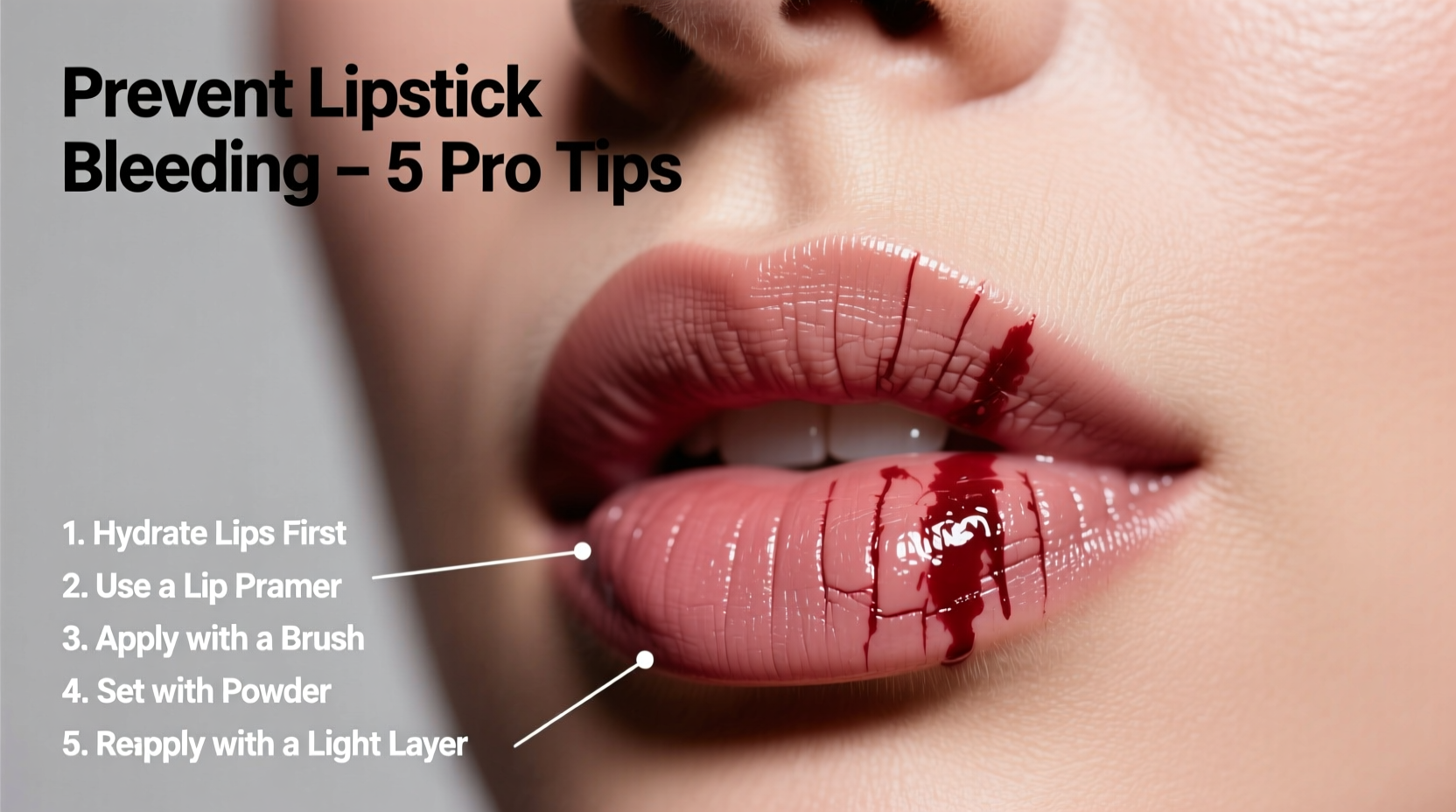
Lipstick migration occurs when pigment settles into the natural creases and fine lines surrounding the lips. These lines become more pronounced with age due to decreased collagen production, sun exposure, and repetitive facial movements like smiling or talking. However, younger individuals aren’t immune—dehydrated skin or improper prep can cause early signs of feathering.
The primary reasons lipstick bleeds include:
- Dry or uneven lip texture: Cracked or flaky lips create grooves where pigment can pool and spread.
- Natural oils and moisture: The perioral area produces oil, which can break down lipstick over time, causing it to migrate.
- Use of emollient-rich formulas: Glossy or creamy lipsticks often contain oils and waxes that glide easily—but also creep into lines.
- Aging skin: As skin loses elasticity, vertical lip lines deepen, creating channels for color to travel.
- Incorrect application technique: Skipping lip liner, applying too much product, or blotting improperly can exacerbate movement.
According to Dr. Rachel Kim, a cosmetic dermatologist based in Los Angeles, “The lip border is one of the most dynamic zones on the face. It moves constantly, and its thin skin lacks the robust support of other facial areas. That makes it highly susceptible to product migration without proper prep.”
“Prevention starts weeks before application—not minutes. Healthy lip tissue resists bleeding far better than dry, damaged skin.” — Dr. Rachel Kim, Cosmetic Dermatologist
The Role of Primer: Creating a Smooth Canvas
Lip primer is no longer a luxury—it’s a necessity for clean, lasting color. Think of it as foundation for your lips: it smooths texture, controls shine, and creates a barrier between your skin and pigment.
Effective lip primers typically contain ingredients such as:
- Silicones (like dimethicone): Fill in fine lines and create a silky, even surface.
- Hydrating agents (hyaluronic acid, shea butter): Prevent cracking without greasiness.
- Mattifying powders: Absorb excess oil to prevent slippage.
- Peptides or plumping complexes: Some advanced primers offer mild line-reducing benefits over time.
Not all primers are created equal. While some focus purely on grip and longevity, others double as treatment products. For mature lips or those prone to deep lines, consider a medical-grade or dermatologist-formulated option with reparative ingredients.
Step-by-Step Guide to Prevent Lipstick Bleeding
Follow this detailed routine every time you apply lipstick for maximum definition and staying power.
- Exfoliate gently (2–3 times per week): Use a soft toothbrush or sugar scrub to remove dead skin. Over-exfoliation can damage the delicate lip barrier, so moderation is key.
- Hydrate deeply: Apply a non-greasy balm and let it absorb for 5–10 minutes. Avoid petroleum-heavy balms right before makeup—they can interfere with adhesion.
- Blot excess moisture: Lightly press a tissue over your lips to remove any residue. You want hydration, not slickness.
- Apply lip primer: Focus on the outer perimeter and any visible lines. Blend evenly with your fingertip.
- Line precisely: Use a sharpened, matte-textured lip liner that matches your lipstick. Start at the cupid’s bow and follow your natural lip line, slightly overlining only if desired. Reinforce the corners, where bleeding often begins.
- Fill in completely: Use the liner to shade in your entire lip. This creates a base layer that helps the lipstick adhere and last longer.
- Apply lipstick with a brush: A brush gives more control than a tube, allowing you to avoid spillover. Build color gradually.
- Set with powder (optional): For extra hold, place a single-ply tissue over your lips and dust translucent powder through it.
- Final touch-up: Clean up any stray edges with a small concealer brush and opaque concealer for a crisp, salon-quality finish.
Do’s and Don’ts: Lipstick Application Best Practices
| Do | Don’t |
|---|---|
| Use a matte or satin-finish lipstick for less migration | Apply glossy formulas without setting them |
| Prime lips daily, even under balm | Skip skincare—dry lips attract more bleeding |
| Choose lip liners one shade darker than your lipstick | Use overly shiny or liquid lipsticks on un-prepped lips |
| Reapply after eating by blotting and adding a thin layer | Rub lips together aggressively after application |
| Invest in a good magnifying mirror for precision | Use expired or dried-out products that cling unevenly |
Real Example: How Sarah Fixed Her Feathering Problem
Sarah, a 42-year-old marketing executive, struggled with her favorite red lipstick bleeding within an hour of application. She’d reapply constantly, only to find the color creeping further into lines by midday. Frustrated, she consulted a makeup artist during a professional photoshoot.
The artist noticed Sarah was using a richly emollient balm right before lipstick and skipping liner. She advised Sarah to switch to a hydrating serum balm at night, exfoliate twice weekly, and adopt a new morning routine: cleanse, prime, line, then apply a matte liquid lipstick. Within days, Sarah saw a dramatic improvement. “I finally feel confident in meetings,” she said. “My lips look sharp, not smudged.”
This case illustrates how small changes—especially in prep and product selection—can yield significant results.
Checklist: Prevent Lipstick Bleeding in 7 Steps
Print or save this checklist for daily use:
- ☑ Gently exfoliate lips 2–3 times per week
- ☑ Apply a lightweight hydrating balm and let it absorb
- ☑ Blot lips to remove excess oil
- ☑ Use a smoothing lip primer
- ☑ Line lips precisely with a matching pencil
- ☑ Fill in with liner before lipstick
- ☑ Apply color with a brush and clean edges with concealer
Frequently Asked Questions
Can I use face primer on my lips?
While some facial primers are safe for lips, they’re not optimized for the thinner skin in that area. Facial primers may be too heavy or contain fragrances that irritate. Always opt for a product specifically formulated for lips to avoid adverse reactions.
Is there a long-term solution for deep lip lines?
Yes. Beyond daily makeup tricks, dermatological treatments like laser resurfacing, chemical peels, or hyaluronic acid fillers can soften deep perioral lines. These should be performed by licensed professionals and require maintenance. At-home options include retinol-based lip serums (used cautiously) and consistent SPF protection to prevent further breakdown.
Does matte lipstick really stay in place better?
Generally, yes. Matte and semi-matte formulas contain less oil and are designed to adhere tightly to the skin. However, very drying mattes can accentuate flakiness, which ironically worsens bleeding. Look for comfortable matte finishes that balance longevity with hydration.
Conclusion: Sharp Lips Start with Smart Habits
Lipstick bleeding isn’t inevitable—it’s a fixable issue rooted in preparation, product choice, and technique. By treating your lips with the same care as the rest of your face, you create a stable foundation for color that lasts. From nightly hydration to precise lining and smart priming, each step builds toward a cleaner, more polished result.
The goal isn’t perfection, but confidence. When your lipstick stays put, you spend less time worrying about touch-ups and more time expressing yourself. Whether you're heading to a meeting, a date, or just want to feel put-together at home, these methods empower you to wear bold color without compromise.




 浙公网安备
33010002000092号
浙公网安备
33010002000092号 浙B2-20120091-4
Comments
No comments yet. Why don't you start the discussion?