
Brown tips on a monstera plant are one of the most common issues faced by indoor gardeners. While they may seem alarming, they rarely indicate a fatal problem. More often than not, brown tips point to an imbalance in care—especially in how the plant is watered. Monsteras, with their large, fenestrated leaves, are sensitive to moisture fluctuations. When the delicate leaf margins begin to turn brown, it's usually a cry for help rooted in hydration habits.
Understanding the underlying causes and implementing targeted watering adjustments can reverse damage and prevent future browning. This guide breaks down the primary reasons behind brown tips, focusing specifically on watering-related triggers, and provides actionable solutions backed by horticultural best practices.
What Causes Brown Tips on Monstera Plants?
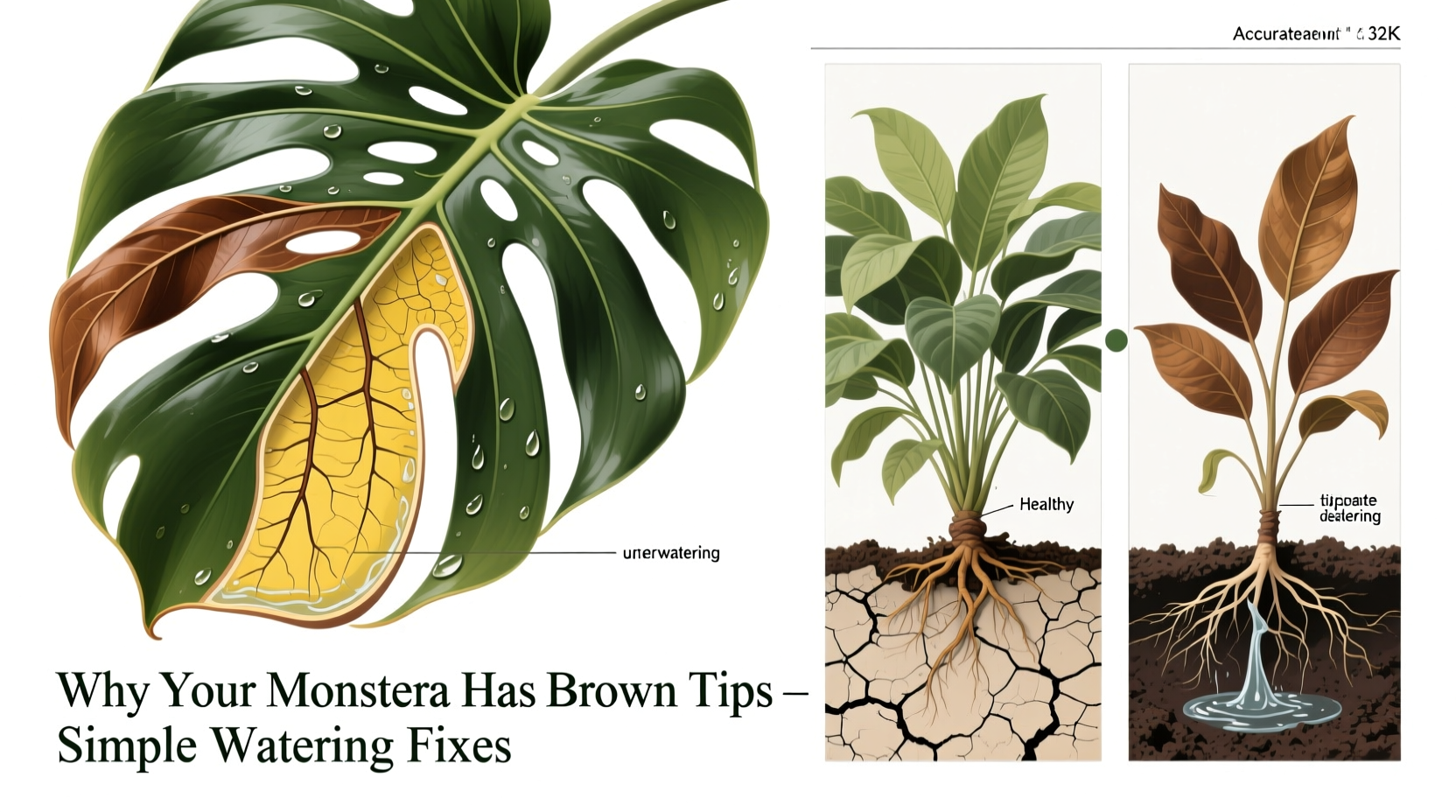
Brown leaf tips occur when the plant experiences stress at the cellular level. The edges of the leaves are the farthest from the vascular system and thus the first to suffer when resources are limited or conditions are harsh. While several factors can contribute—such as low humidity, fertilizer burn, or pest infestations—watering issues remain the most frequent culprit.
The two main watering problems leading to brown tips are underwatering and overwatering. Both result in poor moisture distribution within the plant, but they stem from opposite ends of the spectrum.
- Underwatering: When a monstera doesn’t receive enough water, the plant redirects moisture to essential functions, sacrificing older leaves and their tips.
- Overwatering: Excess water drowns the roots, impairing their ability to absorb oxygen and nutrients, which leads to root rot and, subsequently, leaf discoloration.
In addition, inconsistent watering patterns—alternating between drought and flood—can confuse the plant’s internal systems, causing stress that manifests as browning.
Step-by-Step Watering Fixes for Brown-Tipped Monsteras
Correcting brown tips starts with reevaluating your watering routine. Follow this step-by-step process to bring your monstera back to health through proper hydration.
- Assess the current condition. Check the soil moisture, leaf texture, and root health. Crispy, papery brown tips suggest underwatering. Soft, mushy bases with yellowing leaves point to overwatering.
- Adjust your watering frequency. Water only when the top 1–2 inches of soil are dry. In most indoor environments, this means every 7–10 days during active growth (spring and summer) and every 2–3 weeks in winter.
- Use the soak-and-drain method. Water thoroughly until water flows freely from the drainage holes. This ensures even moisture distribution and encourages deep root development.
- Empty the saucer after 15 minutes. Prevent root rot by removing excess water that accumulates beneath the pot.
- Observe and adapt. Monitor your plant weekly. Adjust timing based on temperature, light, and humidity changes throughout the year.
This method promotes consistent hydration without waterlogging, allowing the plant to recover gradually.
Common Watering Mistakes and How to Avoid Them
Even well-meaning plant owners make errors that compromise their monstera’s health. Recognizing these missteps is crucial to preventing recurring issues.
| Mistake | Why It’s Harmful | Solution |
|---|---|---|
| Watering on a fixed schedule | Ignores environmental variables like light and humidity, leading to over- or under-watering | Check soil moisture before each watering instead of relying on the calendar |
| Using cold tap water | Chlorine and fluoride in tap water can accumulate and damage leaf tissue; cold water shocks roots | Let tap water sit out for 24 hours to dechlorinate, or use filtered or rainwater at room temperature |
| Shallow watering | Only moistens surface soil, encouraging weak root growth and dry pockets deeper down | Water slowly and deeply until runoff occurs, ensuring full saturation |
| Ignoring pot material | Plastic retains moisture longer than terracotta, increasing risk of overwatering | Choose porous pots like terracotta for better airflow and adjust watering frequency accordingly |
Real Example: Recovering a Neglected Monstera
Sarah, a plant enthusiast in Chicago, noticed her monstera developing brown tips despite regular watering. She assumed she was doing everything right—watering every Saturday, placing it near a bright window, and fertilizing monthly. But the browning persisted.
After consulting a local nursery, she realized she was watering on autopilot. During winter, the plant needed less water due to lower light and humidity. The soil remained damp for days, suffocating the roots. Sarah switched to checking the soil weekly. She repotted the plant into a terracotta container with fresh, well-draining mix and began using filtered water left overnight.
Within six weeks, new growth emerged—lush, green, and unfenestrated but healthy. The existing brown tips didn’t heal, but no new ones appeared. Her consistency restored balance.
“Monsteras thrive on rhythm, not routine. Respond to the plant’s needs, not the clock.” — Dr. Linda Park, Urban Horticulturist at Greenhouse Institute
Supportive Care Practices Beyond Watering
While watering is central, other factors influence whether brown tips develop. Addressing these enhances the effectiveness of your hydration strategy.
Humidity Management
Monsteras originate from tropical forests where humidity exceeds 60%. Most homes hover around 30–40%, creating a dry environment that pulls moisture from leaf edges.
Proper Drainage Is Non-Negotiable
A pot without drainage holes traps water, accelerating root rot. Even if you water correctly, poor drainage undermines your efforts.
Always use containers with adequate drainage. If you love a decorative pot without holes, use it as a cache—remove the inner nursery pot when watering and let it drain fully before replacing.
Fertilizer Balance
Excess salts from fertilizer can build up in the soil, drawing moisture away from roots and burning leaf tips. This often compounds watering issues.
Flush the soil every 3–4 months by running several times the pot volume in water through it to leach out accumulated minerals. Reduce fertilizer during fall and winter when growth slows.
Checklist: Fixing and Preventing Brown Tips
Use this checklist to systematically address and prevent brown tips on your monstera:
- ✅ Check soil moisture before watering—only water when top 1–2 inches are dry
- ✅ Use room-temperature, dechlorinated water
- ✅ Ensure your pot has drainage holes
- ✅ Water deeply until water drains from the bottom
- ✅ Empty the saucer within 15–30 minutes after watering
- ✅ Maintain humidity above 50% using a humidifier or pebble tray
- ✅ Flush soil every 3 months to prevent salt buildup
- ✅ Repot every 1–2 years with fresh, well-aerated mix (e.g., perlite, orchid bark, coco coir)
- ✅ Trim severely damaged leaves with clean scissors to redirect energy to healthy growth
- ✅ Observe seasonal changes and adjust care accordingly
Frequently Asked Questions
Can brown tips go away on their own?
No, once leaf tissue turns brown, it cannot revert to green. However, correcting the underlying issue will stop new browning and allow healthy new growth to emerge. You can trim off the brown edges for aesthetics, but it’s not required for plant health.
Should I cut the brown tips off my monstera?
You can, but do so carefully. Use sterilized scissors and follow the natural curve of the leaf to avoid giving it a “notched” appearance. Only remove dead or dying tissue—avoid cutting into green areas. Trimming improves appearance but won’t cure the cause.
Is tap water safe for monsteras?
Not always. Many municipal water supplies contain chlorine, fluoride, and dissolved minerals that accumulate in soil and damage sensitive foliage. Let tap water sit uncovered for 24 hours to allow chlorine to evaporate, or switch to filtered, distilled, or rainwater. Always use water at room temperature to avoid shocking the roots.
Final Thoughts: Consistency Over Perfection
Brown tips on a monstera are rarely a death sentence—they’re a signal. They tell you that something in the plant’s environment is out of balance, and more often than not, it’s related to how it’s being watered. The solution isn’t complicated: observe, adjust, and stay consistent.
Plants respond to care with resilience. By refining your watering technique, ensuring proper drainage, and supporting your monstera with stable humidity and clean soil, you’ll see improvements in weeks. New leaves will unfurl wider, greener, and free of browning.
Don’t aim for perfection—aim for attentiveness. A thriving monstera isn’t the result of a rigid schedule, but of responsive, informed care. Start today: feel your plant’s soil, review your habits, and make one small change. That’s how lasting results grow.




 浙公网安备
33010002000092号
浙公网安备
33010002000092号 浙B2-20120091-4
Comments
No comments yet. Why don't you start the discussion?