
A runny nose is a familiar annoyance—often tied to colds, allergies, or changes in weather. But when nasal discharge occurs predominantly from just one nostril, it raises questions. Why would mucus flow from only one side? While occasional one-sided drainage might not be alarming, persistent or recurring unilateral rhinorrhea (the medical term for a runny nose) can signal underlying conditions that deserve attention.
The human nasal system is complex. It’s designed for filtration, humidification, and temperature regulation of inhaled air. The two nasal passages don’t always function symmetrically due to natural variations in anatomy, environmental exposure, and physiological rhythms. However, consistent one-sided symptoms should prompt investigation into possible causes ranging from minor irritants to structural abnormalities or even rare pathologies.
Understanding Nasal Physiology and the Cycle of Alternation
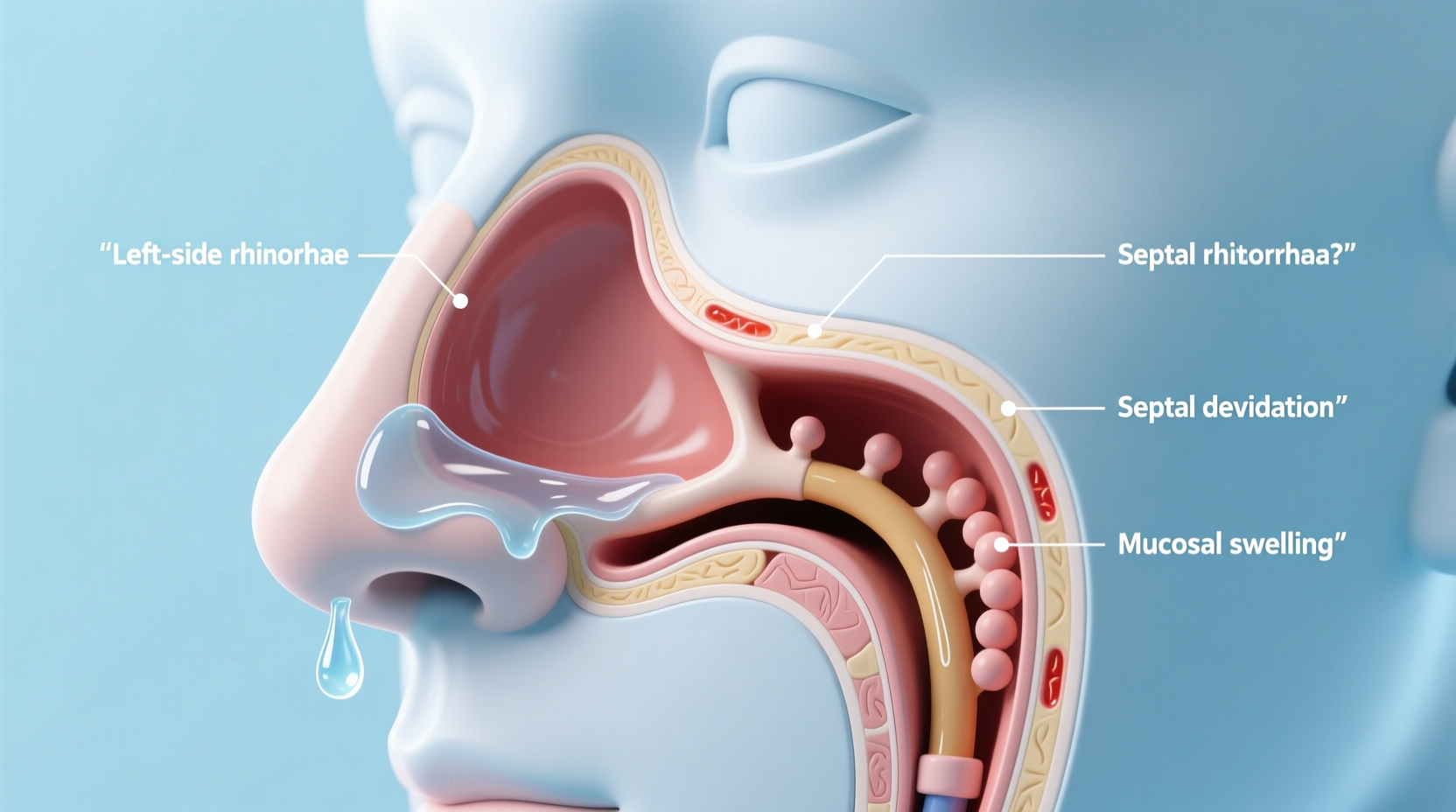
The nasal cycle is a normal physiological process where blood flow to the erectile tissue inside each nostril alternates every few hours. This means one nostril becomes more congested while the other remains open, improving airflow efficiency and moisture retention. Most people aren’t aware of this cycle unless congestion makes it noticeable.
During the dominant phase of one nostril, increased airflow can lead to greater exposure to allergens, irritants, or dry air, which may trigger localized mucus production. As a result, you might experience a slightly runnier sensation on the more open side. This subtle imbalance usually resolves on its own and isn't cause for concern.
“Up to 80% of healthy adults experience some degree of asymmetric nasal airflow due to the nasal cycle. It's part of normal respiratory function.” — Dr. Lena Patel, Rhinology Specialist, Boston Sinus Institute
However, if the one-sided runniness persists beyond typical cycles—lasting days or weeks—it likely points to something beyond routine physiology.
Common Causes of Unilateral Runny Nose
Several factors can lead to persistent nasal discharge from one side. Identifying the root cause is essential for proper treatment.
Allergies and Localized Irritation
While allergies typically affect both sides, uneven exposure can create the illusion of unilateral symptoms. For example, sleeping with your head turned to one side may expose one nostril more directly to dust mites in bedding or pet dander near the pillow. Similarly, working near a window or vent on one side of your face could increase allergen intake through that nostril.
In such cases, the affected side produces more mucus as a protective response. Over-the-counter antihistamines or saline rinses often help reduce symptoms.
Sinus Infections (Sinusitis)
Viral or bacterial sinus infections frequently begin unilaterally before spreading. When infection affects only one maxillary or frontal sinus, it can cause one-sided nasal discharge, facial pressure, and postnasal drip. The mucus may appear yellow or green and be accompanied by reduced smell or headache behind the eye on the same side.
Acute sinusitis typically lasts less than four weeks. Chronic cases lasting longer than 12 weeks may require imaging or specialist evaluation.
Nasal Polyps or Tumors
Nasal polyps are noncancerous growths that develop in response to chronic inflammation, often from asthma, allergies, or recurring infections. Though they can occur bilaterally, early-stage polyps may appear on one side first, obstructing airflow and causing persistent drainage from the opposite or same side depending on blockage dynamics.
Rarely, benign or malignant tumors can present with unilateral rhinorrhea. Other warning signs include facial numbness, vision changes, nosebleeds, or bulging of the eye. These warrant immediate medical assessment.
Deviated Septum or Structural Abnormalities
A deviated nasal septum—where the thin wall between nostrils is displaced to one side—affects up to 80% of people to some degree. Severe deviations can obstruct one nasal passage, leading to poor drainage, mucus buildup, and compensatory overproduction on the clearer side.
This imbalance often results in chronic congestion on one side and increased mucus flow from the other. Some individuals also report frequent sinus infections or difficulty breathing during exercise.
Cerebrospinal Fluid Leak (CSF Rhinorrhea)
One of the most serious but rare causes of one-sided clear nasal discharge is a cerebrospinal fluid (CSF) leak. This occurs when trauma, surgery, or spontaneous rupture allows brain fluid to drain into the nasal cavity. The fluid is typically clear, watery, and persistent, often worsening when leaning forward.
Key indicators include:
- Unilateral, constant clear drainage
- Salty or metallic taste in the mouth
- Headaches that improve when lying down
- Recent head injury or history of intracranial surgery
CSF leaks are dangerous because they increase the risk of meningitis. Diagnosis involves beta-2 transferrin testing of nasal fluid and CT or MRI scans.
When to Seek Medical Evaluation
Most cases of one-sided nasal discharge resolve with time or basic care. However, certain red flags indicate the need for prompt professional assessment:
| Symptom | Possible Implication | Action Recommended |
|---|---|---|
| Clear, watery discharge that worsens when bending forward | Possible CSF leak | Seek emergency evaluation |
| Foul-smelling, thick discharge from one side | Foreign body (especially in children) or fungal sinusitis | ENT consultation within 48 hours |
| Nosebleeds + one-sided blockage + facial pain | Possibility of tumor or polyp | Imaging and endoscopic exam |
| Loss of smell on one side with persistent runniness | Chronic inflammation or obstruction | See an otolaryngologist |
Step-by-Step Guide to Managing and Diagnosing One-Sided Rhinorrhea
If you're experiencing persistent unilateral nasal discharge, follow this structured approach to determine whether home care is sufficient or medical intervention is needed.
- Monitor Symptoms for 7–10 Days: Track the color, consistency, frequency, and triggers of your nasal discharge. Note any associated symptoms like headaches, fever, or vision changes.
- Try Conservative Measures: Use saline nasal sprays, steam inhalation, and allergy medications if appropriate. Avoid known irritants like smoke or strong perfumes.
- Evaluate Response: If symptoms improve within a week, continue supportive care. If unchanged or worsening, proceed to next step.
- Consult a Primary Care Provider: They can assess for infection, allergies, or refer you to a specialist.
- See an ENT Specialist if Indicated: For persistent symptoms, especially with red flags, an ear, nose, and throat doctor can perform nasal endoscopy, order imaging (CT/MRI), or test nasal fluid.
Real-Life Example: A Case of Misdiagnosed CSF Leak
Mark, a 45-year-old office worker, experienced a clear, watery drip from his right nostril for nearly three months. He assumed it was allergies and used antihistamines without success. His primary care physician diagnosed vasomotor rhinitis and prescribed a steroid spray. When symptoms persisted and he developed daily headaches that worsened when standing, he sought a second opinion.
An ENT specialist performed a nasal endoscopy and ordered a CT cisternography. The scan revealed a small defect in the skull base near the right ethmoid sinus. Beta-2 transferrin testing confirmed the fluid was cerebrospinal fluid. Mark underwent endoscopic repair surgery and made a full recovery. Early detection prevented meningitis, highlighting the importance of recognizing atypical presentations.
Prevention and Daily Management Tips
While not all causes of unilateral rhinorrhea can be prevented, several strategies can reduce risk and manage symptoms effectively.
- Practice good nasal hygiene with regular saline irrigation (e.g., neti pot).
- Treat allergies proactively with environmental control and medication.
- Avoid inserting objects into the nose, especially in children.
- Wear protective headgear during high-risk activities to prevent skull fractures.
- Stay hydrated to keep mucus thin and easier to clear.
Checklist: Actions to Take If Your Nose Runs on One Side
- ✅ Observe the color and consistency of the discharge (clear, yellow, bloody, foul-smelling)
- ✅ Check for recent head trauma or surgical history
- ✅ Try saline rinses twice daily for 5–7 days
- ✅ Eliminate potential allergens (dust, pets, pollen)
- ✅ Monitor for additional symptoms (headache, vision changes, loss of smell)
- ✅ Schedule an ENT visit if symptoms last more than 10 days or include red flags
Frequently Asked Questions
Can a foreign object cause one-sided nasal discharge?
Yes, particularly in children. A lodged object like a bead or food particle can cause persistent, foul-smelling discharge from one nostril. Adults with cognitive impairments or a history of nasal procedures are also at risk. Removal by a healthcare provider is necessary.
Is it normal for my nose to run more on one side when I have a cold?
Slight asymmetry during a cold is common due to uneven swelling of nasal tissues. However, if only one side is affected throughout the illness or continues after recovery, further evaluation may be warranted.
Can stress or weather changes cause one-sided rhinorrhea?
Stress doesn’t directly cause nasal discharge, but it can exacerbate conditions like vasomotor rhinitis, which leads to unpredictable mucus production. Cold, dry air or sudden temperature shifts may also stimulate nerve-mediated secretion, sometimes affecting one side more due to airflow patterns.
Conclusion: Listen to Your Body’s Signals
Your nose running on one side may seem trivial, but it can be a meaningful clue about your health. From harmless anatomical quirks to rare but serious conditions like CSF leaks, the underlying cause determines the urgency and type of care needed. Ignoring persistent symptoms can delay diagnosis and lead to complications.
By paying attention to patterns, using practical self-care strategies, and knowing when to seek expert help, you protect not just your comfort but your long-term well-being. Don’t dismiss unilateral nasal symptoms as “just allergies” without evaluating their duration and character.




 浙公网安备
33010002000092号
浙公网安备
33010002000092号 浙B2-20120091-4
Comments
No comments yet. Why don't you start the discussion?