
It’s 1:30 a.m., and your phone lights up with a message from your partner. It’s not an emergency. It’s not urgent. Yet here they are—texting again, deep into the night. You’re left wondering: Why now? Is this normal? Does it mean they’re avoiding me during the day? Or worse—do they only reach out when they’re lonely or bored?
Texting late at night is increasingly common in modern relationships, but its implications can vary widely depending on context, personality, and emotional needs. While some couples thrive on late-night conversations, others find them confusing or even disruptive. Understanding the underlying reasons—and how these habits affect your bond—is key to building healthier communication patterns.
The Psychology Behind Late-Night Texting
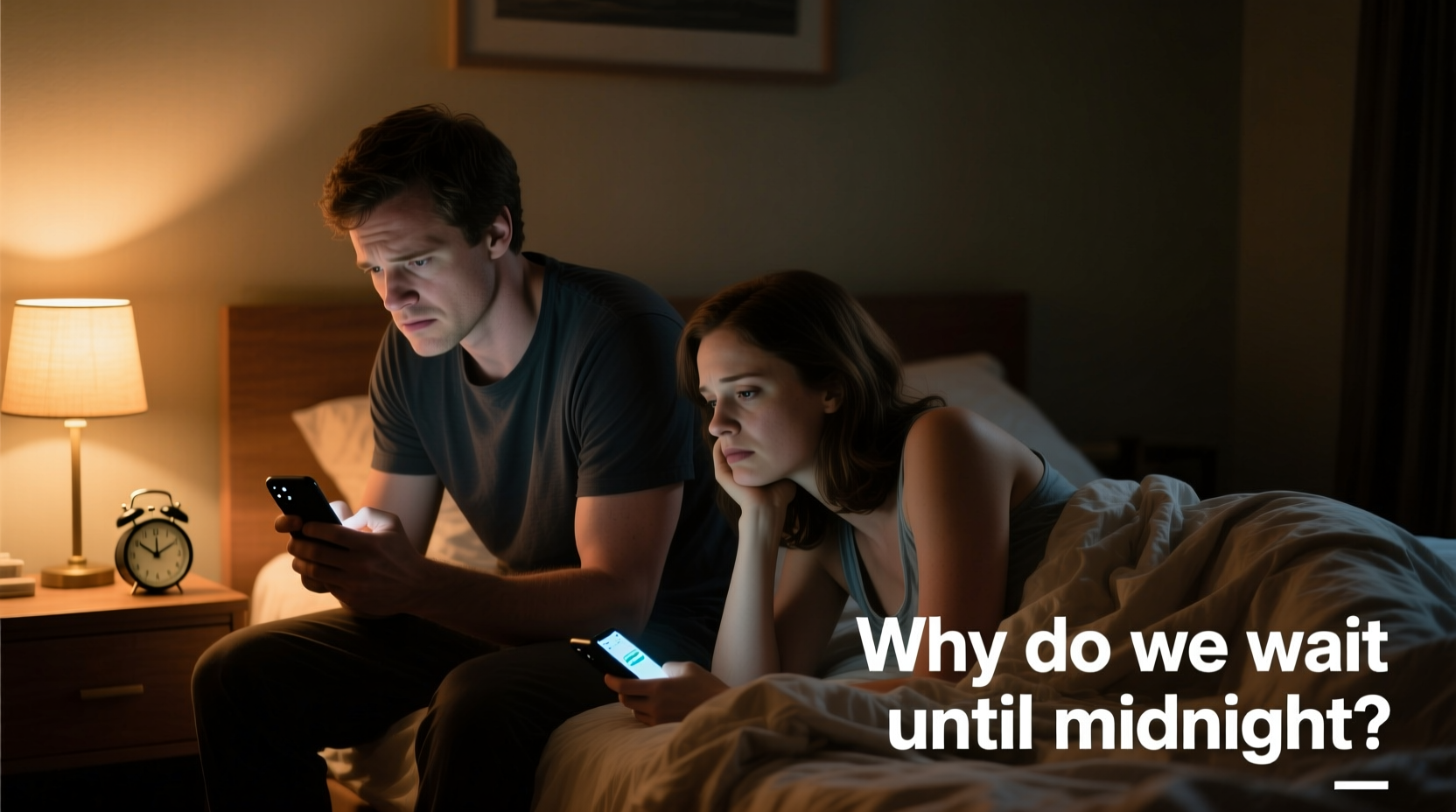
Humans are creatures of rhythm, and our communication often aligns with our internal clocks and daily stress cycles. For many people, nighttime offers a rare window of solitude and reflection. The noise of the day fades—the emails stop, social obligations end, and the mind begins to unwind. This quiet space often triggers emotional openness, making individuals more inclined to reach out to loved ones.
Psychologists refer to this phenomenon as “emotional availability windows.” During high-stress hours (like workdays), people may suppress emotional expression. But at night, when defenses lower, thoughts about intimacy, longing, or unresolved issues surface. A late-night text might be less about timing and more about emotional release.
“Late-night communication often reflects a person’s need for connection after a day of emotional suppression. It’s not always about convenience—it’s about vulnerability.” — Dr. Lena Reyes, Clinical Psychologist & Relationship Specialist
However, emotional availability doesn’t excuse boundary violations. If one partner consistently texts at 2 a.m. while the other values sleep and routine, tension builds. The mismatch isn’t just logistical—it’s symbolic of differing needs and expectations.
Common Reasons Your Partner Texts Late at Night
There’s no single explanation for late-night texting. Motives range from thoughtful to self-centered. Below are seven frequent drivers:
- Night Owl Personality: Some people are naturally more alert and communicative at night. Their peak energy comes after 10 p.m., making late chats feel natural.
- Work or Schedule Demands: Shift workers, freelancers, or those in different time zones may only have free time late at night.
- Emotional Loneliness: They may feel isolated and seek reassurance through messages, especially if they live apart.
- Habitual Connection: Late texts started early in the relationship and became a ritual—even if it no longer serves both partners equally.
- Avoidance of Daytime Conflict: Some delay tough conversations until late at night, thinking it’s safer or less confrontational.
- Seeking Attention Without Commitment: In less secure dynamics, late-night messages can be a way to feel close without investing in consistent daytime engagement.
- Sentimental Timing: They remember you before bed—a gesture meant to affirm connection, like saying “goodnight” or sharing a thought that crossed their mind.
When Late-Night Texting Becomes a Problem
Occasional late messages aren’t inherently harmful. But patterns matter. If late-night texting disrupts your sleep, creates anxiety, or feels one-sided, it may signal deeper issues.
Sleep is foundational to emotional regulation. Repeatedly waking to notifications can fragment rest, increase irritability, and reduce relationship satisfaction over time. Research from the University of Pittsburgh found that individuals who use phones frequently at night report higher levels of relationship conflict and lower emotional well-being.
Moreover, imbalance in communication effort—where one person initiates all late-night contact while the other disengages—can breed resentment. One partner may feel used for emotional support without reciprocation. Another may feel pressured to respond despite exhaustion.
Red Flags to Watch For
| Behavior | Potential Meaning | Action Step |
|---|---|---|
| Texts only between 11 p.m. and 2 a.m., never during the day | Limited emotional investment outside late hours | Discuss daytime connection opportunities |
| Gets upset if you don’t reply immediately at midnight | Unrealistic expectations or dependency | Set clear response-time boundaries |
| Uses late texts to start arguments or share heavy emotions | Poor conflict timing; may avoid face-to-face talks | Agree on better times for serious discussions |
| Messages stop abruptly if you don’t respond | Seeks validation, not dialogue | Encourage mutual responsibility in communication |
Building Healthier Communication Patterns: A Step-by-Step Guide
If late-night texting is causing friction, small shifts can lead to meaningful change. Here’s how to realign your communication rhythm together:
- Track the Pattern (Week 1): Note when messages occur, their tone, and how you feel afterward. Share findings without blame.
- Initiate a Calm Conversation: Choose a neutral time—preferably daytime—to discuss your observations. Use “I” statements: “I’ve been feeling tired lately when my phone buzzes late. Can we talk about our messaging habits?”
- Share Sleep and Energy Needs: Be honest about your ideal wind-down routine. Ask about theirs. Identify overlap in availability.
- Co-Create a Communication Agreement: Decide together on acceptable texting hours. For example: “We’ll avoid non-urgent texts after 10:30 p.m.”
- Replace Late Messages with Alternatives: Suggest voice notes, shared journals, or morning check-ins to maintain closeness without disruption.
- Reinforce Positive Change: Acknowledge improvements. Celebrate consistency.
Mini Case Study: Sarah and Marcus
Sarah, a teacher, wakes at 5:30 a.m. and values uninterrupted sleep. Her partner Marcus, a software developer, regularly works past midnight and often texts Sarah around 1 a.m. with updates, jokes, or affectionate messages. At first, Sarah found it sweet. But over months, the disruptions led to fatigue and short tempers.
After a particularly tense argument about her lack of responsiveness, they scheduled a weekend conversation. Sarah explained how the late pings pulled her from deep sleep, affecting her mood and performance. Marcus admitted he didn’t realize the impact—he thought he was being romantic.
Together, they agreed on a new rule: no non-emergency texts after 10 p.m. Marcus began leaving voice notes instead, which Sarah could listen to in the morning. They also added a nightly 15-minute call before his usual wind-down. Within three weeks, both reported feeling more connected—and more rested.
Checklist: Creating Balanced Messaging Habits
Use this checklist to assess and improve your texting dynamics:
- ☐ Both partners feel heard when discussing communication preferences
- ☐ Agree on acceptable texting hours based on mutual schedules
- ☐ Establish a protocol for urgent vs. casual messages
- ☐ Replace disruptive late texts with alternative connection methods
- ☐ Check in monthly to evaluate what’s working and what’s not
- ☐ Respect each other’s sleep hygiene as an act of care
FAQ: Common Questions About Late-Night Texting
Is it bad if my partner only texts at night?
Not necessarily—but it depends on context. If daytime interaction is limited and nighttime becomes the sole channel for emotional connection, it may indicate avoidance, mismatched schedules, or unequal effort. Open dialogue is essential to determine whether the pattern supports or undermines your relationship.
Should I respond to late-night texts immediately?
No. You’re not obligated to reply instantly, especially if it interferes with rest. Consider setting do-not-disturb hours on your phone. Communicate your boundaries kindly: “I love hearing from you, but I’m usually asleep by 10:30. I’ll get back to you in the morning!”
Could late-night texting be a sign of emotional unavailability?
In some cases, yes. If someone consistently reaches out only when alone or emotionally vulnerable—but avoids deeper engagement during the day—it may reflect attachment insecurity. They enjoy the comfort of connection but resist the responsibilities of consistent presence. Therapy or couples counseling can help unpack these dynamics.
Conclusion: Aligning Connection With Care
Communication is the heartbeat of any relationship. But like any vital rhythm, it needs balance. Late-night texting isn’t inherently good or bad—it’s a behavior that gains meaning through context, intention, and impact. What matters most is whether it strengthens your bond or subtly erodes it.
Healthy relationships honor both emotional intimacy and personal well-being. By understanding why your partner texts late—and sharing your own needs with clarity and compassion—you create space for deeper trust. Small adjustments in timing can lead to significant gains in respect, energy, and connection.




 浙公网安备
33010002000092号
浙公网安备
33010002000092号 浙B2-20120091-4
Comments
No comments yet. Why don't you start the discussion?