
Rabbits are naturally curious, intelligent animals with a strong instinct to chew. While this behavior is completely normal, it becomes dangerous when your pet starts gnawing on electrical cords. A single bite can lead to electrocution, fire hazards, or serious injury. Understanding why rabbits chew cords—and more importantly, how to redirect this behavior—is essential for responsible ownership. This guide explores the biological and psychological reasons behind cord-chewing, outlines practical prevention methods, and provides humane alternatives to keep your rabbit safe and satisfied.
The Natural Instinct to Chew
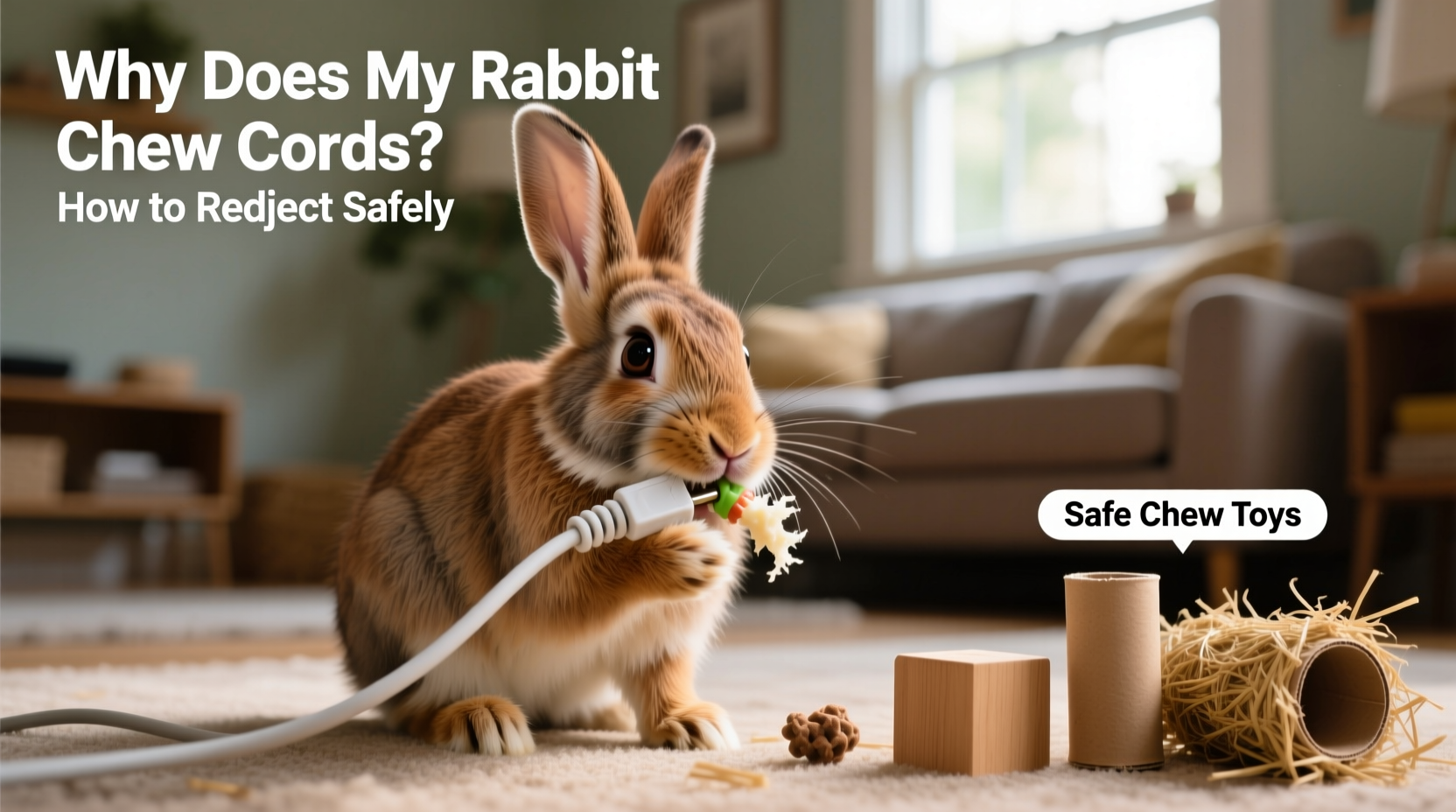
Rabbits are born to chew. Their teeth grow continuously throughout their lives—at a rate of about 3 inches per year. To prevent overgrowth, which can cause pain, difficulty eating, and even death, rabbits must wear down their teeth constantly. Chewing hard materials like hay, wood, and cardboard helps maintain proper dental health.
In the wild, rabbits chew twigs, bark, and fibrous plants. In a domestic setting, they often mistake household items—especially cords—for natural chewing material. Cords may resemble vines or roots in texture and shape, making them an appealing target. Additionally, plastic-coated wires emit subtle odors from heat and insulation that can attract curious noses.
“Chewing isn’t destructive behavior—it’s survival behavior. The key is not to stop chewing, but to guide it appropriately.” — Dr. Lena Torres, Exotic Veterinarian & Animal Behavior Specialist
Dangers of Cord Chewing
Allowing a rabbit access to electrical cords poses multiple life-threatening risks:
- Electrocution: Even low-voltage cords can deliver a fatal shock if bitten through. Symptoms include burns, cardiac arrest, respiratory failure, or sudden death.
- Fire hazard: Damaged insulation can spark, especially under furniture or rugs where airflow is limited.
- Poisoning: Ingesting plastic, copper, or chemical coatings leads to gastrointestinal blockages or toxicity.
- Behavioral reinforcement: If a rabbit chews a cord without consequence, the behavior becomes harder to break over time.
How to Redirect Chewing Safely: A Step-by-Step Guide
Redirecting your rabbit’s chewing habits requires patience, consistency, and environmental enrichment. Follow this six-step process to create a safer home while meeting your rabbit’s natural needs.
- Assess and secure high-risk zones. Identify all accessible cords—under desks, behind TVs, near baseboards. Use cord protectors (flexible spiral tubing), cable management boxes, or PVC conduit to block access.
- Provide abundant chewable alternatives. Stock your rabbit’s space with safe, engaging options such as willow balls, applewood sticks, compressed hay blocks, and cardboard tubes.
- Enrich the environment daily. Boredom fuels destructive chewing. Rotate toys weekly, hide treats in paper bags, or stuff toilet paper rolls with herbs.
- Supervise during free-roam time. Until your rabbit consistently avoids cords, limit unsupervised access to rooms with wiring. Use baby gates or exercise pens to define safe zones.
- Reinforce good choices positively. When your rabbit chews acceptable items, praise gently or offer a small treat. Avoid yelling or punishment, which increases anxiety and worsens chewing.
- Neuter or spay your rabbit. Intact rabbits often exhibit more territorial and stress-related chewing. Sterilization reduces hormonal drives and promotes calmer behavior.
Best Chew Alternatives for Rabbits
Not all chew toys are equal. Some materials can splinter, cause impaction, or contain harmful substances. The following table compares safe versus unsafe options:
| Safe Chew Options | Why It’s Safe | Unsafe Alternatives | Why It’s Dangerous |
|---|---|---|---|
| Willow, apple, or pear wood sticks | Natural, non-toxic, soft enough to chew without damaging teeth | Pine or cedar branches | Contain aromatic oils that irritate respiratory tracts |
| Unbleached cardboard tubes and boxes | Fibrous texture satisfies gnawing urge; easily digestible if ingested | Glossy magazines or printed paper | Ink and dyes may be toxic; low nutritional value |
| Compressed hay cubes or biscuits | High fiber supports digestion and dental wear | Cereal, bread, or crackers | High starch causes gut imbalance and obesity |
| Paper towel rolls (empty) | Simple, free, and highly engaging when stuffed with hay | Plastic toys or synthetic ropes | Can cause intestinal blockages if swallowed |
Real-Life Example: Bella the Curious Lop
Bella, a 1-year-old Holland Lop, began chewing the lamp cord beside her enclosure. Her owner, Mark, noticed frayed insulation and acted quickly. Instead of scolding Bella, he consulted a rabbit-savvy vet who recommended environmental enrichment and structural changes.
Mark wrapped all nearby cords in spiral protectors and installed a low shelf with rotating chew toys. He introduced a “chew station” filled with fresh applewood sticks, cardboard castles, and hay-stuffed tubes. Whenever Bella approached the lamp, he redirected her to the station with a piece of cilantro. Within two weeks, she stopped showing interest in the cord entirely.
“It wasn’t about stopping her from chewing,” Mark said. “It was about giving her better things to chew.”
Prevention Checklist: Rabbit-Proof Your Home
Use this checklist to systematically eliminate cord-chewing risks and support healthy behavior:
- ✅ Cover all exposed cords with durable cord protectors or conceal them in PVC pipes.
- ✅ Install cable organizers or raceways along baseboards.
- ✅ Provide at least 3 different types of safe chew toys in each room your rabbit accesses.
- ✅ Offer unlimited grass hay (timothy, orchard, oat) to satisfy dental and dietary needs.
- ✅ Rotate toys weekly to prevent boredom.
- ✅ Supervise free-roaming time until consistent redirection is established.
- ✅ Spay or neuter your rabbit by 4–6 months of age.
- ✅ Block off tight spaces behind furniture where cords accumulate heat and dust.
Common Misconceptions About Rabbit Chewing
Many owners unintentionally worsen the problem due to misunderstandings about rabbit behavior.
- Misconception: “My rabbit is chewing because it’s angry or spiteful.”
Truth: Rabbits don’t act out of revenge. Chewing is driven by biology, not emotion. - Misconception: “If I cover the cord, my rabbit will forget about it.”
Truth: Scent and memory persist. Physical barriers must be combined with positive redirection. - Misconception: “Only young rabbits chew excessively.”
Truth: All rabbits chew daily for dental health, regardless of age. - Misconception: “A little chewing is harmless.”
Truth: One puncture in a live wire can result in instant fatality. There is no safe level of cord access.
Frequently Asked Questions
Can I train my rabbit not to chew at all?
No—and you shouldn’t try. Chewing is biologically necessary for rabbits to maintain healthy teeth and digestion. The goal is not elimination, but redirection toward safe, appropriate materials.
Are bitter sprays effective for preventing cord chewing?
They can help as a short-term deterrent, but only when used alongside environmental enrichment. Relying solely on taste aversion ignores your rabbit’s need to chew and may increase stress. Choose food-grade, non-toxic sprays if used, and reapply frequently.
How much chewing is normal?
A healthy rabbit chews throughout the day, primarily on hay and safe wooden or cardboard items. If your rabbit seeks out non-food objects like walls, fabric, or cords, it may indicate insufficient fiber, lack of stimulation, or underlying dental issues. Consult a veterinarian if abnormal chewing persists.
Creating a Long-Term Solution
Sustainable change comes from understanding your rabbit’s needs, not just reacting to unwanted behaviors. A rabbit that chews cords is signaling unmet needs—whether for mental stimulation, dental wear, or exploration.
Instead of viewing chewing as a problem, reframe it as communication. Every gnaw tells you something: “I need more fiber,” “This space is boring,” or “I’m stressed.” By responding with empathy and structure, you build trust and reduce reliance on risky items.
Long-term success depends on consistency. Even after your rabbit stops chewing cords, continue offering diverse chewables and monitoring new environments. Life changes—new furniture, moved electronics, travel crates—can reintroduce temptation.
“The safest rabbit homes aren’t those without cords—they’re the ones where rabbits have so many better options, they never feel the need to look.” — Rachel Kim, Certified Rabbit Behavior Consultant
Conclusion: Protect Your Rabbit, Empower Their Nature
Your rabbit doesn’t chew cords to frustrate you—it does so because its instincts demand it. With the right knowledge and tools, you can protect your pet and your home without suppressing natural behavior. Start today by securing hazardous wires, introducing a variety of safe chewables, and enriching your rabbit’s daily routine. Small changes now can prevent emergencies later.




 浙公网安备
33010002000092号
浙公网安备
33010002000092号 浙B2-20120091-4
Comments
No comments yet. Why don't you start the discussion?