
Rabbits are sensitive, intelligent animals whose behaviors often reflect their emotional state. One of the most noticeable—and sometimes puzzling—behaviors is foot thumping. When your rabbit suddenly starts thumping at specific people, it can be alarming or confusing. Understanding the reasons behind this action and learning how to respond appropriately is essential for building a trusting relationship. This article explores the instinctual roots of thumping, identifies common triggers, and provides science-backed strategies to improve bonding between rabbits and humans.
The Biology Behind Rabbit Thumping
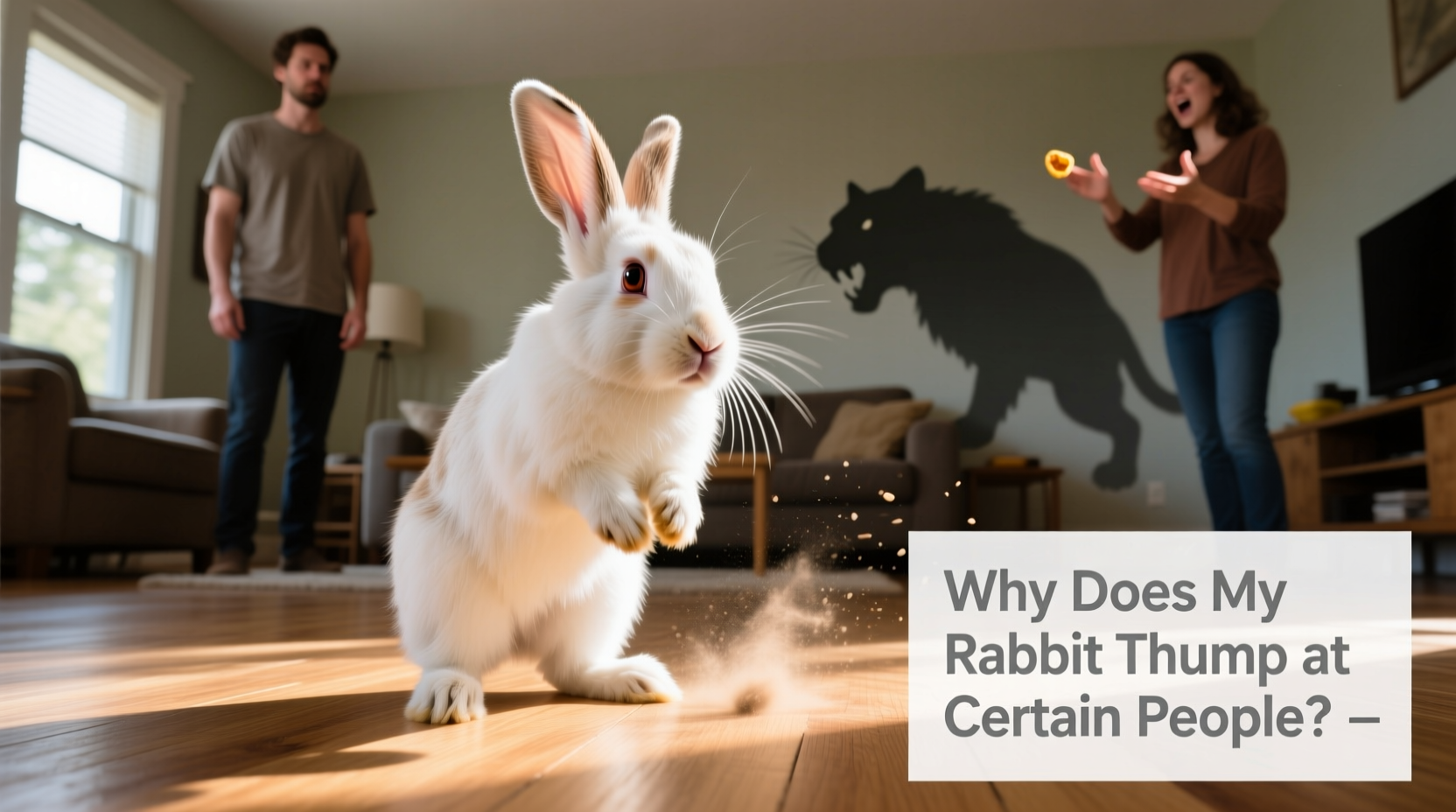
Rabbits are prey animals, meaning their survival in the wild depends on vigilance and rapid response to danger. In natural environments, rabbits live in warrens and rely on group communication to stay safe. Foot thumping is one such method—a loud, rhythmic pounding created by striking the ground with their powerful hind legs. This sound travels through the soil, alerting other rabbits to potential threats like predators, sudden noises, or unfamiliar movements.
In domestic settings, this instinct doesn’t disappear. A rabbit may thump when it perceives something as threatening—even if that “threat” is a well-meaning family member entering the room. The behavior isn't aggression; it’s a warning signal rooted in evolutionary survival mechanisms.
“Thumping is not misbehavior—it’s communication. Rabbits use it to express fear, surprise, or discomfort. Interpreting it correctly is the first step toward trust-building.” — Dr. Laura Hemming, Veterinary Ethologist
Why Your Rabbit Thumps at Certain People
Not all humans trigger thumping in every rabbit. Individual personalities, past experiences, and sensory sensitivities play major roles. Below are the most common reasons why a rabbit singles out specific individuals:
- Fear from past trauma: A rabbit previously handled roughly by someone with a deep voice or large stature may generalize that experience to others who resemble them.
- Sudden movements or loud voices: Fast gestures, shouting, or energetic behavior can startle a rabbit, especially around children or excitable adults.
- Unfamiliar scent: Perfumes, smoke, laundry detergents, or pet odors on clothing can make a person seem untrustworthy to a rabbit’s keen nose.
- Lack of routine exposure: If a visitor rarely comes around, the rabbit sees them as unpredictable, increasing anxiety.
- Height and posture: Leaning over a rabbit or standing directly above them mimics predator behavior, triggering defensive responses like thumping.
Decoding the Message: What Thumping Is Telling You
Thumping is not random. It's a clear signal that your rabbit feels uneasy. Ignoring it or forcing interaction afterward can deepen distrust. Instead, treat each thump as valuable feedback about your rabbit’s comfort zone.
Consider these contextual clues:
- If the thump happens once and stops after the person leaves, it was likely a reaction to presence or movement.
- If the rabbit continues thumping or freezes afterward, stress levels remain high.
- Repeated thumping without an obvious trigger may indicate chronic anxiety or environmental issues (e.g., loud appliances).
Over time, attentive owners can learn to anticipate thumping episodes by observing patterns—such as timing, location, and the behavior of nearby people.
Bonding Tips to Reduce Fear-Based Thumping
Building trust with a fearful rabbit takes patience, consistency, and respect for their boundaries. Unlike dogs or cats, rabbits don’t naturally seek human affection. They must learn that people are safe through repeated positive associations.
Step-by-Step Guide to Building Trust with a Thumping Rabbit
- Observe without interacting: Spend quiet time near your rabbit’s enclosure without making eye contact or reaching out. Let them get used to your presence passively.
- Introduce calming routines: Feed treats or fresh greens during your visits. Over time, your presence becomes linked with good things.
- Use low-body language: Sit on the floor, turn slightly away, and avoid direct stares (which mimic predator focus).
- Allow choice: Never force handling. Wait for your rabbit to approach you first. Reward curiosity with small treats.
- Involve cautious people gradually: If someone triggers thumping, have them sit nearby silently while tossing treats gently into the enclosure.
- Extend exposure slowly: Increase duration and proximity over weeks, not days. Rushing causes setbacks.
- End sessions positively: Always conclude interactions before the rabbit shows signs of stress (thumping, fleeing, flattening).
Creating a Safe Environment for Socialization
A secure space encourages confidence. Ensure your rabbit has hiding spots (like tunnels or cardboard boxes), consistent daily routines, and minimal loud disruptions. A rabbit that feels physically safe is more likely to explore socially.
Do’s and Don’ts When Your Rabbit Thumps
| Do’s | Don’ts |
|---|---|
| Stay calm and still when thumping occurs | Yell, clap, or try to stop the thumping |
| Slowly move away without turning your back abruptly | Loom over or chase the rabbit |
| Identify and remove potential triggers (e.g., loud music) | Force handling immediately after a thump |
| Reinforce calm behavior with quiet praise or treats later | Ignore repeated thumping as “normal” without addressing causes |
| Encourage gentle interactions led by the rabbit | Pick up the rabbit to “show affection” against their will |
Real-Life Example: Helping a Rescue Rabbit Accept New Family Members
Mia adopted a three-year-old neutered male rabbit named Jasper from a shelter. He had been surrendered after his previous owner’s teenage son frequently picked him up unexpectedly. From day one, Jasper thumped whenever Mia’s nephew visited, even if the boy stood quietly in the doorway.
Working with a rabbit-savvy behaviorist, Mia implemented a gradual reintroduction plan:
- The nephew sat outside Jasper’s pen for 10 minutes daily, reading aloud softly and tossing timothy hay cubes inside.
- After two weeks, he began sitting just inside the play area, remaining motionless.
- By week six, Jasper approached and sniffed the boy’s shoe. The nephew offered a piece of parsley from an open palm.
Eight weeks in, Jasper no longer thumped at the nephew. While he still preferred Mia as his primary caregiver, he tolerated the boy’s presence and occasionally accepted treats from him. The key was respecting Jasper’s pace and reframing the nephew’s role from “threat” to “treat dispenser.”
When Thumping Might Signal a Health Issue
While most thumping is behavioral, persistent or new-onset thumping—especially when alone or at night—can sometimes point to medical concerns. Pain, neurological conditions, or gastrointestinal discomfort may cause restlessness and unusual alertness.
Watch for accompanying signs:
- Teeth grinding (indicates pain)
- Reduced appetite or changes in droppings
- Reluctance to move or hunched posture
- Excessive grooming or fur pulling
If thumping appears alongside any of these symptoms, consult an exotic veterinarian promptly. Pain-induced anxiety can mimic fear-based behavior but requires different treatment.
FAQ: Common Questions About Rabbit Thumping
Is rabbit thumping always a sign of fear?
Most commonly, yes. However, rabbits may also thump out of surprise or excitement—such as hearing a loud noise or seeing another animal outside a window. The context determines whether it’s fear-based or reactive.
Can I train my rabbit to stop thumping?
You cannot—or should not—train a rabbit to suppress thumping entirely. It’s a natural form of expression. Instead, address the underlying cause of fear or discomfort. As trust grows, thumping will decrease organically.
Will neutering/spaying reduce thumping?
While spaying or neutering doesn’t directly stop thumping, it often reduces overall anxiety and territorial reactivity. Many rabbits become more relaxed and easier to bond with after the procedure, which indirectly leads to fewer fear responses.
Final Thoughts: Patience Builds Lasting Bonds
Rabbit thumping is not defiance. It’s a cry for safety in a world they perceive as unpredictable. When your rabbit thumps at certain people, it’s inviting you to listen—to understand their fears and adjust your approach accordingly. There is no shortcut to trust, but every quiet moment spent respecting their space brings you closer.
Successful bonding isn’t measured by how often you can hold your rabbit, but by how comfortable they feel simply being near you. By recognizing thumping as meaningful communication and responding with empathy, you lay the foundation for a deeper, more rewarding relationship.




 浙公网安备
33010002000092号
浙公网安备
33010002000092号 浙B2-20120091-4
Comments
No comments yet. Why don't you start the discussion?