
It starts innocently enough: you lather up with a new shampoo, rinse, and within minutes or hours, your scalp begins to itch. It’s not just mild discomfort—it can become persistent, distracting, and even lead to flaking or redness. If this sounds familiar, you're not alone. Millions of people experience scalp irritation after using certain shampoos, often without realizing what's causing it. The truth is, many commercially available shampoos contain ingredients that, while effective at cleaning or adding lather, can disrupt the delicate balance of your scalp’s natural ecosystem.
The scalp is an extension of your skin, rich in sebaceous glands, hair follicles, and a protective microbiome. When exposed to harsh chemicals or allergens, it reacts—sometimes immediately, sometimes over time. Understanding why this happens empowers you to make smarter choices and prevent future flare-ups. This article explores the science behind post-wash itching, identifies common culprits, and provides practical steps to soothe and protect your scalp long-term.
Understanding the Scalp’s Natural Barrier
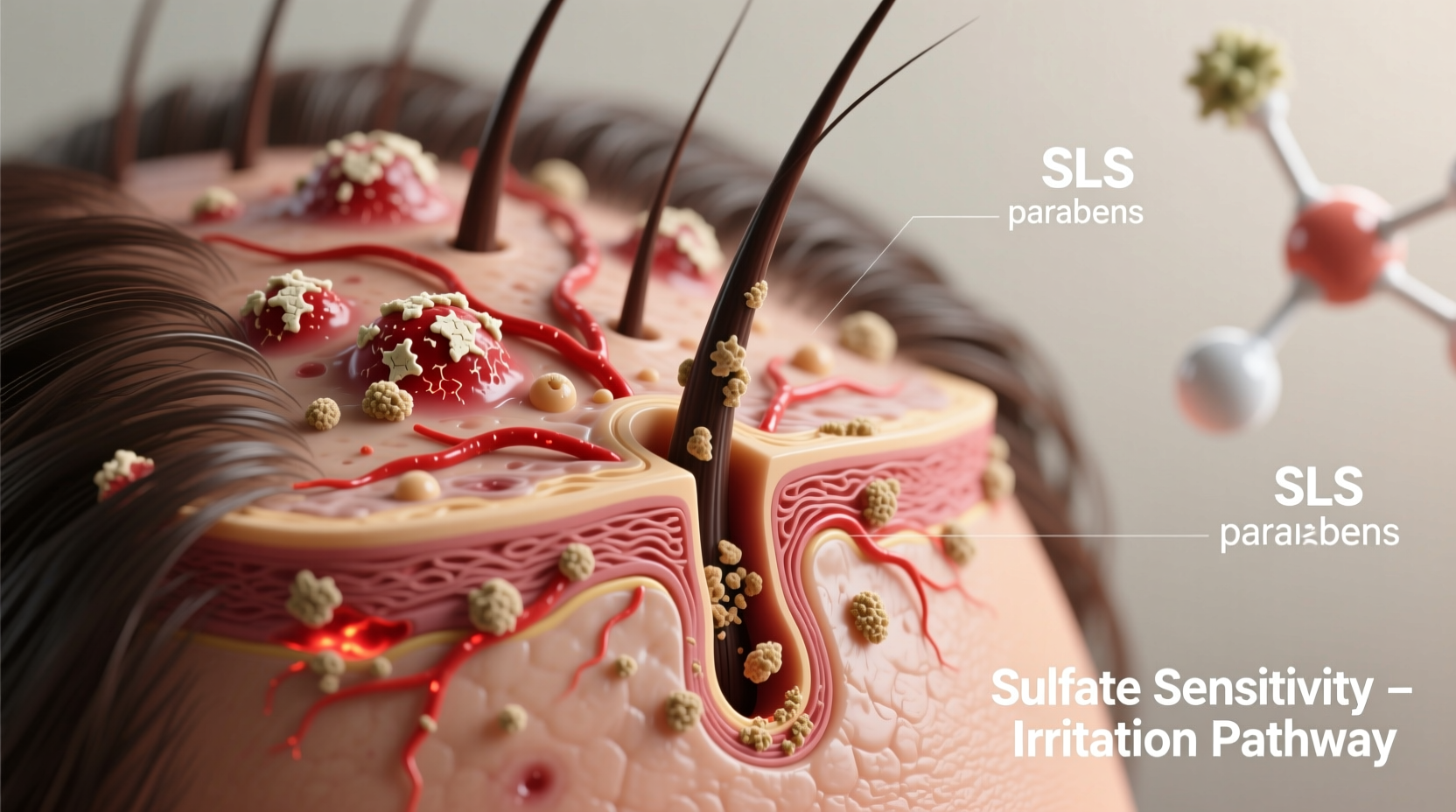
Your scalp isn’t just “skin on the head.” It has unique characteristics that make it especially vulnerable to irritation. It produces more sebum (natural oil) than most other areas of the body, hosts a dense network of blood vessels and nerve endings, and maintains a slightly acidic pH—typically between 4.5 and 5.5. This acidity helps defend against harmful microbes and supports a healthy microbiome composed of beneficial bacteria and fungi like *Malassezia*.
When you use a shampoo that disrupts this pH balance or strips away too much sebum, the protective lipid barrier weakens. This leads to transepidermal water loss (TEWL), leaving the scalp dry and more permeable to irritants. Nerve endings become hypersensitive, triggering the sensation of itching even without visible inflammation.
“Many patients come in complaining of chronic scalp itch, only to discover their ‘gentle’ daily shampoo contains sulfates and synthetic fragrances—two of the most common triggers for barrier disruption.” — Dr. Lena Torres, Dermatologist & Hair Health Specialist
Common Irritating Ingredients in Shampoos
Not all shampoo ingredients are created equal. While some clean effectively without side effects, others are known irritants—especially for individuals with sensitive skin or pre-existing conditions like eczema or psoriasis. Below are the top offenders linked to post-wash itching:
- Sulfates (SLS, SLES): Sodium lauryl sulfate and sodium laureth sulfate create rich lather but are potent degreasers. They can strip the scalp of essential oils, leading to dryness and irritation.
- Synthetic Fragrances: Often listed simply as “fragrance” or “parfum,” these blends may contain dozens of undisclosed chemicals, including allergens like limonene and linalool.
- Parabens: Used as preservatives, parabens such as methylparaben and propylparaben have been associated with contact dermatitis in sensitive individuals.
- Formaldehyde-Releasing Agents: Ingredients like DMDM hydantoin and quaternium-15 slowly release formaldehyde, a known sensitizer that can cause allergic reactions.
- Alcohol (Denatured, Ethanol, Isopropyl): High concentrations of drying alcohols can dehydrate the scalp, especially when used frequently.
- Silicones (e.g., dimethicone): While not inherently irritating, heavy silicones can build up over time, clogging follicles and trapping irritants against the skin.
How Sensitivity Develops Over Time
One reason people struggle to pinpoint the cause of their itchy scalp is delayed sensitivity. You might use a shampoo for months or even years without issue, then suddenly develop symptoms. This phenomenon, called sensitization, occurs when repeated exposure to a low-level irritant gradually primes the immune system to react.
For example, someone could use a popular brand containing methylisothiazolinone—a common preservative—for two years before developing an allergic reaction. Once sensitized, even trace amounts can trigger itching, redness, or swelling. This is why patch testing new haircare products behind the ear or on the inner forearm before full use is strongly recommended.
Additionally, seasonal changes, hormonal shifts, stress, or underlying health conditions can lower your scalp’s tolerance threshold, making previously tolerated products problematic.
Step-by-Step: Diagnosing and Addressing the Cause
If you’re experiencing post-wash itching, follow this systematic approach to identify and resolve the issue:
- Stop Using the Suspect Shampoo Immediately
Switch to a bland, fragrance-free cleanser while you investigate. A baby shampoo or a gentle sulfate-free formula designed for sensitive skin can act as a temporary alternative. - Review the Ingredient List
Write down every ingredient in the shampoo you were using. Cross-reference them with databases like the Contact Allergen Management Program (CAMP) or the Environmental Working Group’s Skin Deep database. - Monitor Symptoms
Track when the itching occurs—immediately after washing? Hours later? Does it improve on days you skip shampooing? Note any accompanying symptoms like flaking, redness, or bumps. - Try an Elimination Approach
After a washout period of 7–10 days, reintroduce one product at a time to isolate triggers. Avoid multi-step routines during testing. - Consult a Dermatologist if Needed
If symptoms persist or worsen, seek professional evaluation. A patch test can confirm specific allergies.
Choosing a Scalp-Safe Shampoo: What to Look For
Not all gentle shampoos are equal. To minimize the risk of irritation, focus on formulations with the following qualities:
- pH-balanced (ideally between 4.5 and 5.5)
- Free from sulfates, synthetic fragrances, and parabens
- Contains soothing agents like aloe vera, panthenol, or oat extract
- Certified by third-party organizations like EWG Verified or National Eczema Association
| Feature | Recommended | Avoid |
|---|---|---|
| Surfactant Type | Glycosides (e.g., decyl glucoside) | Sodium Lauryl Sulfate (SLS), Ammonium Lauryl Sulfate |
| Fragrance | Fragrance-free or naturally derived (with disclosure) | “Parfum,” “Fragrance” (undisclosed) |
| Preservatives | Benzyl alcohol, radish root ferment | Methylisothiazolinone, DMDM hydantoin |
| pH Level | 4.5 – 5.5 | Over 6.5 |
| Special Additives | Niacinamide, ceramides, tea tree oil (if not allergic) | High-alcohol content, silicones (unless easily rinsed) |
Mini Case Study: Recovering from Chronic Scalp Itch
Sarah, a 34-year-old graphic designer, had used the same volumizing shampoo for five years with no issues. But last winter, she began noticing intense itching within minutes of washing her hair. At first, she blamed hard water or seasonal dryness. She tried dandruff shampoos, which only made things worse. After three months of discomfort—and several failed attempts with “natural” brands—she visited a dermatologist.
The diagnosis? An allergy to methylchloroisothiazolinone, a preservative recently added to her shampoo formula during a reformulation. The manufacturer hadn’t changed the packaging, so Sarah didn’t realize the ingredients were different. Once she switched to a preservative-free, fragrance-free cleanser and used a soothing scalp serum with colloidal oatmeal, her symptoms resolved within three weeks.
Sarah now reads labels meticulously and uses a mobile app to scan ingredients before purchasing. Her case underscores how subtle formulation changes can trigger significant reactions—even in long-time users.
When It’s More Than Just a Shampoo Reaction
While shampoo ingredients are a frequent cause, persistent scalp itching may signal other underlying conditions. These include:
- Seborrheic Dermatitis: Characterized by greasy scales and redness, often triggered or worsened by yeast overgrowth (*Malassezia*) and irritated by certain surfactants.
- Contact Dermatitis: Either allergic or irritant-induced, this condition results from direct exposure to a triggering substance.
- Psoriasis: Autoimmune-related plaques that can appear on the scalp, often mistaken for dandruff.
- Folliculitis: Inflammation of hair follicles, sometimes caused by bacterial or fungal infection, exacerbated by occlusive products.
If your itching persists beyond two weeks of switching to a gentle shampoo, spreads beyond the scalp, or is accompanied by hair loss, pain, or pus-filled bumps, consult a healthcare provider. Treating the wrong condition can prolong discomfort and potentially damage hair follicles.
Checklist: Building a Scalp-Friendly Hair Routine
Follow this checklist to reduce the risk of post-wash itching and maintain a healthy scalp environment:
- ✅ Read ingredient labels on all hair products—not just shampoo
- ✅ Choose fragrance-free or naturally scented options with full disclosure
- ✅ Avoid sulfates and harsh preservatives
- ✅ Rinse thoroughly to prevent residue buildup
- ✅ Limit shampooing frequency if you have dry or sensitive skin
- ✅ Use cool water for the final rinse to soothe nerves and seal cuticles
- ✅ Incorporate a weekly scalp treatment with calming ingredients (e.g., aloe, chamomile)
- ✅ Replace old brushes and combs regularly to avoid microbial accumulation
Frequently Asked Questions
Can \"natural\" shampoos still cause itching?
Yes. Even plant-based ingredients like tea tree oil, lavender, or citrus extracts can be allergens for some people. “Natural” doesn’t mean non-irritating—always patch test new products.
Why do I only itch after using clarifying shampoos?
Clarifying shampoos are designed to remove buildup, but they often contain stronger surfactants and higher concentrations of cleansing agents. This can disrupt the scalp barrier, especially if used too frequently. Limit use to once every 2–4 weeks unless directed otherwise.
Is it safe to use apple cider vinegar rinses for an itchy scalp?
ACV has antimicrobial properties and can help restore pH, but it must be diluted (1 part ACV to 4 parts water). Undiluted vinegar can burn or further irritate compromised skin. Avoid if you have open sores or severe inflammation.
Conclusion: Take Control of Your Scalp Health
An itchy scalp after shampooing isn’t something you should ignore or simply endure. It’s a signal—your body’s way of telling you that something in your routine isn’t working. Whether it’s a hidden preservative, a pH imbalance, or cumulative damage from repeated exposure, identifying the root cause is the first step toward lasting relief.
Start by simplifying your regimen, reading labels closely, and choosing products formulated for sensitivity. Pay attention to how your scalp responds—not just immediately, but over days and weeks. Small changes can yield dramatic improvements in comfort, appearance, and confidence.




 浙公网安备
33010002000092号
浙公网安备
33010002000092号 浙B2-20120091-4
Comments
No comments yet. Why don't you start the discussion?