
A tight, uncomfortable scalp after washing hair is more common than many realize. While occasional dryness might seem minor, persistent tightness can signal underlying issues with your shampoo choice, scalp health, or washing habits. This sensation often comes with itching, flaking, or even sensitivity to touch—signs that your scalp’s natural barrier may be compromised. Understanding the root causes and knowing how to respond can transform an irritating routine into a soothing ritual.
The scalp is an extension of facial skin, rich in oil glands and sensitive to chemical exposure. When disrupted by harsh ingredients or over-cleansing, it loses moisture and protective lipids, leading to inflammation and discomfort. The good news: most cases are reversible with the right adjustments.
What Causes Scalp Tightness After Washing?
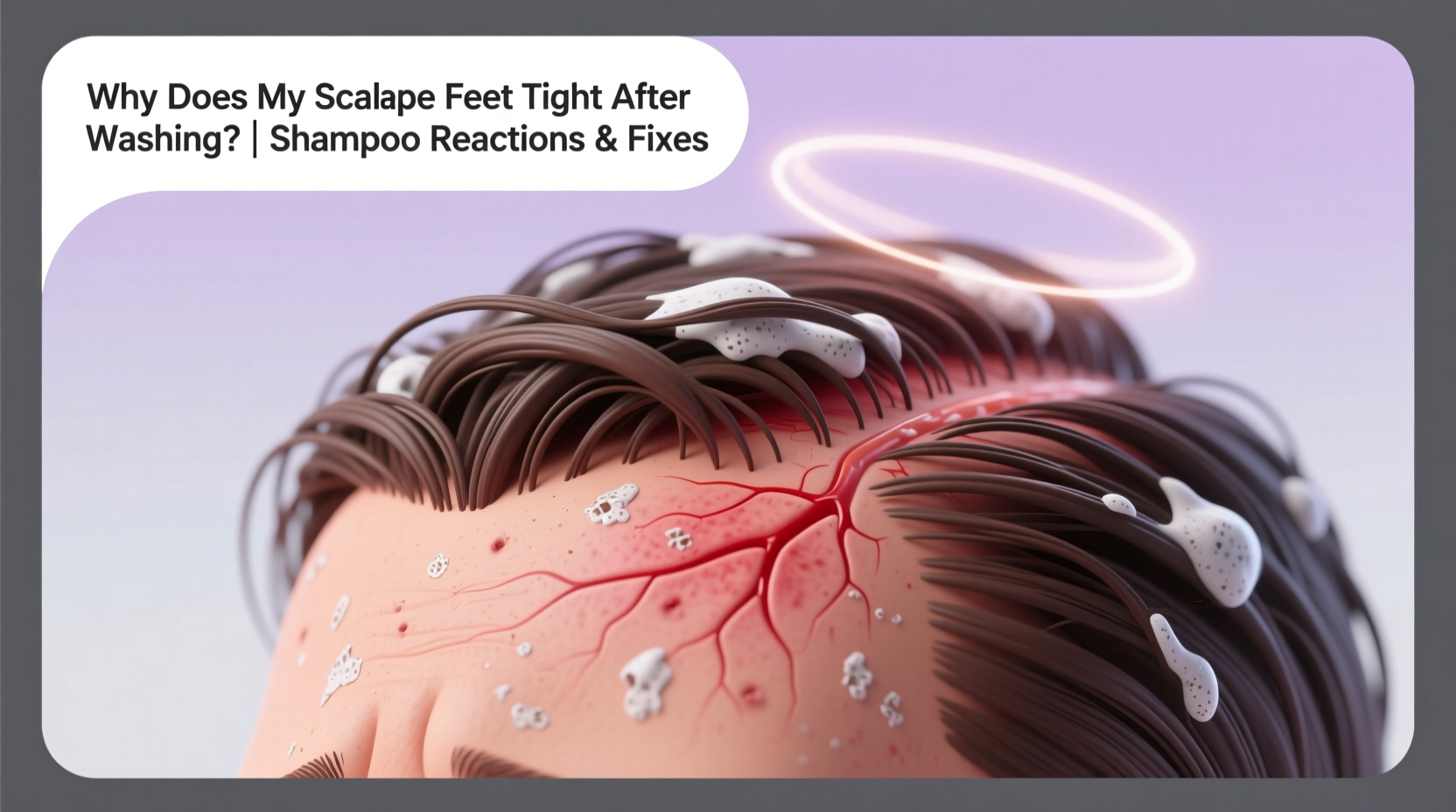
Scalp tightness typically results from a disruption in the skin’s moisture barrier. This barrier, made up of natural oils (sebum), lipids, and beneficial microbes, protects against environmental stressors and retains hydration. When compromised, the scalp becomes vulnerable to irritation, dehydration, and increased sensitivity.
Several factors contribute to post-wash tightness:
- Sulfates and harsh surfactants: Common in many shampoos, sulfates like sodium lauryl sulfate (SLS) create a rich lather but strip away essential oils.
- Overwashing: Washing too frequently removes sebum faster than it can be replenished, especially for those with dry or curly hair types.
- Allergic reactions or sensitivities: Fragrances, parabens, and preservatives such as methylisothiazolinone can trigger contact dermatitis.
- Low humidity or hot water: Environmental conditions and excessively hot showers exacerbate dryness.
- Underlying scalp conditions: Conditions like seborrheic dermatitis, psoriasis, or eczema may worsen with inappropriate products.
“Many patients come in complaining of ‘tight scalp’ without realizing their shampoo is the primary irritant. Switching to gentler formulas often brings immediate relief.” — Dr. Lena Torres, Board-Certified Dermatologist
How Shampoo Ingredients Trigger Reactions
Not all shampoos are created equal. Even products labeled “gentle” or “natural” may contain hidden irritants. To understand what’s affecting your scalp, it helps to decode ingredient labels.
| Ingredient | Purpose | Why It May Cause Tightness |
|---|---|---|
| Sodium Lauryl Sulfate (SLS) | Foaming agent | Strips natural oils aggressively; increases trans-epidermal water loss |
| Alcohol (e.g., SD Alcohol 40) | Thinning agent, solvent | Drying effect; disrupts lipid barrier |
| Synthetic Fragrance | Scent enhancement | Common allergen; may cause delayed hypersensitivity |
| Parabens (Methylparaben, Propylparaben) | Preservatives | Linked to skin irritation in sensitive individuals |
| Methylisothiazolinone | Preservative | Highly allergenic; banned in leave-in products in EU |
On the other hand, beneficial ingredients support scalp balance:
- Panthenol (Pro-Vitamin B5): Soothes and hydrates
- Ceramides: Reinforce the skin barrier
- Niacinamide: Reduces inflammation and improves moisture retention
- Aloe vera and oat extracts: Calm irritation naturally
Step-by-Step Guide to Restore Scalp Comfort
If your scalp consistently feels tight after washing, follow this structured approach to identify triggers and restore balance.
- Pause and assess: Stop using all new hair products for 3–5 days. Wash only with lukewarm water to allow the scalp to reset.
- Switch to a gentle, sulfate-free shampoo: Choose one formulated for sensitive scalps, ideally with ceramides or panthenol.
- Wash less frequently: Reduce washes to 2–3 times per week. Overwashing accelerates oil depletion.
- Use cool to lukewarm water: Hot water strips moisture and dilates blood vessels, increasing sensitivity.
- Apply a lightweight scalp serum: Post-wash, use a non-comedogenic oil or hydrating mist containing squalane or hyaluronic acid.
- Incorporate a monthly scalp mask: Use masks with colloidal oatmeal or shea butter to nourish and soothe.
- Monitor improvement: Track changes over two weeks. If no improvement, consult a dermatologist.
Mini Case Study: Recovering from Chronic Scalp Tightness
Sarah, a 34-year-old graphic designer, began experiencing intense scalp tightness and flaking after switching to a popular volumizing shampoo. She assumed it was dandruff and doubled her wash frequency, worsening the condition. After three weeks of discomfort, she consulted a trichologist.
The diagnosis? Irritant contact dermatitis caused by SLS and synthetic fragrance in her shampoo. The solution included:
- Discontinuing the offending product
- Using a fragrance-free, pH-balanced cleanser
- Applying a niacinamide-based serum daily
- Reducing wash frequency to twice weekly
Within ten days, Sarah reported significant relief. By day 21, her scalp felt normal again. Her experience highlights how quickly a mismatched shampoo can disrupt scalp health—and how targeted changes lead to recovery.
Do’s and Don’ts for Scalp Health
Preventing tightness starts with mindful habits. Follow this guide to protect your scalp long-term.
| Do’s | Don’ts |
|---|---|
| Use lukewarm water instead of hot | Wash hair daily unless medically necessary |
| Choose shampoos with a pH between 4.5 and 5.5 | Use bar soaps or body washes on your scalp |
| Rinse thoroughly to remove residue | Scratch or exfoliate aggressively when irritated |
| Condition the ends only, avoiding scalp buildup | Leave styling products on overnight without cleansing |
| Wear breathable hats in cold weather | Ignore persistent redness or bleeding |
When to See a Professional
While most cases of post-wash tightness resolve with product changes, some symptoms require medical evaluation:
- Severe itching or burning that interferes with sleep
- Visible redness, swelling, or oozing
- Peeling skin or thick scaling
- Hair thinning or shedding linked to scalp discomfort
A board-certified dermatologist can perform patch testing to identify allergens, prescribe medicated shampoos (such as ketoconazole or clobetasol), or diagnose conditions like psoriasis or fungal infections. Early intervention prevents chronic inflammation and long-term damage.
FAQ
Can hard water cause scalp tightness?
Yes. Hard water contains high levels of calcium and magnesium, which can bind to hair and scalp, leaving a film that blocks moisture absorption. This leads to dryness and tightness. Installing a shower filter or using a chelating shampoo once a week can help neutralize mineral buildup.
Is it safe to use conditioner on the scalp?
Only if it's specifically formulated for scalp use. Most conditioners are designed for mid-lengths and ends. Applying heavy silicones or butters directly to the scalp can clog follicles and worsen irritation. For dry scalps, opt for lightweight, water-based serums instead.
How long does it take for the scalp barrier to heal?
With consistent care, most people notice improvement within 7–14 days. Full recovery of the lipid barrier typically takes 21–28 days. Avoid introducing multiple new products at once to accurately track progress.
Checklist: Fix Your Tight Scalp in 7 Steps
Follow this actionable checklist to regain scalp comfort:
- ✅ Identify and eliminate shampoos with sulfates, alcohol, or synthetic fragrances
- ✅ Switch to a sulfate-free, pH-balanced formula for sensitive scalps
- ✅ Reduce washing frequency to 2–3 times per week
- ✅ Use only lukewarm or cool water during rinsing
- ✅ Apply a non-irritating scalp serum with panthenol or ceramides
- ✅ Avoid heat styling tools during recovery phase
- ✅ Schedule a dermatology visit if symptoms persist beyond three weeks
Conclusion
A tight scalp after washing isn’t something you have to accept. More often than not, it’s a clear message from your skin asking for gentler treatment. By understanding how ingredients affect your scalp, adjusting your routine, and listening to your body’s signals, you can restore comfort and maintain long-term scalp health. Small changes—like switching shampoos, lowering water temperature, or adding a hydrating serum—can make a dramatic difference.




 浙公网安备
33010002000092号
浙公网安备
33010002000092号 浙B2-20120091-4
Comments
No comments yet. Why don't you start the discussion?