
Switching to a sulfate-free shampoo is often seen as a step toward healthier, more natural hair care. Many people make the change to avoid harsh detergents, reduce irritation, or support color-treated hair. But instead of smoother, cleaner hair, some experience an unexpected side effect: increased scalp flaking. If you’ve recently made the switch and are now noticing white specks on your shoulders or an itchy, dry scalp, you’re not alone. This reaction is common—and usually temporary. Understanding the science behind this shift can help you navigate the adjustment period with confidence and restore balance to your scalp.
The Role of Sulfates in Traditional Shampoos
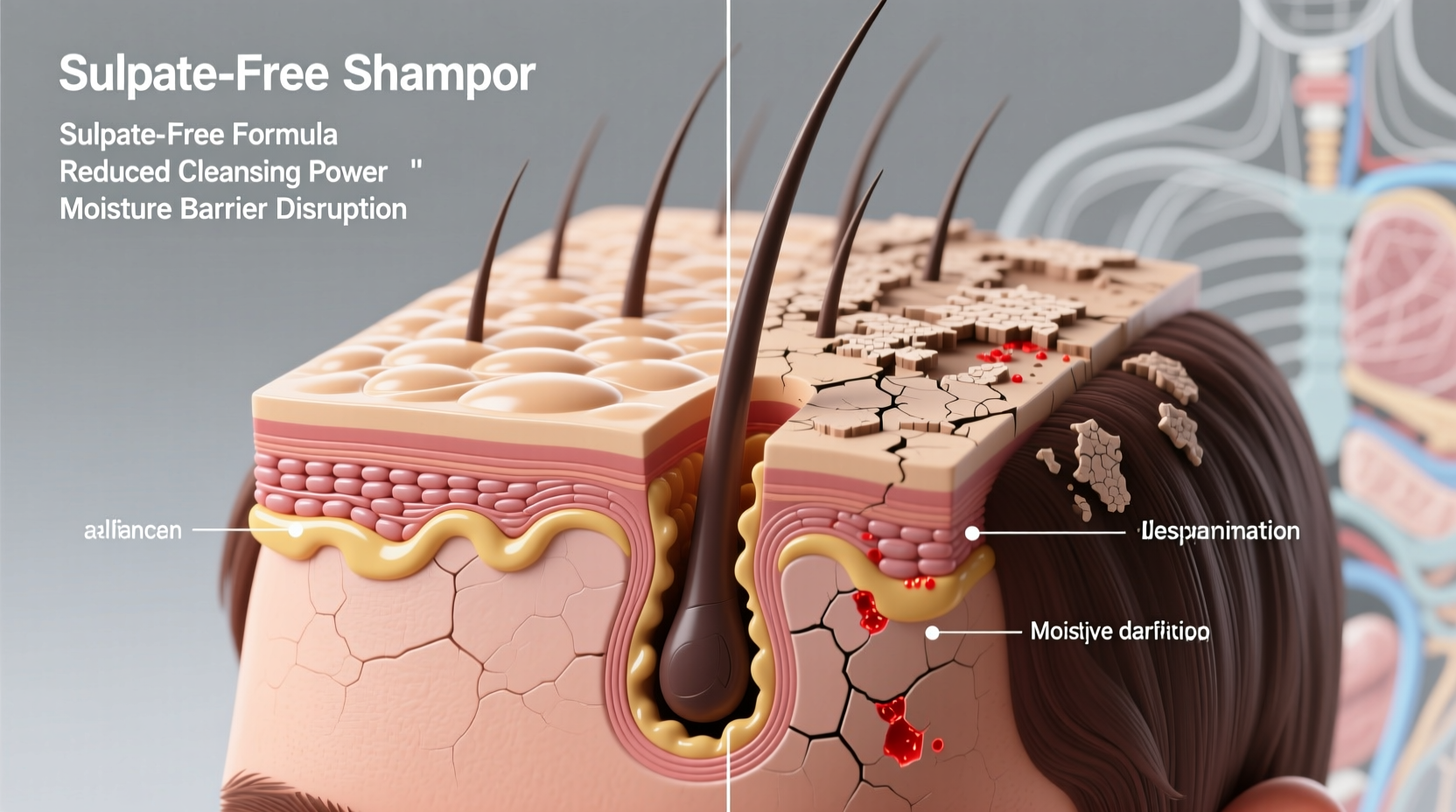
Sulfates—most commonly sodium lauryl sulfate (SLS) and sodium laureth sulfate (SLES)—are powerful surfactants found in most conventional shampoos. Their primary function is to create a rich lather that lifts oil, dirt, and product buildup from the hair and scalp. While effective at cleansing, sulfates are also known for being overly aggressive. They strip away natural sebum, the scalp’s protective oil, which can lead to dryness, irritation, and even inflammation in sensitive individuals.
For years, consumers have associated lather with cleanliness. However, this foam doesn’t necessarily correlate with cleaning power—it’s more about sensory feedback. As awareness grows about the potential downsides of sulfates, many turn to sulfate-free alternatives marketed as gentler and more nourishing.
Why Scalp Flaking Occurs After the Switch
When you stop using sulfates, your scalp begins a readjustment process. The sudden absence of strong detergents disrupts the established balance of oil production and microbial activity. This transition phase often manifests as flaking, itching, or tightness—symptoms that mimic dandruff but may have different underlying causes.
There are several key reasons why flaking appears post-switch:
- Buildup Accumulation: Sulfate-free shampoos are less effective at removing silicones, waxes, and heavy conditioners. Over time, these ingredients can accumulate on the scalp, creating a breeding ground for dead skin cells to clump together and flake off.
- Adjustment Period: Your scalp has adapted to frequent, deep stripping. Without sulfates, sebum regulation takes time to recalibrate. Initially, this can result in either excess oiliness or compensatory dryness, both of which contribute to flaking.
- Microbial Imbalance: The scalp hosts a delicate microbiome. Harsh cleansers like sulfates can suppress certain microbes while allowing others to dominate. Removing sulfates may temporarily shift this balance, potentially triggering mild fungal overgrowth (like Malassezia), a known contributor to dandruff-like symptoms.
- Inadequate Cleansing: Some sulfate-free formulas prioritize moisturizing over cleansing. If they don’t remove residue effectively, the scalp environment becomes congested, leading to clogged follicles and increased cell turnover.
The Detox Myth vs. Reality
You may have heard claims that flaking after switching shampoos is a “detox” phase where your scalp “purges” toxins. Dermatologists largely reject this concept. There are no stored toxins in the scalp released through flaking. What’s actually happening is a physiological adaptation—not detoxification, but recalibration.
“Patients often describe a ‘detox’ period when changing hair products, but what we see clinically is usually product buildup or transient barrier disruption.” — Dr. Lena Patel, Board-Certified Dermatologist
How Long Does the Adjustment Last?
The duration of scalp flaking varies by individual. For most, symptoms resolve within 2 to 6 weeks. Factors influencing recovery time include:
- Your previous shampoo routine (frequency, product types)
- Natural sebum production rate
- Use of styling products (gels, sprays, serums)
- Underlying scalp conditions (seborrheic dermatitis, psoriasis)
If flaking persists beyond two months or worsens, it may indicate an incompatible formula or an undiagnosed scalp condition rather than simple adjustment.
Step-by-Step Guide to Managing Post-Switch Flaking
Navigating the transition successfully requires patience and strategic care. Follow this timeline to support your scalp during the adjustment phase:
- Week 1–2: Monitor and Cleanse Gently
Wash every 2–3 days using lukewarm water. Massage the scalp thoroughly for at least one minute to encourage circulation and lift debris. Avoid scratching. - Week 3: Assess Buildup
If flaking continues, consider whether you’ve been using heavy conditioners or leave-in treatments near the roots. Switch to lightweight, water-based products applied only to mid-lengths and ends. - Week 4: Introduce Clarifying Measures
Use a sulfate-free clarifying shampoo once every 7–10 days. Look for formulas with apple cider vinegar, charcoal, or gentle chelating agents like citric acid to dissolve mineral and product residue. - Week 5–6: Evaluate Progress
By now, your scalp should feel less tight or greasy. If flaking remains, reassess your shampoo choice—some sulfate-free options still contain irritating preservatives or fragrances.
Choosing the Right Sulfate-Free Shampoo for Your Scalp Type
Not all sulfate-free shampoos are created equal. Some are too mild for oily scalps, while others may be overly stripping despite lacking sulfates. Matching the formula to your scalp type is crucial.
| Scalp Type | Recommended Ingredients | Ingredients to Avoid |
|---|---|---|
| Dry/Flaky | Aloe vera, glycerin, panthenol, colloidal oatmeal | Alcohol denat, synthetic fragrances, essential oils (in high concentrations) |
| Oily | Tea tree oil, salicylic acid, niacinamide, witch hazel | Heavy silicones (dimethicone, amodimethicone), butters |
| Sensitive | Ceramides, allantoin, bisabolol, chamomile extract | Parabens, phthalates, methylisothiazolinone |
| Dandruff-Prone | Pyritinol, ketoconazole (if medicated), zinc pyrithione, selenium sulfide | Fragrance, drying alcohols, thick emollients |
Look for labels indicating “scalp-safe” or “non-comedogenic” if prone to clogged pores. Also, check the ingredient list for hidden sulfates—some brands use alternative sulfates like ammonium C12-14 pareth-sulfate, which can still irritate sensitive scalps.
Mini Case Study: Sarah’s Transition Experience
Sarah, a 34-year-old graphic designer, switched to a popular sulfate-free brand after reading about its benefits for curly hair. Within two weeks, she noticed persistent white flakes and itching, especially around her hairline. Assuming it was dandruff, she tried an anti-dandruff shampoo, which worsened the dryness.
After consulting a trichologist, she learned that her silicone-heavy stylers had built up on her scalp, and the new shampoo wasn’t removing them effectively. She began double-cleansing weekly with a sulfate-free clarifier and switched to a lighter mousse. Within three weeks, flaking subsided and her scalp felt balanced. The key was identifying buildup—not sensitivity—as the root cause.
Checklist: How to Prevent and Treat Scalp Flaking After Going Sulfate-Free
- ✔️ Assess your current styling products—are they heavy or silicone-based?
- ✔️ Wash with lukewarm water, not hot, to preserve natural oils
- ✔️ Massage scalp gently for at least 60 seconds per wash
- ✔️ Use a clarifying shampoo every 7–10 days during transition
- ✔️ Avoid applying conditioner directly to the scalp
- ✔️ Stay hydrated and maintain a balanced diet rich in omega-3s and zinc
- ✔️ Re-evaluate your shampoo if symptoms last beyond 6 weeks
Frequently Asked Questions
Is scalp flaking after switching shampoos normal?
Yes, it’s common during the first few weeks as your scalp adjusts to reduced cleansing strength and changes in oil regulation. As long as symptoms improve over time, it’s typically not a cause for concern.
Can sulfate-free shampoos cause dandruff?
They don’t directly cause dandruff, but they may fail to control existing dandruff triggers like Malassezia yeast if they lack antifungal ingredients. People with seborrheic dermatitis may need medicated formulas regardless of sulfate content.
Should I go back to sulfate shampoos if flaking persists?
Not necessarily. Before reverting, try adjusting your routine—clarify buildup, change application techniques, or select a more effective sulfate-free option. Many find success with targeted, non-medicated sulfate-free formulas designed for specific scalp concerns.
Expert Insight: What Dermatologists Recommend
Board-certified dermatologists emphasize that the goal of hair care isn’t just cleanliness, but scalp health. A healthy scalp maintains a slightly acidic pH (around 5.5), supports a balanced microbiome, and sheds skin cells invisibly.
“The best shampoo is one that respects your scalp’s biology. Sulfate-free doesn’t automatically mean better—but for many, it offers a gentler path to long-term balance.” — Dr. Rajiv Mehta, Clinical Dermatologist and Hair Health Researcher
Experts recommend patch-testing new shampoos behind the ear before full use and gradually phasing in changes rather than abrupt switches. They also caution against over-washing, which can exacerbate flaking regardless of formula type.
Conclusion: Embrace the Transition with Confidence
Experiencing scalp flaking after switching to sulfate-free shampoo is a common, usually temporary response to a significant change in cleansing chemistry. Rather than a sign of failure, it’s often evidence that your scalp is recalibrating after years of aggressive cleansing. With informed choices, proper technique, and patience, most people adapt successfully and enjoy improved scalp comfort and hair integrity over time.
Don’t let short-term discomfort derail a long-term wellness goal. Evaluate your entire hair care routine, choose products aligned with your scalp type, and give your body the time it needs to adjust. Healthy hair starts with a healthy scalp—and sometimes, that journey includes a few flakes along the way.




 浙公网安备
33010002000092号
浙公网安备
33010002000092号 浙B2-20120091-4
Comments
No comments yet. Why don't you start the discussion?