
Creating a festive pinecone garland is a cherished holiday tradition in many homes. The earthy scent of pine, the rustic texture of dried cones, and the warm glow they add to mantels or stair railings evoke a sense of seasonal comfort. But one common obstacle—glue—can turn this simple craft into a sticky, frustrating experience. Glue dries slowly, can stain surfaces, and often leaves hands and tools coated in residue. For families with children, those sensitive to chemicals, or anyone seeking a cleaner, more sustainable approach, there’s a better way.
This guide walks you through a glue-free method to craft a beautifully scented pinecone garland using natural binding techniques and aromatic enhancements. You’ll learn how to gather, prepare, scent, and string pinecones safely and efficiently—without sacrificing durability or charm. Whether you’re decorating for the holidays, enhancing your cabin’s ambiance, or creating handmade gifts, this method keeps your workspace clean and your creations elegant.
Why Avoid Glue? Practical and Environmental Considerations
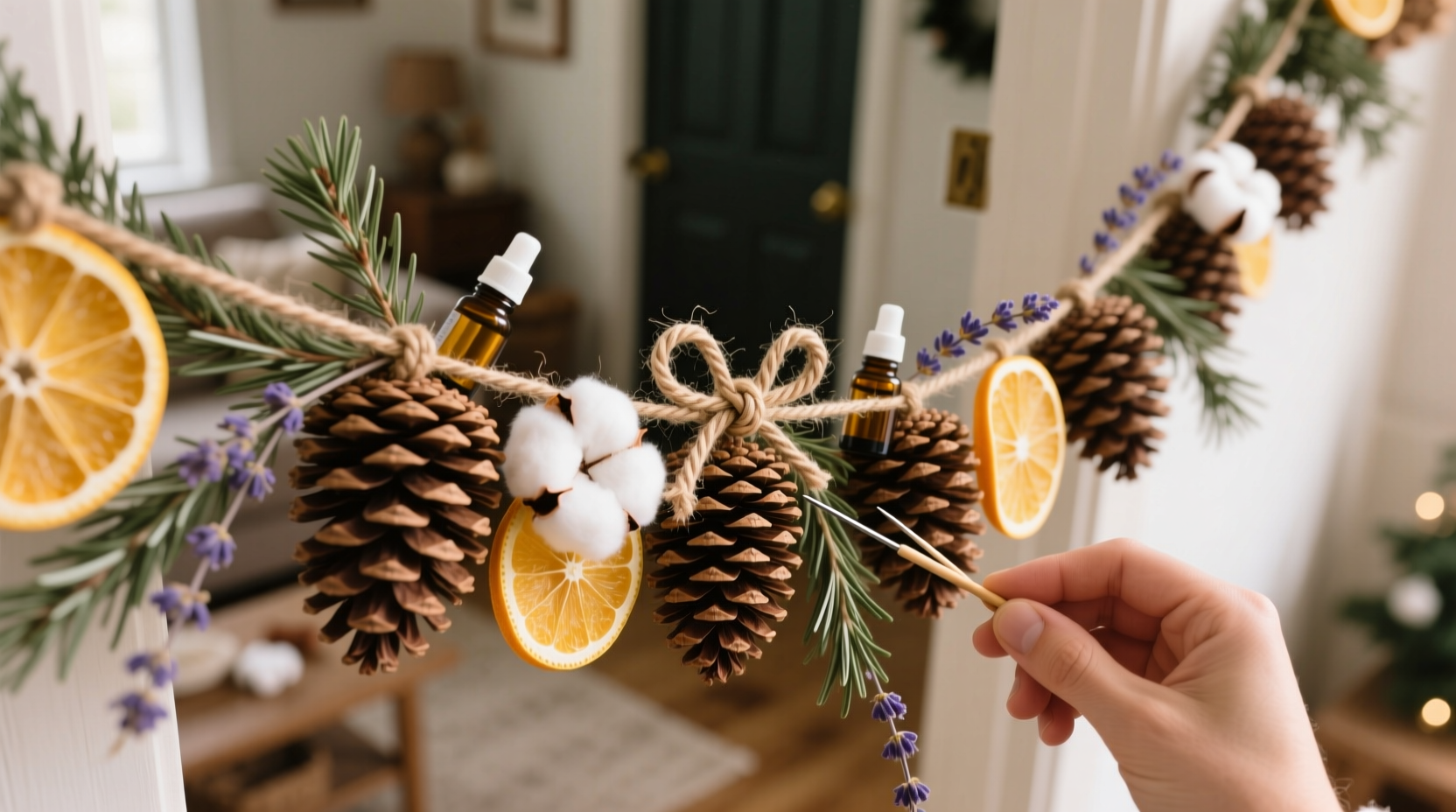
While glue is commonly used in crafts, it presents several drawbacks when making pinecone garlands. White craft glue takes hours to dry, especially when applied to porous materials like pinecones. Hot glue, though faster, requires a heat gun, poses burn risks, and emits fumes. Both types can crack or break over time, causing garlands to fall apart. Additionally, synthetic adhesives contribute to indoor air pollution and aren’t biodegradable, conflicting with eco-conscious crafting values.
By eliminating glue, you gain several advantages:
- Cleaner process: No sticky fingers, stained tables, or difficult cleanup.
- Safer for kids: No heat, no toxic fumes, no choking hazards from glue caps.
- Reusable materials: String and pinecones can be disassembled and repurposed.
- Better scent diffusion: Glue seals pores in pinecones; skipping it allows essential oils to evaporate naturally.
- Eco-friendly: All components are compostable or reusable.
Gathering and Preparing Pinecones the Right Way
The foundation of any pinecone garland is the pinecone itself. Not all pinecones are suitable for crafting. Choose ones that are fully opened, dry, and free of mold, insects, or sap. The best time to collect them is late autumn to early winter, after they’ve fallen naturally from trees.
Look for medium-sized cones (about 2–4 inches long) from white pine, red pine, or spruce trees. These tend to have sturdy scales and an attractive shape. Avoid green or tightly closed cones—they won’t hold scent well and are harder to work with.
Once collected, clean and sanitize your pinecones to remove dirt, debris, and potential pests:
- Shake and brush: Tap each cone upside down to dislodge loose seeds and insects. Use a soft-bristled brush to wipe away dirt.
- Oven sterilization: Place pinecones on a baking sheet in a cold oven. Heat to 200°F (93°C) and bake for 30–45 minutes. This kills mites and dries out moisture.
- Cool completely: Let them sit overnight before handling. Warm cones may close slightly as they cool, so ensure full drying.
After preparation, store pinecones in a breathable container like a paper bag until ready to use. Moisture is the enemy—keep them in a dry area away from humidity.
Infusing Natural Scents Without Chemicals
A scented pinecone garland elevates your space with fragrance that lasts weeks. Instead of relying on artificial sprays or glue-bound potpourri, use essential oils or dried botanicals that penetrate the pinecone’s natural structure.
Pinecones absorb scent best when dry and open. Their overlapping scales act like tiny vents, releasing aroma gradually as air passes through. To maximize scent retention:
- Use high-quality essential oils such as cinnamon, clove, orange, pine, or cedarwood.
- Mix 10–15 drops of oil with 1 tablespoon of rubbing alcohol or vodka in a spray bottle. Alcohol helps the oil bind to organic material and evaporate evenly.
- Spray lightly from multiple angles, allowing the mist to settle into the crevices.
- Let dry for 2–4 hours before stringing.
For a longer-lasting effect, embed small sachet ingredients directly into the pinecone. Tuck in whole cloves, cinnamon sticks, dried orange slices, or star anise between the scales. These not only add fragrance but visual interest.
| Scent Option | Application Method | Longevity |
|---|---|---|
| Essential Oils (e.g., cinnamon, clove) | Spritz with alcohol blend | 2–4 weeks |
| Dried Citrus Slices | Insert into base of cone | 4–6 weeks |
| Whole Spices (cloves, star anise) | Tuck between scales | 6+ weeks |
| Pine Needles + Dried Herbs | Bundle with twine at base | 3–5 weeks |
Stringing Techniques That Hold Without Glue
The key to a durable, glue-free garland lies in secure knotting and strategic placement. Rather than gluing each cone to the string, use friction and tension to lock them in place.
Choose a strong, textured cord like waxed cotton thread, jute, or linen twine. Smooth nylon string tends to slip, while rougher fibers grip the pinecone’s base more effectively.
Step-by-Step Stringing Method
- Cut your base string: Measure the desired length of your garland and add 12 extra inches on each end for hanging. A typical mantel garland is 6–8 feet long.
- Double-knot the first pinecone: Thread the string through the center opening at the base of the cone. Pull it halfway through, then tie a secure double knot underneath. The knot should be large enough to prevent the cone from sliding off.
- Add spacing: Leave 3–5 inches between cones, depending on density preference. More space gives a minimalist look; less creates a fuller garland.
- Lock each cone with a half-hitch: After placing a cone, wrap the string around its base once and pull it through the loop (like the first step of tying a shoelace). This creates tension that holds the cone in place without glue.
- Alternate orientation: Turn every other cone upside down or rotate it slightly to create visual rhythm and balance.
- Finish with a final knot: Once all cones are added, tie a large knot at the end to prevent slippage. Trim excess string or leave tails for decorative hanging loops.
This method ensures each pinecone is mechanically secured. The combination of knots and friction prevents shifting, even when hung vertically or outdoors under a covered porch.
“Natural materials respond best to natural fastening methods. When you work with the structure of the pinecone rather than against it, you create something both beautiful and enduring.” — Dr. Lena Pruitt, Sustainable Craft Educator
Real-Life Example: A Family’s Holiday Tradition Reimagined
The Thompson family from Vermont had always made pinecone garlands each December. In past years, their dining table would be littered with glue bottles, burnt fingers from hot glue guns, and frustrated kids whose creations fell apart within days. One year, 10-year-old Mia refused to participate, calling it “too messy.”
Her mother, Sarah, searched for a cleaner alternative and discovered the glue-free knotting technique. She gathered pinecones during a weekend hike, let the kids help scent them with orange and clove oil, and taught them how to tie the half-hitch knots. The entire process took less time than before, and cleanup was effortless—just a quick wipe of the table.
Their new garland lasted the entire season without a single cone falling off. Even better, they reused the string the following year, simply adding fresh pinecones. “It feels more meaningful now,” Sarah said. “We’re not just making decor—we’re building a ritual that respects nature and our time.”
Common Mistakes and How to Avoid Them
Even glue-free crafting has pitfalls. Here are frequent errors and how to correct them:
- Mistake: Using damp or unsterilized pinecones.
Solution: Always bake or air-dry thoroughly to prevent mold and insect infestation. - Mistake: Choosing slippery string like fishing line.
Solution: Opt for textured, plant-based cords that grip better. - Mistake: Overloading with heavy embellishments.
Solution: Keep additions lightweight. Large ornaments or beads can cause sagging. - Mistake: Skipping spacing between cones.
Solution: Allow breathing room so each cone is visible and scent can circulate.
Frequently Asked Questions
Can I hang a glue-free pinecone garland outside?
Yes, but only in covered areas like a porch or gazebo. Direct rain or snow will cause pinecones to close and degrade over time. If exposed to moisture, bring indoors to dry and refresh with scent.
How long will the scent last?
With essential oils, expect 2–4 weeks of noticeable fragrance. Whole spices and dried citrus can last up to six weeks. Re-mist lightly every few weeks to revive the aroma.
Are these garlands safe for pets?
Generally yes, since no glue or toxic adhesives are used. However, keep in mind that essential oils like tea tree or citrus can be harmful if ingested by cats or dogs. Stick to pet-safe oils like lavender (in moderation) or skip oils altogether if pets are prone to chewing.
Checklist: Glue-Free Scented Pinecone Garland in 7 Steps
- Collect dry, open pinecones from the ground in autumn or winter.
- Clean and sterilize by baking at 200°F for 30–45 minutes.
- Cool completely and inspect for debris.
- Apply scent using essential oil spray or insert whole spices.
- Select a sturdy, textured string (jute, cotton, or linen).
- String pinecones using double knots and half-hitch locks for stability.
- Hang in a dry, draft-free area and refresh scent monthly.
Conclusion: Craft with Intention, Not Mess
Making a scented pinecone garland doesn’t require glue, complicated tools, or chemical additives. With thoughtful preparation and simple knotting techniques, you can create a lasting, aromatic decoration that honors both tradition and sustainability. This method invites participation from all ages, reduces waste, and enhances your home with natural beauty and warmth.
The next time you plan a holiday craft session or seek a mindful way to connect with the season, choose the cleaner path. Gather your pinecones, select your favorite scent, and string your memories—one knot at a time.




 浙公网安备
33010002000092号
浙公网安备
33010002000092号 浙B2-20120091-4
Comments
No comments yet. Why don't you start the discussion?