
Itching after shampooing is more than just a minor annoyance—it can disrupt your routine, affect your confidence, and even lead to long-term scalp damage if left unchecked. While occasional irritation might seem harmless, persistent post-wash itching often signals an underlying issue. From harsh ingredients in your shampoo to undiagnosed skin conditions, the causes are varied but rarely random. Understanding what’s really happening on your scalp allows you to move beyond temporary fixes and toward lasting relief.
Common Causes of Post-Wash Scalp Itching
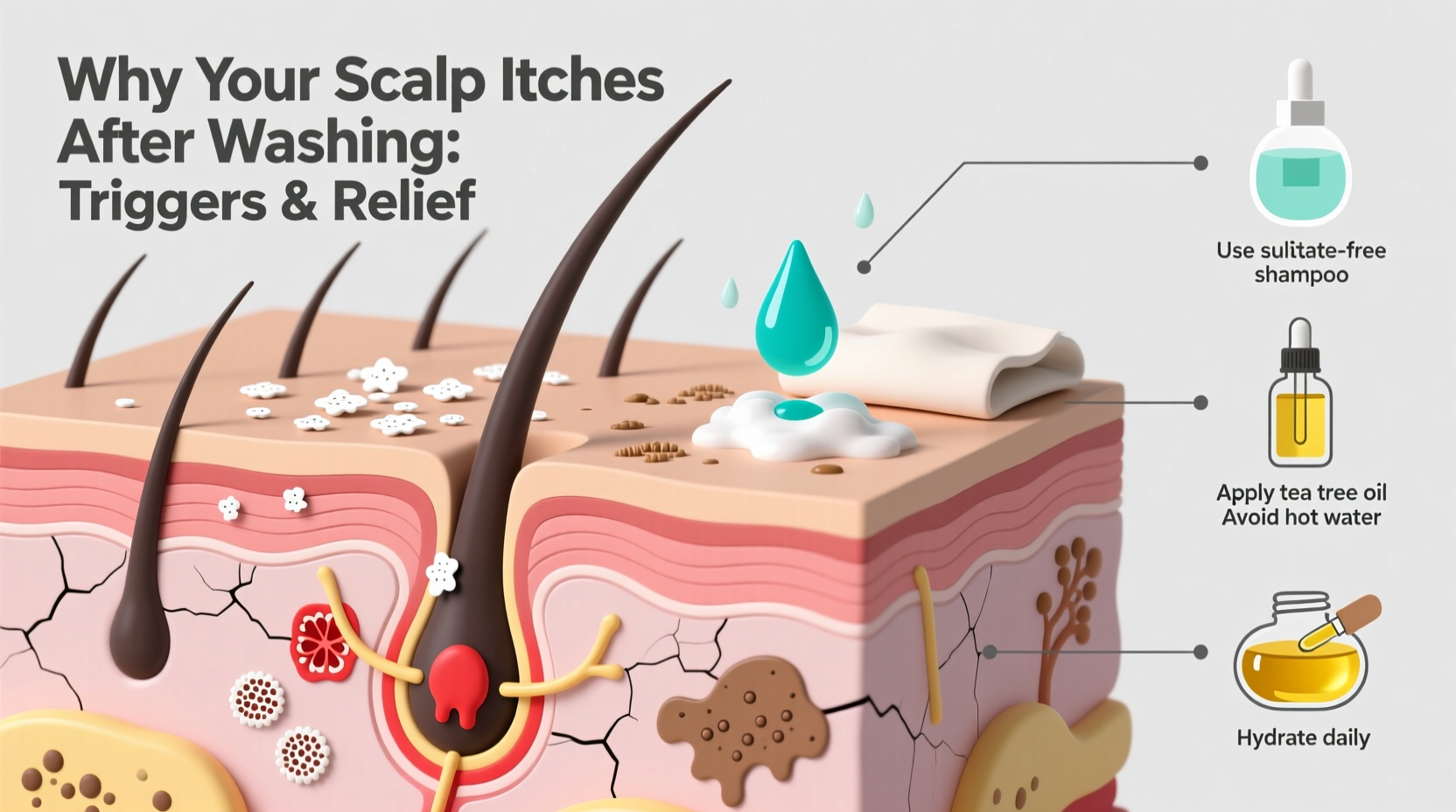
Scalp itching immediately or shortly after washing isn’t normal—and it shouldn’t be ignored. The act of cleansing should soothe and refresh, not provoke discomfort. Several factors can trigger this reaction, many of which stem from how products interact with your scalp’s delicate ecosystem.
- Dryness from harsh shampoos: Sulfates like sodium lauryl sulfate (SLS) strip natural oils, disrupting the scalp’s moisture barrier.
- Allergic reactions: Fragrances, preservatives (like parabens), and dyes in shampoos may cause allergic contact dermatitis.
- Residue buildup: Incomplete rinsing leaves behind product film that clogs follicles and irritates nerves.
- pH imbalance: A healthy scalp maintains a slightly acidic pH (around 4.5–5.5). Alkaline shampoos raise pH, weakening defenses and increasing sensitivity.
- Fungal overgrowth: Malassezia yeast thrives in oily environments and feeds on sebum, triggering inflammation and flaking.
- Skin conditions: Seborrheic dermatitis, psoriasis, and eczema often flare after exposure to water or cleansers.
Identifying Your Trigger: A Diagnostic Checklist
Pinpointing the exact cause of your itching requires observation and elimination. Use this checklist to narrow down possibilities based on symptoms and habits.
- When did the itching start? Did it begin after switching shampoos, using a new styling product, or during seasonal changes?
- Where is the itch located? Is it across the entire scalp, concentrated at the hairline, or only near the crown? Localized itching may indicate contact allergy.
- Is there visible flaking? White, greasy flakes suggest seborrheic dermatitis; silvery scales point to psoriasis.
- Does heat worsen it? Sweating or blow-drying intensifies fungal-related itching.
- Are other areas affected? Eczema or psoriasis often appear on eyebrows, ears, or chest alongside the scalp.
- Do symptoms improve with certain products? Keeping a product journal helps identify patterns.
Case Study: Emma’s Reaction to “Natural” Shampoo
Emma, 32, switched to a popular “organic” shampoo after reading about clean beauty trends. Within two weeks, her scalp began itching intensely after every wash. She assumed it was a detox phase—until redness and small bumps appeared along her hairline. A dermatologist diagnosed her with allergic contact dermatitis caused by tea tree oil, a common natural ingredient she’d never considered problematic. After eliminating all products containing essential oils, her symptoms resolved within ten days. Her experience underscores that “natural” doesn’t always mean safer.
Remedies That Work: Soothing Strategies Based on Cause
Treatment depends entirely on the root cause. Applying anti-dandruff treatments for dryness—or moisturizing when fungus is present—can make things worse. Match your remedy to your diagnosis.
| Trigger | Recommended Action | Avoid |
|---|---|---|
| Dryness / Harsh Cleansing | Use sulfate-free, hydrating shampoos; follow with a lightweight scalp serum containing squalane or glycerin. | Hot water, frequent washing, alcohol-based tonics. |
| Allergic Reaction | Switch to hypoallergenic, fragrance-free formulas; patch test new products behind the ear first. | Essential oils, synthetic fragrances, propylene glycol. |
| Fungal Overgrowth | Use medicated shampoos with ketoconazole, selenium sulfide, or pyrithione zinc twice weekly. | Oily scalp treatments, infrequent washing. |
| Seborrheic Dermatitis | Alternate between antifungal and salicylic acid shampoos; apply low-potency hydrocortisone if inflamed. | Over-washing, stress, cold dry air without protection. |
| Poor Rinsing | Rinse for at least 60 seconds; use lukewarm water and finger massage to remove residue. | Quick showers, high water pressure that doesn’t cover full scalp area. |
“Many patients come in convinced they have dandruff, but their real issue is residual surfactant irritation. Proper rinsing alone resolves symptoms in nearly 30% of cases.” — Dr. Lena Patel, Board-Certified Dermatologist
Step-by-Step Routine for a Calm Scalp
If you're unsure where to start, follow this gentle 7-day reset protocol designed to reduce inflammation and restore balance.
- Day 1–2: Eliminate Irritants
Cease using all scented, medicated, or clarifying shampoos. Switch to a basic, fragrance-free cleanser (look for labels like “for sensitive skin”). - Day 3: Deep Rinse Test
Wet hair thoroughly. Lather once, then rinse for a full minute, massaging scalp with flat fingertips. Repeat cleansing if needed, but double the rinse time. - Day 4: Apply Soothing Treatment
After washing, apply a few drops of pure aloe vera gel or colloidal oatmeal solution directly to itchy areas. Let air dry. - Day 5: Cool Water Trial
Wash with cool (not hot) water to calm nerve endings and reduce inflammation. - Day 6: Monitor Reactions
Keep a symptom log: rate itch intensity from 1–10, note any flaking, and record products used. - Day 7: Evaluate Progress
If itching has improved by 50%, continue the current routine. If unchanged or worse, consider a medicated option or consult a dermatologist.
When to See a Professional
While most cases of post-wash itching resolve with product adjustments, some require medical evaluation. Persistent symptoms could signal chronic conditions needing prescription treatment.
Seek professional help if:
- Itching lasts longer than three weeks despite changing products.
- You notice open sores, oozing, or crusting on the scalp.
- Hair thinning or shedding increases noticeably.
- Over-the-counter antifungals don’t improve flaking after four uses.
- The itch spreads to neck, ears, or face.
Dermatologists can perform scalp scrapings to test for fungal infections, patch testing for allergies, or even biopsy for autoimmune conditions like psoriasis. Early diagnosis prevents complications like secondary infections or scarring alopecia.
Frequently Asked Questions
Can hard water cause scalp itching after washing?
Yes. Hard water contains high levels of calcium and magnesium, which react with shampoo to form insoluble salts that coat the scalp. This residue blocks follicles and increases dryness. Installing a shower filter or using a chelating shampoo once a week (with ingredients like EDTA) can significantly reduce irritation.
Is it bad to scratch my scalp when it itches?
Scratching damages the skin barrier and introduces bacteria, potentially leading to folliculitis—an infection of the hair follicles. Instead of scratching, press gently with a cool fingertip or use a soft-bristled scalp brush to relieve tension without breaking the skin.
Why does my scalp itch only at night after washing in the morning?
This delayed reaction often points to drying effects. As moisture evaporates throughout the day, especially in air-conditioned or heated rooms, the scalp becomes taut and irritated. Applying a non-greasy scalp mist or serum before bed can lock in hydration.
Long-Term Prevention: Building a Scalp-Healthy Hair Care Routine
Preventing recurrence means treating your scalp like the sensitive skin it is. Just as you wouldn’t wash your face with dish soap, avoid subjecting your scalp to overly aggressive cleansing.
Adopt these sustainable practices:
- Wash frequency: Most people only need to shampoo 2–3 times per week. Overwashing strips lipids and increases sensitivity.
- Water temperature: Always use lukewarm or cool water. Hot water accelerates moisture loss and dilates blood vessels, worsening inflammation.
- Product layering: Avoid stacking multiple leave-in products unless necessary. Each layer increases the risk of clogged pores and irritation.
- Tool hygiene: Clean combs, brushes, and shower caps regularly. Bacteria and fungi thrive on old product buildup.
- Diet and stress: Chronic stress and deficiencies in zinc, biotin, or omega-3 fatty acids can manifest as scalp issues. Address lifestyle factors holistically.
“The scalp is an extension of facial skin. Treating it with the same care—gentle cleansing, pH balance, and targeted treatment—leads to better outcomes.” — Dr. Marcus Reed, Trichology Specialist
Conclusion
Itchy scalp after washing isn’t something you have to live with. Whether the culprit is a hidden allergen, improper technique, or an undiagnosed condition, solutions exist. Start by simplifying your routine, eliminating known irritants, and paying attention to how your scalp responds. With consistent, informed care, most people see improvement within days. Don’t settle for discomfort masked by habitual scratching—your scalp deserves better.




 浙公网安备
33010002000092号
浙公网安备
33010002000092号 浙B2-20120091-4
Comments
No comments yet. Why don't you start the discussion?