
If you're constantly pulling hair out of the drain or watching water pool around your feet during a shower, you're not alone. Weekly clogs are more common than many realize—especially in households with long-haired individuals or hard water. While chemical drain cleaners promise quick fixes, they often damage pipes over time and harm the environment. The better solution? Understanding the root causes and using natural, sustainable prevention methods that keep your plumbing healthy and flowing.
Shower clogs aren’t just inconvenient—they can lead to mold growth, slow drainage, foul odors, and even costly plumbing repairs. But before reaching for a plunger or a bottle of toxic cleaner, it’s worth asking: Why is this happening every week? The answer usually lies in a combination of hair accumulation, soap scum, mineral deposits, and poor maintenance habits. The good news is that with consistent, eco-friendly practices, you can stop clogs before they start.
The Real Reasons Your Shower Clogs Weekly
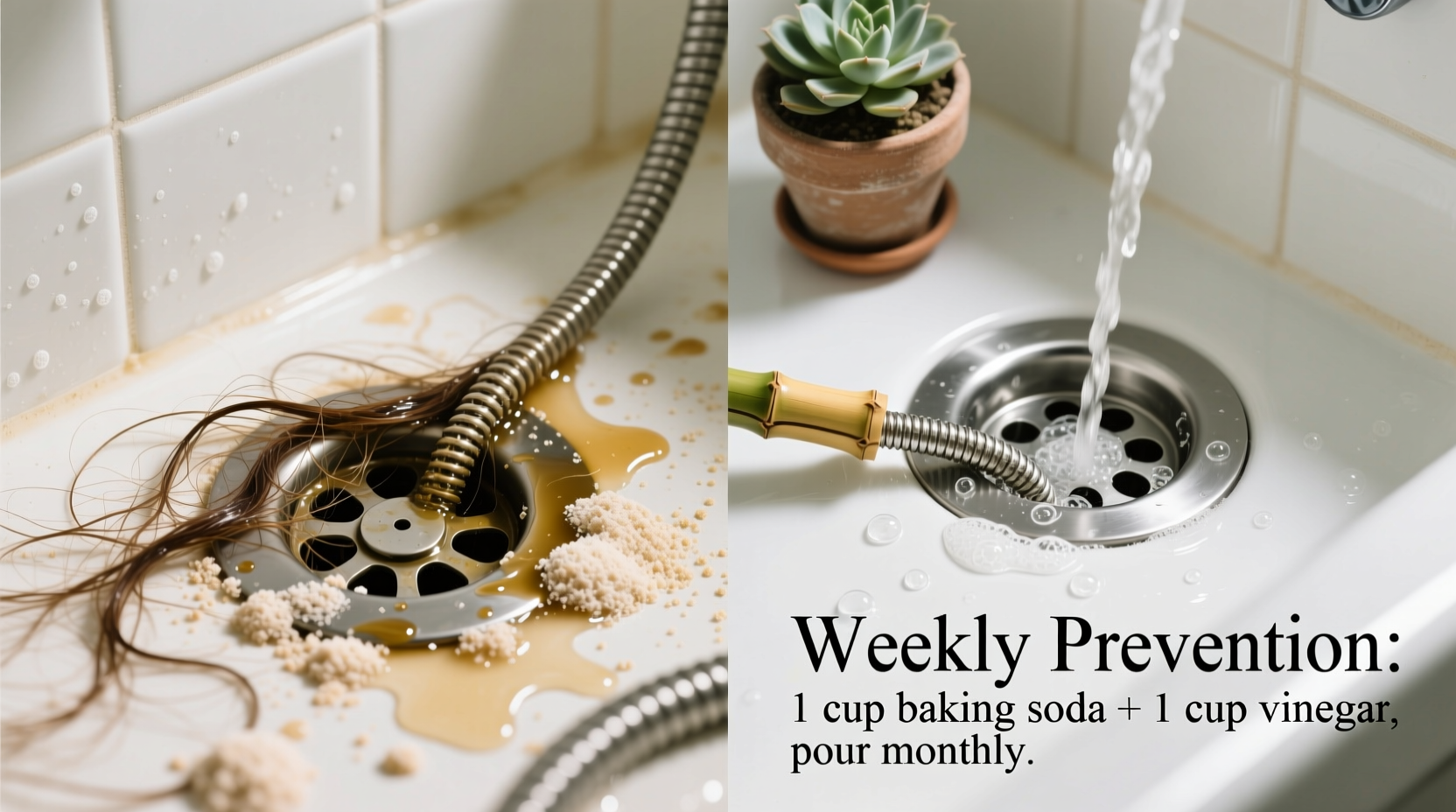
Most people assume clogs happen randomly, but recurring blockages point to underlying patterns. Identifying these causes is the first step toward lasting prevention.
- Hair Buildup: Hair is the number one culprit. It tangles easily, traps other debris, and forms stubborn mats inside pipes. Even short strands accumulate over time.
- Soap Scum and Residue: Bar soaps and certain body washes leave behind fatty acids and glycerin that cling to pipe walls. When combined with minerals in water, they create a glue-like substance.
- Hard Water Minerals: If your home has hard water (high in calcium and magnesium), mineral deposits build up inside pipes, narrowing the passageway and accelerating clogs.
- Lack of Drain Screens: Without a mesh filter, all debris flows directly into the drain. This simple omission drastically increases clog frequency.
- Infrequent Maintenance: Waiting until water backs up means the problem is already advanced. Proactive care prevents small issues from becoming major blockages.
In homes where multiple people shower daily, especially those with long hair, the volume of debris entering the drain multiplies quickly. Add hard water into the mix, and you’ve got a perfect storm for weekly clogs.
Natural Prevention Strategies That Actually Work
You don’t need bleach or lye-based cleaners to maintain a free-flowing shower drain. Nature offers powerful alternatives that break down buildup safely and sustainably.
1. Weekly Vinegar and Baking Soda Flush
This classic duo creates a fizzing reaction that loosens grime and neutralizes odors. More importantly, vinegar dissolves mineral deposits and cuts through soap residue without corroding pipes.
- Pour one cup of boiling water down the drain to soften buildup.
- Add ½ cup of baking soda directly into the drain.
- Follow with one cup of white vinegar. Cover the drain with a plug to contain the fizz.
- Wait 30 minutes, then flush with hot water.
Repeat this once a week, preferably at night, to prevent accumulation.
2. Enzyme-Based Drain Cleaners
Unlike chemical cleaners, enzyme-based products use natural bacteria to digest organic matter like hair, skin cells, and oils. They’re safe for septic systems and continuously work between uses.
Look for brands containing lactobacillus or protease enzymes, which target protein-based waste (like hair). Use weekly according to label instructions.
3. Monthly Hot Oil Treatment (For Greasy Buildup)
Some body washes and conditioners contain oils that coat pipes. A monthly pour of hot (not boiling) cooking oil may sound counterintuitive, but it helps dissolve sticky residues when followed by immediate flushing.
Caution: Only do this if you have metal or PVC pipes rated for heat. Never use if your system has plastic components vulnerable to warping.
4. Manual Hair Removal Routine
Use a bent wire hanger, zip tie tool, or dedicated drain snake to pull out visible hair clumps every 7–10 days. Do this after removing the drain cover for full access.
This takes less than five minutes and removes the primary source of blockage before it compacts deeper in the pipe.
“Prevention is always cheaper and easier than repair. A few minutes of weekly maintenance saves hundreds in plumber fees.” — Carlos Mendez, Master Plumber with 22 years of residential experience
Do’s and Don’ts of Natural Drain Care
| Do’s | Don’ts |
|---|---|
| Use a drain strainer to catch hair and debris | Ignore slow drainage—act early |
| Flush drains weekly with vinegar and baking soda | Pour grease, oil, or coffee grounds down the shower |
| Remove visible hair regularly | Use chemical drain openers frequently—they erode pipes |
| Install a water softener if you have hard water | Assume all “natural” cleaners are safe—always research ingredients |
| Run hot water after each shower to rinse residue | Let standing water sit overnight—this promotes bacterial growth |
A Real-Life Example: How One Family Stopped Weekly Clogs
The Thompson family of four—one adult with long hair, two teens, and a toddler—used to battle clogged showers nearly every weekend. Their plumber visited three times in six months, charging $120 per visit. Frustrated, they decided to overhaul their routine.
They started by installing stainless steel mesh strainers on all bathroom drains. Each evening, someone removed visible hair from the screens. Every Sunday night, they performed the vinegar-baking soda flush. They also switched from bar soap to a sulfate-free liquid body wash that produced less scum.
After one month, drainage improved noticeably. By week eight, they hadn’t experienced a single clog. They now spend less than 15 minutes a week on drain maintenance and haven’t called a plumber in over a year.
Their success wasn’t due to a miracle product—it came from consistency and understanding the cause-and-effect relationship between daily habits and pipe health.
Step-by-Step Weekly Maintenance Routine
Here’s a practical, time-efficient plan to keep your shower drain clear using only natural methods:
- Day 1 (Daily): After each shower, run hot water for 30 seconds to rinse loose particles down the pipe.
- Day 2 (Daily): Wipe excess moisture from the drain cover to prevent mold and mineral crust formation.
- Day 7 (Weekly):
- Remove the drain cover.
- Use tweezers or a small brush to extract trapped hair.
- Pour 1 cup boiling water down the drain.
- Add ½ cup baking soda.
- Follow with 1 cup white vinegar. Cover and wait 30 minutes.
- Flush with another pot of hot water.
- Day 30 (Monthly): Use an enzyme-based cleaner or inspect deeper pipe sections with a hand snake if needed.
This routine requires minimal effort but delivers maximum impact. Over time, you’ll notice fewer odors, faster drainage, and no more emergency plunging.
Frequently Asked Questions
Can baking soda and vinegar damage pipes?
No—when used correctly, this combination is safe for most plumbing materials, including PVC, copper, and cast iron. The reaction is mild and non-corrosive. However, avoid using it too frequently (more than twice a week), as excessive acidity could degrade seals over time.
Is it safe to use vinegar if I have a septic system?
Yes, in moderation. Small amounts of white vinegar won’t harm beneficial bacteria in septic tanks. In fact, vinegar helps balance pH levels. But avoid large quantities (more than 2 cups at once) or daily use, as concentrated acid can disrupt microbial balance.
What’s the best natural way to deal with hard water buildup?
Install a water softener for long-term results. For existing mineral deposits, use citric acid (from lemon juice or powdered form) instead of vinegar. Citric acid is more effective at dissolving calcium carbonate and leaves a fresh scent. Apply once a month: pour ¼ cup citric acid down the drain, wait 30 minutes, then flush with hot water.
Checklist: Natural Shower Drain Maintenance Plan
- ✅ Install a fine-mesh drain strainer
- ✅ Remove visible hair weekly
- ✅ Perform vinegar and baking soda flush every 7 days
- ✅ Switch to low-residue, liquid-based cleansers
- ✅ Run hot water after each shower
- ✅ Use enzyme cleaner monthly
- ✅ Test water hardness and consider a softener if above 7 gpg
- ✅ Inspect drain trap every 3–6 months for deep buildup
Print this list and hang it in your laundry room or bathroom cabinet as a reminder. Consistency turns prevention into habit.
Conclusion: Take Control of Your Drain Health
Weekly shower clogs are not inevitable. They’re a sign of preventable buildup and missed maintenance opportunities. By addressing the real causes—hair, soap scum, hard water, and neglect—you can break the cycle for good. Natural methods aren’t just safer for your pipes and the planet; they’re often more effective in the long run because they promote ongoing care rather than reactive fixes.
Start today. Put a strainer in your drain, schedule a weekly cleaning slot, and commit to the simple routines that protect your plumbing. Within weeks, you’ll notice the difference: faster drainage, fresher smells, and peace of mind knowing you’re not setting yourself up for expensive repairs.




 浙公网安备
33010002000092号
浙公网安备
33010002000092号 浙B2-20120091-4
Comments
No comments yet. Why don't you start the discussion?