
Skin breakouts after introducing a new moisturizer are more common than many realize. You might assume you’re doing everything right—cleansing, hydrating, following a routine—but then suddenly, pimples appear where they didn’t before. It’s frustrating, especially when you're trying to improve your skin. The truth is, not all moisturizers are created equal, and even products labeled “non-comedogenic” or “for sensitive skin” can trigger reactions in certain individuals. Understanding why this happens—and how to respond—is essential for maintaining a clear, healthy complexion.
Breakouts aren't always caused by poor hygiene or diet. Often, the culprit lies in the ingredients or formulation of the product itself. This article breaks down the science behind post-moisturizer acne, identifies key irritants, and provides actionable solutions so you can make informed skincare choices moving forward.
Why Moisturizers Can Trigger Breakouts
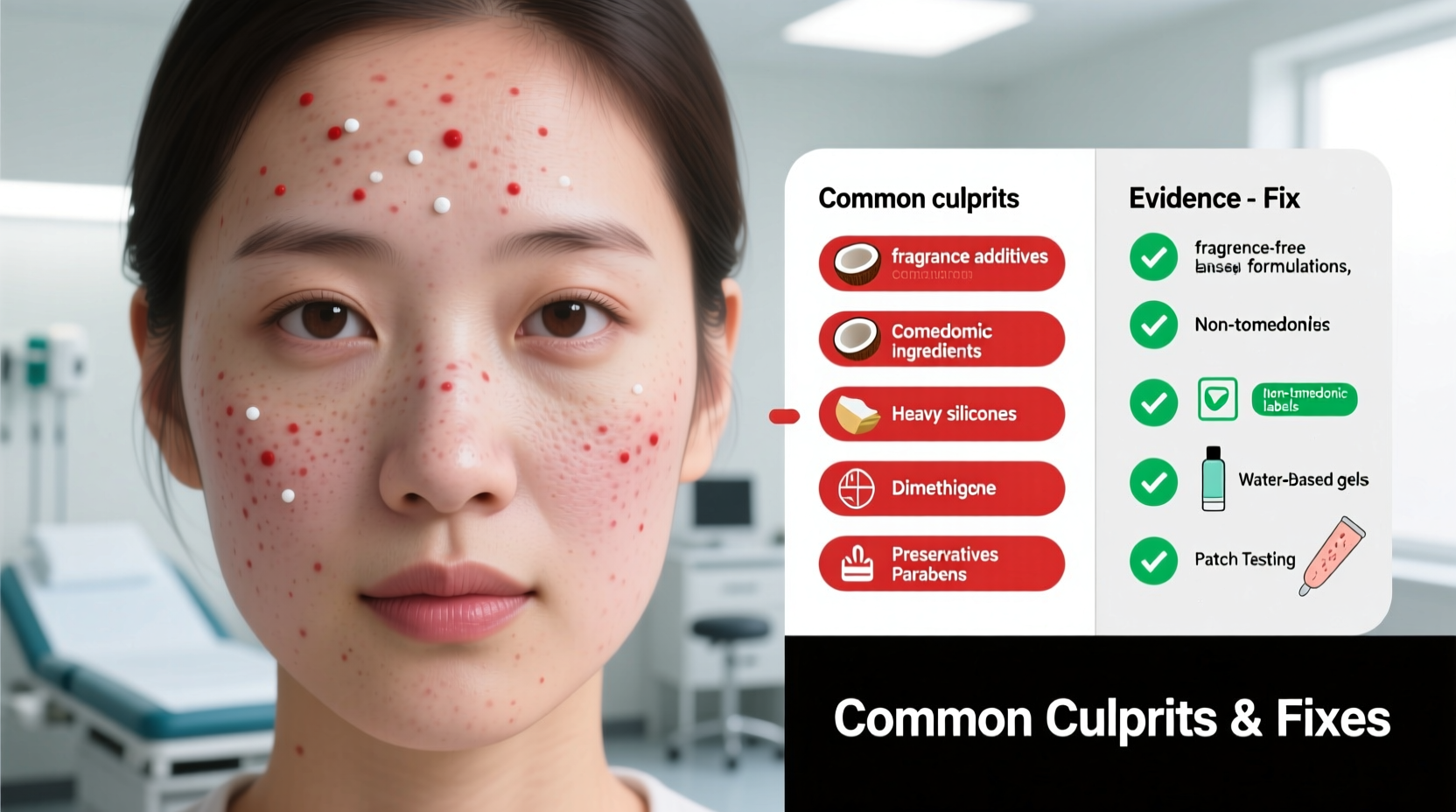
Moisturizers are designed to hydrate and protect the skin barrier, but sometimes their components interfere with the skin’s natural processes. When a product clogs pores, disrupts sebum production, or causes irritation, it can lead to acneiform eruptions—small bumps, whiteheads, or inflamed pimples that resemble traditional acne.
The root cause often comes down to one of three mechanisms:
- Comedogenicity: Some ingredients are known to block pores. When applied regularly, these substances trap dead skin cells and sebum underneath, creating an environment where acne-causing bacteria thrive.
- Irritation-induced inflammation: Certain compounds may not clog pores directly but provoke low-grade inflammation, which accelerates cell turnover and leads to microcomedones (early-stage clogged pores).
- Disruption of the skin microbiome: Healthy skin hosts beneficial microbes that keep pathogens like Propionibacterium acnes in check. Harsh preservatives or surfactants in moisturizers can upset this balance, increasing breakout risk.
It's important to distinguish between purging and breaking out. Purging occurs when active ingredients like retinoids or AHAs accelerate skin cell turnover, bringing underlying congestion to the surface temporarily. True breakouts from a moisturizer usually appear within days of use, affect areas not typically prone to acne, and persist without improvement.
Common Culprit Ingredients to Watch For
Not every ingredient listed on a label poses a threat, but some have a well-documented tendency to cause issues, especially for acne-prone or sensitive skin types. Here are the most frequent offenders:
- Coconut oil – Highly comedogenic despite its popularity. Frequently found in natural and DIY skincare, coconut oil forms a thick occlusive layer that can suffocate pores.
- Isopropyl myristate & isopropyl palmitate – These synthetic esters are cheap emollients used to create a smooth texture but are strongly linked to follicular plugging.
- Lanolin – A waxy substance derived from sheep wool, lanolin mimics natural sebum and can be problematic for those already prone to congestion.
- Mineral oil (especially heavy grades) – While inert and generally safe for dry skin, heavier forms can sit on top of the skin and trap debris if not properly cleansed.
- Fragrance (synthetic and natural) – Even botanical fragrances like essential oils (e.g., citrus, lavender) can sensitize the skin and promote inflammation.
- Algae extract and seaweed derivatives – Found in many \"natural\" moisturizers, these can feed acne bacteria due to their nutrient-rich composition.
A study published in the Journal of Cosmetic Dermatology found that formulations containing isopropyl myristate had a significantly higher incidence of acne-like eruptions compared to lighter alternatives such as squalane or glycerin-based lotions.
“Even ‘oil-free’ labels don’t guarantee safety. Always scan the full ingredient list—many hidden comedogens lurk beneath marketing claims.” — Dr. Nina Rodriguez, Board-Certified Dermatologist
Choosing the Right Moisturizer: A Smart Selection Guide
Selecting a compatible moisturizer requires more than just reading front-label promises. Here’s how to evaluate products effectively:
Step-by-Step Product Evaluation Process
- Check the first five ingredients. These make up the bulk of the formula. Look for humectants like glycerin, hyaluronic acid, or sodium PCA—lightweight, water-binding agents that won’t clog pores.
- Avoid high concentrations of oils near the top of the list. If coconut oil, shea butter, or cocoa butter appears early, the product is likely too rich for oily or acne-prone skin.
- Look for “non-comedogenic” verification. While not regulated, brands that test their products dermatologically often provide more reliable data.
- Opt for fragrance-free over unscented. “Unscented” means masking fragrances are added; “fragrance-free” means none were included.
- Consider texture. Gel or gel-cream formulas absorb quickly and are less likely to contribute to congestion than heavy creams or ointments.
| Ingredient Type | Safer Alternatives | High-Risk Ingredients to Avoid |
|---|---|---|
| Emollients | Squalane, jojoba oil, dimethicone (low concentration) | Coconut oil, lanolin, cocoa butter |
| Occlusives | Petrolatum (in moderation), shea butter (diluted) | Heavy mineral oil, beeswax (in thick layers) |
| Humectants | Glycerin, hyaluronic acid, urea | None – generally safe |
| Preservatives | Phenoxyethanol, potassium sorbate | Parabens (controversial), methylisothiazolinone |
| Fragrance | Fragrance-free formulations | Parfum, essential oils (citrus, mint, clove) |
What to Do If Your Skin Reacts
If you’ve already experienced breakouts after starting a new moisturizer, stop using it immediately. Continuing application will only prolong the issue and potentially worsen inflammation.
Recovery Timeline and Actions
- Day 1–2: Discontinue use. Wash face gently with a mild, non-abrasive cleanser. Avoid exfoliation during this phase.
- Day 3–5: Simplify routine. Use only a gentle cleanser and a basic, hypoallergenic moisturizer (e.g., ceramide-based). Consider adding a niacinamide serum to calm redness and regulate sebum.
- Day 6–10: Monitor progress. Most reactions resolve within 7–10 days. If breakouts persist beyond two weeks, consult a dermatologist.
- After resolution: Patch test next product. Apply a small amount behind the ear or on the jawline for 3–5 nights before full-face use.
Mini Case Study: Sarah’s Reaction to a “Natural” Face Cream
Sarah, a 28-year-old office worker with combination skin, switched to a popular “clean beauty” moisturizer marketed as nourishing and plant-based. Within four days, she developed small, persistent bumps along her cheeks and chin—areas she rarely broke out in before.
Upon reviewing the ingredient list, her dermatologist identified two red flags: coconut oil (listed second) and lavender essential oil. Both are known comedogens and potential sensitizers. Sarah discontinued the product, reverted to a simple glycerin-based lotion, and incorporated a 5% niacinamide serum. Her skin cleared within nine days, and she now avoids coconut-derived ingredients entirely.
This case highlights how even products perceived as “gentle” or “natural” can contain problematic components. Marketing language doesn’t replace ingredient literacy.
Prevention Checklist: How to Avoid Future Breakouts
Use this checklist before adopting any new moisturizer into your routine:
- ✅ Read the full ingredient list—not just the front label
- ✅ Verify that comedogenic ingredients (like coconut oil, isopropyl myristate) are absent or very low on the list
- ✅ Choose fragrance-free, dye-free formulas whenever possible
- ✅ Perform a patch test for at least 3 nights on a small area (jawline or behind ear)
- ✅ Introduce only one new product at a time
- ✅ Wait 1–2 weeks before adding another product to monitor reactions
- ✅ Stick to lightweight textures (gels, fluids) if you have oily or acne-prone skin
- ✅ Consult reviews from users with similar skin types (e.g., “acne-prone,” “rosacea”) on trusted forums
Frequently Asked Questions
Can a moisturizer cause breakouts even if I’ve never had acne before?
Yes. Adult-onset acne is increasingly common, and new skincare products are a frequent trigger. Hormonal fluctuations, stress, and environmental factors can make skin more reactive over time—even if you had clear skin in your teens.
Is it possible to be allergic to a moisturizer?
Absolutely. Allergic contact dermatitis can result from ingredients like fragrances, preservatives, or botanical extracts. Symptoms include redness, itching, swelling, and sometimes pustules. If you suspect an allergy, see a dermatologist for patch testing.
Does “non-comedogenic” mean it won’t clog pores?
Not always. The term isn’t strictly regulated, and testing methods vary. While it’s a helpful starting point, individual skin responses differ. A product labeled non-comedogenic may still cause breakouts depending on your unique skin chemistry.
Final Thoughts and Moving Forward
Experiencing breakouts after using a new moisturizer doesn’t mean your skin is flawed—it means you’ve encountered an incompatible formula. Skincare is highly personalized, and what works for one person may disrupt another. The key is vigilance, patience, and education.
By understanding which ingredients tend to cause issues, learning how to read labels critically, and adopting a methodical approach to product trials, you can avoid unnecessary flare-ups and build a routine that supports long-term clarity and resilience.
Don’t let one bad reaction discourage you. Instead, use it as a learning opportunity to refine your regimen and become more attuned to your skin’s needs.




 浙公网安备
33010002000092号
浙公网安备
33010002000092号 浙B2-20120091-4
Comments
No comments yet. Why don't you start the discussion?