
If you’ve noticed persistent acne flaring up along your jawline while the rest of your face stays relatively clear, you’re not alone. This pattern is so common it has a clinical name: hormonal acne. Unlike breakouts caused by poor hygiene or diet alone, jawline acne often stems from deeper internal factors—particularly hormonal fluctuations. Understanding the root causes and implementing precise prevention strategies can make a dramatic difference in both appearance and confidence.
The jawline is one of the most frustrating areas to treat because lesions here tend to be deep, painful, and slow to heal. These are typically cystic or nodular pimples that form beneath the surface rather than clogged pores with visible heads. They don’t respond well to surface-level treatments, which is why many people feel stuck in a cycle of recurring flare-ups.
This article breaks down the science behind jawline-specific breakouts, explores contributing lifestyle and environmental factors, and provides actionable steps backed by dermatology research to help you regain control over your skin.
Hormonal Imbalance: The Primary Culprit
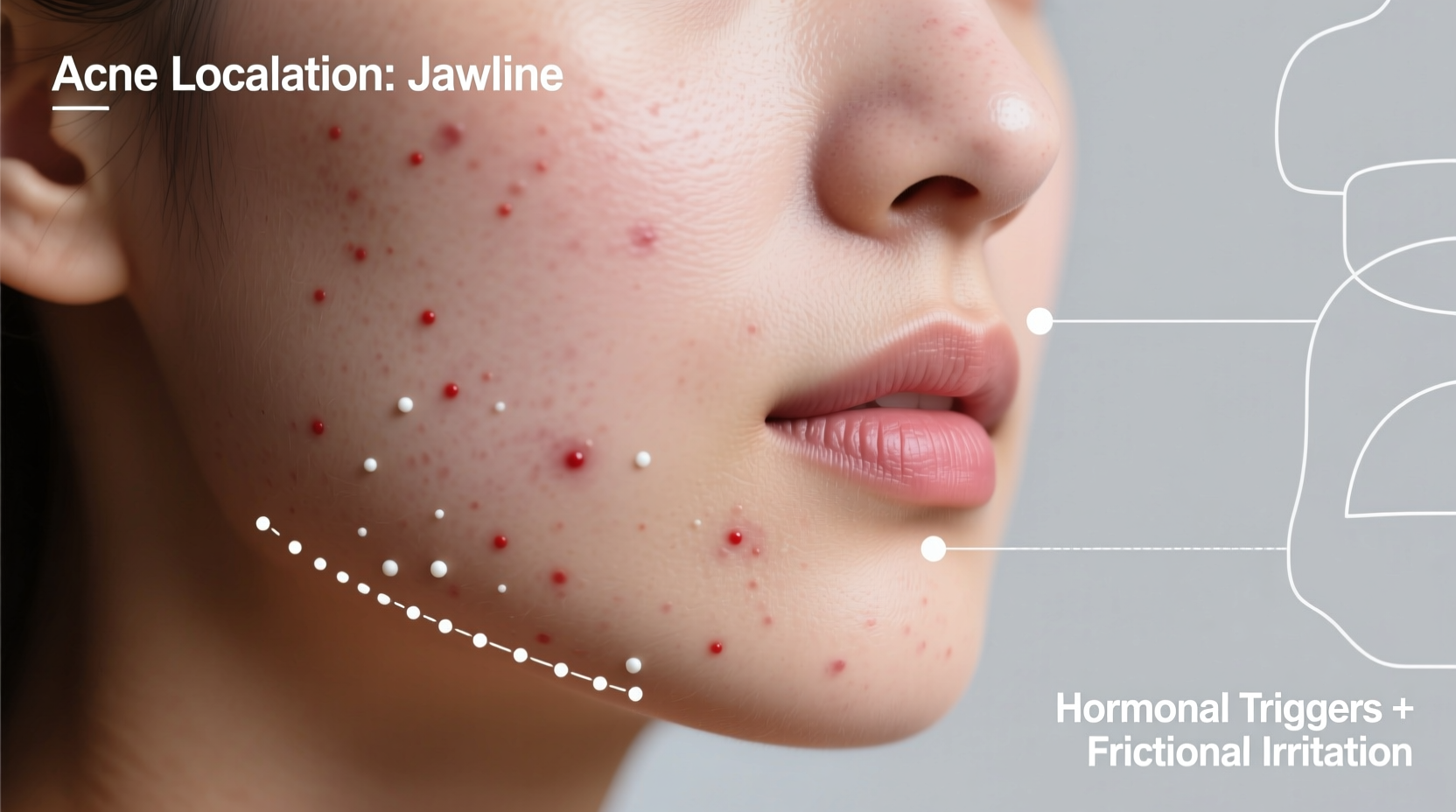
The most common reason for acne concentrated on the jawline is hormonal fluctuation, especially involving androgens like testosterone. Both men and women produce androgens, but even small imbalances can trigger excess sebum (oil) production in the skin’s sebaceous glands. When this oil mixes with dead skin cells and bacteria, it clogs pores and leads to inflammation.
In women, jawline acne often correlates with menstrual cycles, polycystic ovary syndrome (PCOS), perimenopause, or stress-induced cortisol spikes. During the luteal phase—just before menstruation—progesterone and testosterone levels rise relative to estrogen, increasing oil production and sensitivity in the lower third of the face.
“Jawline acne is frequently linked to androgen activity. It’s less about dirt and more about biology.” — Dr. Lena Patel, Board-Certified Dermatologist
Men may also experience jawline breakouts due to natural hormone shifts, especially during times of high stress or poor sleep, which elevate cortisol and indirectly stimulate sebum production.
Lifestyle & Environmental Triggers
While hormones lay the foundation, external factors can worsen or prolong jawline acne. These include:
- Phone contact: Holding your phone against your jaw transfers oil, bacteria, and grime directly onto acne-prone skin.
- Hair products: Conditioners, oils, and styling creams that drip down the neck can clog pores along the jawline—a phenomenon known as “pomade acne.”
- Diet: High-glycemic foods (sugary snacks, white bread) and dairy have been associated with increased insulin and IGF-1 levels, which may stimulate oil glands.
- Stress: Chronic stress increases cortisol, which can disrupt hormonal balance and compromise the skin barrier.
- Skincare habits: Over-cleansing, using comedogenic moisturizers, or skipping sunscreen can all contribute to irritation and breakouts.
Step-by-Step Guide to Preventing Jawline Breakouts
Effective prevention requires consistency and a multi-pronged approach. Follow this timeline to gradually improve your skin health and reduce recurrence:
- Week 1–2: Assess & Adjust Habits
- Track your breakouts alongside your menstrual cycle (if applicable).
- Cleanse phones, pillowcases, and hairbrushes weekly.
- Switch to non-comedogenic facial products labeled “oil-free” or “won’t clog pores.”
- Week 3–4: Optimize Skincare Routine
- Introduce a gentle cleanser with salicylic acid (0.5%–2%) every other night.
- Add a topical treatment with benzoyl peroxide (2.5%–5%) spot-applied to active areas.
- Use a lightweight, non-comedogenic moisturizer to maintain barrier function.
- Month 2: Address Internal Factors
- Reduce intake of skim milk and refined carbohydrates.
- Incorporate omega-3 fatty acids (from fish, flaxseed) to reduce inflammation.
- Prioritize 7–8 hours of sleep and practice stress-reduction techniques like meditation.
- Month 3+: Evaluate & Escalate if Needed
- Consult a dermatologist if no improvement after 8–12 weeks.
- Consider prescription options such as topical retinoids, spironolactone (for women), or oral contraceptives.
Do’s and Don’ts: Quick Reference Table
| Do’s | Don’ts |
|---|---|
| Wash pillowcases every 3–4 days | Touch your jawline throughout the day |
| Use oil-free sunscreen daily | Skip moisturizer out of fear of oiliness |
| Apply acne treatments at night | Over-exfoliate trying to “clean” the area |
| Keep hair off your face and neck | Pop or pick at cystic bumps |
| Stay hydrated and manage stress | Rely solely on spot treatments without addressing root causes |
When to See a Dermatologist
Self-care measures work for mild to moderate cases, but persistent or painful jawline cysts may require medical intervention. You should seek professional help if:
- Breakouts occur monthly and interfere with daily life.
- Lesions are large, tender, and leave dark marks or scars.
- You suspect PCOS (symptoms include irregular periods, excess facial hair, weight gain).
- Over-the-counter products haven’t helped after 10–12 weeks.
A dermatologist might prescribe:
- Topical retinoids: Like tretinoin or adapalene, to unclog pores and speed cell turnover.
- Oral antibiotics: Such as doxycycline, for short-term inflammation control.
- Hormonal therapy: Spironolactone blocks androgen receptors and is highly effective for adult female acne.
- Birth control pills: Certain formulations regulate hormone swings that trigger breakouts.
“Spironolactone has transformed outcomes for women with stubborn jawline acne. It targets the root cause, not just the symptom.” — Dr. Alicia Nguyen, Clinical Dermatology Researcher
Real-Life Example: Sarah’s Journey
Sarah, a 29-year-old graphic designer, struggled with painful jawline cysts for over five years. She tried countless cleansers, toners, and masks, believing she wasn’t cleaning her face enough. Her breakouts worsened around her period, and despite flawless makeup coverage, she avoided side-profile photos.
After tracking her cycle and skincare routine for two months, she noticed a pattern: flare-ups began seven days before her period and coincided with increased stress at work. She also realized she rested her phone on her jaw during long calls.
With guidance from a dermatologist, Sarah started wiping her phone nightly, switched to a salicylic acid cleanser, and began taking spironolactone. Within three months, her premenstrual breakouts decreased by 80%. Today, she uses a maintenance regimen and credits her success to understanding the hormonal link rather than blaming herself for “dirty skin.”
Checklist: Your Action Plan for Clearer Skin
Use this checklist weekly to stay on track:
- ✅ Clean phone screen and case with disinfectant wipe
- ✅ Wash pillowcase and facial towels
- ✅ Apply acne treatment at night (benzoyl peroxide or retinoid)
- ✅ Avoid resting hands or hair on jawline
- ✅ Drink at least 2 liters of water
- ✅ Limit dairy and sugar intake
- ✅ Practice 10 minutes of mindfulness or deep breathing
- ✅ Log any new breakouts and note timing in cycle (if applicable)
Frequently Asked Questions
Can jawline acne be a sign of PCOS?
Yes. Persistent jawline acne, especially when accompanied by irregular periods, unwanted facial hair, or scalp hair thinning, can indicate polycystic ovary syndrome. Blood tests and pelvic ultrasounds help confirm diagnosis. If you suspect PCOS, consult a gynecologist or endocrinologist.
Why won’t my jawline acne go away even with good skincare?
Surface treatments alone often fail because jawline acne is primarily driven by internal factors like hormones or inflammation. While skincare helps manage symptoms, lasting improvement usually requires addressing underlying triggers through lifestyle adjustments or medical therapy.
Is it safe to use acne treatments long-term on the jawline?
Most topical treatments are safe for extended use under medical supervision. However, overuse of harsh ingredients like high-concentration benzoyl peroxide or alcohol-based toners can damage the skin barrier, leading to dryness and rebound oiliness. Always follow product instructions and pair actives with a soothing moisturizer.
Final Thoughts: Take Control With Consistency
Jawline breakouts are not a reflection of poor hygiene or laziness—they’re often a signal from your body that something deeper needs attention. Whether it’s hormonal shifts, chronic stress, or unnoticed environmental triggers, the key to resolution lies in consistent, informed care.
Start small: clean your phone, switch to non-comedogenic products, and track your breakouts. As you gather data, you’ll begin to see patterns emerge. From there, layer in evidence-based treatments and don’t hesitate to seek expert help when needed.




 浙公网安备
33010002000092号
浙公网安备
33010002000092号 浙B2-20120091-4
Comments
No comments yet. Why don't you start the discussion?