
A radiant complexion is often associated with health, vitality, and self-care. Yet, many people wake up to a lackluster reflection—skin that appears tired, flat, or uneven in tone. Dullness isn’t just a cosmetic concern; it can signal deeper imbalances in your skincare routine, lifestyle, or overall well-being. The good news is that most causes of dull skin are reversible. Understanding the root issues and adopting targeted exfoliation practices can dramatically transform your skin’s appearance, revealing clarity, brightness, and renewed vibrancy.
Understanding Dull Skin: What It Really Means
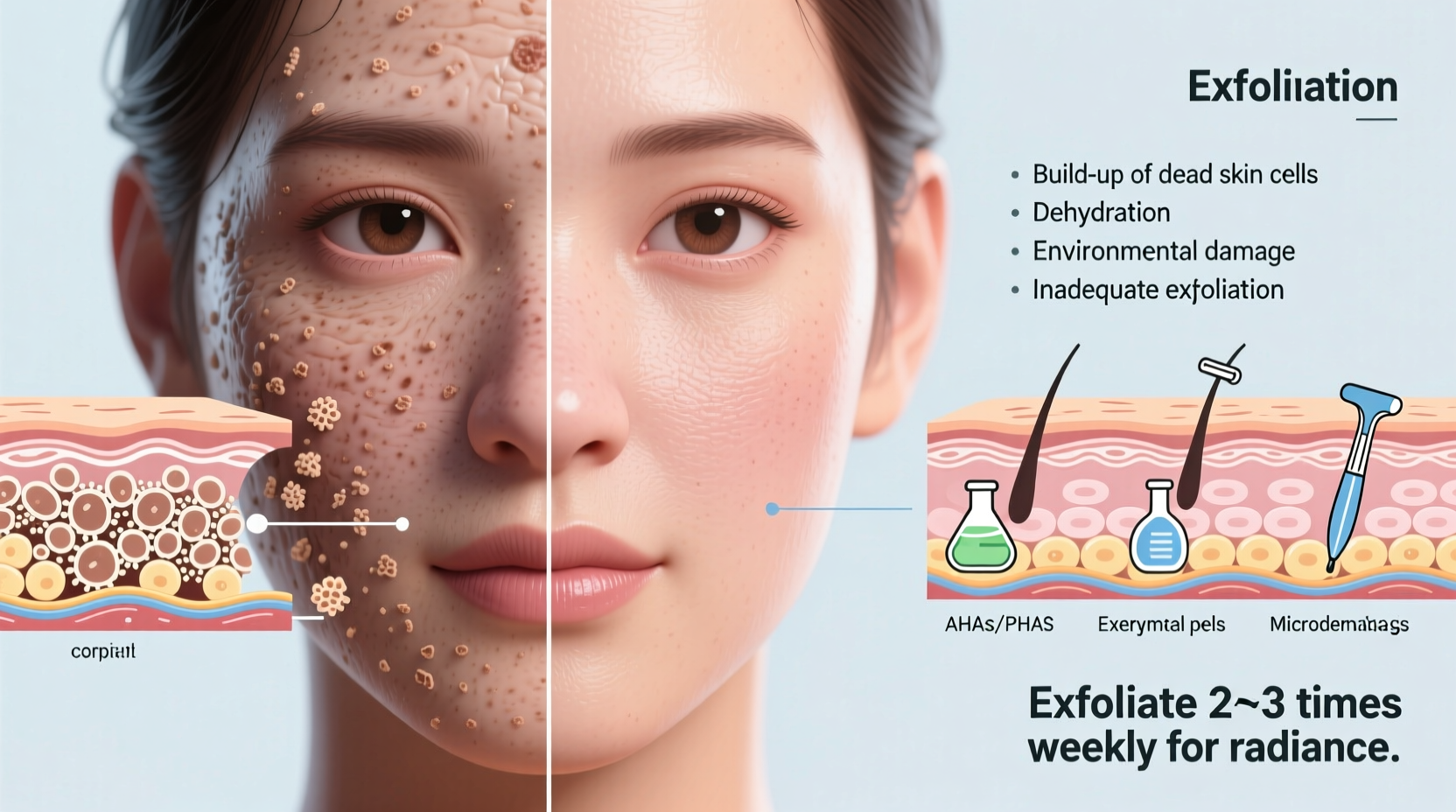
Dull skin lacks luminosity and may appear grayish, sallow, or rough in texture. Unlike acne or redness, dullness is subtle but pervasive. It occurs when the skin’s natural renewal process slows down, allowing dead skin cells to accumulate on the surface. This buildup scatters light rather than reflecting it evenly, diminishing glow. Additionally, poor circulation, dehydration, and environmental damage contribute to a tired-looking complexion.
The stratum corneum—the outermost layer of the epidermis—is designed to shed dead cells every 28 days on average. However, this cycle slows with age, stress, or inadequate care. When dead cells linger, they create a barrier that not only makes skin look lifeless but also hinders the absorption of serums and moisturizers.
Common Causes of Dull Skin
Dullness rarely stems from a single factor. Instead, it's typically the result of multiple overlapping influences. Identifying these triggers is the first step toward correction.
- Accumulation of Dead Skin Cells: As cell turnover declines, especially after age 30, old cells remain on the surface longer, creating a film that blocks light reflection.
- Dehydration: Even oily skin can be dehydrated. Lack of water content reduces plumpness and transparency, making skin appear flat.
- Poor Circulation: Reduced blood flow limits oxygen and nutrient delivery to skin cells, contributing to a grayish tone.
- Environmental Stressors: Pollution, UV exposure, and blue light generate free radicals that degrade collagen and impair barrier function.
- Inadequate Sleep and Chronic Stress: These disrupt hormonal balance and reduce cellular repair, leading to fatigue-like effects on the face.
- Unbalanced Diet: Deficiencies in antioxidants, essential fatty acids, and vitamins (especially A, C, and E) weaken skin resilience.
- Overwashing or Harsh Products: Stripping the skin of natural oils compromises its ability to retain moisture and defend against irritants.
“Skin dullness is often the first sign of compromised barrier function. It’s not just about exfoliation—it’s about restoring balance.” — Dr. Lena Torres, Dermatologist and Clinical Researcher
The Role of Exfoliation in Restoring Radiance
Exfoliation is one of the most effective tools for combating dullness. By removing the top layer of dead cells, it instantly improves texture, evens tone, and enhances product penetration. But not all exfoliation is created equal. Choosing the right method—and using it correctly—is crucial to avoid irritation or over-exfoliation.
There are two primary types of exfoliants: physical and chemical. Each has distinct benefits and ideal use cases.
Physical vs. Chemical Exfoliation: A Comparative Overview
| Type | Mechanism | Best For | Risks |
|---|---|---|---|
| Physical (Scrubs, Brushes) | Manual removal via abrasives or tools | Thicker, resilient skin; immediate smoothing | Micro-tears, inflammation if used too aggressively |
| Chemical (AHAs, BHAs, Enzymes) | Dissolves bonds between dead cells | Sensitive, acne-prone, or aging skin; deeper renewal | Stinging or peeling if misused or over-applied |
While scrubs offer instant gratification, dermatologists increasingly favor chemical exfoliants for their precision and gentler action. Alpha-hydroxy acids (AHAs) like glycolic and lactic acid work on the surface, ideal for dry, sun-damaged skin. Beta-hydroxy acid (salicylic acid) penetrates oil glands, making it excellent for congested or acne-prone complexions. Enzymatic exfoliants—derived from papaya or pineapple—offer a mild alternative by breaking down keratin proteins without altering pH.
Smart Exfoliation Tips for Lasting Radiance
Exfoliation should enhance, not compromise, your skin’s health. Follow these evidence-based tips to maximize results while minimizing risk.
- Know Your Skin Type: Oily skin may tolerate stronger acids 2–3 times weekly, while sensitive skin benefits from gentle enzymes once a week. Dry skin responds well to lactic acid, which also hydrates.
- Start Low and Go Slow: Begin with lower concentrations (e.g., 5% AHA) and increase gradually. Overdoing it leads to redness, tightness, and increased sensitivity.
- Time It Right: Apply chemical exfoliants at night. AHAs increase photosensitivity, so daytime use requires strict SPF protection.
- Avoid Combining Actives: Don’t pair exfoliants with retinoids or vitamin C unless your skin is acclimated. Mixing too many potent ingredients can cause irritation.
- Hydrate Afterward: Follow exfoliation with a nourishing serum containing hyaluronic acid or ceramides to reinforce the moisture barrier.
- Use Tools Wisely: If using facial brushes or cloths, opt for ultra-soft bristles and use light pressure. Never scrub in circular motions for more than 20 seconds.
- Listen to Your Skin: If you experience stinging, flaking, or persistent redness, pause exfoliation for 5–7 days and focus on repair.
Step-by-Step Weekly Radiance Routine
This balanced regimen integrates exfoliation safely into a weekly skincare flow. Adjust frequency based on tolerance.
- Day 1 (Evening): Gentle Cleansing + Hydration
Use a milky cleanser followed by a hydrating toner and antioxidant serum. Prepares skin for treatment. - Day 3 (Evening): Chemical Exfoliation
Apply a 5–10% AHA or BHA solution after cleansing. Leave on for instructed time (usually 5–10 minutes), then rinse or follow with moisturizer. - Day 5 (Evening): Enzyme Mask (Optional)
Use a papain- or bromelain-based mask for 10 minutes to gently dissolve residue and brighten. - Day 7 (Morning): Sun Protection Focus
After any exfoliation, prioritize SPF 30+ daily. UV exposure worsens dullness and increases post-exfoliation sensitivity.
Real-Life Example: Reversing Dullness in 4 Weeks
Sarah, a 34-year-old office worker, struggled with dull, uneven skin despite using high-end moisturizers. Her routine included double cleansing and SPF, but she skipped exfoliation due to fear of irritation. After consulting a dermatologist, she began a controlled regimen: a 5% lactic acid serum twice weekly at night, paired with a ceramide-rich moisturizer and daily mineral sunscreen.
Within 10 days, her skin felt smoother and absorbed serums more effectively. By week three, colleagues commented on her “glow.” At four weeks, a before-and-after comparison showed reduced patchiness and improved clarity. The key was consistency and avoiding overuse—she never exceeded two exfoliating nights per week and always followed with hydration.
Sarah’s case illustrates that even minor adjustments, when applied correctly, yield visible improvements. She now incorporates monthly professional enzyme facials to maintain results.
Essential Do’s and Don’ts of Exfoliation
| Do’s | Don’ts |
|---|---|
| Exfoliate at night for best results | Scrub vigorously or use harsh beads |
| Use sunscreen daily after exfoliating | Combine multiple acids or actives too soon |
| Pat skin dry—never rub | Exfoliate broken, inflamed, or sunburned skin |
| Store exfoliants in cool, dark places | Expect immediate perfection—results build over weeks |
Frequently Asked Questions
How often should I exfoliate to avoid dull skin?
Most skin types benefit from exfoliation 1–3 times per week. Start once weekly and assess tolerance. Sensitive skin may do best with biweekly enzymatic treatments, while resilient or oily skin can handle acids up to three times weekly. Always allow at least one day between sessions.
Can exfoliation make my skin worse?
Yes, if done incorrectly. Over-exfoliation strips the protective lipid barrier, leading to dryness, redness, and increased sensitivity. Signs include tightness, burning, and breakouts. If this occurs, stop exfoliating and focus on barrier repair with soothing ingredients like oat extract, panthenol, and squalane.
Is physical exfoliation outdated?
Not entirely. Modern scrubs with fine, spherical beads or rice bran are less abrasive than older formulations. However, chemical exfoliants offer more consistent, deeper results with lower risk of micro-injuries. Many experts recommend them as the safer long-term choice.
Conclusion: Illuminate Your Skin with Intentional Care
Dull skin doesn’t have to be permanent. By understanding the underlying causes—slow cell turnover, dehydration, environmental stress, and lifestyle factors—you gain control over your complexion’s destiny. Thoughtful exfoliation, tailored to your skin type and performed with discipline, becomes a powerful ally in restoring radiance. Whether through gentle acids, enzymes, or mindful mechanical methods, the goal is renewal without compromise.
True glow comes not from quick fixes but from consistent, informed care. Begin today: assess your current routine, introduce one exfoliating step, and observe the transformation unfold. Healthy, luminous skin isn’t reserved for a lucky few—it’s within reach for anyone willing to treat their skin with knowledge, patience, and respect.




 浙公网安备
33010002000092号
浙公网安备
33010002000092号 浙B2-20120091-4
Comments
No comments yet. Why don't you start the discussion?