
Snake owners often worry when their pet spends more time out of sight than in view. Unlike dogs or cats, snakes are naturally secretive animals, and hiding is a core part of their survival strategy. However, persistent or sudden changes in hiding behavior can signal stress, illness, or environmental issues. Understanding the line between instinctive behavior and warning signs is essential for responsible snake care.
This article explores why snakes hide, how much is normal, and what subtle cues might indicate a deeper issue. Whether you're a new owner or have kept snakes for years, recognizing these patterns helps ensure your reptile thrives—not just survives.
Understanding Snake Behavior: The Instinct to Hide
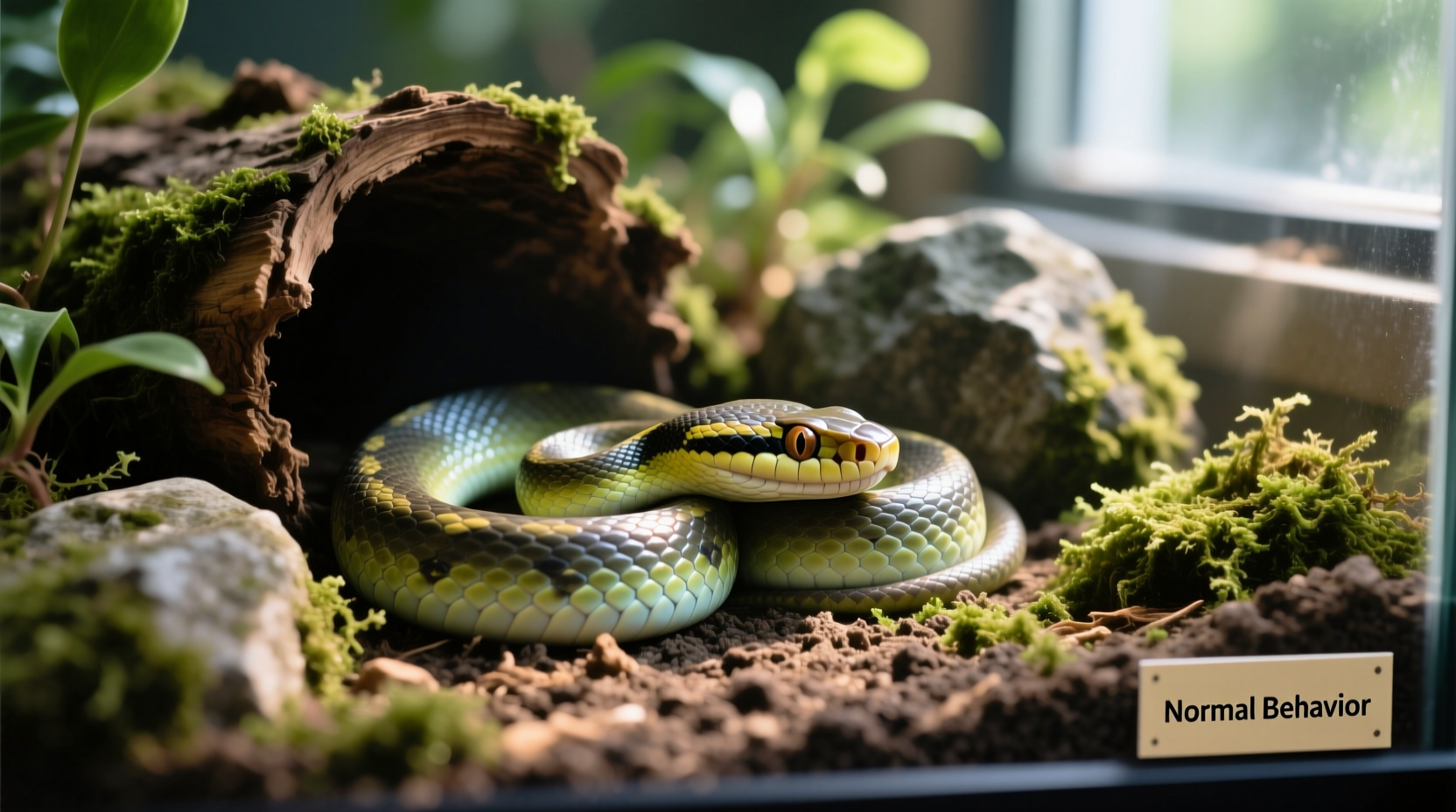
In the wild, snakes are both predators and prey. Even large constrictors avoid unnecessary exposure to larger animals, weather extremes, or territorial conflicts. Hiding allows them to conserve energy, regulate body temperature, and remain undetected by threats. This evolutionary trait doesn’t disappear in captivity—it’s deeply ingrained.
Most snakes are crepuscular or nocturnal, meaning they’re most active during dawn, dusk, or night. During daylight hours, especially in human homes with constant activity, it's entirely normal for a snake to retreat into its hide box and remain motionless. In fact, a well-adjusted snake should feel secure enough to use its hides regularly without showing signs of distress.
The key isn’t whether your snake hides—it’s how and when it does so. A healthy snake will emerge periodically to drink water, explore the enclosure, or hunt (if fed live or scent trails are present). It may also be seen resting partially inside a hide, with head or mid-body exposed—this indicates comfort, not fear.
When Is Constant Hiding a Concern?
While hiding is natural, certain behaviors suggest something is wrong. These red flags include:
- No emergence for food: Refusing meals for extended periods beyond normal fasting (e.g., weeks in non-brumating species).
- Constantly pressed against glass: Known as \"glass surfing,\" this may indicate improper temperatures, overcrowding, or stress from surroundings.
- Hiding with mouth open or labored breathing: Could signal respiratory infection or overheating.
- Sudden change in behavior: A previously visible snake that now never leaves its hide may be reacting to pain, mites, shedding problems, or habitat issues.
- Refusal to use any other area of the enclosure: Lack of exploration even after adjustments to lighting or feeding routines.
If your snake hasn't been seen for several days and shows no signs of having eaten or shed properly, closer observation is warranted. Note whether water levels have dropped, if feces are present, and whether the snake responds to gentle tapping near the hide (not handling). A brief visual check using a flashlight—without removing the hide—is acceptable to confirm presence and posture.
“Snakes don’t hide because they’re ‘shy’—they hide because they feel safest there. Our job is to make sure that safety doesn’t come from fear.” — Dr. Laura Hemming, Exotic Veterinarian & Reptile Behavior Researcher
Environmental Factors That Influence Hiding Habits
A snake’s environment plays a critical role in how much it hides. Even minor imbalances can cause prolonged seclusion. Consider the following aspects of husbandry:
Temperature and Humidity
Snakes rely on external heat sources to digest food and maintain immune function. If the basking zone is too cold or the ambient temperature drops below species-specific needs, your snake may stay hidden to conserve heat—or attempt to escape entirely. Similarly, excessive heat drives snakes to seek refuge in cooler zones, sometimes remaining there indefinitely if no gradient exists.
Humidity affects shedding and respiratory health. Ball pythons, for example, require 50–60% humidity; lower levels lead to incomplete sheds and discomfort, prompting increased hiding. Overly damp substrates, however, encourage bacterial growth and skin infections, which also make snakes reclusive.
Enclosure Size and Layout
An enclosure that’s too large can intimidate a smaller or newly acquired snake, making it feel exposed and vulnerable. Juveniles especially benefit from smaller starter tanks with minimal open space. Conversely, an adult in a cramped tank may hide due to lack of stimulation or inability to stretch fully.
Visual security matters. Snakes appreciate vertical barriers, background coverings on glass walls, and clutter such as fake plants, cork bark tubes, or rock formations. These elements reduce stress from household movement, pets, or bright lights.
Lighting and Human Activity
Snakes don’t require UVB light like some reptiles, but inappropriate lighting cycles disrupt circadian rhythms. Constant artificial light prevents rest, leading to chronic stress and withdrawal. Use timers to maintain a consistent 12-hour day/night cycle unless otherwise recommended for the species.
High-traffic areas—like living rooms or kitchens—can overwhelm sensitive individuals. Relocating the enclosure to a quieter room often results in more natural activity patterns.
| Factor | Ideal Condition | Potential Issue |
|---|---|---|
| Warm-side temp | 88–92°F (species-dependent) | Below 80°F causes lethargy |
| Cool-side temp | 75–80°F | No gradient leads to poor digestion |
| Humidity | 50–60% (varies by species) | Dry air causes shedding issues |
| Hides | One per side + optional middle | None provided = chronic stress |
| Photoperiod | 12 hours light / 12 dark | Constant light disrupts behavior |
Step-by-Step: Assessing and Improving Your Snake’s Comfort
If you're concerned about your snake’s reclusiveness, follow this practical evaluation process:
- Observe without disturbing: Watch from a distance during evening hours when snakes are more likely to move. Use a red-light flashlight if necessary—snakes see less in red spectrum, reducing stress.
- Check thermal gradient: Use digital thermometers (not stick-on gauges) to verify temps at multiple points in the enclosure. Adjust heating devices as needed.
- Inspect humidity: Place a hygrometer in the middle of the cage. Mist lightly if low, or improve ventilation if condensation builds up.
- Evaluate hide quality: Ensure hides are snug—not too big—and made of safe materials like wood, plastic, or ceramic. Entry holes should allow easy access without gaps.
- Reduce external stimuli: Cover sides of the tank with opaque material, relocate away from TVs or foot traffic, and avoid loud noises during rest periods.
- Monitor feeding response: Offer pre-killed prey using tongs at different times. Avoid overfeeding attempts, which increase stress.
- Document changes: Keep notes on activity, eating, shedding, and waste. Patterns emerge over time that inform next steps.
If improvements yield no change within 10–14 days, consult a veterinarian experienced with reptiles. Do not assume fasting is “normal” without ruling out underlying disease.
Real Case: Bella the Ball Python
Bella, a three-year-old female ball python, was adopted by a first-time owner who noticed she hadn’t left her hide in over two weeks. The previous owner claimed she was “just shy.” Upon inspection, the new caretaker found:
- Only one hide, located on the cool side
- Substrate was dry coconut fiber
- Ambient temperature averaged 74°F, with no measurable basking spot
- No water bowl large enough for soaking
After installing an under-tank heater regulated by a thermostat, adding a second humid hide on the warm side, and increasing ambient humidity through regular misting, Bella emerged within five days. She took her first meal a week later and began cycling through both hides daily. Her weight stabilized, and she developed a predictable feeding schedule.
This case illustrates how environmental deficiencies—not temperament—are often behind extreme hiding. With targeted corrections, many snakes return to balanced behavior quickly.
FAQ: Common Questions About Snake Hiding
Is it normal for my snake to hide after feeding?
Yes. Most snakes retreat immediately after eating to avoid detection while digesting. They may remain hidden for several days, depending on meal size and species. Disturbing them increases regurgitation risk. Allow at least 48–72 hours of uninterrupted rest post-feeding.
How many hides should a snake have?
At minimum, two—one on the warm end and one on the cool end. Some keepers add a third in the middle. Multiple options let the snake choose based on temperature, humidity, and personal preference.
Should I pull my snake out of its hide to handle it?
No. Forcing a snake out creates stress and erodes trust. Wait until it emerges naturally, ideally during scheduled handling times. If you must check health (e.g., after suspected injury), gently lift the hide rather than grabbing the animal.
Checklist: Is Your Snake’s Hiding Normal?
Use this quick reference to assess your situation:
- ✅ Provides at least two appropriate hides
- ✅ Maintains proper thermal gradient (verified with accurate thermometers)
- ✅ Humidity matches species requirements
- ✅ Feeding pattern remains consistent
- ✅ Emerges occasionally to drink or explore
- ✅ No signs of respiratory distress or physical injury
- ✅ Environment is quiet and visually secure
- ✅ Recent changes in routine or setup have been ruled out
If all items are checked, prolonged hiding is likely normal. If several are unmet, address those factors before concluding the behavior is instinctive.
Conclusion: Balancing Natural Instinct with Proactive Care
Hiding is a fundamental aspect of snake biology—not a behavioral flaw. A snake that feels safe will still spend much of its time concealed, and that’s perfectly healthy. But silence shouldn’t be mistaken for wellness. Responsible ownership means distinguishing between natural tendencies and silent suffering.
By refining habitat conditions, observing objectively, and responding with informed care, you create an environment where your snake doesn’t just survive—but expresses natural behaviors confidently. Monitor, adjust, and trust your instincts. When in doubt, seek professional guidance. Your attention today could prevent serious health issues tomorrow.




 浙公网安备
33010002000092号
浙公网安备
33010002000092号 浙B2-20120091-4
Comments
No comments yet. Why don't you start the discussion?