
Sour cream is a beloved ingredient in kitchens around the world, prized for its rich tang and velvety texture. It enhances everything from baked potatoes to enchiladas and creamy pasta sauces. But there’s one common frustration that can turn a perfectly good dish into a culinary disappointment: separation. When sour cream breaks or curdles in a sauce, it creates an unappetizing appearance—greasy, lumpy, and often watery. Understanding why this happens and how to prevent it isn’t just about aesthetics; it’s about mastering control over heat, acidity, and emulsion stability. This guide dives deep into the science behind sour cream separation and delivers practical, chef-tested solutions you can use immediately.
The Science Behind Sour Cream Separation
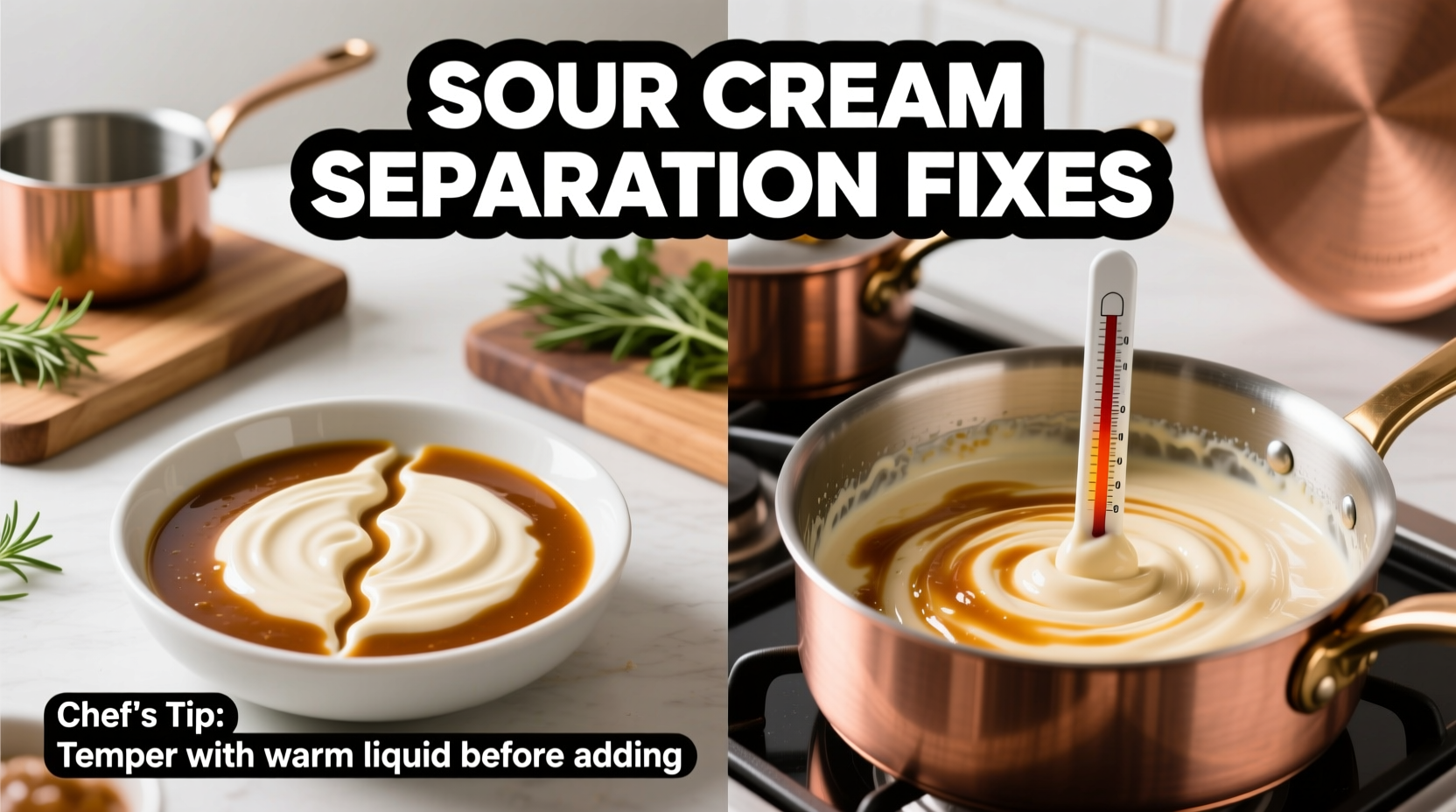
Sour cream is an emulsion of fat, water, and milk solids, stabilized by lactic acid produced during fermentation. Its structure relies on delicate protein networks that maintain the suspension of fat globules in liquid. When exposed to certain conditions—especially high heat or strong acids—these proteins denature and contract, squeezing out liquid (whey) and causing the fats to clump together. This process is known as \"breaking\" or \"curdling.\"
Unlike heavy cream or crème fraîche, which have higher fat contents and more stable emulsions, sour cream typically contains 14–20% fat. The lower fat content makes it more vulnerable to destabilization when heated rapidly or combined with acidic ingredients like tomatoes, wine, or vinegar.
Additionally, ultra-pasteurized sour creams—common in many supermarkets—are more prone to separation because the intense heat treatment alters protein structures, making them less resilient under further cooking stress.
Common Culprits That Cause Sour Cream to Break
Understanding what triggers separation is half the battle. Here are the most frequent causes:
- High Heat Exposure: Adding sour cream directly to a boiling liquid causes immediate protein coagulation and fat separation.
- Rapid Temperature Changes: Dropping cold sour cream into a hot pan shocks the dairy, leading to uneven mixing and breakdown.
- Acidic Ingredients: Tomatoes, lemon juice, vinegar, and wine lower pH levels, accelerating protein denaturation.
- Over-Stirring: Vigorous agitation after heating can rupture the emulsion, especially once the sauce begins to cool.
- Poor Emulsification Technique: Skipping tempering or failing to stabilize the base sauce leads to instability.
“Dairy products like sour cream aren’t meant to be boiled. They’re finishers. Treat them gently, and they’ll reward you with silkiness.” — Chef Rafael Mendez, Executive Chef at Bistro Lumière
Chef-Approved Fixes and Prevention Strategies
Professional chefs have long mastered the art of incorporating delicate dairy without compromising texture. These techniques ensure smooth, cohesive sauces every time.
1. Temper the Sour Cream Before Adding
Tempering gradually raises the temperature of the sour cream so it integrates smoothly without shock-induced separation.
- Scoop out a few tablespoons of the hot sauce into a small bowl.
- Add the sour cream and whisk vigorously until fully blended.
- Slowly pour this mixture back into the main pot while stirring constantly.
This method allows the proteins in the sour cream to adjust slowly, preserving the emulsion.
2. Stabilize with a Thickener
Using a starch-based thickener helps anchor the emulsion and prevents weeping.
| Thickener | How to Use | Best For |
|---|---|---|
| All-purpose flour | Mix 1 tsp per ½ cup sour cream into a slurry before tempering | Stews, goulash, chili |
| Cornstarch | Whisk ½ tsp with sour cream; heat gently to activate | Creamy pasta, taco fillings |
| Roux (butter + flour) | Create a light roux as sauce base before adding liquids | Gravies, casseroles |
| Arrowroot powder | Use in place of cornstarch; avoids cloudiness | Fruit-based sauces, delicate dishes |
3. Choose the Right Dairy Substitute
If your recipe demands prolonged simmering or high acidity, consider alternatives that mimic sour cream’s flavor but offer greater heat resistance.
- Crème Fraîche: With 30–45% fat and a naturally stable emulsion, it withstands heat far better than sour cream.
- Full-Fat Greek Yogurt: More acidic but can be tempered successfully. Best used in Mediterranean or Middle Eastern dishes.
- Silken Tofu Blend (Vegan Option): Blended silken tofu with lemon juice and salt offers a neutral, creamy base ideal for plant-based sauces.
4. Control Heat and Timing
The golden rule: never boil a sauce after adding sour cream. Simmered sauces should be removed from direct heat before incorporation.
Allow the sauce to cool slightly (to around 160°F / 70°C), then stir in the tempered sour cream off the burner. Residual heat is enough to warm it through without breaking the emulsion.
Step-by-Step Guide: How to Add Sour Cream to Any Sauce Without Curdling
Follow this foolproof sequence to guarantee a silky-smooth result:
- Prepare Your Sauce Base: Cook all ingredients except sour cream. If using tomatoes or wine, let them reduce fully to mellow acidity.
- Thicken Slightly: Use a roux, cornstarch slurry, or reduction to give the sauce body. A thicker base supports emulsion stability.
- Remove from Heat: Turn off the stove. Let the sauce rest for 1–2 minutes to drop below boiling point.
- Temper the Sour Cream: In a separate bowl, combine 2–3 tbsp of hot sauce with the sour cream. Whisk until smooth.
- Blend Back In: Pour the tempered mixture into the main pot, stirring continuously in one direction.
- Warm Gently (Optional): Return to very low heat only if needed, stirring constantly. Do not exceed a gentle steam.
- Serve Immediately: Prolonged holding—even off heat—increases separation risk.
Real-World Example: Fixing a Broken Taco Soup
Marissa, a home cook in Austin, regularly made a hearty white bean and chicken taco soup. She loved finishing it with a swirl of sour cream for richness. But every time she added it straight from the fridge, the soup turned grainy and oily.
After reading about tempering, she adjusted her method. She began removing the pot from heat, ladling a few tablespoons of broth into a bowl with her sour cream, whisking thoroughly, then blending it back in. The change was instant: the soup stayed creamy, visually appealing, and restaurant-quality.
She also started mixing in a teaspoon of cornstarch with the sour cream, which provided extra insurance during weekly meal prep. Her family didn’t notice the technique—but they did notice the improved texture.
Do’s and Don’ts When Cooking with Sour Cream
| Action | Do | Don't |
|---|---|---|
| Heating | Warm gently after tempering, never boil | Simmer or boil after adding sour cream |
| Mixing | Stir slowly and consistently in one direction | Whisk aggressively or use a blender |
| Storage | Refrigerate leftovers promptly | Leave sauce at room temperature over 2 hours |
| Substitutions | Use crème fraîche for high-heat recipes | Replace sour cream with low-fat yogurt unless tempered |
| Timing | Add sour cream at the very end of cooking | Include it early in long-simmered dishes |
Frequently Asked Questions
Can I re-blend a separated sour cream sauce?
Partially. Remove the sauce from heat and try blending in an ice-cold tablespoon of water or milk using a whisk or immersion blender. Sometimes this can re-emulsify the fats. However, once broken, full recovery is unlikely. Prevention is always better than repair.
Is it safe to eat separated sour cream sauce?
Yes, separation due to heat or acidity is not a food safety issue—it's purely textural. The dish remains safe to consume, though the mouthfeel may be unpleasant. If the sour cream smelled sour or showed mold before cooking, discard the entire batch.
Why does restaurant sour cream sauce stay creamy?
Restaurants often use higher-fat dairy like crème fraîche or stabilize sauces with roux, butter, or commercial emulsifiers. They also strictly control temperature and timing, avoiding the common mistakes home cooks make.
Checklist: Prevent Sour Cream Separation Like a Pro
- ☑ Use full-fat, non-ultra-pasteurized sour cream when possible
- ☑ Prepare a thickened sauce base before adding dairy
- ☑ Remove pot from heat before incorporating sour cream
- ☑ Always temper sour cream with hot liquid first
- ☑ Consider stabilizing with ½–1 tsp cornstarch per ½ cup sour cream
- ☑ Stir gently and serve immediately
- ☑ Store leftovers properly and reheat with caution (add fresh cream if needed)
“The key to working with fragile ingredients is respect. Sour cream isn’t broken—it’s reacting exactly as it should. Our job is to work with its nature, not against it.” — Chef Naomi Patel, Culinary Instructor at Midwest Culinary Institute
Final Thoughts: Mastering Creamy Sauces Starts with Understanding
Sour cream separation isn’t a flaw in your cooking—it’s feedback from the ingredients themselves. By recognizing the role of heat, acidity, and emulsion stability, you gain control over outcomes. The techniques outlined here—tempering, stabilizing, choosing the right substitutes, and precise timing—are not secrets reserved for professional kitchens. They are accessible, repeatable methods that transform uncertainty into confidence.
Next time you're crafting a creamy enchilada casserole, a dill-laced salmon sauce, or a comforting bowl of borscht, remember: sour cream belongs at the end, treated gently, and introduced wisely. With these chef-approved fixes, you’ll consistently achieve the luxurious texture you’re aiming for.




 浙公网安备
33010002000092号
浙公网安备
33010002000092号 浙B2-20120091-4
Comments
No comments yet. Why don't you start the discussion?