
That unmistakable rumbling from your abdomen—often mistaken as a signal of hunger—can strike at any time, even when you’ve just eaten or aren’t remotely hungry. These noises, medically known as borborygmi, are a normal part of digestive function. Yet when they occur frequently without hunger cues, many people wonder: Is this normal? Could it be a sign of an underlying issue? Understanding the mechanics behind stomach growling, its triggers beyond hunger, and when it might indicate a health problem can help you respond appropriately and reduce unnecessary worry.
The Science Behind Stomach Growling
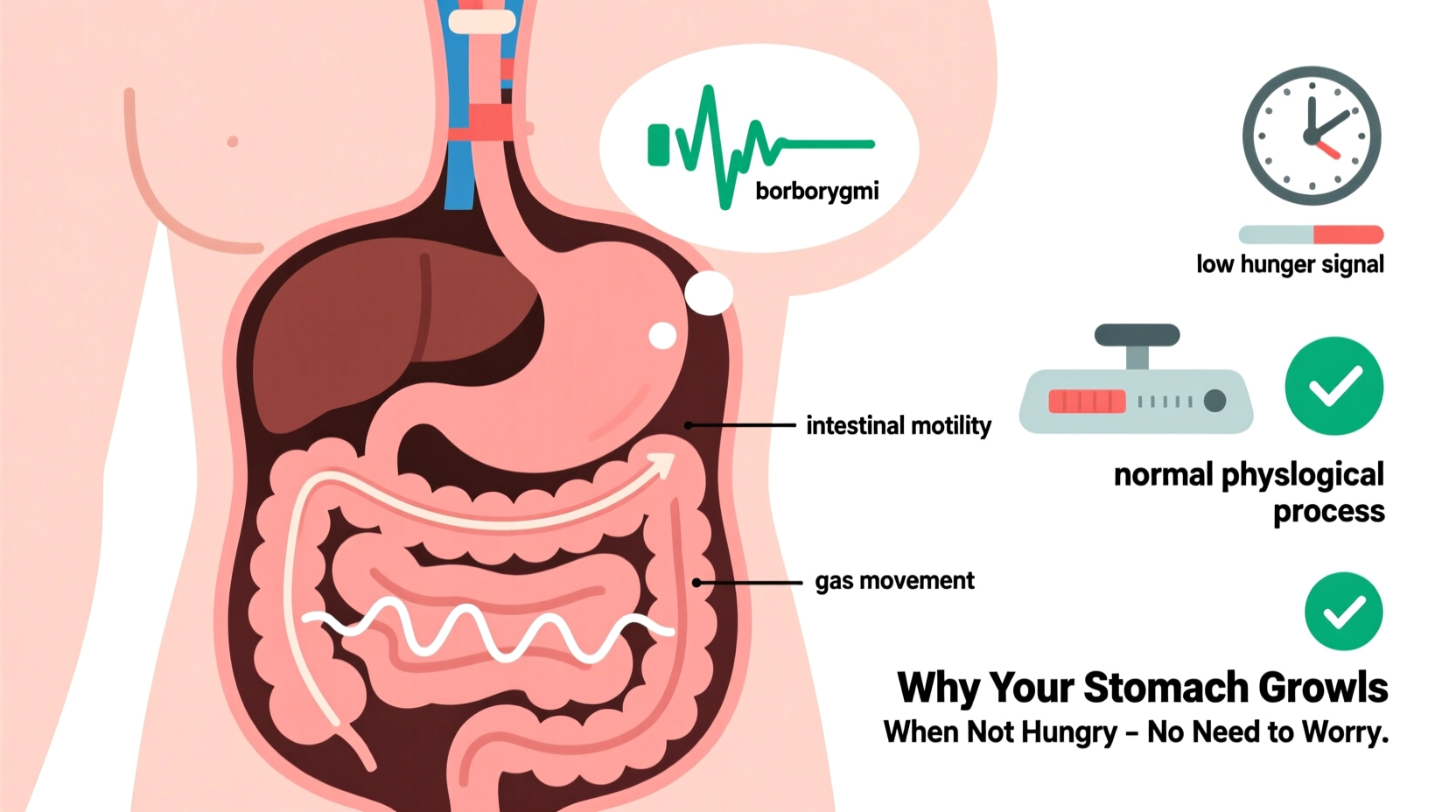
Stomach growling is caused by the movement of gas and fluids through the intestines. The digestive tract is a long, muscular tube that uses rhythmic contractions—called peristalsis—to push food, digestive juices, and air along its path. As these substances move through the small and large intestines, they create gurgling, bubbling, or rumbling sounds. These sounds are typically more noticeable when the stomach and intestines are relatively empty because there’s less content to muffle the noise.
The process begins in the stomach but continues throughout the gastrointestinal (GI) tract. Even after a meal has been fully digested, the gut continues to clean itself through a wave-like motion known as the migrating motor complex (MMC). This “housekeeping” system sweeps residual particles and bacteria from the stomach into the colon, usually every 90 to 120 minutes between meals. It’s during these cleaning cycles that growling is most likely to occur—even if you’re not hungry.
“Bowel sounds are a sign of life in the gut. A completely silent abdomen is far more concerning than a noisy one.” — Dr. Lena Torres, Gastroenterologist
Common Non-Hunger Causes of Stomach Growling
Hunger is just one of many reasons your stomach might growl. In fact, most growling happens independently of appetite. Here are several common explanations:
- Digestive activity between meals: The MMC activates during fasting states, causing contractions that produce audible sounds.
- Swallowed air: Talking while eating, chewing gum, drinking carbonated beverages, or using straws introduces excess air into the digestive system, increasing gas volume and noise.
- Dietary choices: Foods high in fiber, artificial sweeteners, or fermentable carbohydrates (FODMAPs) can increase gas production and intestinal activity.
- Hydration levels: Drinking water on an empty stomach can stimulate digestion and trigger bowel sounds.
- Stress and anxiety: The gut-brain axis means emotional stress can directly affect gut motility, leading to increased contractions and audible gurgling.
- Medications: Some drugs, particularly those affecting digestion (like laxatives or diabetes medications), can alter gut movement and sound production.
When Should You Be Concerned?
In most cases, stomach growling is harmless and simply reflects normal digestive physiology. However, certain patterns or accompanying symptoms may suggest an underlying condition that warrants medical evaluation.
Be alert if growling is associated with:
- Chronic abdominal pain or cramping
- Frequent diarrhea or constipation
- Bloating that worsens throughout the day
- Unintentional weight loss
- Nausea or vomiting
- Blood in stool
Persistent or disruptive bowel sounds combined with these symptoms could point to conditions such as irritable bowel syndrome (IBS), small intestinal bacterial overgrowth (SIBO), lactose intolerance, celiac disease, or inflammatory bowel disease (IBD).
Red Flags That Warrant a Doctor Visit
| Symptom | Possible Implication | Action Step |
|---|---|---|
| Loud, constant gurgling with severe cramps | Intestinal obstruction | Seek emergency care |
| Growling + bloating after dairy | Lactose intolerance | Try elimination diet; consult doctor |
| Noises followed by diarrhea daily | IBS or SIBO | See gastroenterologist for testing |
| Abdominal sounds disappear entirely | Paralytic ileus or bowel shutdown | Immediate medical attention needed |
“The absence of bowel sounds is more alarming than excessive noise. But if the noises come with pain, changes in bowel habits, or systemic symptoms, it’s worth investigating.” — Dr. Rajiv Mehta, Internal Medicine Specialist
Managing Excessive or Embarrassing Stomach Noises
If your stomach growls frequently and it causes discomfort or social anxiety, practical lifestyle adjustments can make a meaningful difference.
Step-by-Step Guide to Reducing Unwanted Stomach Sounds
- Track your diet and symptoms: Keep a food and symptom journal for one to two weeks. Note what you eat, when growling occurs, and any related symptoms like bloating or gas.
- Identify and eliminate trigger foods: Common culprits include beans, onions, broccoli, carbonated drinks, sugar alcohols (like xylitol), and dairy (if lactose intolerant).
- Eat slowly and chew thoroughly: This reduces swallowed air and improves digestion efficiency, minimizing gas buildup.
- Avoid habits that increase air intake: Stop chewing gum, limit straw use, and avoid talking while eating.
- Stay hydrated—but space out fluids: Drink water between meals rather than during them to prevent diluting digestive enzymes and distending the stomach.
- Manage stress: Practice mindfulness, deep breathing, or yoga to regulate the gut-brain connection and reduce hyperactive digestion.
- Consider probiotics: Some studies suggest specific strains (like Bifidobacterium infantis) may help regulate gut motility and reduce IBS-related symptoms.
Real-Life Example: Managing Noisy Digestion at Work
Samantha, a 34-year-old project manager, began noticing her stomach growling loudly during meetings—despite having eaten breakfast. The noises were embarrassing and distracting. She started tracking her diet and realized the pattern coincided with her morning habit of drinking a flavored sparkling water and eating a high-fiber granola bar. After eliminating carbonated drinks and switching to oatmeal with banana, her symptoms improved significantly within a week. When occasional gurgling persisted, she adopted the practice of sipping warm herbal tea mid-morning, which calmed her digestive tract. A visit to her primary care physician ruled out serious conditions, and she was reassured that her experience was common and manageable with dietary tweaks.
This case illustrates how simple changes, guided by observation and self-awareness, can resolve concerns without medical intervention.
Checklist: What to Do If Your Stomach Growls Frequently
- ✅ Monitor timing: Does it happen between meals, after eating, or randomly?
- ✅ Review recent dietary changes: Any new foods, supplements, or beverages?
- ✅ Assess for other symptoms: Pain, bloating, changes in bowel movements?
- ✅ Reduce air-swallowing habits: Chew slowly, avoid gum and straws.
- ✅ Try a low-FODMAP diet temporarily under guidance to test for sensitivities.
- ✅ Manage stress through routine exercise or meditation.
- ✅ Schedule a doctor’s visit if symptoms persist beyond two weeks or worsen.
Frequently Asked Questions
Can stomach growling be a sign of dehydration?
Not directly. However, dehydration can slow digestion and lead to constipation, which may alter bowel sounds. Conversely, drinking large amounts of water quickly on an empty stomach can stimulate contractions and cause temporary growling.
Is it normal for my stomach to growl hours after eating?
Yes. Digestion can last up to 72 hours, and the MMC continues cycling through the intestines long after food leaves the stomach. Late-phase growling is often part of normal intestinal cleanup.
Why does my stomach growl when I’m nervous?
The gut and brain are closely linked via the vagus nerve. Stress or anxiety can trigger the “fight-or-flight” response, increasing gut motility and leading to more pronounced contractions and noises—a classic example of the gut-brain axis in action.
Conclusion: Listen to Your Body, But Don’t Panic
Stomach growling when you’re not hungry is almost always a normal, involuntary function of digestion. It reflects the ongoing work your body does to process nutrients, clear waste, and maintain gut health. While it can be inconvenient or embarrassing, it rarely signals danger. By understanding the mechanisms behind these sounds and recognizing when they might be tied to diet, stress, or an underlying condition, you can take informed steps to manage them.
Most people will never need treatment for stomach growling alone. But if it becomes a persistent distraction or is accompanied by other troubling symptoms, don’t hesitate to seek professional advice. Digestive health is foundational to overall well-being—and paying attention to your body’s signals is the first step toward better health.




 浙公网安备
33010002000092号
浙公网安备
33010002000092号 浙B2-20120091-4
Comments
No comments yet. Why don't you start the discussion?