
It starts with a quiet rumble, barely noticeable. Then, suddenly, a loud growl echoes through the silent conference room—right in the middle of your manager’s quarterly update. You freeze. Eyes dart toward you. Your face warms. Everyone pretends not to notice, but you know they heard it. Digestive sounds happen to everyone, yet few topics spark more embarrassment than an untimely stomach gurgle during a meeting.
While these noises are completely natural, their timing can feel like cruel fate. Understanding why they occur—and how to reduce their frequency and volume—can help you regain confidence in professional settings. This article explores the biology behind stomach gurgling, identifies common triggers, and provides practical strategies to minimize disruptions without compromising your health or comfort.
The Science Behind Stomach Gurgling: What’s Really Happening?
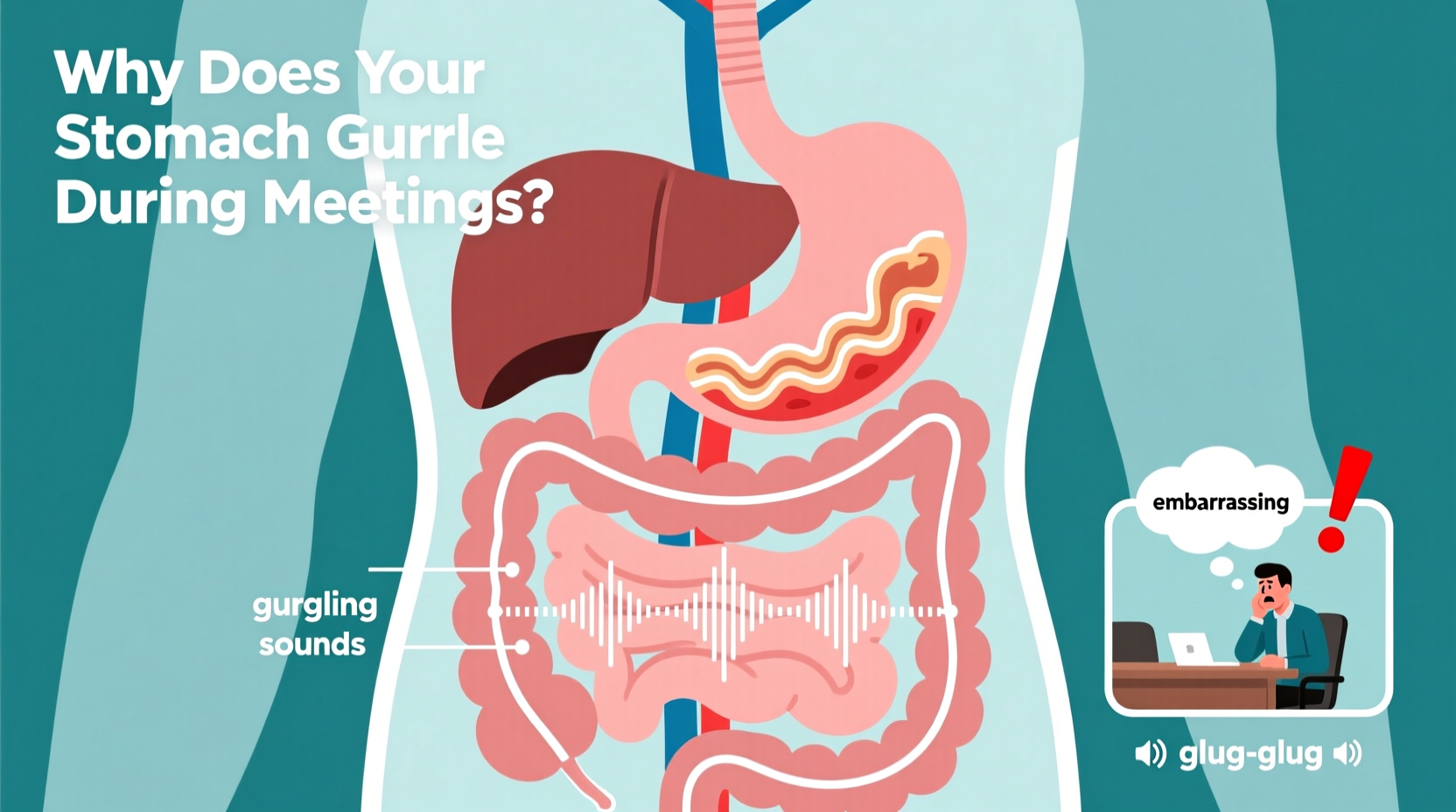
The technical term for stomach gurgling is *borborygmi* (pronounced bor-bo-RIG-mee), which refers to the rumbling or growling noises produced by the movement of gas and fluid through the intestines. These sounds are created when muscles in the gastrointestinal tract contract to push food, liquid, and air along the digestive pathway—a process known as peristalsis.
Contrary to popular belief, borborygmi don’t only happen when you’re hungry. In fact, they can occur at any time, whether your stomach is full, empty, or somewhere in between. The intensity and audibility depend on several factors:
- Gas volume: More trapped gas leads to louder sounds.
- Intestinal motility: Faster contractions amplify noise.
- Stomach contents: Liquids and semi-solids transmit sound more efficiently than solids.
- Ambient noise level: Quiet environments make internal sounds more noticeable.
When your stomach is empty, contractions may become stronger and more rhythmic as part of the “migrating motor complex” (MMC)—a cleansing wave that sweeps residual particles from the stomach into the small intestine. This phase typically occurs every 90–120 minutes between meals and often produces the loudest gurgles.
“Borborygmi are a sign of a functioning digestive system. They’re not abnormal—they’re expected.” — Dr. Lena Patel, Gastroenterology Specialist, Cleveland Clinic
Common Triggers That Amplify Digestive Noises
While some degree of intestinal noise is normal, certain habits and conditions can increase both frequency and volume. Identifying your personal triggers is key to managing embarrassing sounds during critical moments like meetings.
Dietary Factors
Foods that produce excess gas or stimulate rapid digestion are primary culprits. Common offenders include:
- Carbonated beverages (soda, sparkling water)
- High-fiber foods (beans, lentils, broccoli, whole grains)
- Sugar alcohols (found in sugar-free gum and candies)
- Dairy products (especially for those with lactose intolerance)
- Artificial sweeteners (aspartame, sucralose)
Eating Habits
How you eat matters just as much as what you eat. Rapid eating, talking while chewing, and using straws introduce extra air into the digestive tract, increasing gas buildup. Skipping meals can also trigger exaggerated MMC activity, leading to louder gurgling later in the day.
Stress and Anxiety
The gut-brain axis means emotional stress directly impacts digestion. During high-pressure situations—like preparing for a presentation—your nervous system can accelerate intestinal contractions, making existing gurgles more intense and frequent.
When Is Stomach Gurgling a Sign of Something Else?
Occasional gurgling is harmless. However, persistent or disruptive noises accompanied by other symptoms may indicate an underlying condition. Consider consulting a healthcare provider if you experience:
- Chronic bloating or cramping
- Diarrhea or constipation
- Unintentional weight loss
- Nausea or vomiting
- Blood in stool
Potential diagnoses could include irritable bowel syndrome (IBS), small intestinal bacterial overgrowth (SIBO), celiac disease, or gastroparesis. A medical evaluation—including dietary review, breath tests, or endoscopy—may be necessary for proper diagnosis.
For most people, though, loud stomach noises are simply a consequence of normal physiology amplified by situational factors. The goal isn’t elimination—it’s management.
Practical Strategies to Reduce Embarrassing Sounds at Work
You can’t stop your digestive system, but you can influence its behavior. Implementing small lifestyle adjustments can significantly reduce the likelihood of disruptive gurgling during meetings.
Optimize Your Meal Timing
Going too long without eating increases MMC activity, raising the chance of audible contractions. Instead of skipping breakfast or lunch, aim for smaller, balanced meals every 3–4 hours. Include protein, healthy fats, and complex carbohydrates to promote steady digestion and sustained energy.
Choose Low-Gas Foods Before Important Meetings
If you have a big presentation or back-to-back calls, adjust your meal choices accordingly. Opt for easily digestible options such as:
- White rice or toast
- Lean chicken or fish
- Cooked carrots or zucchini
- Bananas or applesauce
Stay Hydrated—But Mind How You Drink
Dehydration slows digestion and concentrates intestinal contents, potentially increasing noise. However, gulping large amounts of water quickly can distend the stomach and trigger contractions. Sip water steadily throughout the day rather than consuming it all at once.
Use Strategic Seating and Posture
Sitting upright with slight forward lean can compress the abdomen gently, muffling internal sounds. Avoid slouching, which increases abdominal space and allows more resonance. If possible, position yourself near background noise sources like HVAC units or whiteboards being written on to mask subtle sounds.
“Digestion doesn’t stop because you’re in a meeting. But planning ahead gives you control over its impact.” — Dr. Marcus Tran, Internal Medicine Physician
Step-by-Step Guide: Pre-Meeting Routine to Minimize Gut Noise
Follow this simple five-step routine before important work engagements to reduce the risk of embarrassing digestive sounds:
- 90 Minutes Before: Eat a light, low-residue snack (e.g., banana with peanut butter or yogurt). Avoid carbonation and cruciferous vegetables.
- 60 Minutes Before: Take a short walk to encourage gentle digestion and reduce gas buildup.
- 30 Minutes Before: Practice deep breathing or mindfulness exercises to lower stress-induced gut motility.
- 15 Minutes Before: Use the restroom—even if you don’t feel urgency—to release any built-up gas or pressure.
- Right Before Entering: Take two slow sips of room-temperature water to soothe the stomach lining without distending the gut.
Do’s and Don’ts: Managing Digestive Sounds at Work
| Do | Don't |
|---|---|
| Eat regular, balanced meals to prevent extreme hunger | Skip meals to “stay focused” |
| Drink water slowly throughout the day | Chug large glasses of water right before a meeting |
| Practice mindful eating without distractions | Eat lunch while working at your desk |
| Carry a small, discreet snack for emergencies | Reach for sugary or carbonated drinks when hungry |
| Use relaxation techniques to manage stress | Ignore signs of anxiety that affect digestion |
Real-Life Example: How Sarah Regained Confidence in Client Meetings
Sarah, a marketing consultant, used to dread client presentations. Despite her expertise, she became increasingly anxious about her stomach making noise at inappropriate times. It started after switching to a high-fiber plant-based diet, which improved her energy but caused loud gurgling during silence-heavy Zoom calls.
After tracking her symptoms for two weeks, she noticed a pattern: the worst episodes occurred after skipping breakfast and drinking kombucha mid-morning. With guidance from a nutritionist, she adjusted her routine—adding oatmeal with almond butter each morning and replacing fermented drinks with herbal tea.
She also began doing five minutes of diaphragmatic breathing before calls. Within three weeks, her digestive noises decreased significantly. More importantly, her confidence returned. “I realized I wasn’t broken—I just needed better strategies,” she said. “Now I don’t fear the quiet moments. I own them.”
FAQ: Common Questions About Stomach Gurgling
Is stomach gurgling a sign of hunger?
Not necessarily. While hunger can trigger intestinal contractions, gurgling occurs regularly throughout the digestive cycle—even after eating. The migrating motor complex activates between meals regardless of hunger cues.
Can probiotics help reduce noisy digestion?
Yes, for some people. Probiotics may improve gut microbiome balance, reducing excessive gas production. However, some strains initially increase bloating and noise. Start with a low dose and choose well-researched strains like Lactobacillus acidophilus or Bifidobacterium lactis.
Why do my stomach sounds get worse when I’m nervous?
Anxiety activates the sympathetic nervous system, which can speed up or disrupt normal digestive rhythms. This often results in faster, more forceful contractions that amplify the sound of moving gas and fluids.
Conclusion: Normalize, Strategize, Move Forward
Your stomach will gurgle. It’s not a flaw—it’s a function. Every human digestive system makes noise, even if we rarely hear others’. The embarrassment stems not from the sound itself, but from the belief that it reflects poor self-control or unprofessionalism. Yet, with thoughtful preparation and self-awareness, you can minimize disruptions and shift your mindset from shame to understanding.
Start by observing your patterns. Adjust your diet and habits around high-stakes moments. Build routines that support calm digestion. And remember: if a gurgle does escape, most people will either miss it or quickly forget it. What lingers is not the noise—but how you carry yourself afterward.




 浙公网安备
33010002000092号
浙公网安备
33010002000092号 浙B2-20120091-4
Comments
No comments yet. Why don't you start the discussion?