
That sudden, rumbling growl from your abdomen can be startling—especially when it happens during a quiet meeting or a first date. While stomach gurgling is a normal part of digestion, loud or frequent noises can feel embarrassing and sometimes signal underlying digestive issues. Understanding the science behind these sounds, recognizing common triggers, and knowing how to manage them can help you regain comfort and confidence.
The medical term for stomach gurgling is *borborygmi*—a fancy word for the rumbling, gurgling, or growling noises produced by the movement of gas and fluids through your intestines. These sounds are typically harmless but can become more noticeable under certain conditions. Let’s explore what causes them and how to reduce their frequency and intensity.
What Causes Stomach Gurgling?
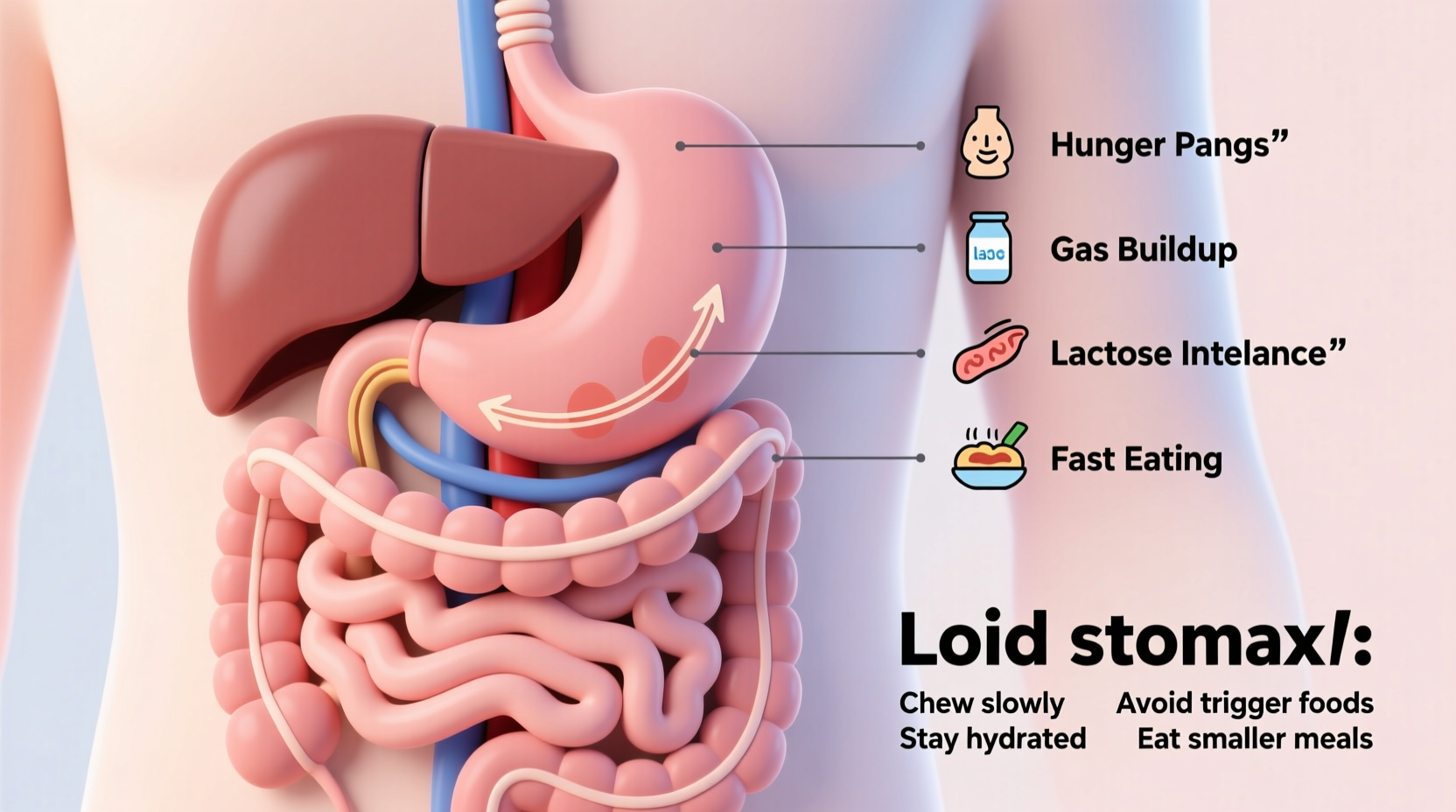
Your digestive tract is a long, muscular tube that contracts to move food, gas, and liquid from your stomach through the small intestine and into the colon. These contractions, known as peristalsis, generate audible sounds—especially when the stomach or intestines are empty or filled with excess gas.
Several factors influence how loud or frequent these gurgles are:
- Hunger: When your stomach has been empty for a few hours, hormonal signals trigger contractions to prepare for incoming food. This “housekeeping wave” sweeps through the digestive tract and often produces loud gurgles.
- Digestion: As food breaks down, enzymes and acids mix with intestinal contents, releasing gas. The movement of this gas and fluid creates bubbling and popping sounds.
- Swallowed air: Talking while eating, chewing gum, drinking carbonated beverages, or even nervous breathing can cause you to swallow excess air (aerophagia), increasing gas in the digestive system.
- Dietary choices: Foods high in fiber, artificial sweeteners, or fermentable carbohydrates (FODMAPs) feed gut bacteria, leading to increased gas production.
- Digestive disorders: Conditions like irritable bowel syndrome (IBS), lactose intolerance, or small intestinal bacterial overgrowth (SIBO) can amplify normal digestive sounds.
Common Triggers That Amplify Stomach Noises
Not all gurgling is created equal. Some situations make these sounds louder or more disruptive. Recognizing the most common triggers helps you take preventive steps.
Eating Too Quickly or Inconsistently
Rushing meals leads to poor chewing and swallowing air, both of which increase gas and digestive noise. Skipping meals also sets up a cycle where prolonged emptiness leads to aggressive contractions when you finally eat.
High-FODMAP Foods
Fermentable Oligo-, Di-, Mono-saccharides And Polyols (FODMAPs) are short-chain carbohydrates poorly absorbed in the small intestine. They travel to the colon, where gut bacteria ferment them, producing gas and bloating. Common culprits include:
- Onions and garlic
- Apples, pears, and mangoes
- Wheat and rye
- Legumes like beans and lentils
- Dairy products (in lactose-intolerant individuals)
Carbonated Beverages and Artificial Sweeteners
Soda, sparkling water, and diet drinks with sorbitol, xylitol, or aspartame introduce extra gas into the digestive tract or draw water into the intestines, amplifying gurgling.
Stress and Anxiety
The gut-brain axis means emotional stress directly affects digestion. Anxiety can speed up or disrupt intestinal motility, making normal digestive sounds more pronounced.
“Digestive sounds are usually benign, but when they’re paired with pain, bloating, or changes in bowel habits, it’s worth investigating further.” — Dr. Lena Torres, Gastroenterologist
When to Be Concerned: Red Flags
While occasional gurgling is normal, persistent or painful noises may indicate an underlying issue. Watch for these warning signs:
| Symptom | Possible Cause |
|---|---|
| Loud gurgling + abdominal pain | Irritable bowel syndrome (IBS), infection, or obstruction |
| Chronic bloating and gas | Lactose intolerance, SIBO, or celiac disease |
| Diarrhea or constipation with noise | Dysbiosis, food intolerance, or inflammatory bowel disease |
| Gurgling after every meal | Digestive enzyme deficiency or malabsorption |
If your symptoms persist beyond two weeks or interfere with daily life, consult a healthcare provider. Diagnostic tests such as hydrogen breath testing, stool analysis, or endoscopy may be recommended.
Effective Fixes and Prevention Strategies
You don’t have to live with constant stomach symphonies. Simple lifestyle and dietary adjustments can significantly reduce disruptive gurgling.
1. Adjust Your Eating Habits
How you eat matters as much as what you eat. Slow down, chew thoroughly, and avoid distractions during meals. Aim for smaller, more frequent meals to prevent long periods of stomach emptiness.
2. Identify and Limit Trigger Foods
A low-FODMAP elimination diet, guided by a nutritionist, can help pinpoint problematic foods. Start by removing high-FODMAP items for 2–6 weeks, then reintroduce them one at a time to observe reactions.
3. Reduce Air Intake
Stop chewing gum, avoid using straws, and minimize carbonated drinks. If you smoke, consider quitting—inhaling smoke introduces extra air and irritates the digestive lining.
4. Manage Stress
Practice mindfulness, deep breathing, or yoga to regulate the nervous system’s impact on digestion. Even 5–10 minutes of daily meditation can improve gut motility over time.
5. Stay Hydrated and Support Gut Health
Drink plenty of water throughout the day to support smooth digestion. Consider adding probiotic-rich foods like yogurt, kefir, sauerkraut, or kimchi to balance gut flora.
Step-by-Step Guide to Quieter Digestion
Follow this 7-day plan to reduce stomach gurgling and improve digestive comfort:
- Day 1–2: Track Your Diet and Symptoms
Write down everything you eat and drink, along with any gurgling, bloating, or discomfort. Note the time and intensity. - Day 3: Eliminate Obvious Triggers
Cut out carbonated drinks, gum, and artificial sweeteners. Switch to still water and natural sweeteners like maple syrup in moderation. - Day 4: Slow Down Meals
Take at least 20 minutes per meal. Chew each bite 20–30 times. Put your fork down between bites. - Day 5: Try a Low-FODMAP Lunch
Choose safe options like grilled chicken, quinoa, carrots, and spinach. Avoid onions, garlic, and wheat. - Day 6: Incorporate Probiotics
Add a serving of plain Greek yogurt or a probiotic supplement to your morning routine. - Day 7: Practice Mindful Breathing
Spend 5 minutes before bed doing diaphragmatic breathing: inhale deeply through the nose, expand the belly, and exhale slowly.
After this week, review your journal. Did gurgling decrease? Which changes had the biggest impact? Use these insights to build sustainable habits.
Mini Case Study: Sarah’s Journey to a Quieter Gut
Sarah, a 34-year-old teacher, noticed her stomach would growl loudly during class—sometimes multiple times a day. Embarrassed and frustrated, she avoided speaking in front of students and skipped lunch to prevent noises. After tracking her diet, she realized she drank three diet sodas daily and ate quickly during planning periods.
With guidance from a dietitian, Sarah eliminated carbonated drinks, started eating balanced meals with lean protein and cooked vegetables, and practiced mindful eating. Within two weeks, her stomach noises decreased dramatically. She regained confidence and no longer dreaded classroom silence.
Her key takeaway: “I didn’t need a miracle cure—just small, consistent changes that respected my body’s needs.”
Checklist: How to Reduce Stomach Gurgling
Use this actionable checklist to minimize disruptive digestive sounds:
- ✅ Eat slowly and chew food thoroughly
- ✅ Avoid carbonated beverages and artificial sweeteners
- ✅ Space meals evenly (every 3–4 hours)
- ✅ Keep a food and symptom journal for 7 days
- ✅ Limit high-FODMAP foods temporarily
- ✅ Practice stress-reducing techniques daily
- ✅ Stay hydrated with water and herbal teas
- ✅ Consider a probiotic supplement or fermented foods
- ✅ Rule out food intolerances (lactose, gluten) if symptoms persist
- ✅ Consult a doctor if pain, diarrhea, or weight loss occur
Frequently Asked Questions
Is stomach gurgling a sign of hunger only?
No. While hunger contractions are a common cause, gurgling also occurs during active digestion, especially after eating gas-producing foods. It can happen at any time, regardless of hunger level.
Can dehydration cause louder stomach noises?
Yes. Dehydration thickens digestive fluids and slows motility, causing irregular contractions that may produce louder or more sporadic gurgling. Drinking adequate water supports smoother digestion.
Why does my stomach gurgle at night?
Nighttime gurgling often results from the migrating motor complex (MMC)—a cleansing wave that moves through the intestines during fasting periods. If you eat late, this process starts later and may wake you with loud noises. Try finishing meals 2–3 hours before bed.
Conclusion: Take Control of Your Digestive Comfort
Loud stomach gurgling is more than just an awkward moment—it’s a signal from your body about how you’re eating, what you’re consuming, and how stress affects your gut. By understanding the causes and applying practical fixes, you can reduce noise, improve digestion, and feel more at ease in any situation.
You don’t need to eliminate all digestive sounds—that’s impossible and unnecessary. But with mindful eating, better food choices, and attention to gut health, you can turn disruptive rumbles into quiet, efficient digestion. Start today: pick one tip from the checklist, implement it consistently, and notice the difference.




 浙公网安备
33010002000092号
浙公网安备
33010002000092号 浙B2-20120091-4
Comments
No comments yet. Why don't you start the discussion?