
Laughter is often called the best medicine — a natural, joyful release that eases stress and strengthens social bonds. But for some, an intense laughing fit brings an unexpected side effect: a sudden, persistent tickle in the back of the throat. It can feel like something is scratching the lining, triggering coughing or even shortness of breath. While usually harmless, this sensation raises a common question: Is it a neurological response involving overstimulated nerves, or is it caused by physical irritation in the throat? The answer lies somewhere at the intersection of anatomy, reflexes, and environmental factors.
This article explores the science behind throat tickling during laughter, breaks down potential causes, and offers actionable advice for those who experience it frequently. Whether you've noticed this only occasionally or find it disruptive during social events, understanding the root mechanisms can help you respond appropriately and reduce discomfort.
The Anatomy of Laughter and Throat Sensitivity
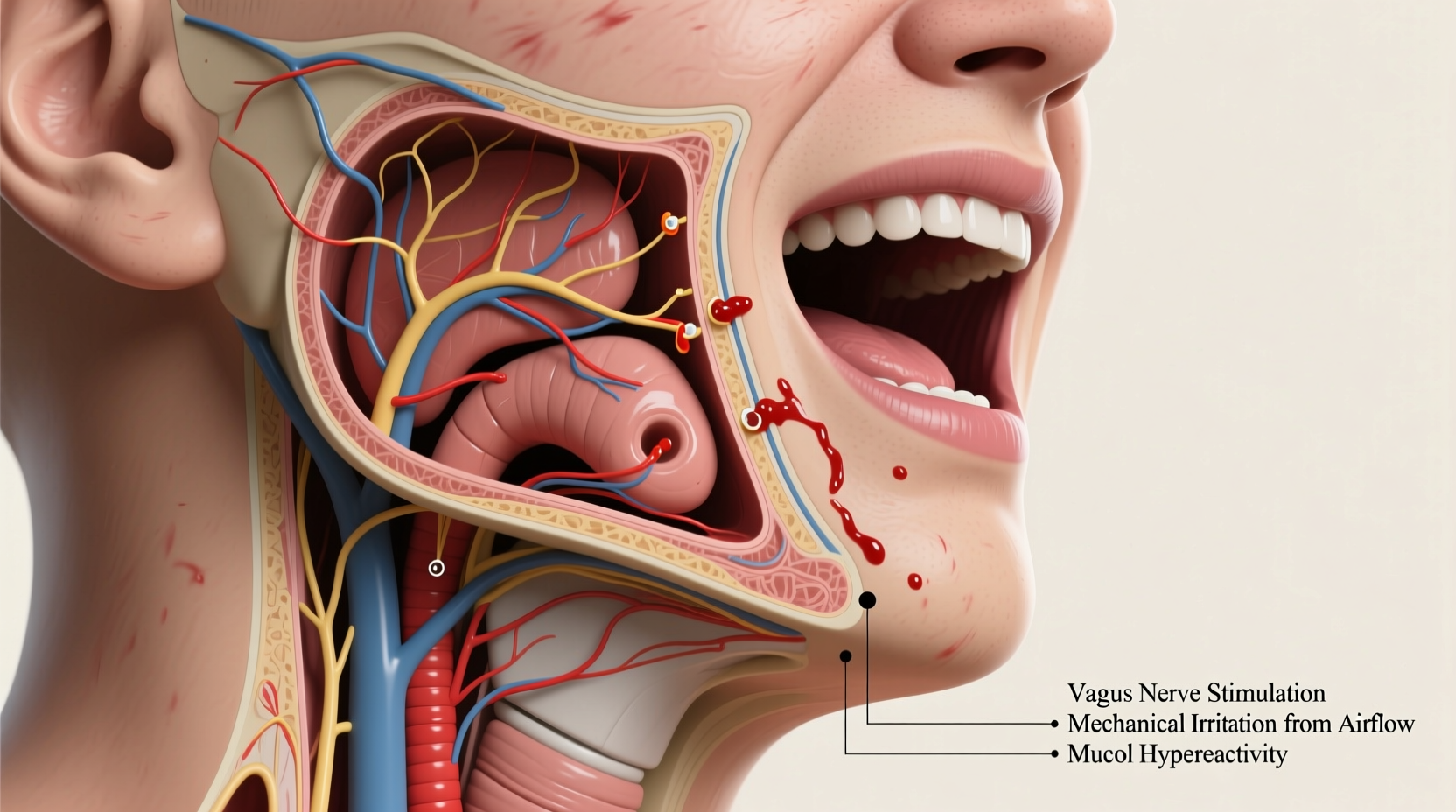
Laughter isn’t just a facial expression — it’s a full-body physiological event. When we laugh, our diaphragm contracts rapidly, air rushes through the vocal cords, and the muscles in the chest, abdomen, and throat engage in rhythmic bursts. This process stimulates the vagus nerve, one of the longest cranial nerves in the body, which runs from the brainstem through the neck and into the chest and abdomen. The vagus nerve plays a key role in regulating heart rate, digestion, and — crucially — sensory feedback from the larynx and pharynx (voice box and upper throat).
During loud or prolonged laughter, the rapid movement of air and muscle contractions can cause micro-vibrations in the delicate tissues of the throat. These vibrations may stimulate nerve endings in the mucosal lining, creating a sensation akin to tickling. In individuals with heightened sensitivity — either naturally or due to underlying conditions — this stimulation becomes more pronounced.
“Intense laughter can trigger reflexive responses in the upper airway, particularly in people with sensitive vagal pathways. What feels like a tickle might actually be neural hyperexcitability.” — Dr. Lena Patel, Neurologist and Autonomic Specialist
This doesn’t mean the sensation is “all in your head.” Rather, it highlights how mechanical forces during laughter interact with the nervous system to produce real, physical sensations.
Nerve Response vs. Physical Irritation: Key Differences
To determine whether your throat tickle stems from nerve activity or tissue irritation, it helps to examine the context and characteristics of the sensation.
| Factor | Nerve-Related Tickle | Irritation-Related Tickle |
|---|---|---|
| Onset | Sudden, occurs mid-laugh | Gradual, may linger after laughing |
| Sensation Type | Tingling, electric, internal | Dry, scratchy, like mucus |
| Duration | Short-lived (seconds to minutes) | Prolonged (minutes to hours) |
| Triggers Beyond Laughter | Coughing, deep breathing, swallowing | Dust, smoke, dry air, allergies |
| Associated Symptoms | Lightheadedness, brief cough reflex | Sore throat, postnasal drip, hoarseness |
If the tickle appears instantly during laughter and disappears quickly afterward without other symptoms, it’s likely neurogenic — a result of nerve signaling. However, if you also notice throat dryness, frequent clearing, or worsening in certain environments, irritation from external factors is more probable.
Common Causes of Throat Tickling During Laughter
Several overlapping factors can contribute to this sensation. Some are benign and situational; others may point to underlying health patterns.
1. Dry Air and Dehydration
When indoor heating or air conditioning runs constantly, ambient humidity drops. Dry air dehydrates the mucous membranes in the throat, making them more susceptible to irritation during rapid airflow. Laughing hard in such conditions can feel like sandpaper rubbing against sensitive tissue.
2. Postnasal Drip
Allergies, colds, or sinus issues often lead to excess mucus draining down the back of the throat. This creates a constant low-level irritation that intensifies when laughter agitates the area. The tickle may be accompanied by a need to clear the throat frequently.
3. Laryngeal Hyperresponsiveness
Some individuals have hypersensitive laryngeal reflexes — their vocal cords react strongly to stimuli like cold air, strong scents, or mechanical vibration. This condition, sometimes linked to asthma or chronic cough syndromes, can make laughter feel like it’s “triggering” the throat.
4. Acid Reflux (LPR)
Laryngopharyngeal reflux (silent reflux) occurs when stomach acid reaches the throat without typical heartburn symptoms. It inflames the upper airway and increases sensitivity. Laughing increases intra-abdominal pressure, potentially pushing acid upward and causing a sharp tickling or burning sensation.
5. Nervous System Sensitivity
In rare cases, a condition called **vagus nerve hypersensitivity** can cause exaggerated responses to stimuli like laughter, swallowing, or even talking. This may be part of a broader autonomic dysfunction, such as POTS (postural orthostatic tachycardia syndrome), where laughter triggers not just a tickle but dizziness or palpitations.
Real-Life Example: Sarah’s Story
Sarah, a 34-year-old teacher, noticed that during staff meetings filled with laughter, she’d often break into a fit of coughing, her throat feeling like it was being “tickled from the inside.” At first, she dismissed it as normal. But when it started happening outside work — during movie nights and family gatherings — she grew concerned.
After tracking her symptoms, she realized the tickle was worse on days when her allergies flared or when she hadn’t drunk enough water. She also observed that drinking coffee before social events made it more likely. A visit to an ENT specialist revealed mild laryngopharyngeal reflux and seasonal allergies contributing to throat sensitivity. With simple changes — avoiding caffeine before events, using a saline nasal spray, and staying hydrated — her symptoms improved significantly within three weeks.
Sarah’s case illustrates how multiple factors can converge to amplify a seemingly minor issue. Her laughter wasn’t the problem — it was the trigger exposing an already vulnerable system.
Step-by-Step Guide to Managing Throat Tickling During Laughter
If this sensation disrupts your daily life or social comfort, consider the following sequence of actions to identify and address the root cause:
- Monitor Your Triggers: Keep a symptom journal for one week. Note when the tickle occurs, what you were doing, eating, or exposed to, and how long it lasts.
- Assess Hydration and Environment: Ensure you’re drinking enough water (at least 2 liters daily). Use a hygrometer to check room humidity; aim for 40–60%. Add a humidifier if needed.
- Review Diet and Habits: Eliminate common irritants like caffeine, alcohol, spicy foods, and acidic drinks for five days to see if symptoms improve.
- Address Allergies or Sinus Issues: If you have nasal congestion or postnasal drip, try an antihistamine or saline rinse. Consult an allergist if symptoms persist.
- See a Specialist if Needed: If the tickle is accompanied by voice changes, pain, or frequent coughing, schedule an appointment with an ENT (ear, nose, and throat doctor). They can perform a laryngoscopy to examine your vocal cords.
This structured approach helps separate temporary irritants from chronic conditions, empowering you to take control rather than simply endure the discomfort.
Prevention Checklist
- ✅ Drink water regularly throughout the day
- ✅ Use a humidifier in dry environments
- ✅ Avoid known dietary triggers (coffee, alcohol, citrus)
- ✅ Treat allergies proactively with nasal sprays or antihistamines
- ✅ Practice gentle throat-clearing techniques (swallow instead of hacking)
- ✅ Breathe through your nose when possible to filter and humidify air
- ✅ Limit yelling or loud speaking before laughter-heavy events
Frequently Asked Questions
Can laughing too hard damage your throat?
While rare, excessive or forceful laughter can strain the vocal cords, especially if you're dehydrated or already have inflammation. This may lead to hoarseness or temporary soreness, but serious injury is uncommon. Resting your voice and staying hydrated usually resolves any minor trauma.
Is a tickling throat a sign of anxiety?
Anxiety can heighten bodily awareness and lower the threshold for sensory perception, making you more likely to notice subtle throat sensations. Additionally, shallow or rapid breathing associated with anxiety can dry out the throat. However, the tickle itself is typically not caused by anxiety directly, but anxiety may amplify its perception.
Should I worry if my throat tickles every time I laugh?
Occasional tickling is normal. However, if it happens consistently, interferes with speaking or breathing, or is paired with other symptoms like coughing, voice changes, or pain, it’s worth discussing with a healthcare provider. Persistent symptoms could indicate reflux, allergy, or nerve sensitivity requiring treatment.
Conclusion: Listen to Your Body’s Signals
A tickling throat during laughter isn’t just a quirky bodily glitch — it’s a signal. Whether driven by irritated tissues, dry air, or overactive nerves, the sensation reflects how finely tuned your respiratory and nervous systems are. Ignoring repeated signals can allow minor issues to progress; addressing them early promotes long-term comfort and vocal health.
You don’t need to suppress laughter — one of life’s greatest joys — to protect your throat. Instead, equip yourself with knowledge and small, sustainable habits: hydrate well, manage environmental triggers, and pay attention to patterns. Over time, these steps can transform a disruptive tickle into nothing more than a fleeting moment in an otherwise joyful experience.




 浙公网安备
33010002000092号
浙公网安备
33010002000092号 浙B2-20120091-4
Comments
No comments yet. Why don't you start the discussion?