
A slight tremor in the thumb when bending it can be unsettling, especially if it happens frequently or worsens over time. While occasional shaking may be harmless, persistent or worsening tremors could signal an underlying condition. Understanding the root causes—from muscle fatigue to neurological disorders—can help determine whether the symptom is temporary or requires medical attention. This article explores the most common reasons behind thumb tremors during movement and offers science-backed solutions to manage or resolve them.
Common Causes of Thumb Tremors When Bending
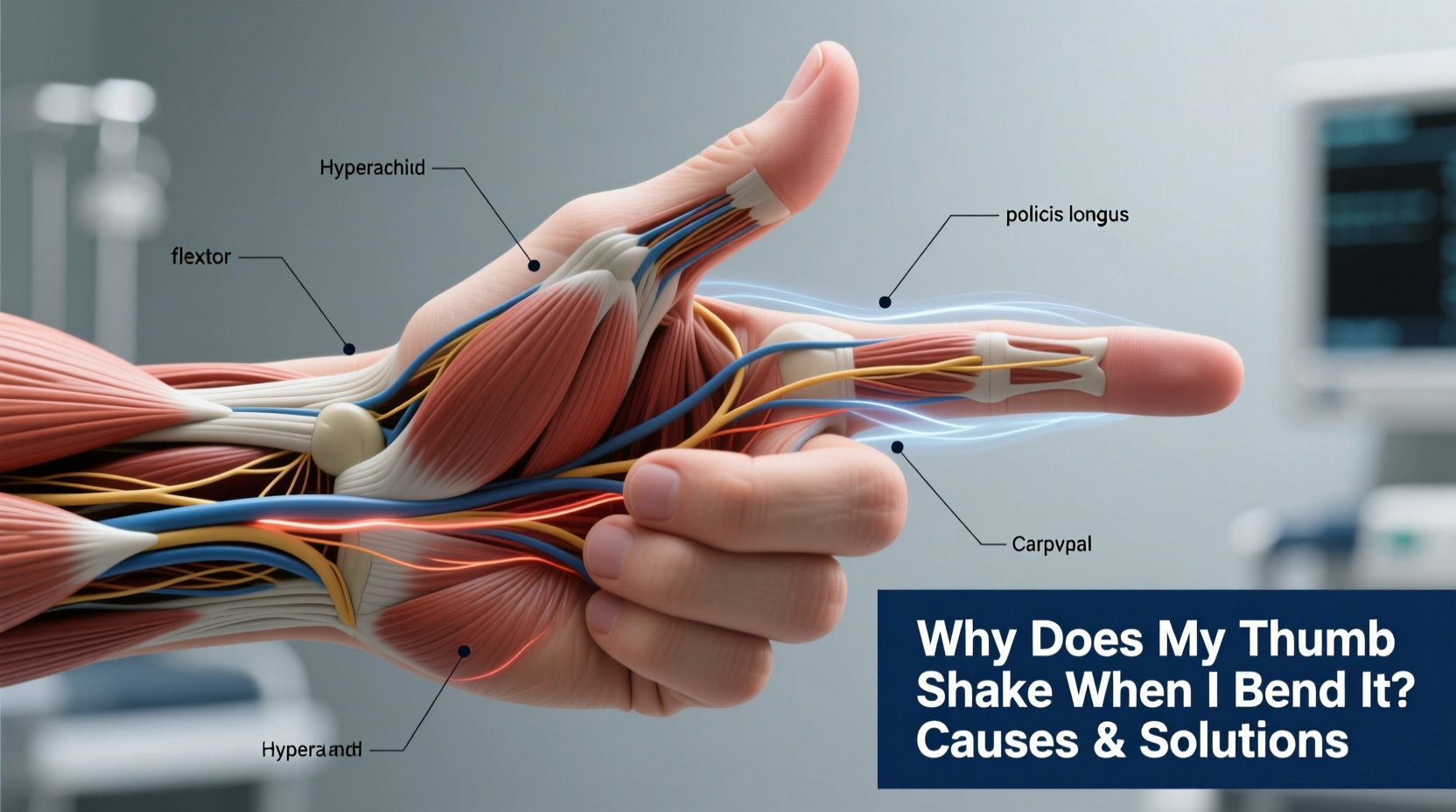
Thumb shaking during flexion isn't typically dangerous on its own, but it's a sign that something in your neuromuscular system is reacting abnormally. The movement triggers involuntary muscle contractions, which manifest as a visible or palpable tremor. Several factors contribute to this phenomenon:
- Muscle Fatigue: Overuse from typing, texting, gaming, or manual labor can lead to micro-fatigue in the small muscles of the hand, causing shaky movements when engaged.
- Nerve Compression: Conditions like carpal tunnel syndrome compress the median nerve, disrupting signals between the brain and thumb muscles, potentially leading to tremors during motion.
- Essential Tremor: A neurological disorder causing rhythmic shaking, often in hands or fingers, exacerbated by precise movements like bending the thumb.
- Low Blood Sugar (Hypoglycemia): When glucose levels drop, the nervous system becomes unstable, increasing the likelihood of tremors, especially during fine motor tasks.
- Caffeine or Stimulant Intake: High consumption of coffee, energy drinks, or certain medications can overstimulate the nervous system, triggering localized shaking.
- Anxiety or Stress: Psychological stress activates the sympathetic nervous system, which can cause trembling in isolated areas, including the thumb.
- Vitamin Deficiencies: Low levels of magnesium, vitamin B12, or calcium affect nerve function and muscle control, contributing to involuntary contractions.
When to Be Concerned: Red Flags to Watch For
Not all thumb tremors require immediate medical evaluation, but certain patterns suggest a need for professional assessment. Persistent or progressive symptoms should not be ignored.
“Any new-onset tremor that interferes with daily activities—like holding a cup or writing—deserves a clinical workup. Early diagnosis improves outcomes, especially in neurodegenerative conditions.” — Dr. Alan Reyes, Neurologist, Cleveland Clinic
Seek medical advice if you experience any of the following:
- The tremor spreads to other fingers or the entire hand
- Shaking worsens over weeks or months
- You notice weakness, numbness, or tingling alongside the tremor
- Fine motor skills decline (e.g., difficulty buttoning shirts)
- Family history of Parkinson’s disease or essential tremor
- Tremors occur at rest, not just during movement
Solutions and Management Strategies
Addressing thumb shaking depends on identifying and treating the root cause. Many cases improve significantly with lifestyle changes and targeted interventions.
1. Reduce Hand Strain and Improve Ergonomics
Repetitive strain is one of the most preventable causes of thumb tremors. Adjusting how you use your hands can make a substantial difference.
2. Address Nerve Compression
If carpal tunnel syndrome is suspected, early intervention prevents long-term damage. Wearing a wrist splint at night, performing nerve gliding exercises, and avoiding prolonged wrist flexion can relieve pressure on the median nerve.
3. Manage Essential Tremor
While there's no cure, beta-blockers (like propranolol) or anticonvulsants (such as primidone) are commonly prescribed. Non-pharmacological approaches include weighted utensils or stabilizing devices that dampen tremor amplitude.
4. Optimize Nutrition and Hydration
Deficiencies in key nutrients disrupt neuromuscular signaling. Consider testing for:
| Nutrient | Role in Nerve/Muscle Function | Dietary Sources |
|---|---|---|
| Magnesium | Regulates muscle contractions and nerve transmission | Spinach, almonds, black beans |
| Vitamin B12 | Supports myelin sheath integrity around nerves | Salmon, eggs, fortified cereals |
| Calcium | Essential for muscle contraction signaling | Dairy, kale, sardines |
5. Limit Stimulants and Manage Stress
Reducing caffeine intake—even cutting from four cups to one—can eliminate tremors in sensitive individuals. Incorporating mindfulness, deep breathing, or yoga helps regulate the nervous system’s response to stress.
Step-by-Step Guide to Reducing Thumb Tremors
Follow this actionable timeline to assess and address your symptoms systematically:
- Week 1: Track Symptoms – Keep a journal noting when the shaking occurs, duration, associated activities, and possible triggers (e.g., after coffee).
- Week 2: Modify Habits – Reduce screen time, switch to voice commands, and avoid repetitive thumb motions.
- Week 3: Evaluate Diet – Add magnesium-rich foods or consider a B-complex supplement after consulting your doctor.
- Week 4: Test for Nerve Issues – Perform the Phalen’s test (press backs of hands together, fingers down, for 60 seconds). Tingling or numbness suggests carpal tunnel.
- Week 5: Consult a Professional – See a neurologist or hand specialist if symptoms persist or worsen.
Real-Life Example: A Case of Repetitive Strain Recovery
Mark, a 38-year-old graphic designer, began noticing his right thumb quivered when he bent it after long sessions using a stylus. Initially dismissing it as tiredness, he soon found the tremor affecting his precision work. After tracking his habits, he realized symptoms flared after more than three hours of continuous drawing.
He implemented ergonomic changes: switching to a vertical mouse, taking 10-minute breaks every hour, and doing hand stretches. Within four weeks, the shaking decreased significantly. A follow-up with an occupational therapist confirmed early signs of overuse syndrome. With continued adjustments, Mark’s tremor resolved completely within two months—without medication.
Checklist: What You Can Do Today
Use this quick-reference checklist to start addressing thumb tremors immediately:
- ✅ Reduce caffeine and stimulant intake for 7 days
- ✅ Practice hand and finger stretches twice daily
- ✅ Assess workspace ergonomics (phone height, keyboard angle)
- ✅ Monitor symptoms in a journal for patterns
- ✅ Try a nighttime wrist splint if numbness is present
- ✅ Schedule a doctor’s visit if tremor persists beyond 4 weeks
Frequently Asked Questions
Can dehydration cause my thumb to shake?
Yes. Dehydration affects electrolyte balance, particularly sodium and potassium, which are critical for proper nerve signaling. Even mild dehydration can trigger muscle twitching or tremors, especially during physical exertion or heat exposure.
Is thumb shaking a sign of Parkinson’s disease?
Not usually. Parkinson’s-related tremors typically occur at rest (e.g., when the hand is relaxed), are more rhythmic, and often start in the fingers as a “pill-rolling” motion. A tremor only during movement is more likely linked to essential tremor or overuse.
Should I see a neurologist for a shaky thumb?
If the tremor is new, worsening, or accompanied by stiffness, slowness, or balance issues, yes. A neurologist can perform tests to differentiate between benign causes and neurological conditions through clinical exams and sometimes imaging or EMG studies.
Take Control of Your Hand Health
Your hands are vital tools for communication, creativity, and independence. A shaking thumb might seem minor, but it’s your body’s way of signaling imbalance—whether mechanical, metabolic, or neurological. Ignoring it risks progression; addressing it early empowers recovery. By applying targeted strategies, adjusting daily habits, and seeking expert guidance when needed, most people see meaningful improvement. Don’t wait for symptoms to escalate. Start today: track your tremors, tweak your routine, and prioritize long-term neuromuscular health.




 浙公网安备
33010002000092号
浙公网安备
33010002000092号 浙B2-20120091-4
Comments
No comments yet. Why don't you start the discussion?