
Suddenly standing from a seated or lying position and experiencing blurred vision is more common than many realize. While occasional dizziness or visual disturbance may not be alarming, frequent or severe episodes can signal underlying health conditions. This phenomenon often results from how your cardiovascular and nervous systems respond to changes in posture. Understanding the root causes—from benign triggers to more serious medical concerns—can help you determine when it's time to take action.
What Happens When You Stand Up?
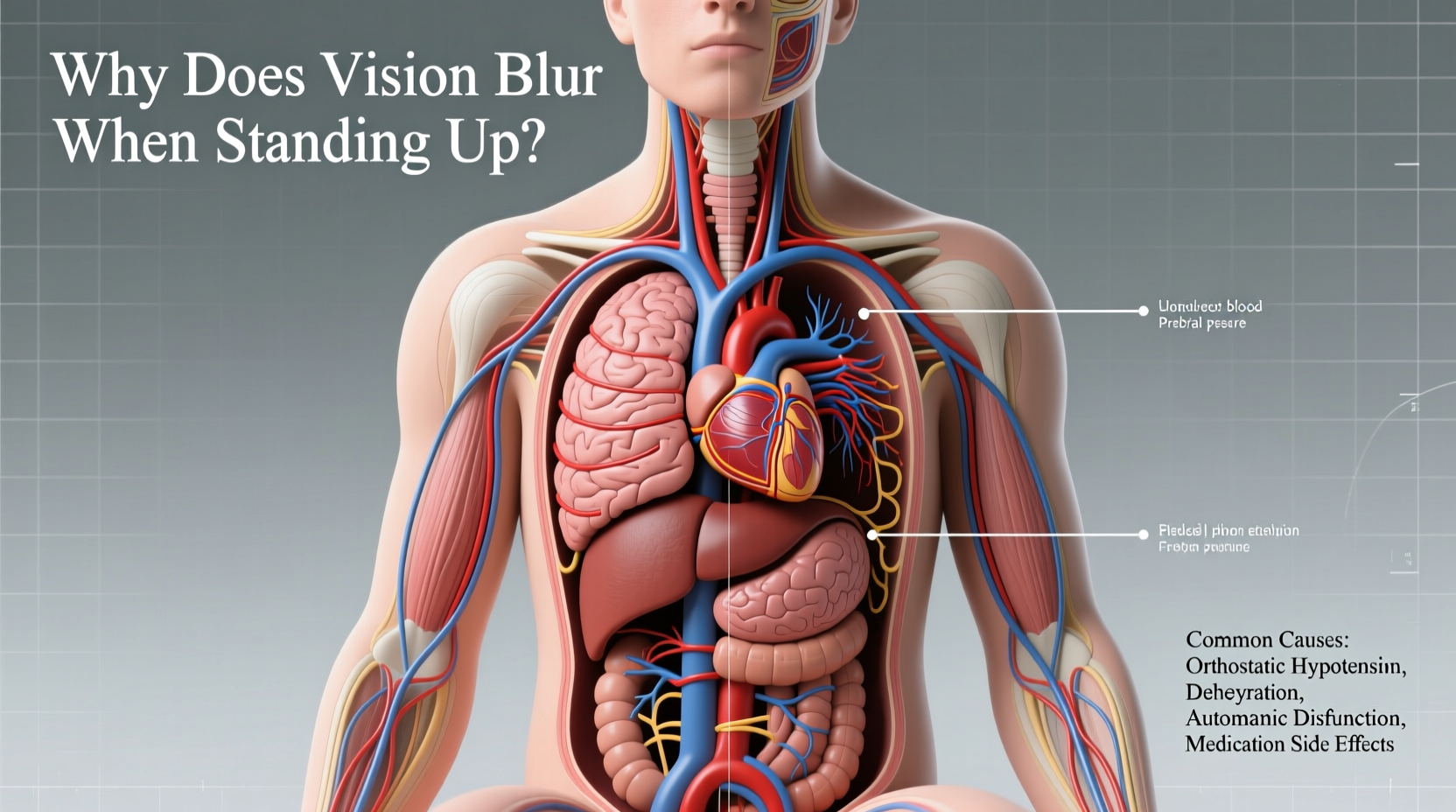
When you rise from a seated or reclined position, gravity pulls blood downward into your legs and abdomen. To maintain adequate blood flow to the brain, your body must quickly compensate by increasing heart rate and constricting blood vessels. If this autonomic response is delayed or insufficient, blood pressure drops temporarily—a condition known as orthostatic hypotension. This drop reduces oxygen delivery to the brain, leading to symptoms such as lightheadedness, tunnel vision, or temporary blurring of sight.
The visual system relies heavily on consistent cerebral perfusion. Even a brief interruption in blood flow can disrupt signal processing in the occipital lobe, causing distorted or blurred vision. These effects typically last only a few seconds but may persist longer if an underlying issue is present.
Common Causes of Blurred Vision Upon Standing
Several physiological and medical factors contribute to transient visual disturbances when standing. Below are the most prevalent causes:
1. Orthostatic (Postural) Hypotension
This is the leading cause of blurry vision upon standing. A sudden drop in systolic blood pressure—typically defined as a decrease of 20 mm Hg or more within three minutes of standing—impairs cerebral blood flow. It’s especially common in older adults, those with autonomic dysfunction, or individuals taking certain medications.
2. Dehydration
Inadequate fluid intake reduces blood volume, making it harder for the body to maintain stable blood pressure during postural changes. Even mild dehydration from prolonged heat exposure, exercise, or illness can trigger visual blurring when standing.
3. Inner Ear Disorders
The vestibular system in the inner ear helps regulate balance and spatial orientation. Conditions like benign paroxysmal positional vertigo (BPPV), Meniere’s disease, or vestibular neuritis can distort sensory input, leading to disorientation and perceived visual instability—even though the eyes themselves function normally.
4. Medication Side Effects
Drugs that lower blood pressure (e.g., beta-blockers, diuretics, alpha-blockers), antidepressants, and Parkinson’s treatments can interfere with vascular tone regulation. Patients on these medications should monitor for dizziness or vision changes after standing.
5. Autonomic Neuropathy
Commonly associated with diabetes, autonomic neuropathy damages nerves that control involuntary functions like heart rate and blood vessel constriction. This impairs the body’s ability to respond rapidly to positional shifts, increasing the risk of falls and visual disturbances.
6. Anemia
Low red blood cell count reduces oxygen-carrying capacity. When combined with upright movement, this can lead to inadequate oxygen supply to the brain, manifesting as fatigue, blurred vision, and faintness.
7. Heart Conditions
Arrhythmias, heart failure, or structural abnormalities may limit cardiac output during postural transitions. Reduced pumping efficiency means less blood reaches the brain promptly, contributing to visual symptoms.
“Transient visual blurring upon standing should never be dismissed outright, especially in patients over 60 or those with chronic conditions. It can be an early warning sign of autonomic failure.” — Dr. Rebecca Langston, Neurologist at Boston General Hospital
When to Be Concerned: Red Flags
Occasional, brief episodes of blurred vision when standing are usually harmless. However, certain symptoms warrant prompt medical evaluation:
- Loss of consciousness, even briefly
- Prolonged blurring lasting more than 30 seconds
- Frequent recurrence without clear triggers
- Chest pain, palpitations, or shortness of breath
- Numbness, slurred speech, or weakness—possible stroke signs
- Falls or near-falls due to sudden dizziness
If any of these accompany your visual disturbances, consult a healthcare provider immediately. Persistent symptoms could indicate serious cardiovascular, neurological, or metabolic disorders requiring targeted treatment.
Diagnosis and Medical Evaluation
Determining the exact cause involves a combination of clinical history, physical examination, and diagnostic testing. Your doctor may perform the following:
- Orthostatic Vital Signs Test: Blood pressure and heart rate are measured while lying down, then again after one and three minutes of standing.
- Blood Tests: To check for anemia, electrolyte imbalances, blood sugar levels, and markers of infection or inflammation.
- Electrocardiogram (ECG): Assesses heart rhythm and detects arrhythmias or ischemia.
- Tilt Table Test: Monitors cardiovascular responses under controlled positional changes.
- Nerve Function Studies: Evaluates for peripheral or autonomic neuropathy, particularly in diabetic patients.
Based on findings, specialists such as cardiologists, neurologists, or endocrinologists may become involved in managing complex cases.
Practical Prevention and Management Strategies
While some causes require medical intervention, lifestyle adjustments can significantly reduce the frequency and severity of episodes. The key lies in supporting circulatory stability and minimizing abrupt physiological stress.
Step-by-Step Guide to Safer Position Changes
- Before rising: Take slow, deep breaths to prepare your cardiovascular system.
- Sit up first: Move from lying to sitting and remain still for 10–15 seconds.
- Dangle legs: Let feet hang off the bed or chair to allow blood to redistribute gradually.
- Stand slowly: Use support if needed and avoid jerky movements.
- Pause: Remain standing in place for another 10–20 seconds before walking.
Lifestyle Adjustments That Help
- Stay hydrated: Aim for 6–8 glasses of water daily, more in hot weather or during activity.
- Limit alcohol: Alcohol dilates blood vessels and worsens orthostatic drops.
- Wear compression stockings: These reduce blood pooling in the legs and improve venous return.
- Elevate head during sleep: Slight elevation (about 6 inches) can prevent nocturnal fluid shifts.
- Avoid large meals: Big, carbohydrate-rich meals divert blood to the digestive tract, increasing post-meal dizziness (“digestive syncope”).
Comparison Table: Common Causes vs. Key Features
| Cause | Onset Duration | Associated Symptoms | Typical Triggers | Who’s Most At Risk? |
|---|---|---|---|---|
| Orthostatic Hypotension | Immediate, lasts 5–30 sec | Dizziness, lightheadedness, dimming vision | Standing quickly, dehydration, meds | Older adults, Parkinson’s patients |
| Dehydration | Rapid onset, resolves with fluids | Dry mouth, fatigue, dark urine | Heat, illness, poor intake | Athletes, elderly, sick individuals |
| Inner Ear Disorder | Seconds to minutes | Vertigo, nausea, imbalance | Head movement, positional change | People over 50, history of ear issues |
| Anemia | Gradual worsening with exertion | Pallor, fatigue, shortness of breath | Physical activity, standing long periods | Women with heavy periods, vegetarians |
| Autonomic Neuropathy | Frequent, unpredictable | Constipation, urinary issues, sweating changes | Postural change, meals | Long-term diabetics, autoimmune patients |
Mini Case Study: Maria’s Experience with Postural Dizziness
Maria, a 68-year-old retired teacher, began noticing that her vision would “go gray” every time she stood up from gardening. Initially, she dismissed it as normal aging. But after nearly falling twice in one week, she consulted her primary care physician. Testing revealed orthostatic hypotension with a 28 mm Hg drop in systolic pressure upon standing. Further investigation found she was mildly dehydrated and taking a new blood pressure medication at a higher dose than necessary.
Her doctor adjusted her medication, advised increased salt and fluid intake, and recommended compression socks. Within two weeks, Maria reported no further episodes. Her case highlights how multiple small factors—medication, hydration, age-related vascular stiffness—can combine to produce noticeable symptoms that are both reversible and preventable.
FAQ Section
Can low blood sugar cause blurred vision when standing?
Yes. Hypoglycemia affects brain function and can cause visual disturbances, dizziness, and confusion. When combined with standing, these effects may intensify. People with diabetes should monitor their glucose levels, especially if they experience recurrent symptoms.
Is it normal for young people to have blurry vision when standing?
While less common, younger individuals—especially those who are highly active, dehydrated, or have anxiety disorders—can experience transient blurring. In rare cases, it may point to conditions like POTS (Postural Orthostatic Tachycardia Syndrome), which causes rapid heart rate increases upon standing.
Should I stop exercising if I feel dizzy when standing up?
No—but modify your routine. Avoid sudden position changes after workouts. Cool down gradually, stay hydrated, and consider monitoring your symptoms. If dizziness persists despite precautions, get evaluated before resuming intense training.
Action Checklist: What You Can Do Today
- ✅ Measure your blood pressure lying and standing (if home monitor available)
- ✅ Increase daily water intake, especially in warm climates
- ✅ Review all medications with your doctor for potential side effects
- ✅ Practice slow, staged rising techniques consistently
- ✅ Schedule a check-up if symptoms occur more than once a week
- ✅ Monitor for additional symptoms like fatigue, chest pain, or fainting
Conclusion: Listen to Your Body’s Signals
Blurred vision when standing is not something to ignore, even if it seems minor. Your body uses these signals to communicate that a system—whether cardiovascular, neurological, or metabolic—is struggling to adapt. With simple lifestyle modifications and timely medical attention, most causes are manageable or treatable. Don’t wait until a fall or fainting episode occurs. Start paying attention to patterns, make gradual improvements, and seek professional guidance when needed.




 浙公网安备
33010002000092号
浙公网安备
33010002000092号 浙B2-20120091-4
Comments
No comments yet. Why don't you start the discussion?